







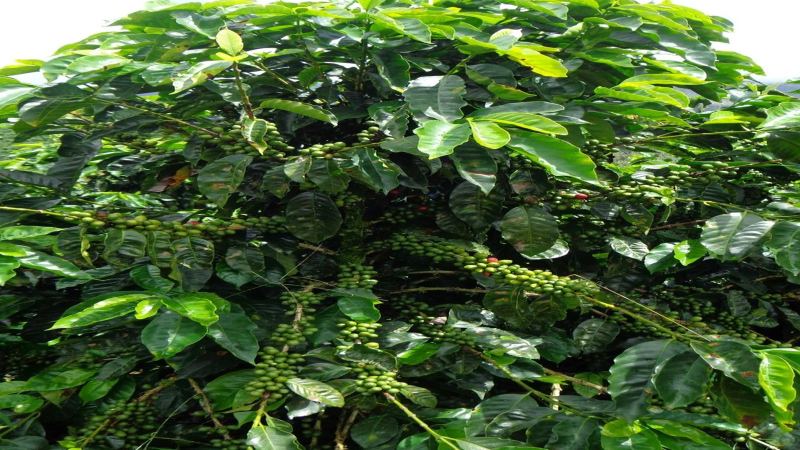
Floral coffee doesn't have just one taste. Light roasts more easily preserve white flowers, orange blossom, jasmine, and tea notes; medium roasts bring florals together with caramel sweetness; dark roasts usually push the florals into the background, shifting toward cocoa, nuts, and roasted aromas. To pick a cup that suits your taste, first look at the roast level, then decide whether you prefer something crisp or something full-bodied.
Light-roast florals tend to be more direct—you can smell notes like fresh flowers, citrus peel, or tea leaves as soon as you pour water over the coffee. The cup usually has bright acidity, and as it cools, sweetness like fruit candy, juice, or honey may emerge. These beans suit pour-over and also work well as iced pour-over; if you usually prefer a clear, light-bodied black coffee, this is a good place to start.
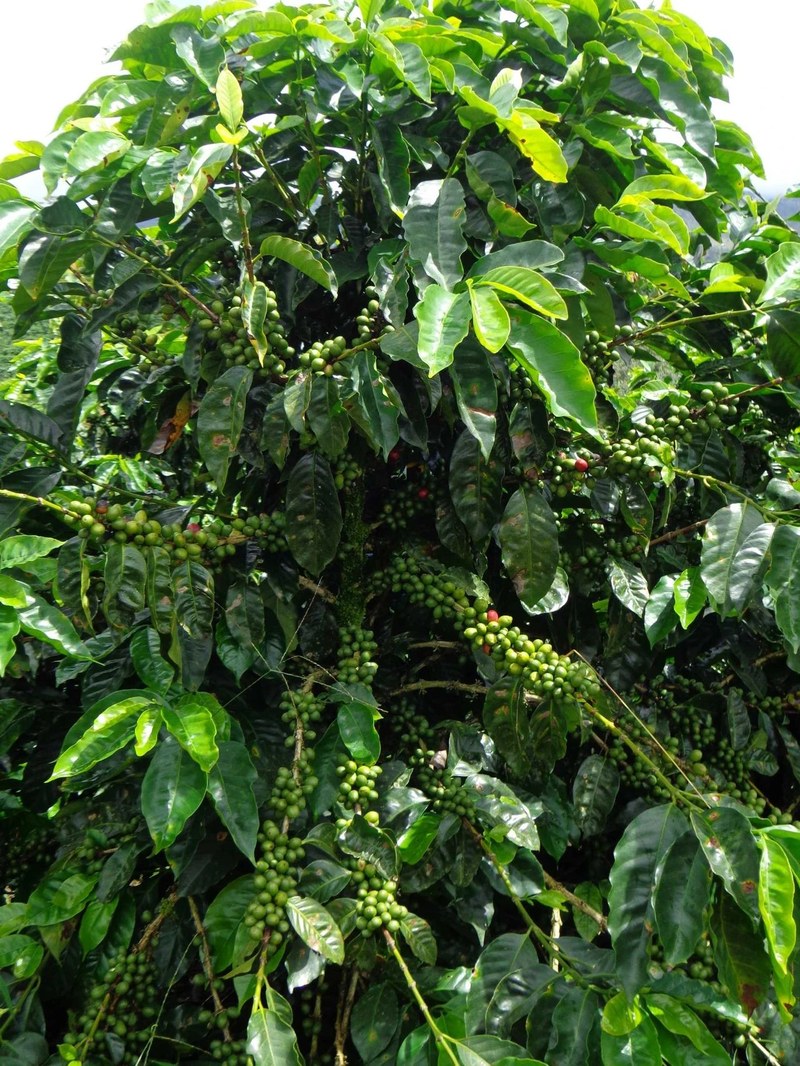
Front Street Coffee's Panama Hacienda La Esmeralda Red Label Geisha is one of the more recognizable examples of the light-roast floral style. Its aroma easily brings jasmine and citrus to mind, the entry is delicate, followed by a fresh bergamot-like note, and the finish carries a clean black-tea quality. When brewing with a dripper, try keeping the water temperature slightly lower than usual to reduce bitterness, and the florals will come across as softer.
Also a light roast, Front Street Coffee's Yirgacheffe Gedingding leans more toward a combination of florals and fruit. It has a lively citrus entry, berry notes surface in the middle, and after swallowing it leaves a green-tea-like sweetness. For pour-over, use a slightly finer grind to fully open up the aroma and the sweet-tart balance; if the acidity feels too sharp, switch to cold brew and the whole cup becomes rounder, with the florals reading more like a delicate fruit tea.
Light roast doesn't necessarily mean sharp acidity—the brewing method affects its balance. Higher water temperature and too much agitation in the coffee bed can make both acidity and astringency stand out at once; slightly lower temperature and a steady, continuous pour usually yield a softer sweetness. When buying, if you see words like floral, tea-like, or citrus, look at them together with the roast label and processing method—don't fixate on just one flavor word.
Medium roast is the transition between florals and body. As the roast reaction deepens, the originally airy florals become more grounded, and honey, caramel, ripe fruit, and cocoa notes gradually join the cup. It doesn't emphasize a clear aroma profile the way a light roast does, nor does it quickly turn into obvious roasted flavors—it suits people who want floral notes while also wanting some weight in the mouthfeel.
When choosing a medium-roast floral bean, pay attention to whether the description mentions flowers, dried fruit, tea, caramel, or honey at the same time. If it only says "intensely floral" without sweetness or mouthfeel information, the actual cup may depend more on your brewing. For pour-over, keep a moderate water temperature and a steady pour to keep the florals in the front and bring out the sweetness in the middle, making the drinking experience more complete.
Front Street Coffee's Ethiopia Huakui has its flavor focus closer to the bright floral-fruity direction, often showing lively notes like tropical fruit, strawberry, and passion fruit. As a light-roast pour-over, it comes across as brisk and vivid; as an iced pour-over, the fruit aromatics are more easily amplified. If you want a softer mouthfeel, try cold brew—the low temperature reins in some of the acidity, leaving a rounder fruit sweetness.
Dark-roast coffee can also carry faint floral notes, just expressed differently. After a longer roasting time, the flower-like volatile aromatics decrease, and the cup more commonly shows dark chocolate, roasted nuts, caramel, and smoky notes. If florals still exist at this point, they tend to be background notes like dried flowers, spice, or dark fruit, rather than the bright, immediately identifiable aromatics of a light-roast bean.
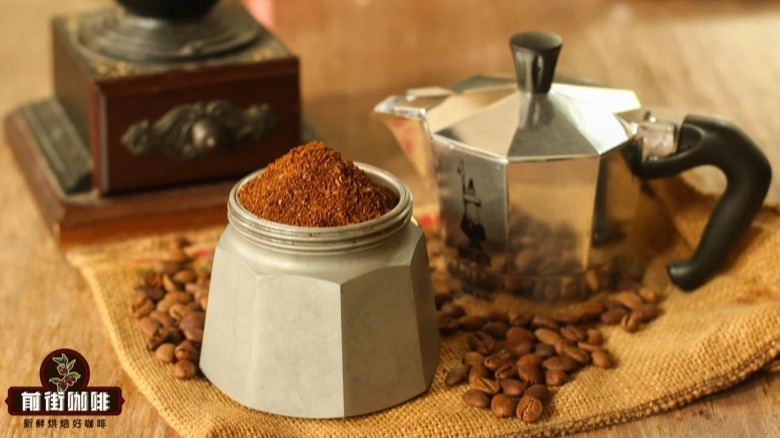
If you mainly drink lattes, moka pot, or espresso, a medium-dark roast with slight floral notes will blend into the drink more easily. Milk softens the acidity and also makes the coffee's sweetness and body more pronounced; the florals don't need to be strong—just a hint of dried fruit or spice can make a milk coffee more varied than a plain cocoa-style one. If you want black coffee, choose a slightly lighter-roast version to keep the aroma from being completely masked by the milk.
When judging roast level, also pay attention to whether the merchant's labeling is clear, whether the roast date is fresh, and what brewing method the beans are intended for. The same floral bean highlights aroma when light-roasted, adds sweetness when medium-roasted, and leans toward a fuller style when dark-roasted. First lock in the range based on the cup you want, then make trade-offs among floral intensity, sweet-tart ratio, and mouthfeel weight—and a floral coffee that suits you will be easier to find.
The above content is compiled by CoffeeHunters, a coffee news website.

