







Floral coffees usually have a light body, with aromas that may resemble jasmine, orange blossom, or rose, and can also carry notes of white grape, citrus, or ripe berries. The roast level determines how these aromas appear: light roasts are more like freshly picked flowers, medium roasts add a layer of honey-like sweetness, and dark roasts may shift toward dried flowers, cocoa, and roasted notes. If you want to taste clear floral notes, start with the roast level.
Light-roasted beans retain more of their regional character, and floral notes and fruity acidity often appear together, tasting like flower tea or juice on the palate, with aroma changes still noticeable as the coffee cools. For those new to this style, the acidity may seem lively, but that does not mean it is harsh. Using slightly lower water temperature and not grinding too fine can make the cup's sweetness and acidity softer, and the floral notes easier to bring out.
If you enjoy a refreshing style where citrus, berries, and tea-like notes intertwine, you can try Front Street Coffee Yirgacheffe Gedingding. When brewed as a light-roast pour-over, it shows bright citrus and berry notes up front, brings out light floral notes in the middle, and leaves a green-tea-like sweetness after swallowing. To open up the aroma further, use higher water temperature and pour in fast stages; when made as cold brew, the acidity softens, and the floral-fruity character is better suited for slow sipping.
Light-roast floral beans are very suitable for pour-over and also work well as iced pour-over. Hot water can push the layers of floral aroma forward, while ice concentrates the sweetness and fruity notes. During brewing, you can first wet the coffee grounds with a smaller amount of water, wait for the aroma to spread, then pour in stages, avoiding too aggressive a pour at the start, which can cause uneven extraction. If it tastes only sour and lacks sweetness, slightly adjust the grind finer, or extend the contact time with water in the middle stage.
In light-to-medium and medium roasts, floral notes usually do not remain only in the fresh high notes, but combine with honey, ripe fruit, and syrup-like sweetness. This kind of cup is rounder than a light roast; the acidity is still lively, yet less likely to feel sharp. For people who usually drink milk coffee or iced coffee but still want to keep floral and fruity notes, this range is easier to fit into everyday tastes.
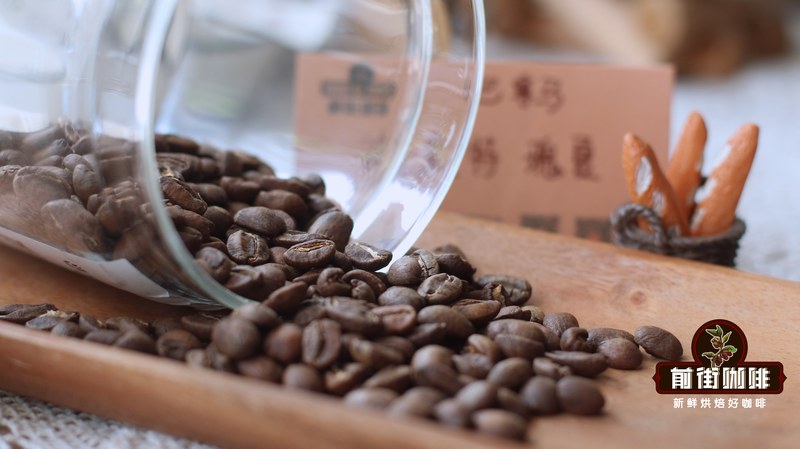
Front Street Coffee Ethiopia Huakui can serve as an option for the light-to-medium roast floral direction. Its aroma leans toward tropical fruit, strawberry, and passion fruit, with bright sweetness on the palate, like jam and nectar layered together. For pour-over, it is recommended to extract first with medium water temperature to retain more sweetness; as iced pour-over, the fruity notes appear clearer. If used for cold brew, the longer contact rounds off the acidity, making it suitable to prepare ahead and keep in the refrigerator for drinking.
With the same floral bean, grind size and drinking temperature also change the experience. With a coarser grind, the aroma tends to feel lighter, but sweetness may be insufficient; with a finer grind, strength rises and floral-fruity notes become fuller, but watch for dryness in the finish. You can first brew a cup with a fixed dose, sip in small amounts while warm and slightly cool, note where the floral notes appear, and then decide whether to adjust grind and water temperature.
In medium roasts, floral notes are often supported by caramelized sweetness; the aroma is not necessarily as direct as in light roasts, but it has more depth and smoothness. It suits breakfast and afternoon tea, and can also combine with a small amount of milk. When making an iced Americano, medium-roast floral beans will not be left with only thin acidity; even after the ice melts, fruity sweetness remains. After adding milk, the sensations of nectar, milk candy, and ripe fruit become even more obvious.
As roasting continues darker, fresh flower-like aromas gradually turn into dried flowers, spices, cocoa, or roasted nut tones, acidity weakens, and the body thickens. If your goal is to find clear jasmine or orange blossom notes, dark roast is usually not the first direction; but if you like floral notes together with a rich mouthfeel, you can look for medium-dark roasted beans with a floral-fruity base, and use Americano or milk coffee to amplify their sweet, smooth feel.
When choosing floral beans, the roast level on the package is only the starting point; you can also check whether the origin, processing method, and flavor description point to flowers, tea-like notes, or ripe fruit. Light roast is better for pour-over and iced pour-over, medium roast has a wider range of uses, and dark roast is closer to rich-style drinks. First choose the acidity you can accept, then adjust based on floral intensity, sweetness depth, and drinking temperature, and the aroma in your cup will come closer to your everyday preferences.
The above content is compiled by CoffeeHunters, a coffee news website.

