







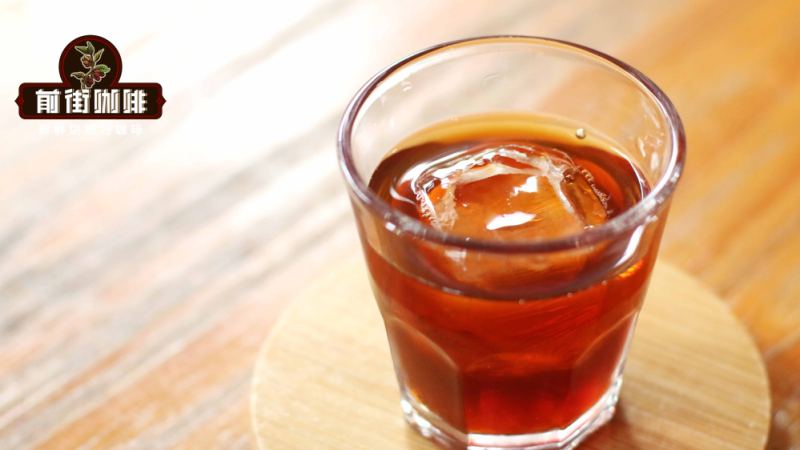
Is Cold Brew Coffee High in Caffeine Compared With Other Brews?
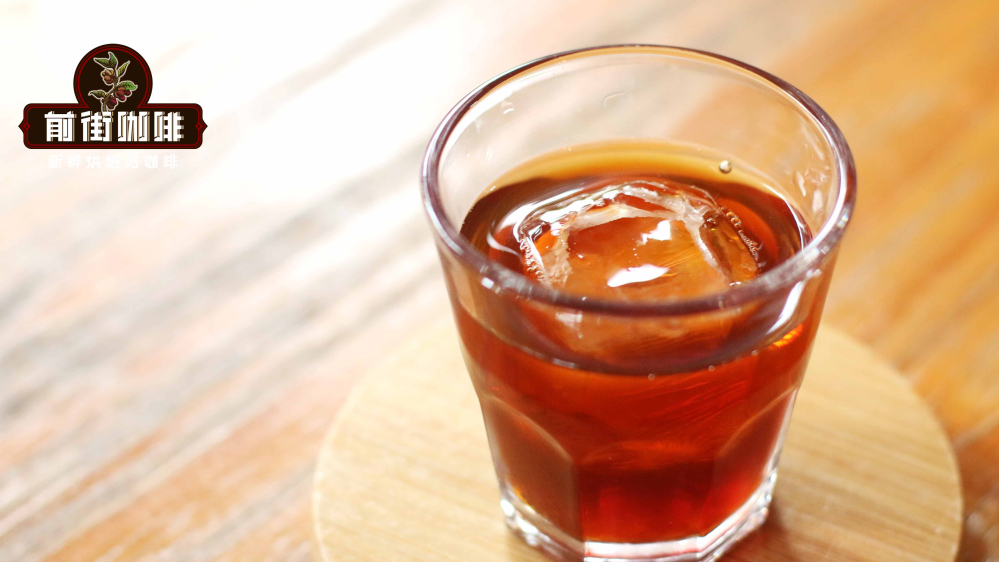
Yes, cold brew can be relatively high in caffeine. Extraction time matters more than temperature: a long, slow steep pulls out more caffeine than a quick espresso shot. A cold brew made with 20 grams of grounds and 200 milliliters of water contains roughly 140 milligrams of caffeine, which can exceed a pour-over or French press cup.
Cold water also changes the cup in other ways. Over the long soak, acidic compounds gradually decrease, so sourness and bitterness drop, while aroma stays locked in and the body feels fuller and more balanced. Coffee ingredients matter too: floral, fruity, and medium-dark roasts each suit cold brew differently, and adding dried flowers can lift the flavor.
Cold brew coffee has gained great popularity in recent years, but many people are concerned about whether its caffeine content is on the high side, how to brew it more healthily, and how long it can be stored. This article will start from the principle of caffeine release, analyze why cold brew coffee has a relatively high caffeine content, and introduce in detail a simple and easy cold brew method. At the same time, Front Street Coffee will recommend coffee beans suitable for cold brew based on different needs such as floral and fruity notes, vivid flavors, and medium-dark roasts, and share the clever idea of adding dried flowers to enhance the flavor, helping you make a cup of iced coffee with a full and balanced taste.
For more specialty coffee knowledge, please follow: Front Street Coffee (Frontsteet Coffee)
The key reason coffee can refresh us lies in the effect of caffeine. There is a substance in the human body called adenosine. The longer you stay awake, the more adenosine accumulates, and the more easily you feel drowsy. Caffeine can prevent adenosine from binding to brain nerves. When the brain does not receive fatigue signals, it will continue to stay active, so we do not feel tired—put simply, this uses caffeine to create an illusion for the brain.
The amount of caffeine extracted is closely related to extraction time. Under the same high-temperature conditions, the longer the extraction time, the higher the caffeine content tends to be. Therefore, drinks based on espresso are not actually the highest in caffeine; coffee made by methods such as pour-over drip and French press immersion actually has a higher caffeine content. Although cold brew and ice drip use low-temperature extraction, because the extraction time is extremely long, their caffeine content can even exceed the former. For reference, a cup of cold brew made with 20 grams of grounds and 200 milliliters of water contains about 140 milligrams of caffeine.
Cold brew is a low-temperature immersion extraction. As time passes, the variety of acidic compounds gradually decreases, so the sourness and bitterness of cold brew are greatly reduced. At the same time, the coffee aroma does not easily volatilize and can be better locked in, ultimately presenting a fuller and more balanced taste.
Cold Brew Method Suggestions
There are many ways to make cold brew, and they can all produce a good flavor. Here, Front Street introduces a relatively simple approach for everyone's reference.
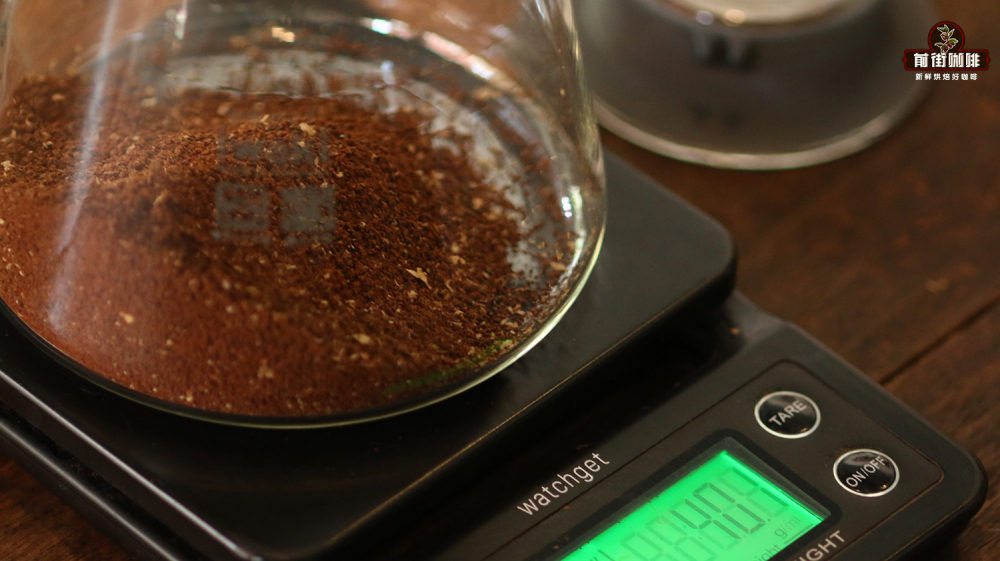
The container can be a mineral water bottle or a glass bottle, as long as the lid can seal properly. The coffee grounds should be ground slightly finer than for pour-over, with about an 85% passing rate through a No. 20 sieve.
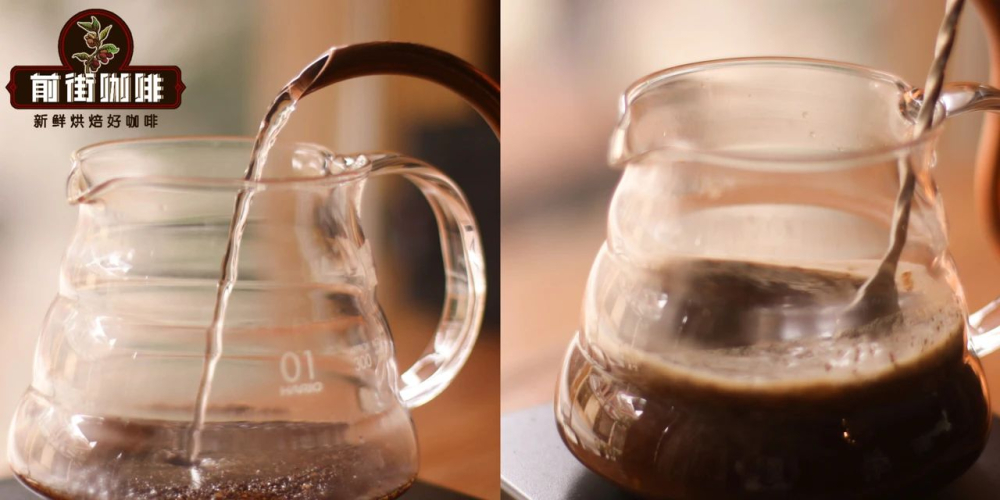
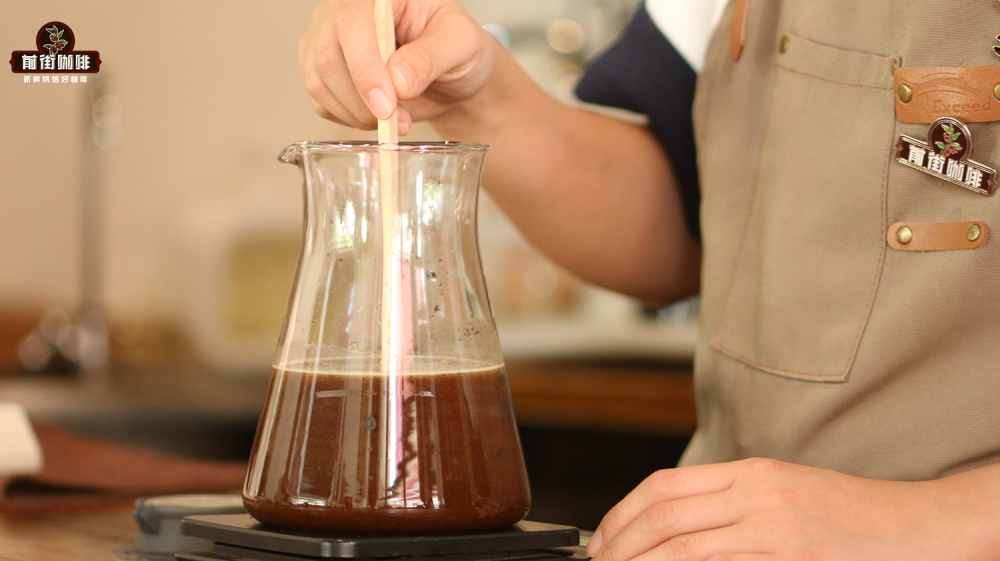
Using 40 grams of coffee grounds as the base, pour the grounds into a glass bottle, add 500 milliliters of room-temperature drinking water, for a coffee-to-water ratio of 1:12, stir evenly with a stirring rod, seal, and place in the refrigerator.
The cold brew time is recommended to be controlled between 12 and 24 hours. The longer the time, the stronger the taste, but it is not recommended to exceed 24 hours. When the time is up, filter out the coffee grounds with filter paper, pour into a clean container, and let it settle in the refrigerator for two to three hours before drinking. For food safety reasons, Front Street recommends drinking the finished cold brew within 5 days, when the taste is best.
What kind of cold brew do you want to drink!
"What flavor type of coffee do you usually like?" This is a question often asked by baristas at Front Street Coffee (FrontStreet Coffee) to customers in the store. Then, according to the customer's preference, suitable beans are selected for brewing, such as floral, fruity, more acidic, very sweet, clean, or some specific aroma, and so on.
Selection of Beans with Floral and Fruity Notes
This type of description usually points to light to medium roast coffee beans. Africa and Central America are the preferred regions for producing coffee with floral and fruity notes.
Bright fruity acidity: If you like this direction, you can choose washed coffee beans from Kenya, Ethiopia, and Panama. Washed beans have a more uplifting acidity, and the bright fruit flavors make cold brew coffee full of a juicy feel. For example, Front Street Kenya Asali, Front Street Ethiopia Yirgacheffe Gutingding Cooperative, and Front Street Panama Boquete Geisha belong to this type.
Soft fruity notes: Naturally processed coffee beans have a higher sugar content than washed beans, so they have prominent sweetness, rich floral aroma, and ripe tropical fruit flavors. After a long cold brew, the floral and fruity notes complement each other, and the fermented quality unique to natural processing is also amplified. For example, Front Street Ethiopia Yirgacheffe Natural Red Cherry, Front Street Ethiopia Gesha Village Red Label, and Front Street Panama Elida Typica.
Selection of Beans with Vivid Flavors
Nowadays, in addition to traditional processing methods, producing regions have introduced many novel green bean processing methods in order to give coffee a richer aroma. These techniques can make coffee beans exude some very vivid flavor, which is quite friendly to beginners just starting out. If beans processed in this way are used for cold brew, over time the aroma will develop into a cup of iced coffee with both a full body and aroma. These coffee beans are distributed across a wide range of regions, so Front Street will list a few of the more famous ones!
Recommended cold brew coffee beans with obvious fruity aromas include: Front Street Colombia Sidra, Front Street Costa Rica Mirazu Estate Strawberry Candy Geisha Blend (strawberry, dried fruit), and Front Street Huakui.
Those with obvious floral aromas include: Front Street Colombia Rose Valley (rose, liqueur chocolate), and Front Street Costa Rica Mozart.
Selection of Medium-Dark Roasted Beans
For those who do not want to drink something sour and sweet, Front Street recommends using beans with a medium-dark or dark roast level. Long high-temperature roasting will gradually cause the beans to lose their acidity, resulting in a coffee rich in caramel, spice, and chocolate flavors.
Medium-dark roast: Medium-dark roasted beans do not completely eliminate acidity. Retaining a trace of acidity makes the overall taste of the cold brew more balanced. When made into cold brew, chocolate flavor dominates, and the soft acidity is not jarring within it. For example, Front Street Brazil Queen Estate, Front Street Guatemala Antigua Floral God, Front Street Papua New Guinea Bird of Paradise, and Front Street Yunnan·Front Street 2013.
Dark roast: If you do not want any acidity and only want to enjoy the rich and silky texture brought by spices and chocolate, then the dark-roasted Front Street Indonesia Front Street PWN Golden Mandheling will be a good choice!
Add Appropriately, Make It Even Better
Having discussed the selection of coffee beans, let us share a little extra idea: when making cold brew, adding a small proportion of osmanthus or jasmine can add a touch of elegant floral fragrance to the cold brew coffee.
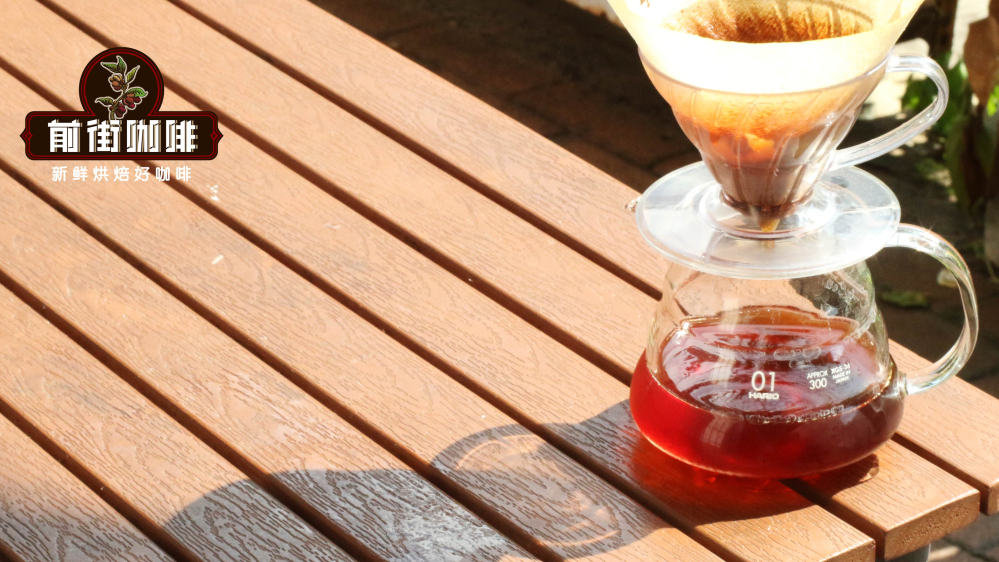
Although there are many coffee beans to choose from for cold brew, because it is slowly extracted under cold water, compared with hot pour-over, its flavor is ultimately relatively one-dimensional. Clever friends then thought of adding other ingredients to provide the coffee with some unique aroma, such as dried flower petals, which are deeply favored by many women.
Considering that cold brew involves few intervention factors and is soaked in a static environment throughout, if you want the fragrant scent to enter the coffee and give it a touch of freshness, it is best to choose types with obvious floral fragrance, such as osmanthus, jasmine, and rose. These three dried flowers are not only easy to obtain in daily life, but also have a higher compatibility with coffee flavor. However, although these dried flowers are full of aroma, their taste is rather thin, so it is best to brew them together with light-medium roasted coffee beans whose flavor profile points toward floral and fruity notes, so that the two can complement each other.
The above content is compiled by CoffeeHunters, a coffee news website.


