







Search Results for: Brewer Principles
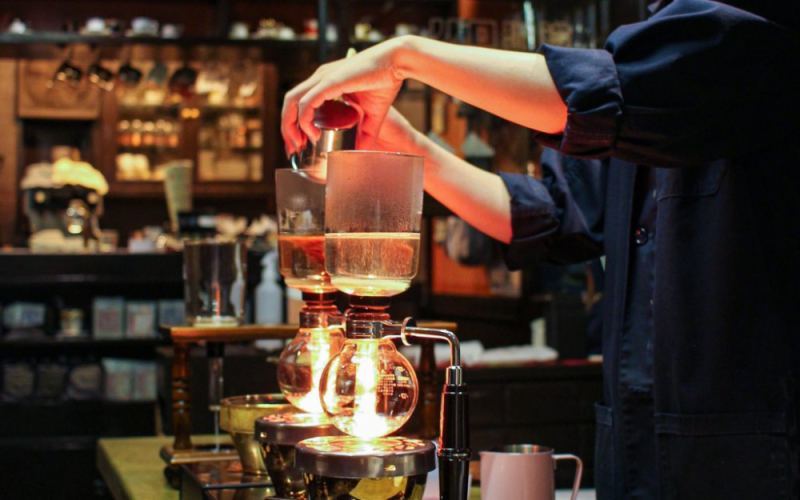
A Comprehensive Analysis of Siphon Coffee: From Extraction Principles to Brewing Details, Mastering the Key to Consistently Delicious Coffee
The siphon brewer, with its laboratory-equipment appearance and unique vacuum extraction method, has long been a favorite among coffee enthusiasts. It works by heating the lower chamber to generate steam pressure, pushing hot water up into the upper chamber to meet the coffee grounds; after the temperature drops, the pressure difference draws the coffee liquid back down into the lower chamber, resulting in a round, balanced cup. From the perspective of Front Street, this article systematically explains the siphon brewer's structural components, filtration and heating methods, grind size and coffee-to-water ratio, the timing for adding grounds, stirring techniques, and how to judge when to turn off the heat, along with a complete eight-step procedure to help you consistently brew a delicious cup of siphon coffee at home. [more…]
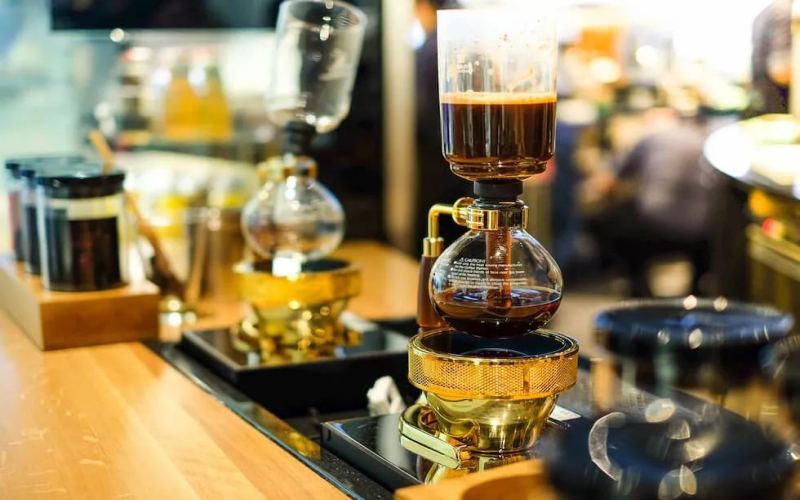
Detailed Siphon Coffee Brewing Steps: From Equipment Principles to Coffee-to-Water Ratio and Brewing Demonstration
With its unique appearance resembling chemical apparatus, the siphon pot carries a retro and mysterious style among many coffee brewing devices. For coffee professionals, the focus always remains on its operation method and the final flavor performance. This article will start with the structure and extraction principle of the siphon pot, explain in detail the choice of heat source and filter material, then use 18 grams of powder, a 1:10 coffee-to-water ratio, and 88°C water temperature as parameters to demonstrate the complete brewing process of siphon coffee step by step, and attach coffee bean recommendations suitable for siphon pots, including several classic single-origin coffees on the Front Street Coffee bean list, helping coffee lovers stably produce a cup of siphon coffee with rich aroma and mellow taste at home. [more…]
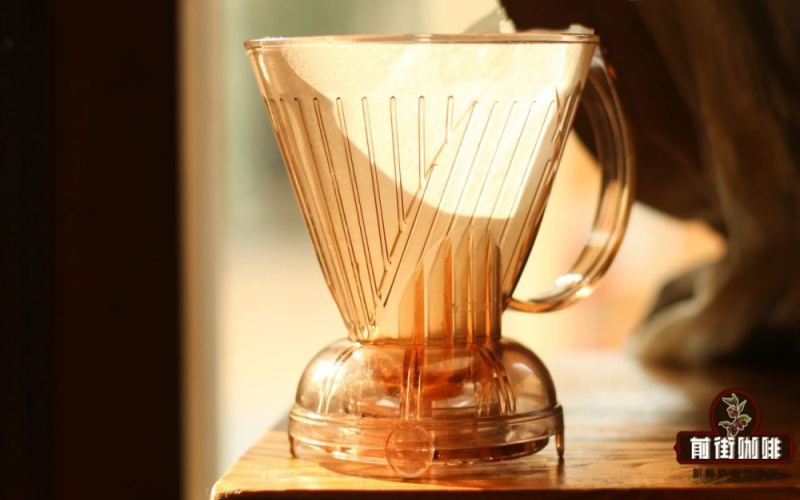
Clever Cup Pour-Over Coffee Beginner Tutorial: A Complete Guide to the Brewer's Principles, Brewing Parameters, and Step-by-Step Instructions
The Clever Cup is an ideal choice for many coffee beginners, combining the functions of both a dripper and an immersion brewer, with a low barrier to entry and consistent results. From the perspective of Front Street Coffee, this article systematically introduces the origins and naming of the Clever Cup, its core structure and working principle, and, using the Strawberry Candy Geisha Blend as an example, shares brewing parameters such as coffee dose, coffee-to-water ratio, water temperature, and grind size, along with the specific brewing process, helping coffee enthusiasts easily master the techniques for using this device and brew a full-flavored, clean-tasting cup of good coffee at home. [more…]
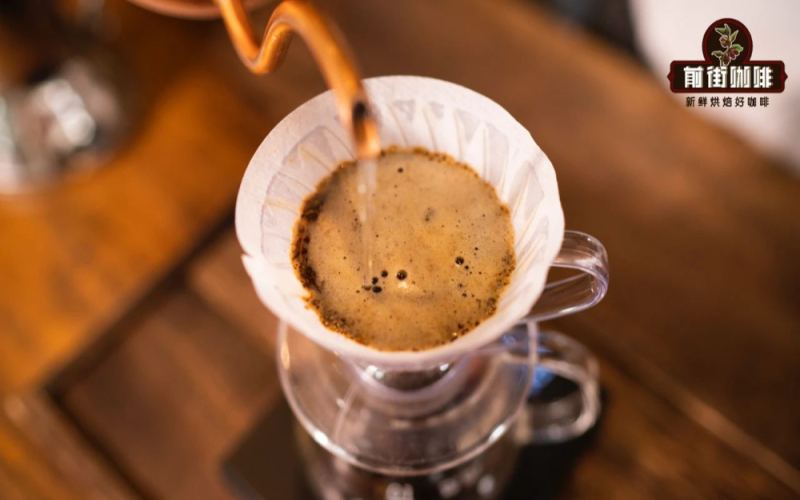
A Complete Analysis of the Brewing Differences Between Siphon and French Press: Extraction Principles, Taste Performance, and Buying Considerations
Front Street Coffee has introduced many coffee brewing methods in its daily posts. Among them, the French press is known for being easy to operate, while the siphon is often seen as daunting to beginners due to its complicated steps and strong sense of ritual. Although both are classified as immersion brewing, the coffee they actually produce differs noticeably in body, cleanliness, and flavor layering. Drawing on Front Street's hands-on experience, this article first explains the French press's structure, method of use, and parameter control, then explains how the siphon relies on thermal expansion and contraction to push hot water upward for constant-temperature immersion extraction, and finally compares the two in terms of taste and suitable scenarios, helping coffee enthusiasts make a choice based on their own needs. [more…]
Hario V60 vs Chemex Coffee Brewer Comparison: Extraction Principles, Design Features, and Brewing Method Recommendations
In the world of specialty coffee, the Hario V60 and the Chemex are two highly representative pour-over brewing devices. Although both fall under the drip category, their design philosophies and extraction logic are vastly different. With its 60-degree cone angle and spiral rib structure, the V60 gives brewers enormous room for adjustment, making it ideal for veterans chasing flavor complexity; the Chemex, by contrast, draws inspiration from laboratory glassware and, paired with its thicker filters, allows even beginners to easily achieve a clean, translucent cup. This article breaks down the differences between these two classic devices in detail—from their construction and extraction variables to flavor tendencies—and includes concise brewing recommendations to help you choose based on your own needs. Whether you prefer bright and crisp or rich and balanced, you'll find direction here. [more…]
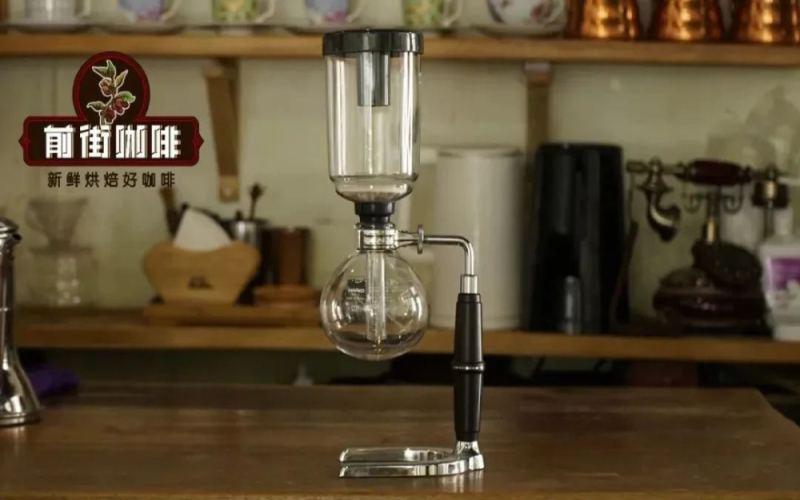
Siphon Coffee Brewing Tutorial: From Principles to Operational Steps, a Comprehensive Guide to Using a Siphon Brewer
The siphon pot, with its unique siphon principle and highly ceremonial operation, has always carried a sense of mystery in the hearts of coffee enthusiasts. Many people are deterred by it, believing that it has a high operating threshold and a cumbersome process, but in fact, as long as you master the core points, you can easily make a rich and full-bodied siphon coffee at home. Starting from the practice of Front Street Coffee, this article will systematically introduce the working principle, structural composition, filtration system, and complete method of use of the siphon pot, helping readers understand the differences in flavor expression between the siphon pot and pour-over coffee, and master the techniques for correctly operating this classic device. [more…]

A Complete Guide to Siphon Coffee Making: From Historical Origins to Bean Selection, Front Street Coffee Takes You Through the Charm of the Siphon Brewer
The siphon pot, also known as the vacuum pot, is a coffee brewing device that uses steam pressure and vacuum principles for extraction, with a long history and a unique flavor profile. Compared with pour-over, coffee brewed in a siphon pot has a fuller body and richer aroma, but the operating steps are relatively more complicated. This article will begin with the origin of the siphon pot, introduce in detail its structure, filtration system, and brewing method, and answer the question of what kind of coffee beans are suitable for brewing. Front Street Coffee will also share practical experience to help coffee lovers easily master this classic brewing method and enjoy the fun of DIY. [more…]
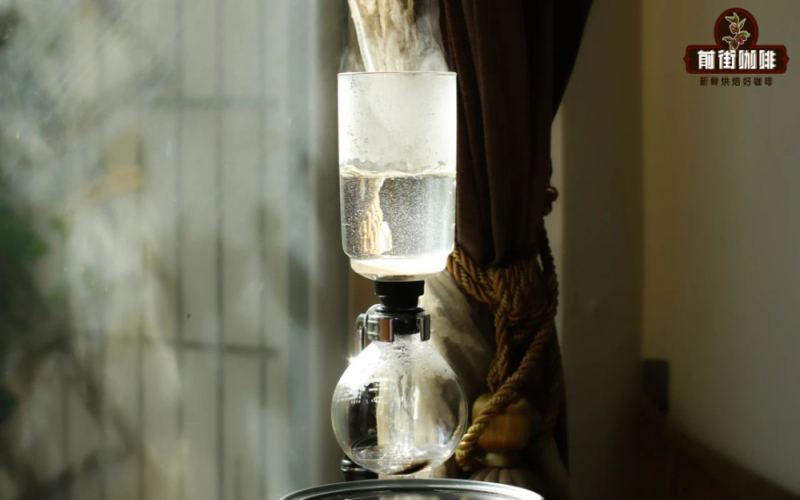
Siphon Coffee Brewing Practical Guide: Structure, Principles, Operating Steps, and Suitable Coffee Bean Selection
The siphon brewer carries a strong retro appeal, and today it is no longer a regular offering in many coffee shops, appearing more often as a specialty single-item brew. However, for siphon coffee enthusiasts, if you can't get it in a shop, you just do it yourself. This article covers the structure of the siphon brewer, cloth filters and paper filters, heat sources, timing of adding grounds, grind size, coffee-to-water ratio, stirring techniques, and how to determine when to end the brew, and uses an actual brewing process as an example to explain step by step how to make a cup of coffee with rich aroma and a full-bodied mouthfeel using a siphon brewer. It will also discuss the operational differences between siphon brewing and pour-over, as well as some of Front Street Coffee's insights on using this device. [more…]
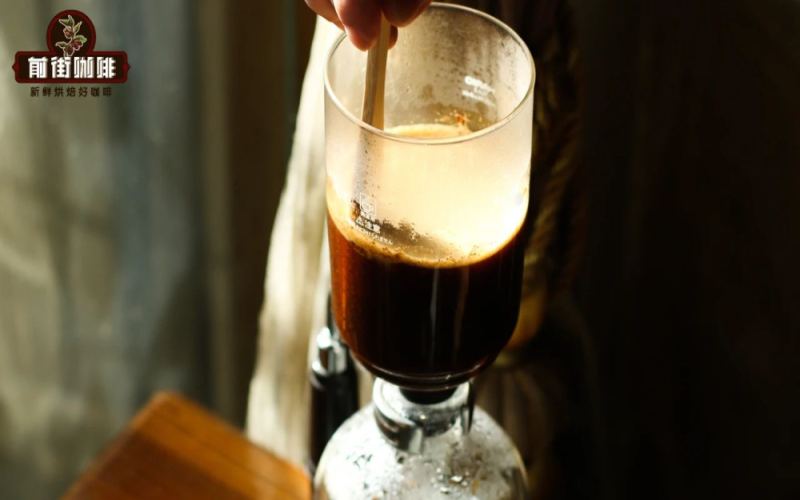
How to Choose the Grind Size for Siphon Coffee? A Detailed Explanation of Flavor Differences in Extraction with Different Grind Sizes
The siphon brewer, with its unique vapor pressure differential and siphon principle, has become a beloved brewing tool for many coffee enthusiasts. But whether the grind should be coarse or fine has always been a puzzling question for many. This article, from the perspective of Front Street, systematically introduces the structure and extraction mechanism of the siphon brewer, and focuses on comparing the effects of different grind sizes on coffee flavor, helping you find the parameters that suit you best in actual practice. Whether you are a beginner just getting to know the siphon brewer or a seasoned hand looking to refine your technique, you will find practical reference here. [more…]
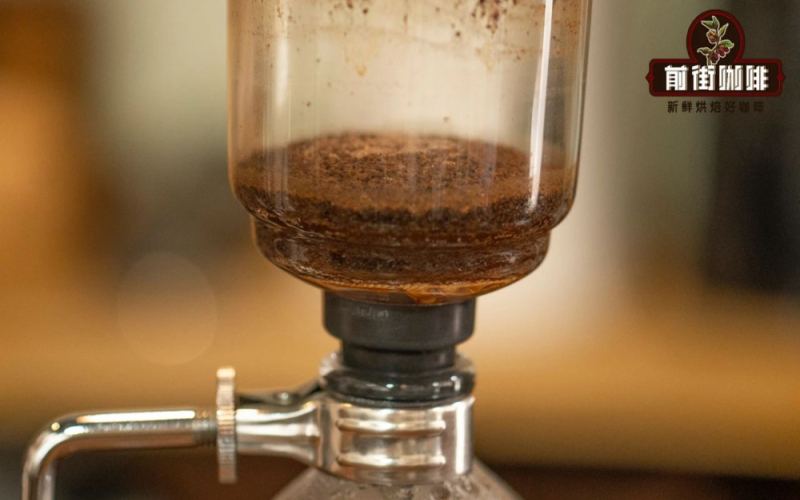
Siphon Coffee Brewing Temperature and Key Operating Points: A Comprehensive Analysis from Principles to Common Misconceptions
Although the siphon brewer involves many steps and takes a fair amount of time—keeping it from becoming as mainstream for daily use as pour-over—its unique visual performance and distinctive cup profile have truly won over a devoted group of enthusiasts. Today, Front Street Coffee will start with the operating principle of the siphon brewer to help you understand how thermal expansion and contraction drive extraction, then gradually sort through the pitfalls and dangerous practices that are easy to stumble into during use, so as to avoid pot-explosion accidents. At the same time, we will also explain the approach to temperature control during brewing, making the whole process both safe and fun, so you can easily make a cup of distinctive siphon coffee. [more…]

The Essence of Specialty Coffee: A Professional Interpretation and the Art of Balance from Green Beans to the Cup
The definition of specialty coffee goes far beyond the coffee beans themselves; it depends even more on whether the roaster and brewer can interpret the characteristics of each bean from a professional perspective. This article explores the core of specialty coffee in depth: from green bean varieties, processing methods, and moisture content to roasting curves, and then to the precise control of extraction parameters, emphasizing that only by fully understanding and accommodating the personality of the coffee beans can one present a cup of specialty coffee with balanced flavor and no jarring notes. Whether Robusta or Arabica, as long as the strengths are properly showcased, either can become specialty. The article also points out that blindly following brewing trends or ignoring basic extraction principles cannot achieve true specialty coffee. [more…]
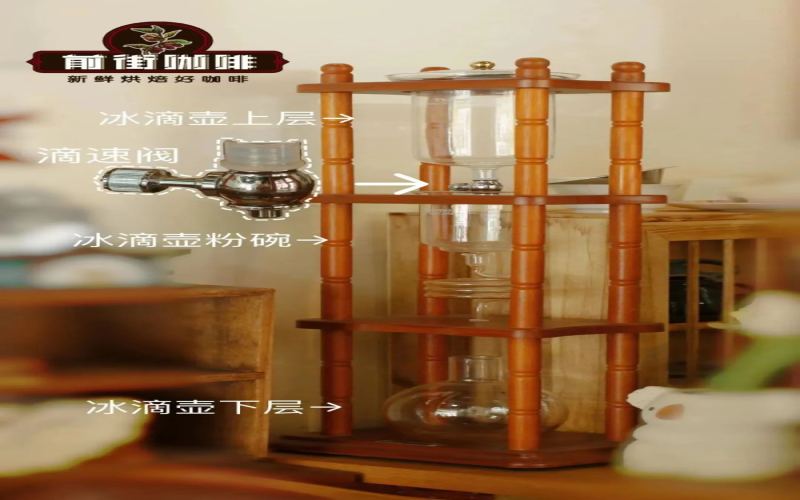
Cold Brew Drip Coffee Maker Practical Guide: From Extraction Principles to Coffee Bean Selection and Refrigeration Storage Tips
With its pure, smooth taste and unique fermented aroma, cold drip coffee has become a highly favored coffee beverage in summer. Starting from the hands-on practice at Front Street Coffee's stores, this article systematically sorts out the differences between cold drip and cold brew, the assembly structure of a cold drip tower, and the methods for setting grind size and drip rate. It also recommends three coffee beans suitable for making cold drip, and finally explains the optimal refrigeration period and flavor change patterns of cold drip coffee, helping enthusiasts recreate a cup of richly layered cold drip coffee at home. [more…]
The Complete Guide to Siphon Coffee Brewing: From Extraction Principles to Step-by-Step Instructions
The siphon brewer, with its laboratory-instrument appearance and unique vacuum extraction method, has long been favored by coffee enthusiasts. It first appeared in Europe, where a French woman named Marie Fanny Amelne Massot registered a trademark for it, and its classic spherical design established its iconic status among coffee brewing devices. This article will begin with the extraction principle of the siphon brewer, systematically introduce the device's structure, filtration system, and heat source selection, then move on to key steps such as coffee grind size, timing of adding coffee grounds, stirring technique, and judging when to turn off the heat, and finally provide a complete eight-step operating procedure. Front Street Coffee recommends using medium-roast beans such as Huilan, Bird of Paradise, Diamond Mountain, and Queen's Estate to highlight the rich, full-bodied flavor characteristics of siphon coffee. [more…]
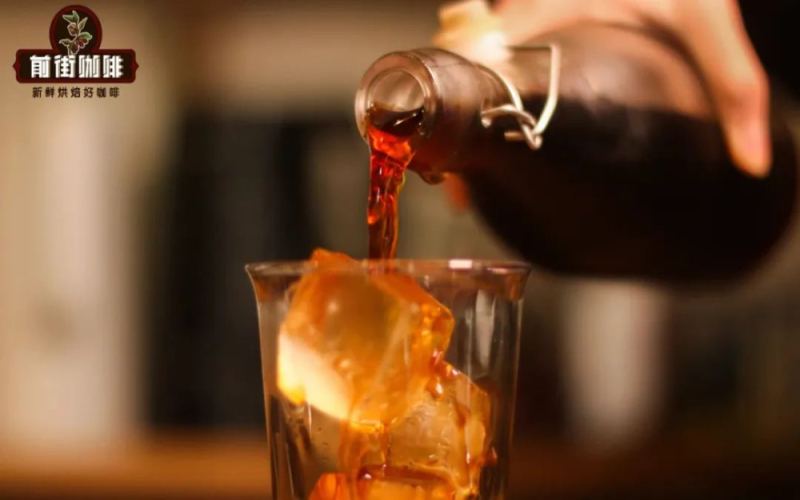
Making Cold Drip Coffee Without a Cold Drip Brewer: A Complete Guide to Choosing the Right Dose for Your Filter and Building a Simple DIY Cold Drip Setup
Want to enjoy a refreshing glass of cold brew coffee but don't want to buy an expensive cold drip tower just for that? In fact, you can rig up a simple cold drip setup using the coffee gear you already have on hand. This article starts from Front Street's hands-on experience, breaks down the structural principles of a cold drip tower, shows how to replace the original equipment with a V60 dripper, a flat-bottom dripper, and a server, and explains in detail every step of the process: distributing the grounds, pouring water, adding ice, and cold-brewing in the fridge. It also covers how the size of the dripper affects your choice of coffee dose, and the key role that ice cube size plays in the extraction, so you can easily make a full-flavored cold brew coffee at home. [more…]
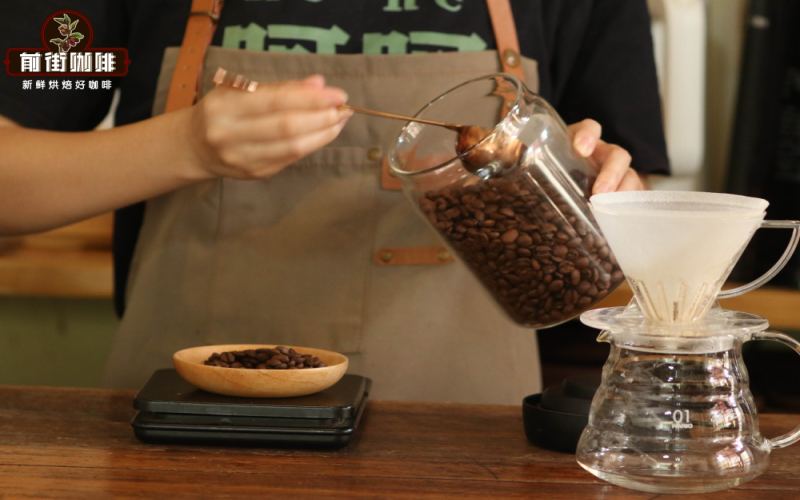
Comparative Analysis of the Extraction Principles and Flavor Profiles of Siphon and Pour-Over Brewers
Pour-over and siphon are two common specialty coffee brewing methods. Although both can express a coffee's terroir, their different extraction principles and filtration media mean the final cup emphasizes different aspects of taste. This article systematically compares siphon and pour-over brewers, from their historical origins and brewing principles to operating parameters and actual tasting. Pour-over uses paper filtration, giving a clean flavor with rich layers; siphon relies mainly on immersion and flannel filtration, producing a full-bodied, balanced taste. The article also uses Front Street Yemen Mocha brewed both ways, with specific parameters and flavor descriptions, to help coffee lovers more intuitively understand the differences between the two and find a brewing style that suits them. [more…]
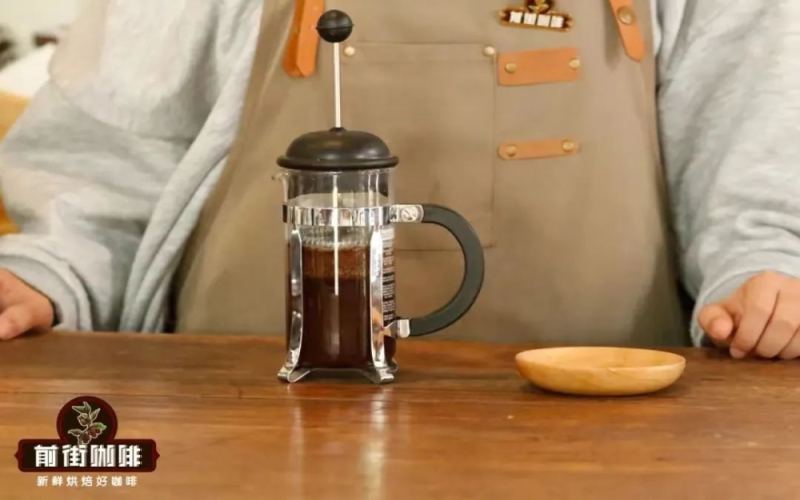
How Does Brewing Yirgacheffe in a French Press Taste? Front Street Coffee Beans Hands-On Demonstration and Analysis of Six Types of Home Coffee Brewing Methods
To easily make a cup of rich, full-bodied coffee at home, the French press is an essential entry-level tool. By fully immersing the coffee and separating it with a metal filter, it retains almost all the extractable flavor compounds, resulting in a fuller mouthfeel than paper-filter pour-over. This article first systematically outlines the principles and characteristics of six common brewing devices: the drip brewer, American electric coffee maker, French press, siphon, moka pot, and espresso machine. Then, using a light-to-medium roasted Yirgacheffe from a high-altitude Ethiopian region as an example, it provides specific French press parameters for Front Street Coffee beans, along with water-pouring and stirring techniques, and describes the floral notes, citrus acidity, creamy sucrose sweetness, and black tea finish presented in the final cup. [more…]
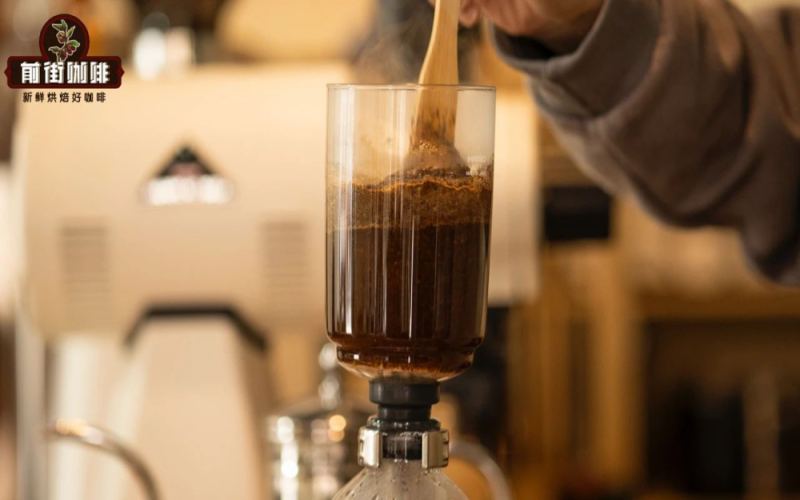
An In-Depth Analysis of the Pros and Cons of Siphon Coffee Brewing and a Sharing of Practical Operating Experience
With its unique design and ritualistic operation, the siphon brewer has become a favorite among many coffee enthusiasts. Brewing coffee with a siphon can both highlight the distinctive characteristics of single-origin beans and deliver a rich, full-bodied taste. Because of the heat source, the coffee undergoes changes through high, medium, and low temperatures during brewing, revealing layered and complex flavors. However, various questions can arise in practice. Today, Front Street Coffee will talk with you about extraction insights for this cool piece of equipment, from principles to bean selection, helping you gain a more comprehensive understanding of the pros and cons of the siphon brewer. [more…]
Analysis of Cold Brew Coffee Extraction Principles and Flavor Characteristics, with Equipment Operation Steps and Usage Precautions
Cold brew coffee uses cold water at 5°C, slowly dripping through the coffee grounds over several hours of extraction, yielding a coffee liquid with rich aroma, a round and smooth mouthfeel, full body, and particularly outstanding flavor expression. Its greatest advantage is that it is neither sour nor astringent and does not irritate the stomach, which is thanks to the choice of dark-roasted coffee beans and the entire cold-water extraction process, avoiding the astringent substances released by hot water at high temperatures. This article will provide a complete introduction to the key points of making cold brew coffee, from the principles and characteristics, the use of equipment, precautions, to the specific production process of the Dutch-style drip brewer, helping coffee enthusiasts make the ultimate 100% original-flavor water-drip coffee at home. [more…]
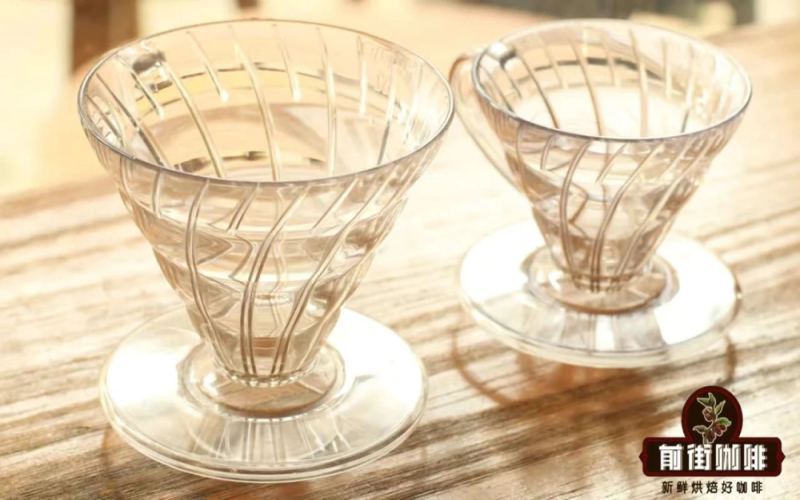
Hario V60 Dripper: Construction Principles and Pour-Over Techniques: A Complete Analysis from Design Logic to Practical Parameters
The V60 dripper, with its distinctive spiral ribs and large outlet hole, has become the go-to device for many coffee enthusiasts. Its conical structure stems from Hario's thinking on extraction efficiency: the 60-degree cone angle paired with spiral vent grooves not only speeds up the flow rate but also extends the water's path, subjecting the coffee grounds to more concentrated pressure and extracting layered, well-defined flavors. Drawing on Front Street Coffee's daily brewing experience, this article sorts through the V60's design origins, material differences, and brewing key points, and uses a three-pour method with 15 grams of coffee and a 1:15 coffee-to-water ratio as an example to break down blooming, pouring, and timing control in detail, helping you consistently reproduce a balanced, mellow pour-over coffee at home. [more…]
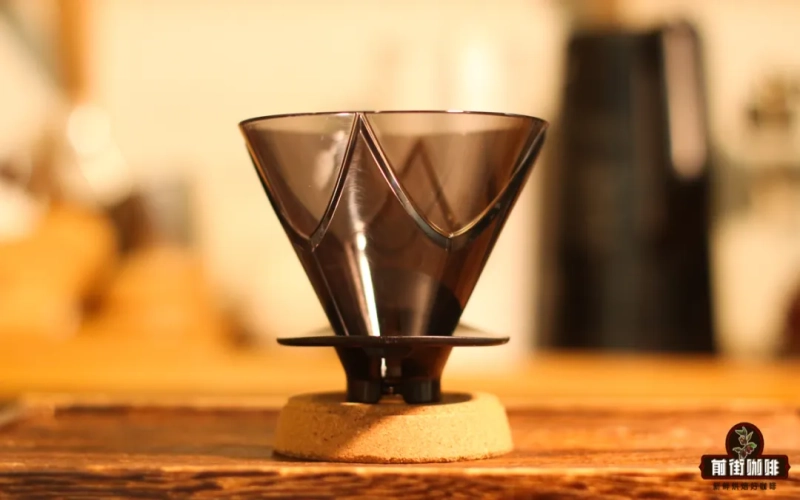
Why is the Hario V60 Infinite Cross Star Dripper called the Coffee Clever Cup? Key Points for Beginners Choosing a Dripper
Among the many pour-over drippers, the Hario Mugen dripper stands out with its unique inner wall design, and has even earned the nickname "the Clever Dripper of drippers." It shares the same lineage as the classic V60, yet takes a completely different extraction path—the V60 is known for its extreme flow rate, while the Mugen dripper goes the opposite way, using a ribless structure to create an extremely slow flow rate, keeping the coffee in a state of immersion throughout. How exactly does this design affect flavor? Why is it easier for beginners to master? This article will break down the structural principles of the Mugen cross-star dripper, its flow rate performance, and its similarities and differences with the Clever Dripper, while also offering practical dripper selection advice for those just getting started. [more…]