







Search Results for: Bourbon Variant
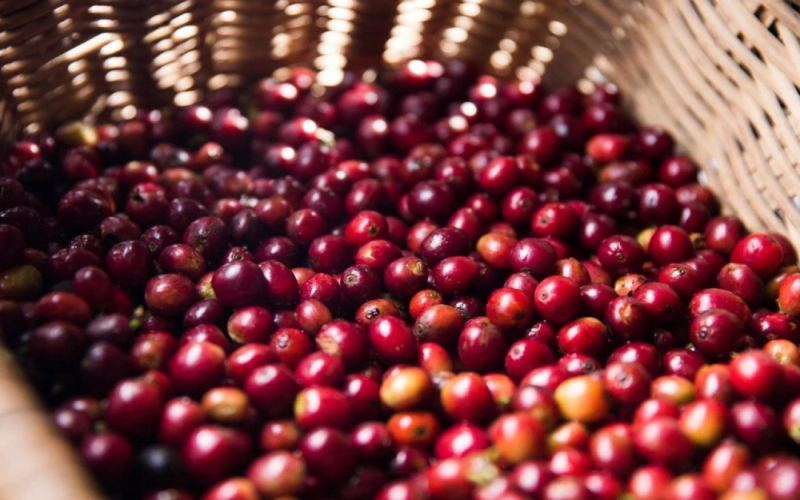
A Complete Guide to Coffee Bean Varieties: A Flavor Map from Typica and Bourbon to Caturra, Maragogype, and Geisha
The world of coffee is far richer than we imagine. From the two main commercial species, Arabica and Robusta, to classic derivative varieties such as Typica, Bourbon, Caturra, and Maragogype, and on to the Geisha that has been so highly sought after in recent years, every variety carries a unique story of terroir and genetics. This article systematically sorts out the classification system of coffee varieties, explains in detail the origin, characteristics, and flavor performance of each variety, and includes Front Street Coffee's recommended tasting guide to help coffee lovers find their own cup among the dazzling array of beans on the menu. [more…]
Coffee Bean Variety Guide: Origins and Flavor Profiles of 11 Common Beans Including Typica, Bourbon, and Maragogipe
In the world of coffee, the two great camps of Arabica and Robusta support the daily cup for the vast majority of people, but what truly makes flavors endlessly varied are those ancient names hidden within the variety pedigree: Typica, Bourbon, Maragogype, Caturra, Mundo Novo... They either originate from the primitive forests of Ethiopia or were born from laboratory hybrid breeding, and each one carries a unique origin story and flavor imprint. This article systematically sorts out 11 of the most common coffee bean varieties, from botanical classification to cupping performance, from the elegance of Typica to the sweetness of Bourbon, from the huge size of Maragogype to the floral and fruity aromas of Geisha, breaking down their characteristics, producing regions, and representative beans one by one. Whether you are a pour-over enthusiast or an espresso player, this is a variety guide worth keeping. [more…]
A Complete Guide to Coffee Variety Classification and Flavor Profiles: From Arabica and Robusta to the Typica and Bourbon Families
Coffee is no longer just a pick-me-up; it is a lifestyle. Yet, faced with shelves overflowing with coffee beans, do you truly understand the differences between the varieties behind them? There are over 500 species of coffee trees worldwide, with Arabica and Robusta dominating commercial cultivation. From the native Typica of Ethiopia, to the Bourbon that mutated after being transplanted to Yemen, and to the Geisha that has taken the specialty coffee scene by storm in recent years, each variety displays distinctly different aromas and flavors due to differences in genetics and terroir. This article systematically sorts out the genealogical threads of coffee varieties, explains in detail the flavor divide between Arabica and Robusta, and introduces one by one the characteristics of Typica, Bourbon, and their many mutations and hybrid varieties. At the same time, by combining the flavor expressions of representative products under the Front Street Coffee brand such as Blue Mountain, Mandheling, Kona, and Pink Bourbon, it will guide you in building a complete cognitive map of coffee varieties. [more…]
Brazilian Yellow Bourbon Coffee Beans: A Comprehensive Analysis of Flavor Characteristics, Mouthfeel, and Aroma
The Bourbon family occupies an important position in the genealogy of coffee varieties. From Kenya's SL series to Brazil's Yellow Bourbon, Caturra, and Pacas, each variant has its own unique origins and flavor expression. Among them, Yellow Bourbon, which is unique to the state of São Paulo, Brazil, has become a highly watched variety in the specialty coffee world thanks to its standout results in the Cup of Excellence (CoE) competitions. This article will systematically sort out the origins and evolution of the Bourbon family, focusing on the variety characteristics and growing-region profile of Brazilian Yellow Bourbon, and present Front Street Coffee's recommended Queen Estate Yellow Bourbon natural batch, analyzing its balanced sweetness, creamy smoothness, and flavor profile woven together with orange, apricot, and chocolate caramel. [more…]
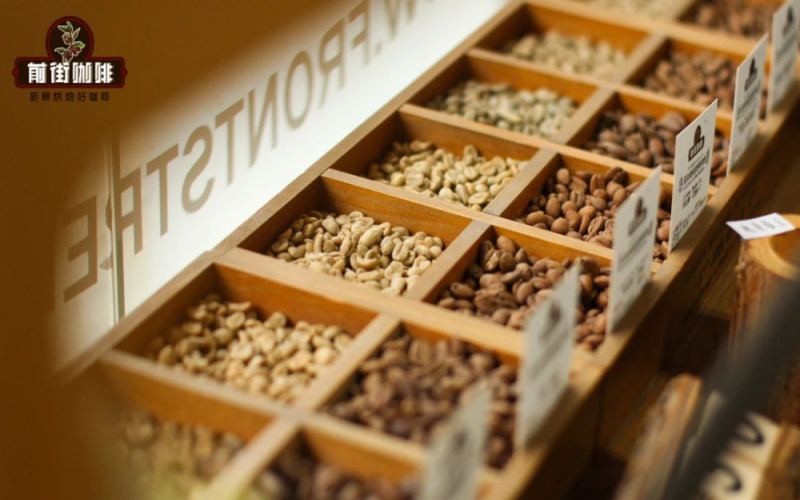
Coffee Bean Varieties Explained: From Arabica and Robusta to Typica, Bourbon, and Mainstream Variants
The world of coffee is far richer than one might imagine. From the two main species, Arabica and Robusta, to Typica, Bourbon, and their many genetic mutations and hybrid varieties, every type of coffee bean has its own unique origin story, flavor profile, and suitable growing environment. This article systematically sorts out the origins and characteristics of common coffee varieties, including well-known coffees such as Blue Mountain, Mandheling, Kona, and Geisha, as well as improved varieties like Caturra, Catuai, Pacas, and SL28, helping coffee enthusiasts build a complete framework of variety knowledge and have clearer direction when purchasing and tasting. [more…]
There are over five hundred species of coffee trees worldwide, with subdivided varieties numbering as many as six thousand. Faced with such a dazzling array of coffee beans, many enthusiasts often recognize only the two major names, Arabica and Robusta, while having only a vague understanding of the family lineage behind them. This article systematically sorts out the complete脉络 of coffee varieties: first introducing the four major coffee tree species and their commercial value, then explaining in detail the two main lines under Arabica—Typica and Bourbon—as well as the common variants derived from them such as Mandheling, Blue Mountain, Kona, Maragogype, Pacamara, Caturra, Catuai, and Geisha, and finally supplementing with interspecific hybrid varieties of Arabica and Robusta. Whether you are a beginner just starting out or a seasoned player looking to refine your cupping knowledge, this lineage chart can help you build a clear framework for understanding coffee varieties. [more…]
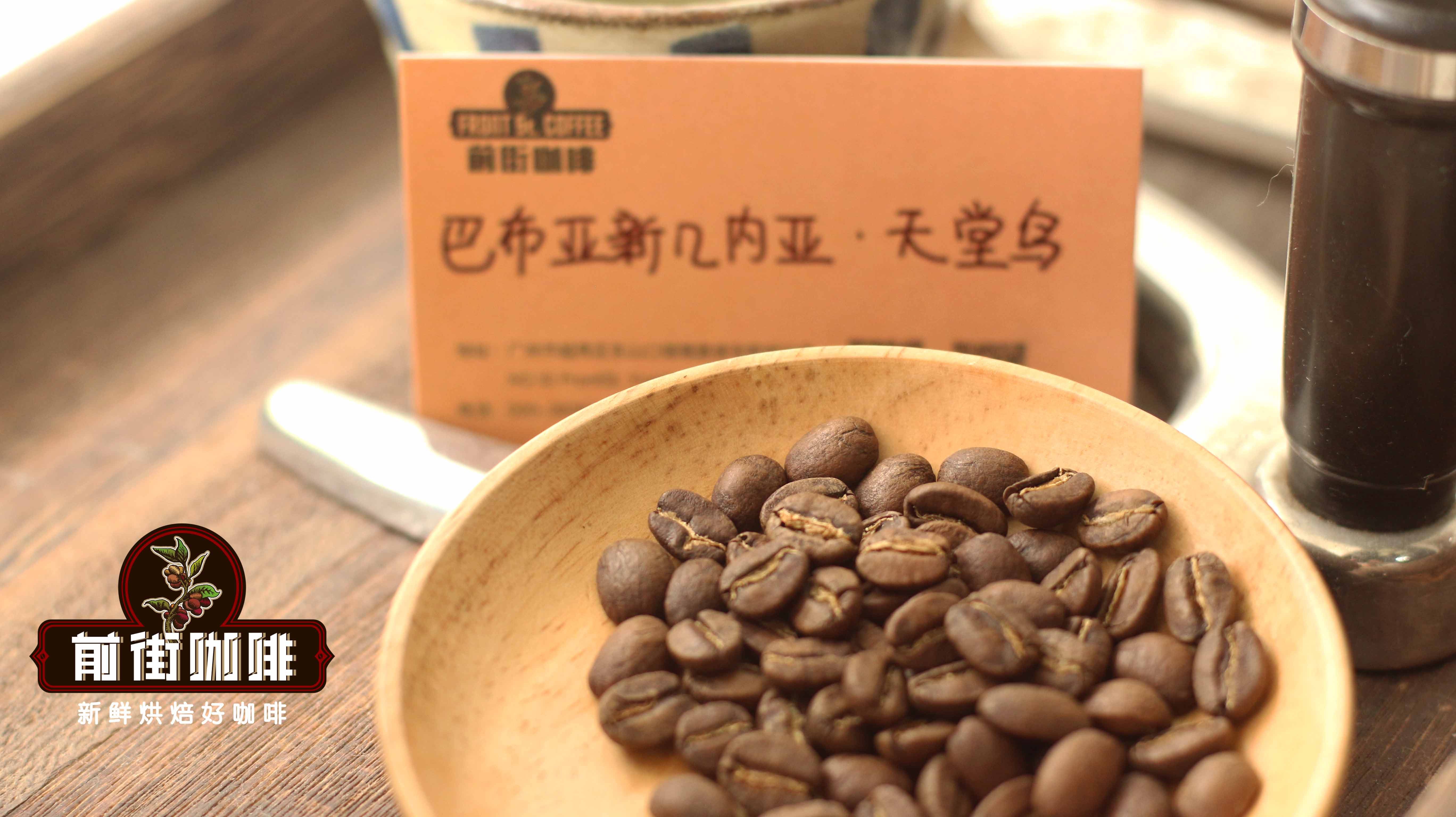
A Complete Global Guide to Coffee Varieties: Flavors, Characteristics, and Processing Methods from Arabica to Robusta
The coffee world is far more diverse than one might imagine. From a biological perspective, coffee is mainly divided into three major categories: Arabica, Robusta, and Liberica, with the first two accounting for the vast majority of global production. Arabica is known for its balanced flavor and elegant aroma, and is often used for single-origin and specialty coffee; Robusta, with its strong acidity and rich body, is an important ingredient in espresso blends and instant coffee. Beneath this, varieties such as Typica, Bourbon, Caturra, and Geisha each have their own characteristics, with flavors ranging from nutty chocolate to floral and fruity notes. In addition, green bean processing methods such as natural, washed, honey, and wet-hulled also profoundly affect the final acidity, sweetness, and body of a cup of coffee. This article will systematically sort out the origins, characteristics, and flavor expressions of the world's major coffee varieties, helping coffee enthusiasts build a complete framework of variety knowledge. [more…]
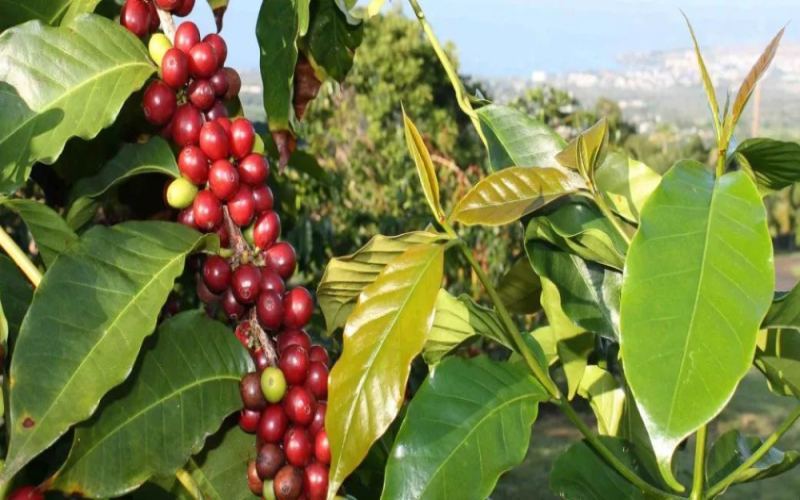
Caturra Coffee Bean Flavor Analysis: Taste Characteristics and Brewing Suggestions of a Single-Gene Bourbon Variant
Caturra is an important single-gene mutation within the Bourbon family, and thanks to its exceptional adaptability and high-yield characteristics, it has become a leading variety in coffee-producing countries across Central and South America. From its discovery in Brazil to widespread cultivation in Colombia and Costa Rica, Caturra occupies a key position in the specialty coffee landscape. This article provides a detailed overview of Caturra's origins, spread, and flavor profile, and, drawing on Front Street Coffee's cupping experience, analyzes the taste differences under natural and washed processing. It also introduces the producing region information, flavor description, and brewing parameters of Front Street Coffee's Colombia Huila staple beans, offering coffee enthusiasts practical references for tasting and brewing. [more…]
Pacamara Coffee Full Analysis: Hybrid Lineage, Maragogype Genes, and the Road to Cup of Excellence Glory
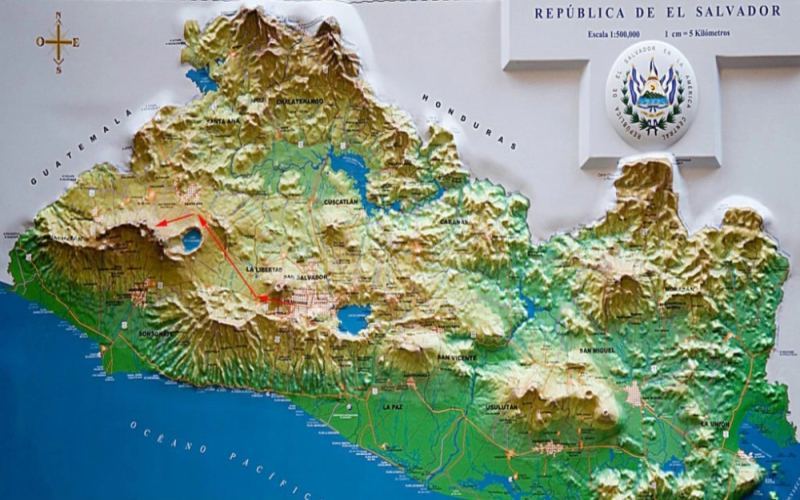
Pacamara is a hybrid variety born in 1958 at the Salvadoran Coffee Research Institute, created by crossing the Bourbon variant Pacas with the Typica variant Maragogipe (Elephant Bean). It inherited the large-bean genes of the Elephant Bean, but because its beans were too large, green bean processing became difficult and yields were low, leaving it dormant for nearly half a century. It was not until 2007 that Pacamara won dual championships at the Cup of Excellence in Guatemala and Honduras, and swept the top three places in El Salvador, defeating many Geisha coffees in one stroke, and has since been hailed as the "Geisha rival." This article will guide you through Pacamara's complex lineage, processing challenges, and how it rose to the specialty coffee stage with its rich and varied flavors. [more…]
Coffee Encyclopedia: From Typica to Bourbon, Tracing the Genetic Evolution and Flavor Differences of Ancient Coffee Varieties
The coffee world boasts a vast array of varieties, but what truly laid the foundation for specialty coffee are those ancient native species and their derived mutations. Starting from the classic SCAA classification, this article traces the origins of the two foundational varieties, Typica and Bourbon, along with their representative descendants born from natural mutations and artificial hybridization—from Pointed Bourbon, Maragogipe, and Geisha, to Caturra, Pacas, Pacamara, and more. The article not only introduces the bean characteristics, flavor profiles, and cultivation traits of each variety, but also reveals the inseparable relationship between genetic mutations and regional conditions, helping coffee enthusiasts build a systematic understanding of coffee varieties. [more…]

A Comprehensive Guide to Specialty Coffee Varieties: Flavors and Origins from Typica and Bourbon to Hybrid Cultivars
There are at least a hundred varieties under the Coffea genus, but the ones that truly fall within the specialty coffee category are mainly carefully cultivated high-altitude Arabica. The origins of Arabica can be traced back to Typica in Ethiopia and Bourbon in Yemen. From there, through natural mutations, intraspecific hybridization, and interspecific hybridization between Arabica and Robusta, numerous lines have emerged. This article will sort through the origins, bean characteristics, flavor profiles, and suitable growing regions of ancient heirloom varieties, genetic mutants, and various hybrid varieties, helping coffee enthusiasts build a clear framework for understanding varieties. [more…]
Bourbon Coffee Basics Explained: The Origins, Variety Characteristics, and Flavor Profile of Yellow Bourbon
Yellow Bourbon is a unique variant of the Bourbon family. Its fruit does not turn red when ripe but remains yellow. It is widely cultivated in Brazil, and under high-altitude natural processing it often presents a sweet, smooth fruity sweetness with nutty and chocolate notes. This article begins with the origin of the Bourbon species, sorts out the genetic relationships among Yellow Bourbon, Typica, and Red Bourbon, and introduces the taste characteristics of Front Street Coffee's Yellow Bourbon coffee, giving you a comprehensive understanding of this outstanding coffee variety. [more…]
A Complete Analysis of Bourbon Coffee Varieties: From Historical Spread to the Flavors of Red, Yellow, Pink, Pointed Bourbon, and Pacas Mutants
Bourbon coffee is one of the oldest varieties in the Arabica family, originating from Réunion Island and enjoying equal fame with Typica. Its cherries ripen to a bright red, and when grown at high altitudes it offers elegant aromas, bright acidity, and often a vinous character. Over centuries, Bourbon spread from the Indian Ocean to Brazil, Central and South America, and Africa, giving rise to numerous variants such as Yellow Bourbon, Pink Bourbon, Pointed Bourbon, and Pacas. This article traces the historical spread of Bourbon, explains the origins, cultivation status, and flavor characteristics of each variant, and retains relevant recommendations from Front Street Coffee, offering a comprehensive look at this classic coffee species. [more…]
A Complete Guide to Coffee Bean Varieties: From Typica to Hybrids, Understanding the Family Tree and Flavors of Specialty Coffee in One Article
The coffee plant family is vast, with over a hundred known species, but the ones that truly take the stage in specialty coffee are mainly Arabica and its many derived varieties. From the ancient Typica of Ethiopia, to the Bourbon mutation of Yemen, to the pointed Bourbon born in laboratories, and the Geisha that has dominated cupping competitions in recent years, behind each variety lies a story of migration and domestication. This article systematically organizes coffee's botanical classification, the origins and flavor characteristics of major varieties, and explains in detail the differences between genetic mutations, intraspecific hybrids, and interspecific hybrids, helping coffee enthusiasts build a complete framework for understanding varieties. The article also specifically points out that even the same variety can perform vastly differently on different estates, which is one of the reasons specialty coffee emphasizes traceability of origin. [more…]
Analysis of Coffee Variety Structure in Yunnan: Distribution and Characteristics of Typica, Bourbon, and Catimor
Yunnan, as China's core coffee-producing region, has always been a topic of interest among coffee enthusiasts when it comes to the composition of its planted varieties. Currently, Yunnan coffee is not a single variety, but is mainly composed of three major categories: Typica, Bourbon, and Catimor. Among them, Catimor has become the main force due to its disease resistance and high yield, while Typica and Bourbon remain in localized areas such as Baoshan. Although these three varieties all belong to the Arabica species, they differ significantly in flavor, yield, and maintenance difficulty. This article will provide a detailed review of their origins, characteristics, and production area distribution, and explore the genetic connections between Yunnan small-bean coffee and famous varieties such as Blue Mountain and Kona. Front Street Coffee will also combine the current situation of the production area to interpret for you the flavor logic behind the varieties. [more…]
Origins of the Pacamara Coffee Variety, Flavor Differences Across Producing Regions, and Front Street Brewing Parameters Explained
Pacamara is a hybrid variety that originated in El Salvador in 1958, produced by crossing the Bourbon variant Pacas with the Maragogipe (elephant bean). It combines a large bean size, bright acidity, and full-bodied sweetness. This article will outline the breeding history and physical characteristics of this variety, compare the flavor differences of Pacamara from three producing regions—Guatemala, Nicaragua, and El Salvador—and share Front Street Coffee's V60 brewing parameters and flavor performance, helping coffee enthusiasts gain a comprehensive understanding of this star bean variety that has frequently appeared in cupping competitions in recent years. [more…]
A Complete Guide to Arabica Coffee Varieties: Characteristics and Identification of Common Beans Such as Typica, Bourbon, and Geisha
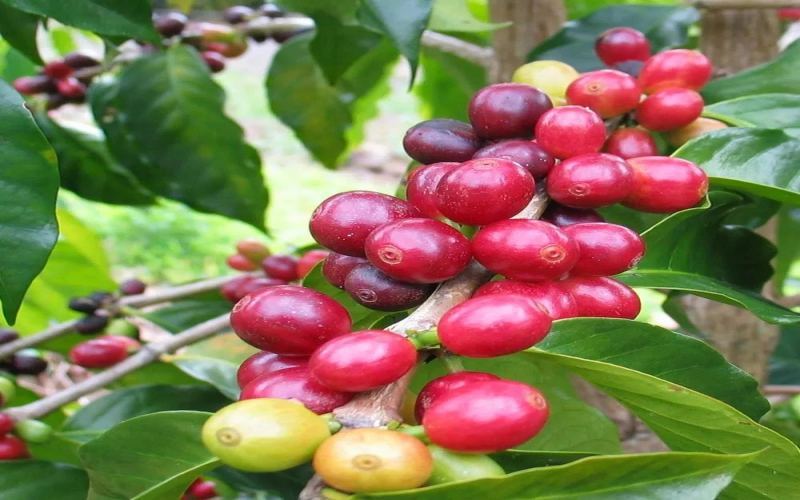
Arabica, the most widely cultivated coffee species in the world, has given rise to numerous sub-varieties such as Typica, Bourbon, Geisha, and Caturra, each differing noticeably in plant morphology, bean characteristics, and cup profile. This article systematically sorts out the classification and identification points of major Arabica varieties from the perspectives of origin, botanical characteristics, and bean shape identification, while combining Front Street Coffee's brewing and purchasing suggestions to help coffee enthusiasts more clearly understand the coffee beans they encounter in daily life. [more…]
Is Pink Bourbon really a Bourbon? One article to understand the origins, flavor characteristics, and pour-over performance of Pink Bourbon
Bourbon is one of the important parent species of Arabica coffee, derived from Typica, and is now widely cultivated in Central and South America. Besides the common Red Bourbon, there is also Yellow Bourbon, which turns orange-yellow when ripe, and the rarer Pink Bourbon. Is Pink Bourbon actually a Bourbon? What theories exist about its genetic origins? What is special about its flavor? This article will start with the origin and spread of Bourbon, sort out the differences between Red Bourbon, Yellow Bourbon, and Pink Bourbon, and introduce the Brazil Queen Estate Yellow Bourbon coffee beans recommended by Front Street Coffee, including the producing region, processing method, flavor description, and pour-over parameters, to help coffee lovers fully understand this rare variety. [more…]
Tracing the Origin of Pink Bourbon Coffee Beans and Analyzing Their Pour-Over Flavor: A Rare Taste from Gene to Cup
The Bourbon variety evolved from Typica and, after being introduced to Brazil, gradually spread across Central and South America. With its relatively strong resistance to leaf rust and its delicate, sweet flavor at high altitudes, it became an important variety in the region. In addition to the common Red Bourbon, the state of São Paulo in Brazil also gave rise to Yellow Bourbon, whose fruit skin turns orange-yellow when ripe, while Pink Bourbon is even rarer. This article traces the origins and varietal characteristics of Bourbon, with a focus on the Brazilian Queen's Farm Yellow Bourbon recommended by Front Street Coffee, and shares its hand-brewing parameters and flavor performance under natural processing and a medium-dark roast. [more…]
Costa Rica Tarrazú Cañet Estate Bach Coffee Beans: A Complete Guide to Raisin Honey Processing Flavor, Roasting, and Brewing
Costa Rican coffee has always been known for combining sweetness with strength, and honey processing takes that sweetness to the extreme. This article takes you into Canet Estate in the Tarrazu region to learn the story behind Bahia coffee beans—from the history of Costa Rican coffee and the terroir conditions of the Tarrazu region, to the micro-lot management of Canet Estate, and then to the varietal characteristics of the Bourbon-derived Caturra and Yellow Catuai. You will see how raisin honey processing retains 100 percent mucilage with zero water processing, and how Front Street Coffee designs the roasting curve for this double-fermented bean, bringing out the fermented rice wine aroma, tropical fruit, berries, and caramel finish through cupping and V60 brewing. [more…]