







Search Results for: Blue Mountain Blend
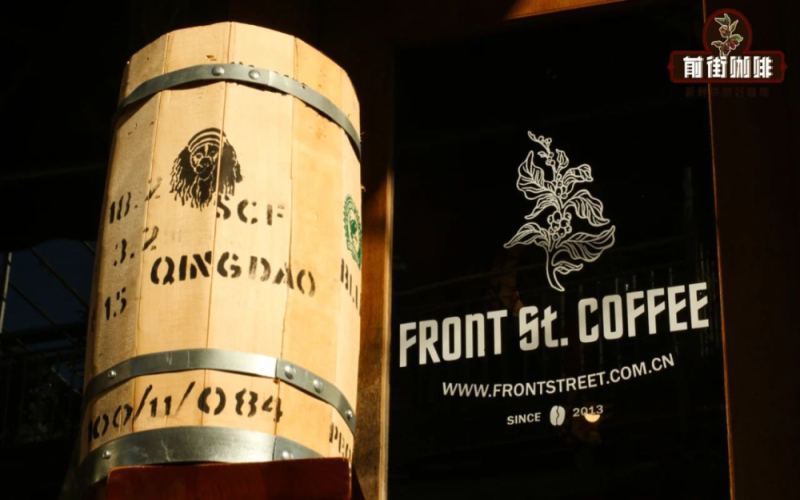
The Blending Principles of Blue Mountain Blend Coffee Beans and a Detailed Explanation of Blue Mountain Flavor Ratios
Blue Mountain coffee is renowned worldwide for its rarity, preciousness, and exceptional flavor, but products labeled "Blue Mountain flavor" or "Blue Mountain blend" keep flooding the market. How exactly should genuine Blue Mountain coffee be blended? What is the ratio for Blue Mountain flavor coffee? This article will take an in-depth look at the blending logic behind Blue Mountain blended coffee beans, while also introducing you to the origin story, variety characteristics, grading standards, and brewing parameters of Front Street Coffee's Blue Mountain coffee, giving you a comprehensive understanding of this coffee hailed as "as precious as a gem." [more…]
What Is the Difference Between Blue Mountain Blend and Blue Mountain Flavor? A Complete Guide to Jamaican Blue Mountain Coffee Bean Blending Methods and Authenticity Verification
The world-renowned Jamaican Blue Mountain coffee has won over countless coffee lovers with its exquisite balance of acidity, bitterness, aroma, body, and sweetness. However, products labeled "Blue Mountain" on the market are a mixed bag—some are genuine specialty coffees from Jamaica's Blue Mountain range, while others fall under easily confused concepts like "Blue Mountain Blend" and "Blue Mountain Flavor." This article will start with the definition of Blue Mountain Blend, clarify its essential differences from Blue Mountain Flavor coffee, and then take a deep dive into the history of Clifton Farm in the core Blue Mountain producing region, its washed processing method, green bean grading standards, cupping flavor performance, and practical brewing parameters. Finally, it will include several key methods for identifying authentic Blue Mountain coffee to help you make more accurate judgments when purchasing. [more…]
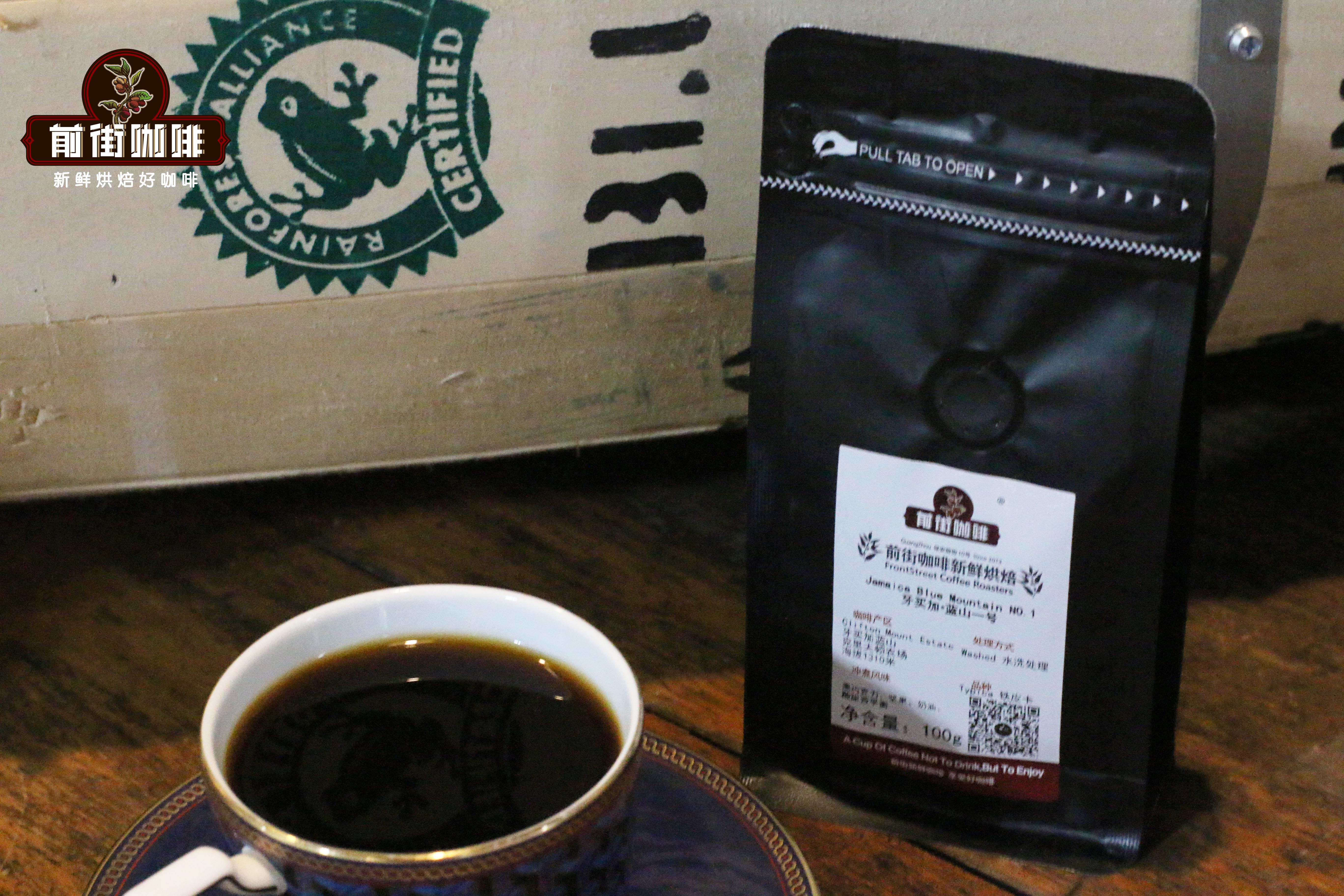
What exactly does Blue Mountain blend coffee refer to? A full analysis of the grading standards and brewing taste of authentic Jamaican Blue Mountain beans
Blue Mountain coffee is known as the "Hermès" of the coffee world, but products on the market bearing the labels "Blue Mountain flavor" or "Blue Mountain blend" are a mixed bag and have no connection to authentic Jamaican Blue Mountain coffee. This article begins with the concept of "Blue Mountain flavor" and sorts through the Jamaica Coffee Industry Board's (CIB) definition of the Blue Mountain growing region, the Typica variety's dependence on high-altitude environments, the history of Japan's early monopoly on export quotas, and the grading logic from Blue Mountain No. 1 down to peaberry. It also draws on Front Street's Jamaica Blue Mountain No. 1 to share KONO dripper brewing parameters and staged extraction techniques, helping readers understand the true source of this bean's mellow, rounded body and long-lasting sweet finish. [more…]
Blue Mountain No. 1 vs. Espresso Coffee Beans: A Comparative Analysis of Their Differences and the Flavor Performance of Single-Origin Blue Mountain in Espresso
Many coffee enthusiasts are curious: what exactly is the difference between Front Street Blue Mountain No. 1 coffee and espresso? Simply put, Blue Mountain No. 1 is a single-origin coffee bean, made from the Typica variety (with Geisha added in 2020), and is usually extracted by pour-over; espresso, on the other hand, mostly uses blend beans (single-origin beans can also be used), and the concentrated liquid is quickly extracted under high pressure by a coffee machine. This article will systematically sort out the origin background, variety characteristics, processing method evolution, and brewing parameters of Front Street Blue Mountain No. 1, while also explaining in detail the definition of espresso, the formula and extraction standards of Front Street Warm Sun Blend, helping readers fully understand the essential differences between the two types of coffee and their respective flavor characteristics. [more…]
How can you identify authentic Blue Mountain coffee? From green bean appearance to cup flavor, an analysis of the essential difference between Blue Mountain and Blue Mountain flavor blends
Blue Mountain coffee is hailed as a legend in the coffee world, but the market is full of mixed quality, making it hard to tell the real from the fake. From the professional perspective of Front Street Coffee, this article teaches you to accurately identify genuine Blue Mountain coffee through four dimensions: the appearance of green beans, the feel when hand-grinding, the aroma performance, and the balance of taste. At the same time, we will also clarify a common misconception: so-called "Blue Mountain flavor" or "Blue Mountain blend" has nothing to do with authentic Blue Mountain coffee. After reading this article, you will understand the unique characteristics of Blue Mountain coffee, learn to avoid low-price traps, and buy Blue Mountain beans that truly live up to the name. [more…]
Analyzing Jamaican Blue Mountain Coffee Flavor Characteristics and a Detailed Guide to Iced Pour-Over Brewing Steps
Blue Mountain coffee is expensive due to its scarce yield and outstanding quality. Various imitation products are common on the market, but authentic Blue Mountain is usually presented as a single-origin coffee, and a siphon or pour-over is the best way to showcase its rich, sweet aftertaste. This article focuses on Front Street Blue Mountain coffee, systematically covering its origin environment, the history of Clifton Farm, CIB grading standards, and Typica variety characteristics, along with the washed processing method and hot pour-over parameters. In addition, it shares a complete set of instructions for making iced pour-over with Front Street Blue Mountain No. 1 beans, explaining everything from coffee dose, ice cubes, pouring rhythm, to extraction time. Finally, it adds Front Street's recommendations on coffee bean freshness and resting period, helping enthusiasts recreate a balanced and smooth Blue Mountain flavor at home. [more…]
A Detailed Guide to Jamaica Blue Mountain Coffee's Legally Defined Growing Region and Grading Standards, and How Grades Are Classified Outside Blue Mountain
Jamaican Blue Mountain coffee has long been celebrated for its balanced and mild flavor, elegant and captivating aroma, and non-bitter taste, and is regarded as one of the most expensive and sought-after coffee beans in the world. However, exactly what kind of beans qualify to bear the name "Blue Mountain"? And how should Jamaican coffee produced outside the legally designated Blue Mountain growing region be graded? This article will provide a detailed overview of the legal production area of Jamaican Blue Mountain coffee, the specific grading requirements for Blue Mountain beans and Jamaican High Mountain beans in terms of bean size, appearance, and defect rate, while also explaining easily confused concepts such as Blue Mountain Blend and Blue Mountain Flavor, and introducing product information related to Front Street Coffee's Jamaican Blue Mountain Mavis Bank washed processing facility. [more…]
How to Determine the Grind Size for Hand-Brewed Blue Mountain Coffee? A Detailed Guide to the Little Fuji Setting 4 Parameters and How to Identify Authentic Blue Mountain
Blue Mountain coffee is hailed as the benchmark of the coffee world, but many people are unclear about how fine the grind should be for pour-over, what water temperature to use, and how to pair it with different brewing devices. This article focuses on a 4-degree grind on the Little Fuji grinder, organizing everyday brewing parameters for drippers such as V60, Kalita, and KONO, while also adding extraction suggestions for French press, siphon, and AeroPress. The article will also clarify a common misconception: the large number of so-called "Blue Mountain flavor" and "Blue Mountain blend" coffees on the market actually have nothing to do with real Blue Mountain—they are simply blended beans that imitate the flavor. Finally, from four dimensions—appearance, grinding feel, aroma, and taste—it teaches you how to identify genuine versus fake Blue Mountain, and retains relevant recommendation information for Front Street Coffee Blue Mountain. [more…]
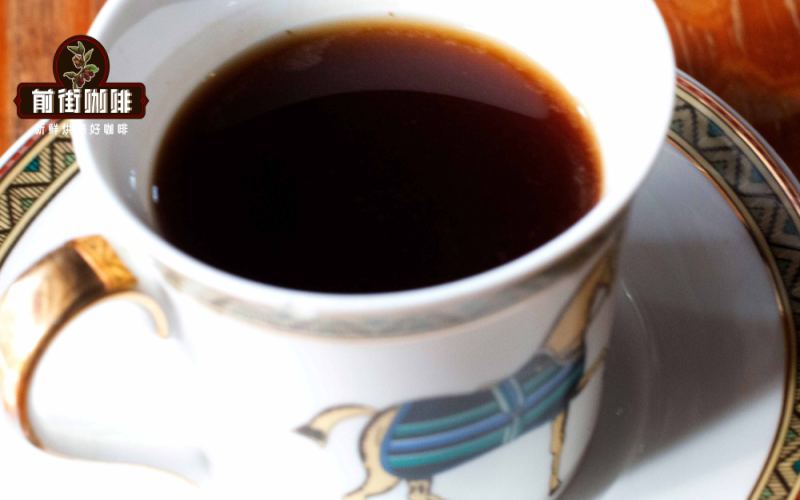
What exactly is the difference between Jamaican Blue Mountain coffee and Americano? From origin and grade to brewing parameters, explained clearly in one go
Many coffee enthusiasts have tried quite a few coffees, yet may not necessarily be able to distinguish the essential differences between Blue Mountain coffee and Americano. The former is a single-origin coffee from the Blue Mountain region of Jamaica, with strict grading based on altitude, screen size, and defect rate; the latter is an espresso-based category made by diluting espresso with water. From the perspective of Front Street Coffee, this article systematically sorts out the origin story and grading of Blue Mountain coffee, explains in detail the KONO dripper, 88°C water temperature, 1:15 coffee-to-water ratio and other parameters used by Front Street to brew Blue Mountain No. 1, and also explains the historical origins of Americano and the logic of espresso extraction. It also provides the specific ratios for Front Street Sunflower Sunshine blend in hot Americano and iced Americano, and finally compares the fundamental differences between the two technical routes of pour-over and espresso. [more…]
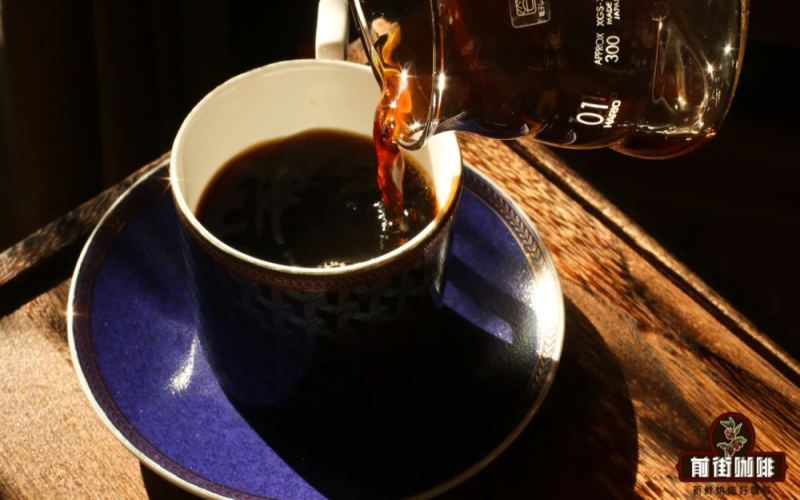
Jamaican Blue Mountain Coffee Identification Guide: From Grade Classification to Cupping Flavor, Teaching You to Identify Authentic Blue Mountain
Blue Mountain coffee, renowned as the "Emperor of Coffee," is grown in the high-altitude mountains of Jamaica's Blue Mountains. Its annual output is scarce and its price is high, which is why the market is flooded with countless counterfeits and blended beans. From the perspective of Front Street Coffee, this article sorts out the growing conditions of Blue Mountain coffee, the Japanese grading system (Blue Mountain Coffee, Blue Mountain Blend, Blue Mountain Flavor), the official Jamaican grades (Blue Mountain No. 1 through Jamaican Coffee), and key identification points such as wooden barrel packaging and the tree frog logo, while also sharing Front Street's practical brewing parameters and flavor profile for Blue Mountain coffee, to help you judge whether that sip in your cup truly comes from the Blue Mountains. [more…]
Guide to Authenticating Jamaican Blue Mountain Coffee: The Essential Difference Between Origin Blue Mountain and Blue Mountain Flavor Blends
Blue Mountain coffee is world-famous, yet the market is flooded with products bearing the words "Blue Mountain"—so which ones are truly authentic Jamaican Blue Mountain? This article begins with the historical origins, growing altitudes, varietal characteristics, processing methods, regional divisions, and grading standards of Blue Mountain coffee, systematically sorting out the certification system and flavor profile of authentic Front Street Blue Mountain coffee, and offering practical identification methods covering green bean appearance, grinding feel, aroma, and taste. It also clarifies the essential differences between "Blue Mountain flavor," "Blue Mountain blend," and genuine Blue Mountain coffee, helping coffee lovers avoid pitfalls when purchasing and enjoy a cup that truly lives up to its name. [more…]
Are Blue Mountain Coffee and Blue Mountain Flavor the Same Thing? Jamaican Certification Standards and an Analysis of Authentic Blue Mountain No. 1 Taste
There are countless coffees on the market labeled "Blue Mountain," but genuine Jamaican Blue Mountain coffee is actually something entirely different from "Blue Mountain flavor" or "Blue Mountain blend." This article starts with the producing region's elevation, the certification system, and production limits to help you distinguish the line between real and fake Blue Mountain coffee, and introduces the Clifton Estate Blue Mountain No. 1 currently sold by Front Street Coffee, including its specifications, roasting approach, pour-over parameters, and flavor profile. [more…]
What is the difference between Blue Mountain coffee and Americano? An analysis of the origin and brewing methods of authentic Jamaican Blue Mountain No. 1
For many office workers who rely on coffee to get through the day, drinking a lot doesn't mean understanding it deeply. What exactly is the difference between Blue Mountain coffee and Americano? The former is a single-origin bean from the Blue Mountain region of Jamaica, graded by altitude and green bean quality, and authentic Blue Mountain No. 1 commands a high price; the latter is a black coffee made by diluting espresso with water, and it has an amusing story behind it connected to the US military during World War II. Starting from Front Street Coffee's brewing practices, this article explains in detail the flavor characteristics of Blue Mountain coffee, the brewing parameters for the KONO dripper, and the blending logic and serving ratios of Americano, helping coffee lovers clarify the essential differences between the two. [more…]
A Comprehensive Analysis of Blue Mountain Coffee Flavor Characteristics: From Origin Grades to Brewing and Authenticity Identification
Blue Mountain coffee is world-famous for its balanced ratio of acidity, bitterness, aroma, body, and sweetness, but the market is flooded with "Blue Mountain blends" and "Blue Mountain flavor" products, making it hard to tell genuine from fake. Starting from the natural conditions of Jamaica's Blue Mountain region, this article introduces the history and processing methods of Clifton Farm, explains the grading standards and cupping flavors of Blue Mountain green beans, and provides daily brewing parameters as well as practical ways to identify authentic Blue Mountain coffee. Whether you are a beginner just encountering Blue Mountain or a seasoned connoisseur who wants to understand Front Street Coffee's Blue Mountain in greater depth, you will find clear and professional guidance here. [more…]
Jamaica Blue Mountain Coffee Beans Flavor and Taste Analysis: True Blue Mountain No. 1 Pour-Over Performance and Identification Key Points
Blue Mountain coffee is hailed as the finest of coffees, grown in the Blue Mountains of Jamaica, with scarce annual output and a high price. Yet the "Blue Mountain flavor" and "Blue Mountain blend" commonly found on the market differ greatly from authentic Blue Mountain coffee beans. This article starts from the Blue Mountain beans actually received by Front Street Coffee, clearly explains the grading standards for Blue Mountain coffee, the methods for distinguishing the genuine from the fake (wooden barrel packaging, the tree frog logo, the government certificate), and records in detail Front Street's three-pour hand-brew parameters using a KONO dripper, 88°C, and a 1:15 coffee-to-water ratio, as well as the citrus acidity, nutty mid-palate, and dark chocolate finish presented by this Clifton Estate Blue Mountain, helping coffee lovers understand the core characteristics of Blue Mountain coffee: balanced, smooth, and without any prominent flavor. [more…]
Jamaica Blue Mountain Coffee Flavor Characteristics and Brewing Parameters Explained: From Origin History to Authenticity Identification
The name Blue Mountain coffee is known to everyone in the coffee world, yet few truly understand it. What distance lies between the Blue Mountain-flavored beverages on the market and authentic Jamaican Blue Mountain coffee? Front Street Coffee takes you through it from the beginning: what flavors the washed and natural processing methods of Blue Mountain coffee each present, what the Clifton Estate's Rainforest certification means, the rise and fall of Blue Mountain coffee since the 18th century, how the CIB defines authentic Blue Mountain with strict standards, and how to distinguish genuine from fake through certificates and barrel markings. Finally, Front Street will also share KONO dripper brewing parameters and staged pouring techniques, so you can recreate a cup of richly layered Blue Mountain at home. [more…]
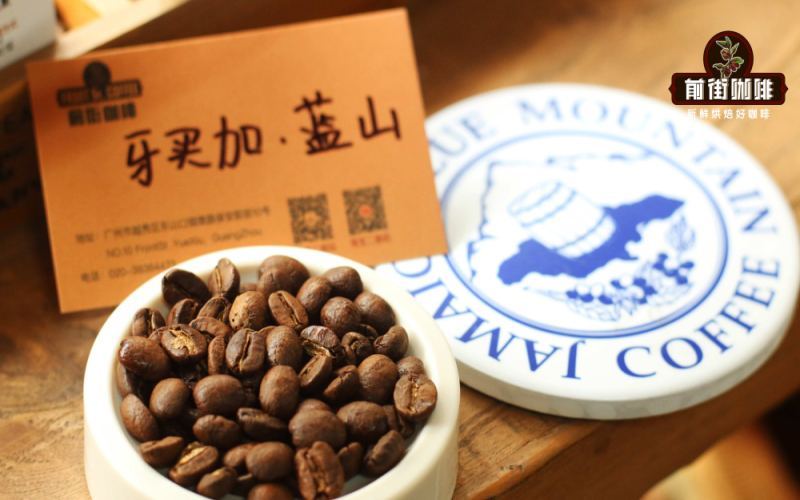
Which Jamaican Blue Mountain coffee estate produces the best? How long can Blue Mountain No. 1 be stored after roasting?
Blue Mountain coffee occupies a special place in the world coffee landscape. It was once synonymous with status and taste in Hong Kong dramas—scarce in production, balanced in flavor, and expensive, it once drew enthusiasts in droves. Around Blue Mountain coffee, concepts such as "Blue Mountain flavor" and "Blue Mountain blend" have proliferated on the market, but which estates do the coffee beans truly originating from Jamaica's Blue Mountain range actually come from? Which estate's output is more worthy of attention? And how long can Blue Mountain No. 1 be stored after roasting? This article will systematically sort out the cultivation origins, regional terroir, and grade classifications of Jamaican Blue Mountain coffee, with a focus on introducing the history of Clifton Estate and Front Street Coffee's roasting and brewing methods, providing coffee lovers with a complete Blue Mountain coffee reference. [more…]
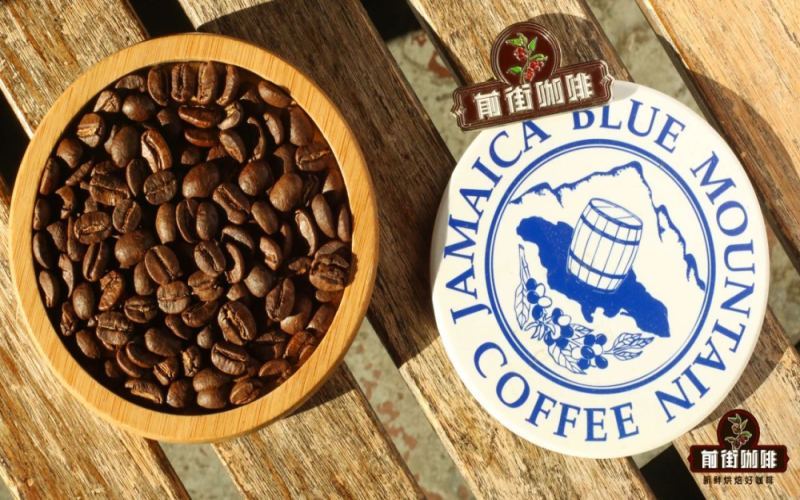
Jamaica Blue Mountain No. 1 Coffee Beans Flavor Analysis: From Origin History to Authenticity Identification and Brewing Guide
Blue Mountain coffee is arguably the most recognizable name in the coffee world, appearing on supermarket shelves and in vending machines everywhere, yet beans that genuinely meet the Jamaican Blue Mountain standard are extremely scarce. This article begins with the Clifton Estate Blue Mountain No. 1 selected by Front Street Coffee, and examines the growing conditions of Jamaican Blue Mountain coffee, its varietal characteristics, the flavor differences between the washed and natural processing methods, its rise and fall since the eighteenth century along with the government regulatory system, and offers practical criteria for identifying authentic Blue Mountain coffee, the basis for its grade classification, as well as Front Street's brewing parameters using the KONO dripper and a flavor comparison, to help coffee enthusiasts gain a comprehensive understanding of this classic coffee. [more…]
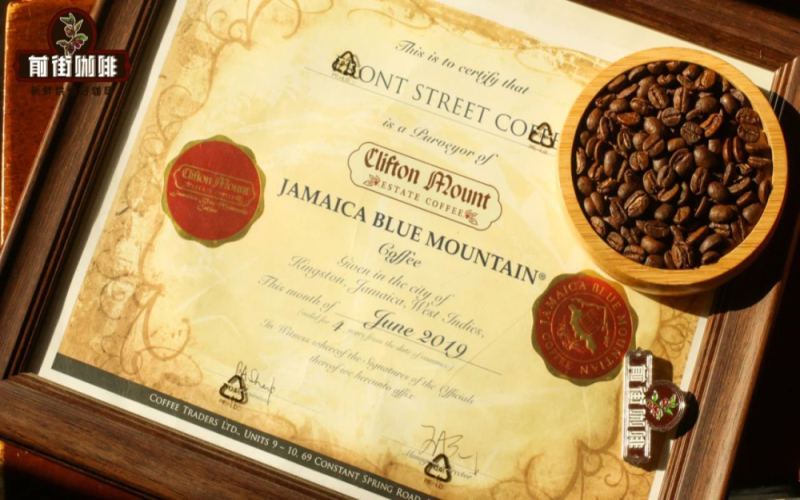
Why Jamaican Blue Mountain Coffee Remains Expensive, and an Analysis of Its Unique Flavor, Origins, and Grades
Blue Mountain coffee enjoys a stellar reputation in the global coffee world, and its price has always remained high. This article systematically examines the reasons why Jamaican Blue Mountain coffee is so precious from four dimensions: historical origins, producing region environment, grading system, and brewing methods. The article traces the path by which the Typica variety was introduced to Jamaica, explains how the climate and soil conditions of the Blue Mountains shape coffee quality, clarifies the essential differences among Blue Mountain coffee, Blue Mountain blend, and Blue Mountain flavor, and introduces the cultivation background of Clifton Mount Estate. Front Street Coffee also shares the roasting curve and pour-over parameters for Blue Mountain No. 1 for coffee enthusiasts' reference. [more…]
An Analysis of Blue Mountain Coffee Bean Brewing Methods: The Complete Guide to the Differences Between Jamaican Blue Mountain and Blue Mountain Flavor Blends
Jamaican Blue Mountain coffee holds a special place in the global coffee landscape, but misconceptions surrounding it are also particularly numerous. This article starts with a comparison between Front Street Jamaican Blue Mountain coffee and Blue Mountain flavor coffee, sorting out the true definition of Blue Mountain coffee's place of origin, its grading system, and its hierarchical relationship with High Mountain coffee and Jamaican coffee, while also explaining why Blue Mountain flavor blends have nothing to do with Blue Mountain. The article also introduces the suitability of charcoal roasting for Blue Mountain beans, the differences between Japan's traditional flannel brewing and domestic pour-over methods, helping coffee enthusiasts recognize the true face of Blue Mountain coffee and avoid being misled by low-priced "Blue Mountain" when making purchases. [more…]