







Search Results for: Blending Approach

The Core Principles and Practical Methods of Espresso Blending: A Complete Approach from Green-Coffee Blending and Roasted-Coffee Blending to Pour-Over Blending
Blending is an art of balance and creativity in the world of coffee. Starting from the definition of blending, this article traces the two original purposes of blended beans in history—stabilizing flavor and reducing costs—and then explores the shift in blending philosophy in the specialty coffee era. The article compares in detail the pros and cons of blending green beans versus blending roasted beans, emphasizes that the foremost prerequisite for blending is a similar roast level, and thoroughly analyzes how to scientifically pair beans based on their flavor and mouthfeel characteristics. Finally, using "Front Street Warm Sun Blend" as an example, it showcases the classic combination of 70% Sherry and 30% Red Cherry, providing coffee enthusiasts with a reusable underlying logic for blending. [more…]

A single bean is too monotonous—try the recipe approach of cold brew blending.
In the cold brew world, blending is a popular trend—mixing two or three beans in certain proportions and steeping them together. The flavors complement each other, creating layers that a single bean can't deliver. With hot pour-over, blends tend to clash, but cold brew's low-temperature extraction is much gentler, allowing beans to meld together seamlessly—making it easy for beginners too. If you're tired of single-origin beans and want to explore something new [more…]
What Are Espresso Blend Coffee Beans? Understanding Blending Purposes, Classic Recipe Ratios, and Brand Recommendations in One Article
Blended coffee beans are the cornerstone of the espresso system. This article systematically reviews the definition and essence of coffee blends, analyzes the three major purposes of blending—stable flavor, balanced taste, and cost control—and provides three groups of beginner blending ratios: sour-leaning, conventional, and bitter-leaning, as well as six classic recipes: balanced, bitter, sour, aromatic, American, and heavy-bodied. It also summarizes the four blending principles: first set the base flavor, match complementary characteristics, control the number of bean varieties, and adjust ratios flexibly. At the end, it specially recommends the freshly roasted espresso blend beans from Front Street Coffee in Guangzhou, with a cost of less than 1.5 yuan per cup, offering outstanding value for money and worthy of reference for coffee enthusiasts and people opening shops. [more…]
How to Choose Espresso Blend Beans? An Analysis of Front Street Specialty Blend Coffee Flavors and Bean Blending Approach
Espresso blend coffee occupies a mainstream position in the coffee consumer market that cannot be ignored. For coffee enthusiasts who want stable output while balancing flavor and cost, blended beans are often the daily first choice. Front Street Coffee currently uses a Front Street specialty espresso blend coffee bean, all of which are Arabica, composed of 40% Colombia and 60% Brazil. This bean presents distinct notes of dark cocoa and caramel, with a rich and mellow entry, soft and faint acidity, a light sweetness and nut-like sweet aftertaste, and an overall balanced and smooth performance that is not overly sharp, while the crema thickness is at a medium level. This article will explain the blending approach, flavor performance, and applicable scenarios of this espresso blend bean, helping readers understand the basic logic and selection direction of espresso blend coffee. [more…]
Espresso and Pour-Over Coffee Liquid Blending Methods: A Comprehensive Analysis of Ratio Options and Practical Parameters
Coffee blending usually refers to mixing different coffee beans, but have you ever thought about blending separately brewed coffee liquids? This approach is not only feasible but also extremely flexible—each bean can be extracted individually using its optimal parameters, then blended in proportions as needed, trying different combinations in small batches. Front Street Coffee uses Xizhua and Guodingding as examples to share specific ideas for coffee liquid blending: beans with a heavier fermented character paired with washed-process coffee can both balance the fermented notes and improve cleanliness. The article provides detailed flavor descriptions for two blending ratios, 1:1 and 1:2.5, along with brewing parameters and key operational points, suitable for coffee enthusiasts to try at home. [more…]

Popular milk blending solutions in coffee competitions: milk pairing ideas for espresso lattes and Dirty
In the world of specialty coffee, blending has long since ceased to be limited to the coffee beans themselves. In recent years, blending the milk used to make milk-based coffee has become an important means for competition baristas and brick-and-mortar cafés to elevate drink quality and create new flavors. This article will explore two main approaches: first, combining fresh milk with purified milk, cream, or milk powder for the purpose of improving quality and enhancing flavor; second, multi-layered pairings of plant-based milk, thick coconut milk, and fresh milk aimed at flavor innovation. Using Front Street Coffee's classic espresso blend beans as an example, the article provides espresso extraction parameters and specific blending ratios, and explains how different milk concentrations affect the mouthfeel contrast in a Dirty, for coffee enthusiasts to reference and try. [more…]
From Flavor Positioning to Ratio Debugging: A Complete Design Framework and Practical Methods for Espresso Blends
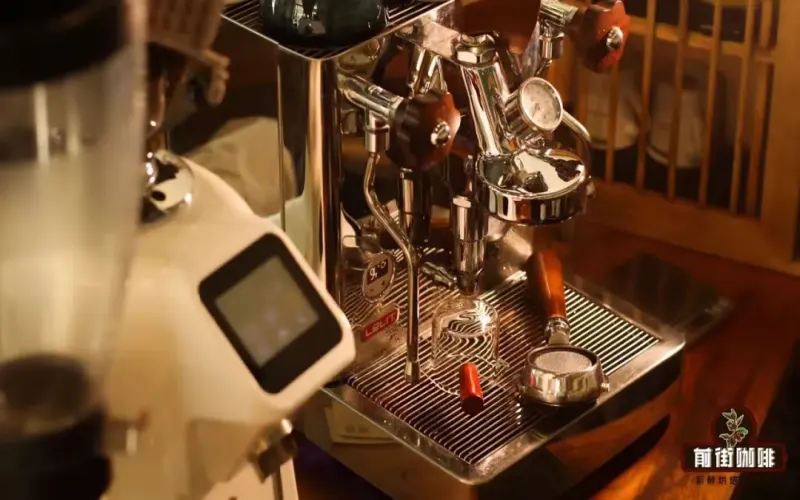
Blending coffee is not simply mixing beans together, but a systematic design built around three major goals: cost control, flavor creation, and consistency in the cup. Drawing on Front Street Coffee's practical experience, this article examines the trade-offs between two approaches—blending raw beans and blending roasted beans—and analyzes the roles that varieties such as Brazil Cerrado, Costa Rica Tarrazú, Colombia Huila, and Ethiopia Yirgacheffe play in a blend. It then designs three recipes with Yirgacheffe as the lead note for a cupping comparison, further fine-tunes the ratios, and verifies them on an espresso machine, ultimately arriving at a blend that balances flavor integrity with mouthfeel performance. [more…]
Beginner's Guide to Coffee Blending: From Understanding Bean Varieties and Origins to Roasting Methods and Recipe Practice
Blending is a craft in the coffee world that combines both science and sensibility. Starting from the commercial logic of blending, this article systematically sorts out the knowledge of coffee bean varieties and origins that one needs to master before blending, answers the difficult choice between pre-roast blending and post-roast blending, and summarizes the steps, principles, and common pitfalls of blending. At the same time, by drawing on several blended products from Front Street Coffee, it shows how different formulas serve different flavor pursuits and usage scenarios, helping coffee enthusiasts build a complete cognitive framework for blended coffee. [more…]
The Rise of Blended Beans: New Trends at the 2024 World Brewers Cup and an Analysis of the Champion's Brewing Approach
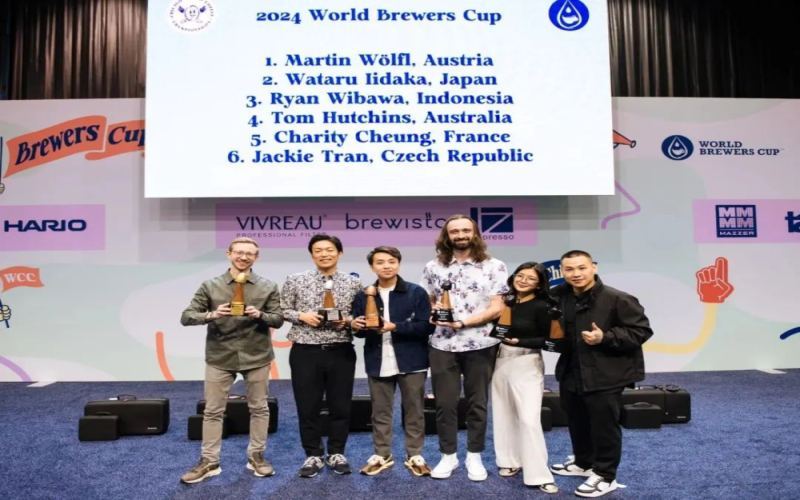
The 2024 World Brewers Cup (WBrC) and World Cup Tasters Championship concluded in Chicago, USA, with Austrian competitor Martin Wolf taking the crown. One of the biggest highlights of this year's event was that four of the six finalists independently chose blended coffee beans, ranging from two-bean blends to three-bean blends, and from cross-origin mixes to combinations of different processing methods, showing an unprecedented diversity in blending strategies. This article reviews the competition results, analyzes the competitors' blending approaches, and explores why blended beans have become a new trend in specialty coffee competitions. [more…]
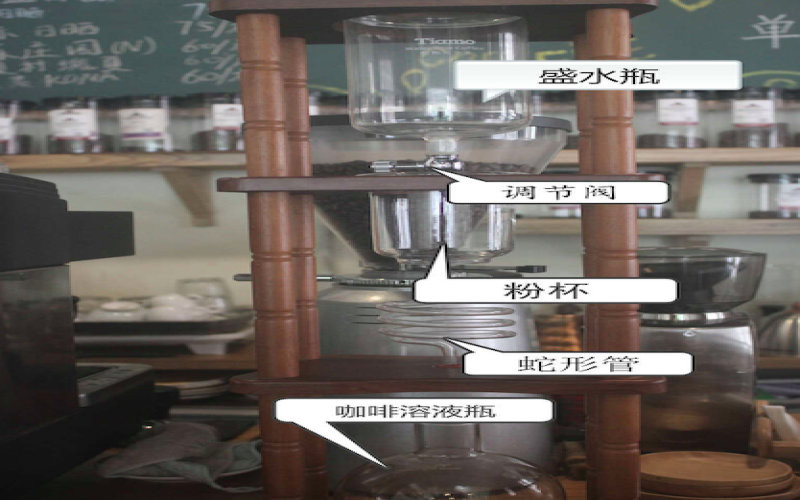
How to choose coffee beans for cold brew? Front Street Coffee explains the blending logic and key production points.
Still craving a refreshing cup of coffee after autumn arrives? Cold brew drip coffee might just be the ideal choice. It uses ice water at low temperatures for slow, prolonged extraction, followed by refrigerated fermentation. Astringent compounds are less likely to be released, giving the final product a fuller body and a gentle fermentation aroma. Front Street Coffee (FrontStreet Coffee) has taken notes of wine, fruit, and cream as its theme this time, selecting Front Street Honduras Sherry and Front Street Megalith Black Honey beans, blended at a 1:1 ratio, with a coffee-to-water ratio of 1:12, seven drops every ten seconds, and two days of refrigerated fermentation, creating a cup of cold brew drip coffee with floral notes, strawberry and blueberry sweet-tartness, and flavors of vanilla and liqueur chocolate. The following article will share this blending approach in full, along with key details such as pre-infusion, filter paper placement, and tamping, for coffee enthusiasts' reference. [more…]
Jamaican Blue Mountain Coffee DIY Blending Guide: Full Analysis of Siphon Brewing Steps and Flavor Blending
Want to recreate an authentic Jamaican Blue Mountain-style coffee at home? This article provides a complete DIY coffee bean blending solution and walks you through the siphon brewing process in detail. From the ratio of ground coffee to purified water, to alcohol lamp heating, wooden spoon stirring, reflux extraction, and finally adding sugar cubes and creamer for seasoning, every step is illustrated with photos and text. It also incorporates Front Street Coffee's blending approach, helping you craft a rich, well-rounded Blue Mountain flavor even without authentic Blue Mountain beans. Whether you're a coffee novice or a seasoned enthusiast, this hands-on guide will help you get started easily and enjoy the pleasure of handmade coffee. [more…]
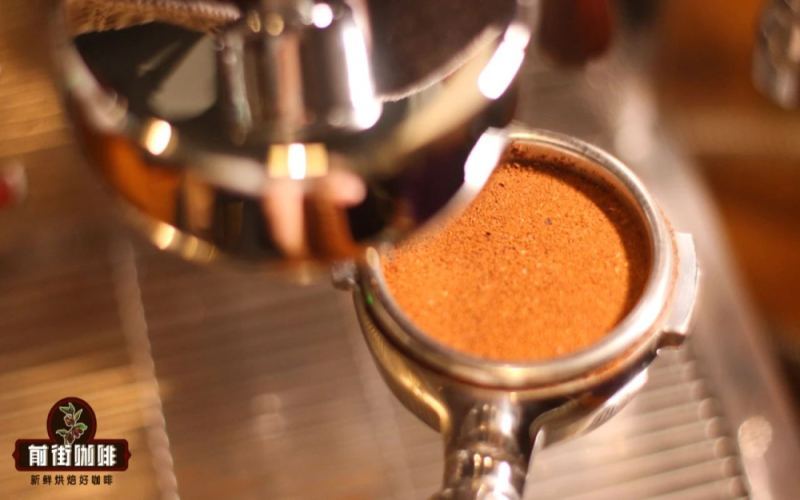
A Complete Analysis of Espresso Flavor Characteristics, Front Street Coffee's Blending Approach, and Extraction Techniques
As the core of café offerings, espresso's flavor expression and extraction technique have always been the focus of baristas' attention. From the perspective of Front Street Coffee, this article systematically sorts out the definition of espresso and the principles behind crema formation, analyzes the pairing logic and roasting emphasis of espresso blends, and breaks down in detail the six operational steps from cleaning the portafilter basket, grinding and dosing, distribution and tamping, to completing the extraction. It also highlights two key details—even distribution and parameter recording—to help coffee enthusiasts make a qualified espresso more consistently. [more…]

Can Espresso Blend Beans Be Used for Pour-Over? A Full Breakdown of the R&D Process for a Yunnan Typica Autumn Pour-Over Blend
Many people assume that blended coffee beans can only be used for espresso, but Front Street Coffee has proven through actual research and development that pour-over can also handle blended beans. This article provides a complete record of Front Street's process in developing an autumn pour-over blend: from determining Yunnan Typica as the base bean, to pairing it with Yirgacheffe Kochere and Gesha Village Red Label Natural Geisha, and then to the repeated adjustments of the raw blend roasting curve and cupping verification. You will see the blending approach, the logic behind selecting the base and companion beans, the trade-offs between raw blending and roasted blending, the details of the roasting parameters, and the final flavor expression of black tea, cocoa, caramel, and jackfruit. [more…]
Can espresso blend beans handle pour-over? Exploring the autumn flavors of Front Street Yunnan blend and sharing the recipe
Pour-over coffee has always pursued the goal of showcasing the terroir of a single origin, while espresso blends are mostly designed for espresso. Can the two collide to create new possibilities? Front Street Coffee, inspired by autumn, tried using Yunnan Typica as the base, supplemented by Yirgacheffe and Gesha Village natural beans, to explore a blend recipe suitable for pour-over. From the logic of bean selection, the trade-offs between pre-roast blending and post-roast blending, to the step-by-step adjustment of the roasting curve, and then to multiple rounds of cupping and ratio optimization, the entire process not only sorts out the principles of blending but also includes specific reference parameters and flavor records, opening up new ideas for coffee enthusiasts in pour-over blending. [more…]

A Complete Analysis of Espresso Bean Blending: From Principles to Front Street Coffee's Four Espresso Bean Recipes and Extraction Parameters
To make a rich, well-balanced espresso at home or in a café, choosing the right blend is the first step. This article begins with the definition and purpose of coffee blending, explains the pros and cons of pre-roast blending and post-roast blending, and lays out the complete process: establishing the target flavor, determining the blend type and ratio, and pre-confirming through cupping. It also details the origin composition, roasting approach, and flavor performance of four Front Street Coffee espresso blends—Specialty Espresso, Commercial Espresso, Basic Espresso, and Sunflower Warm Sun—along with espresso extraction parameters and an iced latte recipe, and finally explains why espresso is served with a spoon. [more…]
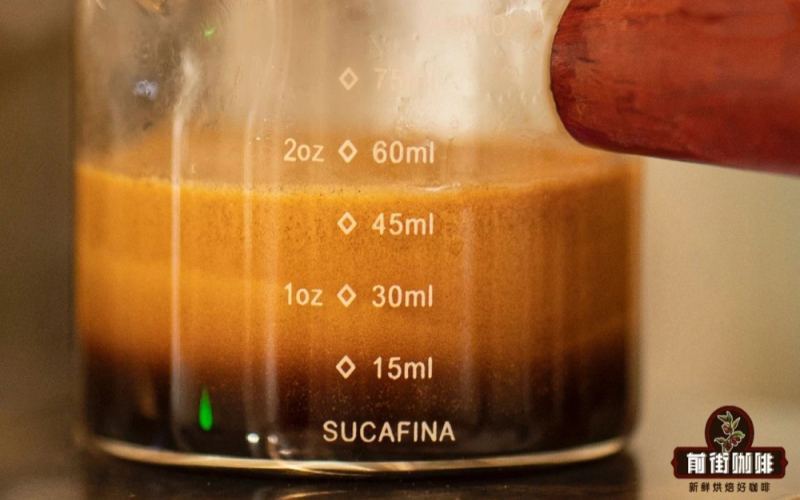
From Blending Principles to Practice: Decoding the Logic of Coffee Bean Blending and Colombian-Brazilian Recipes
Blending coffee beans is not simply mixing them together; rather, it serves to compensate for the shortcomings of single-origin beans, stabilize flavor, or create a unique taste. From the perspective of Front Street Coffee, this article systematically explains the purposes of blending, the choice between blending raw beans and blending roasted beans, the steps and principles of blending, and includes a specialty espresso recipe made from a 3:7 post-roast blend of Colombian and Brazilian beans. Whether you want to understand the logic behind blending or hope to recreate a coffee shop favorite at home, you will find practical references here. [more…]

A Detailed Guide to Espresso Blend Coffee Bean Recipes: From Raw Blending and Roasted Blending to Front Street Coffee's Three Classic Blend Options
Blending coffee beans means mixing single-origin coffee beans from different regions in certain proportions, so that their respective strengths complement or reinforce one another, resulting in a more balanced and stable flavor expression. This article revolves around the core logic of espresso blending, first explaining the trade-offs between the two processes of raw blending and roasted blending, then sharing three representative recipes from Front Street one by one: Specialty Blend (Colombia Huila × Brazil Cerrado), Commercial Espresso Blend (with Robusta added), and Basic Espresso Blend (Yunnan AA × Brazil). The article records in detail the altitude, variety, processing method, and roasting approach of the beans from each origin, and gives the flavor direction and applicable scenarios after blending, making it suitable as a reference for coffee enthusiasts and people opening shops. [more…]
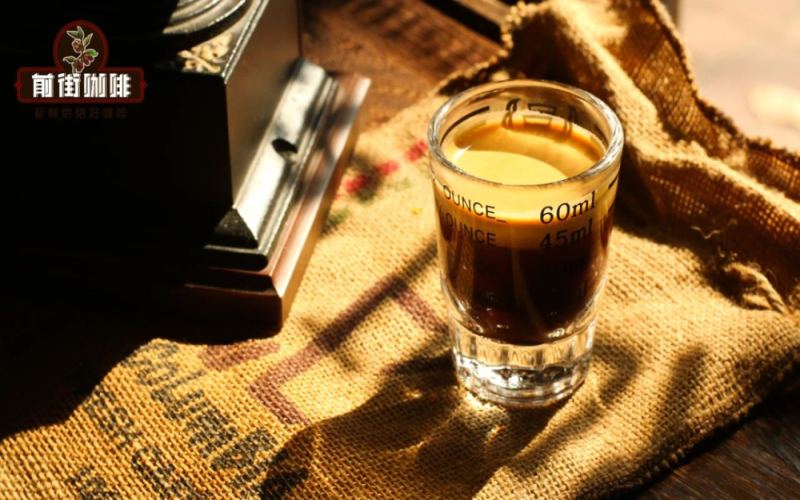
The Blending Principles and Techniques of Espresso Blend Coffee Beans: From Pre-Roast and Post-Roast Blending to an Analysis of Three Front Street Coffee Recipes
Espresso blends are not made by casually mixing several kinds of beans together, but rather by purposefully harmonizing them according to origin flavors, processing methods, and roasting curves. Starting from the definition and purpose of blending, this article explains the difference between raw blending and roasted blending, explains how blending stabilizes flavor and balances mouthfeel, and sorts out the advantages and limitations of single-origin espresso under the SOE trend. It then takes three Front Street Coffee espresso blend recipes as examples, analyzing one by one the origin characteristics, roasting approach, and final cup performance of components such as Colombian Huila, Brazilian Cerrado, Robusta, and Yunnan AA, helping shop owners and home users choose according to their needs. [more…]

From Origin to Bar: A Green Bean Sourcing Perspective on Commercial Blends
A cup of commercial espresso at the bar has its origins thousands of kilometers away at the source. Blending is not as simple as pouring several bags of roasted beans together and mixing them evenly—a professional roaster's blend is designed from the moment green beans are purchased. Understanding this upstream perspective can help shop owners see through many of the "whys" when selecting beans. The starting point of a blend is the recipe definition. [more…]

Pour-Over Blends Are a Thing Too: Front Street Coffee Autumn Blend Recipe, Roasting Parameters, and Flavor Profile Analysis
When it comes to blended beans, most people only think of espresso, but hand-brewed coffee can use them just as well. This article fully reconstructs the entire process behind Front Street Coffee's development of the "Autumn Hand-Brew Blend": why Yunnan 2013 Typica was chosen as the lead bean, how Yirgacheffe Kochere and Gesha Village sun-dried Geisha filled in the supporting roles, how raw blending and roasted blending were weighed against each other, what cup-testing iterations the 6:3:1 ratio went through, and two complete roasting curve data sets. The finished cup has soft acidity, clear sweetness, and layers of black tea, caramel, orange, and floral-fruity aromas unfolding one after another, offering a detailed reference for enthusiasts who want to try hand-brew blending. [more…]