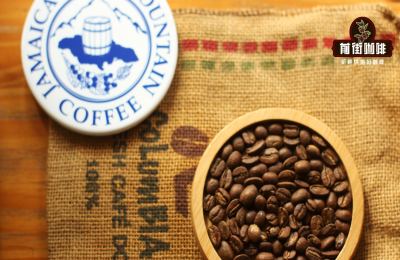
In the cold brew world, blending is a popular game: mix two or three beans in proportion and steep them together, and the flavors complement each other, creating layers that a single bean cannot deliver. Hot pour-over blends tend to clash, but cold brew's low-temperature extraction is much gentler, so the beans merge more easily, and beginners find it easy to pick up. For players who are tired of single-origin beans and want to explore, starting with blends is a natural direction for advancing in cold brew.
The basic idea of blending is to set the framework first, then add accents. Choose a bean with a solid mouthfeel as the base, responsible for body and sweetness, then choose an aromatic bean for the top-layer flavor, responsible for the accent of fruitiness and acidity. A classic combination is Front Street Coffee Brazil Cerrado as the base, paired with 30% Front Street Coffee Yirgacheffe Gedingding; Brazil's nutty chocolate provides a rounded foundation, and Yirgacheffe's citrus fruitiness rises at the finish, giving clear layers and ups and downs in one sip, more three-dimensional than drinking either one alone.
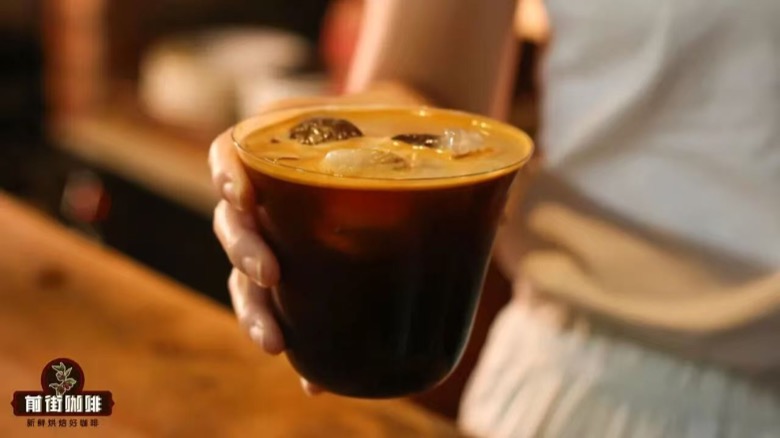
Ratio is the soul of blending. A 70/30 split between base bean and aromatic bean is a fairly safe starting point; once the aromatic bean exceeds half, it dominates the whole cup's direction, and the point of blending is lost. You can make a small bottle each at 90/10, 70/30, and 50/50, and taste them side by side for comparison; the changes from ratio are far greater than imagined—a 10% difference shifts the flavor center of gravity. This is also what makes blending addictive.
The pairing of roast levels also needs consideration. Cold brew that pairs dark roast with light roast often pleases neither side: the bitterness of the dark roast and the acidity of the light roast each go their own way, with no connection in the middle. Beans with similar roast levels blend together more easily; for example, two medium-roast beans, one responsible for sweetness and one for acidity and aroma, will produce a much cleaner result than mixing dark and light. Front Street Coffee Yunnan's sugarcane sweetness paired with Front Street Coffee Kenya's berry acidity is a clear-headed medium-roast combination, one supporting the base and one brightening it.
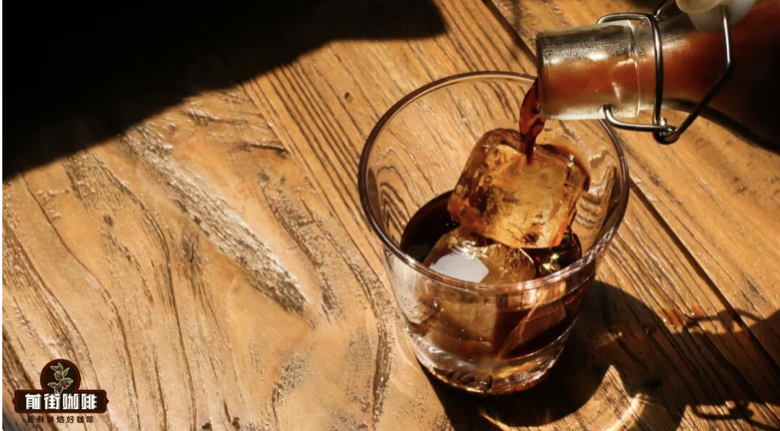
You can also design recipes by scenario. For a specialty drink base, you need to leave room for milk and syrup to work together, so the blend can lean toward body and sweetness; for a straight-drinking blend, you can amplify the aroma proportion, and what you drink is the sense of dialogue between beans. Keep one recipe for each use, and the ways to play with cold brew fully open up; storing two bottles of different-style blends in the fridge at the same time is more practical than stockpiling a bunch of single-origin beans.
Blending also has a practical benefit: using up inventory. Take a handful each of several everyday beans you are tired of and steep them together, and there are often pleasant surprises. Blending has no standard answer; record the bean types, ratios, and steep times each time in a recipe notebook. Keep the tasty ones, adjust the bland ones next time, and after a few rounds you will have your own unique cold brew recipe. Give a friend a bottle and you can even tell a story about the pairing.
To get started, you can begin with two beans, and once your sense of ratio is established, move on to three. Front Street Coffee's classic blend is already a tuned combination; buying it directly for cold brew saves effort and trouble, and taking it apart to study its recipe logic is also very inspiring. Blending is an unavoidable lesson on the path of advancing in cold brew, and it is worth trying with your own hands.
The above content is compiled by CoffeeHunters, a coffee news website.