







Search Results for: Black Soul
How Does First Crack Timing Shape Flavor? A Deep Dive into Three Roast Profiles for Front Street Coffee Costa Rica Black Soul
In coffee roasting, "first crack" is not only an important auditory milestone, but also directly relates to the final flavor presentation in the cup. This article uses Front Street Coffee's Costa Rica Natural Black Soul as a sample, conducting comparative experiments through three roasting curves with different first crack times, to deeply explore the specific effects of the length of the drying phase on bean expansion, the degree of the Maillard reaction, and cupping flavor. From 7 minutes 30 seconds to 8 minutes 30 seconds, subtle differences in first crack timing bring significant changes in fruit acidity, sweetness, body, and complexity. This article will break down each curve's roasting parameters, bean surface condition, and brewing performance one by one, helping roasting enthusiasts understand the core logic of first crack time control. [more…]
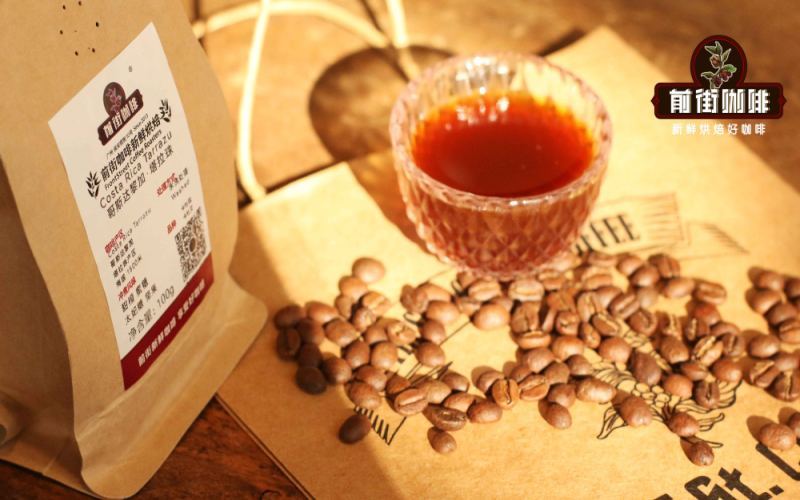
Comparison of Sun-Dried Coffee from Costa Rica's Three Major Regions: Analyzing the Flavor Differences Between Tarrazú, the Western Valley, and the Central Valley
Front Street Coffee has previously compared the differences among coffees from various Kenyan regions using the same processing method; this time, we turn our attention to Costa Rica. Also using natural processing, how much will the flavors differ among coffees from three major regions—Tarrazú, the Western Valley, and the Central Valley? This article will compare three beans—from the Pirong Processing Plant, Genesis, and Black Soul—one by one, from bean background, green bean appearance, and roasting curves to cupping and pour-over performance. If you haven't yet tried Costa Rican specialty coffee, you might start with the classic Front Street Tarrazú washed Caturra and savor its soft aroma of sweet orange, nuts, and chocolate. [more…]
Costa Rica Black Soul Coffee Flavor Interpretation: Las Lajas Estate Natural Process and Pour-Over Parameters Sharing
Alma Negra from Costa Rica's Las Lajas Estate is a coffee produced using an innovative natural process, originating from the Central Valley region at an altitude of 1,300 to 1,500 meters, primarily comprising Caturra and Catuai varieties. This medium-light roast coffee has a delicate fruity fermented aroma, with a sweet and smooth entry, presenting layers of dried berries, black dates, and stone fruits, and a sweet aftertaste. The estate has practiced organic farming since 1990 and became Costa Rica's first organically certified estate in 2000, currently holding USDA, JAS, and NOP certifications. Alma Negra differs from the same estate's Black Pearl, leaning toward a natural dried-fruit molasses profile. Front Street Coffee recommends this bean, and below we will introduce its flavor details, estate background, and pour-over steps and parameters. [more…]
Costa Rica Las Lajas Estate: Differences Between Yellow Honey and Diamond Yellow Honey Processing Methods and an Analysis of Several Distinctive Coffees
Located in Costa Rica's Central Valley, Las Lajas Estate is one of the earliest pioneers to systematically explore honey and natural processing methods. The estate is run by third-generation owner Francisca and her husband Oscar, sits at an altitude of 1,250 to 1,500 meters, and produces about 55,200 kilograms annually. It farms to organic standards and, based on differences in the amount of mucilage retained and the turning time, has developed distinctive offerings such as Yellow Honey, Red Honey, Black Honey, and Diamond Yellow Honey. Several of the Costa Rican coffees recommended by Front Street Coffee come from this estate with its highly distinctive style. This article will walk you through the processing differences between Yellow Honey and Diamond Yellow Honey, as well as the flavor profiles of natural coffees such as Black Pearl and Black Soul. [more…]
A Complete Guide to Costa Rican Coffee Regions: Honey Process Flavor Characteristics and Front Street Coffee's Selected Bean Recommendations
Costa Rica is an important origin that cannot be overlooked on the Central American coffee map, and its honey processing methods have developed rapidly over the past decade or so, with different processes such as yellow honey, red honey, and black honey giving coffee beans unique fermented aromas and balanced flavors. Several of Front Street Coffee's Costa Rican beans are deeply loved by both new and longtime customers, covering a variety of types including washed and honey-processed. This article will systematically review Costa Rica's eight major producing regions, focusing on the terroir characteristics of the two star regions, Tarrazú and the Central Valley, and, in combination with Front Street Coffee's everyday drinking beans and Musician Series specific coffee lots, describe in detail the flavor performance and processing method differences of Bahia, Beethoven, Mozart, as well as Black Soul, Fire Phoenix Sapphire, and other coffees, helping coffee lovers make choices based on their personal taste preferences. [more…]
Analysis of Las Lajas Estate Black Honey Processing: How Sun Exposure Duration and Turning Rhythm Shape Flavor
Located in Costa Rica's Central Valley, Hacienda Las Lajas is one of the earliest pioneers to systematically study refined natural and honey processing. Estate owners Francisca and Oscar use a sweetness meter to select red cherries, and by varying the drying time and turning frequency on African raised beds, they subdivide honey processing into yellow honey, red honey, and black honey, and natural processing into Black Pearl and Black Soul. Among these, black honey processing retains the most mucilage, yielding a body close to that of natural coffee and a delicate sweetness reminiscent of dark berries. This article walks you through the processing logic of Hacienda Las Lajas and recommends single-origin coffees such as Front Street Coffee Washed Tarrazu, Front Street Coffee Mozart, Front Street Coffee Baja, and Front Street Coffee Blackberry, so you can experience the nuanced layers of Costa Rican coffee. [more…]
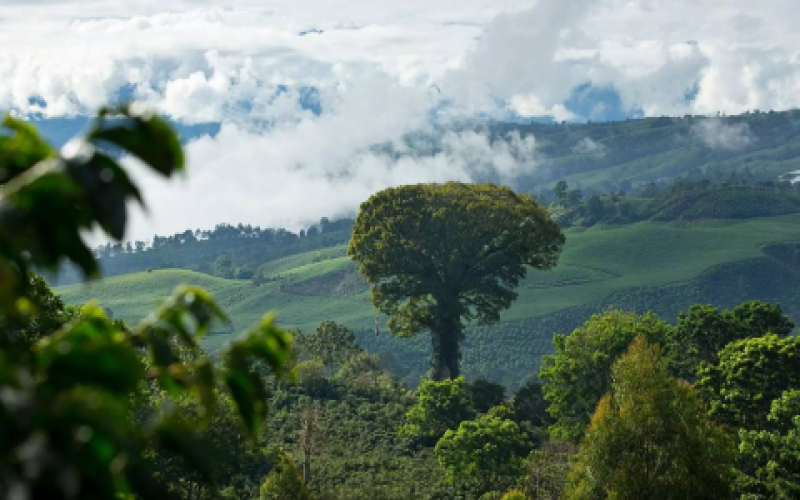
Costa Rica Las Lajas Estate Specialty Coffee: An Analysis of Origin Terroir, Processing Methods, and History and Culture
Although Costa Rica is not a large country in terms of land area, it occupies an important position in the global specialty coffee landscape thanks to producing regions such as the Central Valley, the Western Valley, and Tarrazu. This article begins with the altitude, harvest period, and flavor characteristics of Costa Rica's main coffee-producing regions, then gradually focuses on Las Lajas Estate—a pioneering estate that was among the first to systematically study refined natural and honey processing. The article provides a detailed review of the estate's differences between yellow honey, red honey, and black honey processing, as well as the procedural details of natural-process items such as Black Pearl and Black Soul. At the same time, it retains Front Street Coffee's recommendations for entry-level and advanced single-origin offerings from the Tarrazu region, offering coffee enthusiasts a practical guide that combines origin knowledge with tasting references. [more…]

The Soul of Espresso Hides in the Crema: A Full Analysis of Crema Formation, Dissipation, and Color
Crema (coffee oil) is often regarded as an important visual indicator of whether an espresso is up to standard; it relates both to mouthfeel thickness and reveals whether extraction was sufficient. From the perspective of Front Street Coffee, this article sorts out the historical origins of crema, Illy's classic definition of espresso, and how the foam layer forms with the help of carbon dioxide, melanoidins, and hydrophobic substances. It will also explain why crema dissipates, what the depth of color can indicate, and how extraction time and water temperature affect the oil's performance, helping coffee lovers and baristas understand this layer of golden-brown foam more systematically. [more…]
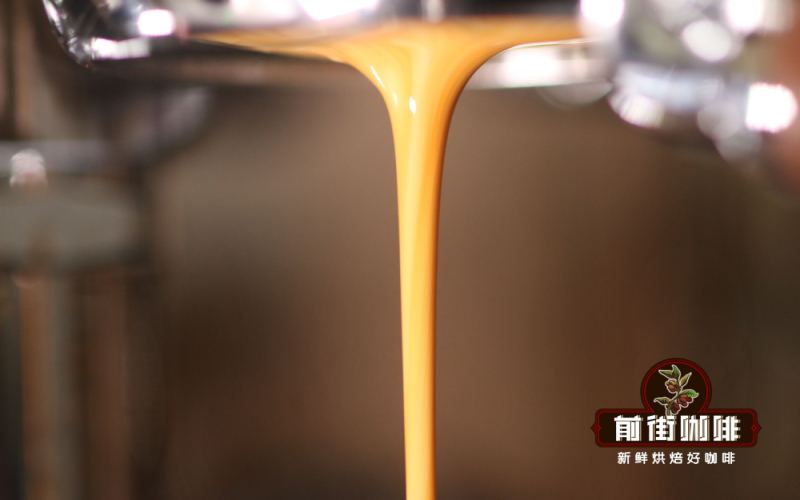
Espresso Full Analysis: Extraction Principles, Preparation Process, and Key Operational Points
Espresso is a small amount of concentrated, pure black coffee extracted by forcing hot water under high-pressure steam rapidly through a puck of coffee grounds, with a golden layer of crema on its surface. Although it rarely appears alone on café menus, it is the base of common drinks such as Americano, latte, and cappuccino, and can be called the soul of a coffee shop. Starting from the definition and characteristics of espresso, this article will sort out its historical evolution and ideas for choosing blend beans, and explain in detail the complete steps for making espresso at Front Street Coffee stores, including dose, liquid yield, time control, and operational details such as distribution and tamping. Finally, it summarizes the key variables affecting extraction flavor and daily cleaning points, helping coffee enthusiasts systematically understand the logic behind a high-quality cup of espresso. [more…]
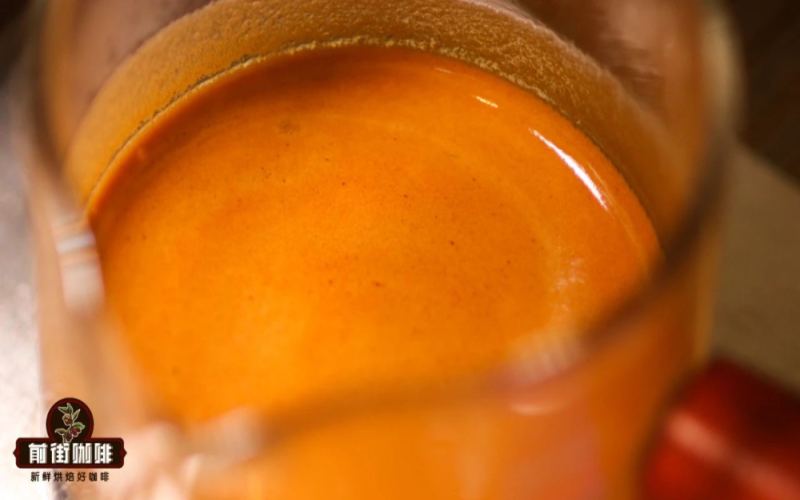
A Complete Guide to Espresso Crema: Ten Key Points from Freshness to Coffee Machine Pressure and Front Street Coffee's Recommendations for Rich-Crema Coffee Beans
Espresso is hailed as the soul of Italian coffee, and the golden, tiger-striped layer of crema on its surface is the core source of flavor. The ideal crema thickness is about 1–2 cm, giving off aromas of roast and dark chocolate. To replicate such a perfect espresso at home, you need to control four key details: coffee bean freshness, roast level, extraction pressure, and coffee variety. This article unfolds around these ten must-know points, from buying Front Street Coffee with a clear roast date, to prioritizing medium-dark roasted blends containing a small amount of Robusta, to the pressure differences among various extraction devices, breaking them down one by one. It also recommends three coffee beans with outstanding crema performance—Front Street Classic Italian Blend, Front Street Commercial Blend, and Front Street Dark Cocoa Base Blend—to help coffee lovers and shop owners find the choice that suits them. [more…]
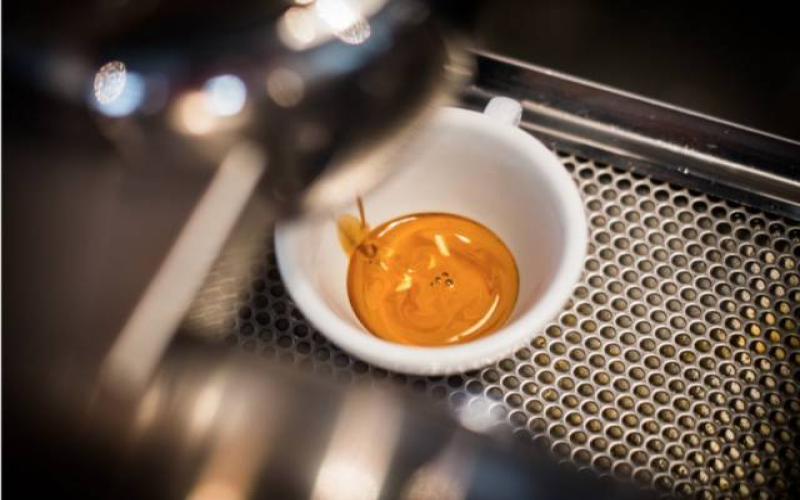
An In-Depth Analysis of the Causes of Espresso Bitterness: A Practical Guide from Historical Evolution to Brewing Adjustments
Espresso, with its rich and concentrated flavor, has become the base for many fancy coffee drinks, yet its intense bitterness keeps many people at a distance. This article begins with the origin and evolution of espresso, analyzes why it is so bitter, and provides a detailed explanation of how crema forms and what factors influence it, along with practical drinking suggestions and adjustment ideas. It also specifically shares the flavor performance and bean-resting recommendations of Front Street Coffee's Sunflower Warm Sun espresso blend, helping coffee enthusiasts gain a more comprehensive understanding of the knowledge behind this "soul of the coffee shop." [more…]
2026 Taobao Espresso Blend Coffee Beans Sales Ranking Top 10: Luckin, Manner, and Blue Bottle Make the List — How Did Front Street Coffee Reach the Top?
If you search for "espresso blends" on Taobao and sort by sales, you'll find that the beans on the list are surprisingly consistent in style—dark roasted, bold, and suitable for lattes. This shows that most people buying espresso beans aren't after a unique fruity acidity, but rather a stable, delicious milk coffee every morning. But the soul of espresso lies in the crema, and the key to crema is freshness. Many bestselling products, due to inventory turnover issues, may arrive already half a month or even a month past their roast date, with little crema left. This article uses "suitable for milk coffee" as its baseline standard and adds "freshness" as a hardcore metric, re-compiling the Top 10 espresso blends more worth buying in 2026, covering brands like Front Street Coffee, Captain George, Sinloy, Manner, Luckin, Peet's, and Blue Bottle, to help you find the one that suits you best. [more…]
Is More Crema Always Better? Analyzing Crema's Impact on Flavor and Mouthfeel, and the Truth About Coffee Fats
Many coffee enthusiasts are fascinated by the golden layer of crema on the surface of espresso, and some even regard it as the soul of Italian-style coffee. But is more crema really better? How exactly does it affect the taste and flavor of coffee? Is the fat content of coffee itself high? Starting from the causes of crema and its role in extraction and tasting, this article combines three representative espresso beans—Front Street Classic Blend, Commercial Blend, and Dark Cocoa Base Blend—to give you a comprehensive understanding of the nature of coffee crema and answer common questions about Crema. [more…]
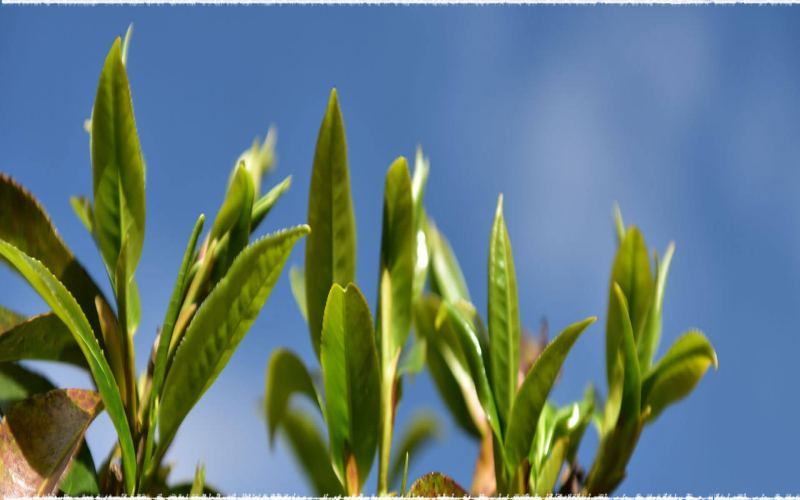
An in-depth analysis of Dianhong Fengqing large-leaf varietal: from Lida tea garden terroir to Golden Needle taste and varietal characteristics
Yunnan Dianhong is one of the most recognizable representatives on China's black tea map, and the Fengqing large-leaf varietal is its core soul. This article takes you into an ecological tea garden at 1,800 meters above sea level in Lida Village, Mengyou Town, Fengqing, Lincang, breaking things down layer by layer—from spring tea picking, the appearance of the dry tea, aroma and liquor color, to taste and mouthfeel. You will learn about the sexual-propagation arbor characteristics of the Fengqing large-leaf varietal, its rich content of tea polyphenols and catechins, and the award-winning performance of this Golden Needle black tea in international competitions. At the same time, the article also records tea farmer Mr. Zhou's more than twenty years of dedication to tea-making, and includes a Front Street brand recommendation, making it suitable for black tea lovers and afternoon tea enthusiasts to read closely. [more…]
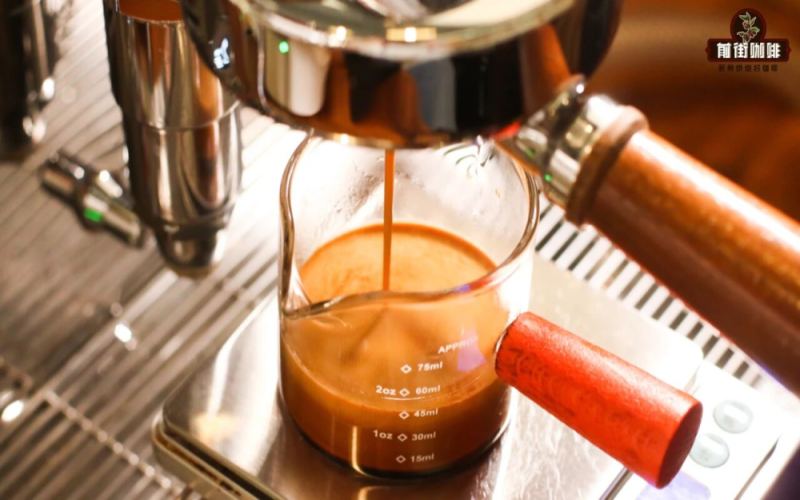
Summary of Reasons for Espresso Crema Extraction Failure: Key Judgments Based on Color Depth and Crema Thickness
The golden-yellow oil on the surface of espresso, known as crema, is regarded by many coffee lovers as the soul symbol of a good shot. Under normal conditions, the liquid should be covered by a golden-yellow crema layer about one-third thick, with a creamy texture when swirled and a clear cling to the cup wall. However, many people encounter thin or even completely missing crema in practice, which may involve multiple variables such as coffee bean variety, roast level, freshness, grind size, water temperature, and coffee machine pressure. Front Street Coffee has systematically sorted out these common issues, analyzing everything from bean selection to equipment parameters one by one, to help everyone quickly pinpoint the problem in the extraction process and bring back that alluring golden-yellow crema. [more…]
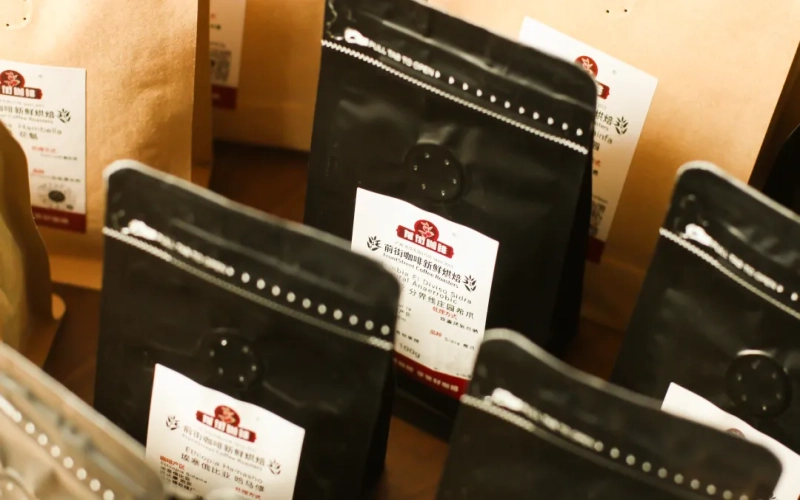
Analyzing the Core Advantages of Coffee Blends: The Difference Between Pre-Roast Blending and Post-Roast Blending
Blended coffee is the soul of espresso. By combining coffee beans from different origins and processed in different ways in specific proportions, it is possible to create a rich flavor and consistent quality that single-origin beans cannot achieve. Starting from actual tasting experience, this article shares the taste impressions of Front Street Coffee's classic blends, outlines their recipe composition and several product categories, and discusses the differences between the two production approaches: pre-roast blending and post-roast blending. Whether you prefer rich and full-bodied or a balance of acidity and sweetness, you can find the cup that suits you in the world of blends. [more…]
Philips 8833 Fully Automatic Espresso Machine Operation Guide and Classic Coffee Recipes Sharing
Do you want to easily enjoy an authentic espresso at home? The Philips 8833 fully automatic coffee machine may be just the partner you need. This article will take this model as an example to explain in detail its usage and design highlights, while also introducing the preparation ideas for classic drinks such as latte, au lait, and Baileys iced coffee. As the soul of Italian coffee, espresso is an important standard for judging the quality of a cup of coffee, and mastering the correct operation method can allow the flavor of the coffee beans to be released more fully. Whether you are a beginner who has just come into contact with a fully automatic coffee machine, or an enthusiast hoping to improve your daily brewing experience, you can gain practical reference from the following text. [more…]
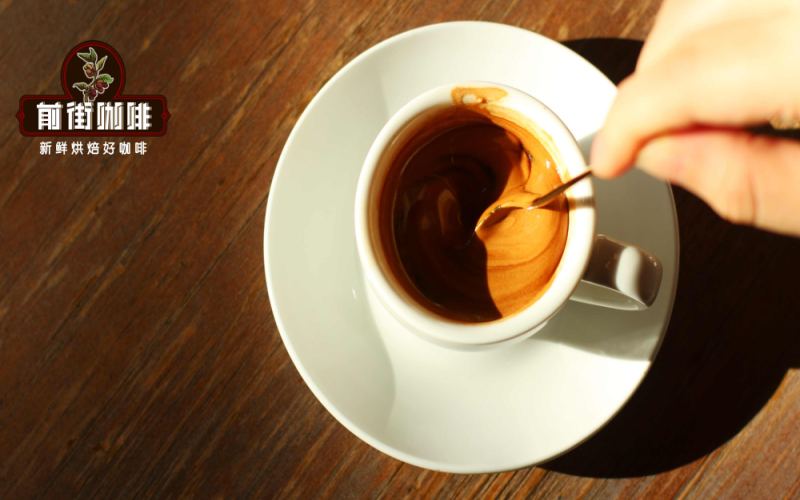
What Factors Determine the Crema of Espresso? A Complete Guide to Choosing the Right Coffee Beans
The golden, dense layer of oil on the surface of an espresso, known as crema, is regarded by many coffee lovers as the soul of a good espresso. Where exactly does this layer of foam come from, and what conditions affect it? Simply put, crema is a layer of tiny bubbles formed when carbon dioxide is released from the coffee liquid during high-pressure extraction, and its quality is closely related to the freshness of the coffee beans, the roast level, and the extraction pressure. In an ideal espresso, the crema accounts for about one-third of the coffee liquid, with a golden color and a fine surface free of coarse bubbles. This article will analyze three aspects: the freshness of the coffee beans, the bean blends suitable for extracting crema, and the pressure conditions, and will also recommend a variety of espresso blend beans with different styles from the Front Street Coffee brand to help you consistently extract a satisfying crema performance at home. [more…]
Iced Latte Recipe Introduction | How to make a latte at home without a coffee machine? How can coffee beginners make cold brew latte milk coffee?
How can cold brew coffee be limited to black coffee only!! This article will teach everyone how to easily make silky-smooth cold (milk) brew latte at home, without a coffee machine or complicated equipment~ Without further ado, GO GO GO! The soul of milk brew coffee: "Full-bodied taste, no burden." [more…]

Freshly Ground Drip Coffee Bags | How Do Beginners Choose Drip Coffee Bags? Recommendations for High-Quality, Freshly Roasted, Low-Acidity, Not-Bitter Drip Black Coffee
The emergence of Front Street Coffee drip coffee bags is undoubtedly a blessing for coffee lovers who enjoy specialty coffee but don't want the hassle of a complicated brewing process. Some people believe that freshly ground coffee beans are the soul of brewing coffee, and would consider drip coffee bags unprofessional. Front Street believes there's no need to question the existence of drip coffee bags—the promotion of any food, after all, [more…]