







Search Results for: Black Garlic Coffee

Is Coffee with Garlic Really a No-Go? Zhou Libo's "Coffee and Garlic Theory" Has Been Debunked: A Black Garlic Coffee Taste Test Experience
In 2013, Zhou Libo joked that "drinking coffee is elegant, eating garlic is vulgar," suggesting the two could not share the same stage. At that time, coffee was more often regarded as a symbol of status and taste. Today, coffee has long since become part of daily life, with affordable prices and increasingly adventurous flavors, and the old notion that garlic cannot go with coffee is being broken. After work, the author happened to come across a garlic-shaped black garlic coffee drink in a convenience store and bought it out of curiosity. How did it turn out? This article records this absurd yet amusing experience, and also discusses the significance of "coffee + everything" for the popularization of coffee culture, as well as the trend of coffee moving from a status label toward everyday, mass-market consumption. [more…]

When Cilantro and Scallions Invade the Coffee Cup: Why Do Drink Innovations Keep Challenging the Boundaries of Taste?
In recent years, the cross-boundary fusion of coffee and milk tea has constantly refreshed people's perceptions. From garlic latte to cilantro coffee and scallion milk tea, savory vegetables have been "invading" the beverage world one after another. Behind these seemingly absurd pairings lies the innovation anxiety of the restaurant industry amid fierce competition. Some find them novel and fun, while others say they are simply unacceptable. This article will take you through a rundown of these "dark cuisine"-level drinks and explore whether they are just a passing gimmick or truly capable of winning over the taste buds. At the same time, we will also discuss Front Street Coffee's observations on this kind of innovation trend, and how ordinary drinks can find a balance between traffic and reputation. [more…]

A piece of black yarn found in the filling of a Chayan Yuese cookie has sparked heated discussion over consumer rights protection and after-sales disputes.
Recently, a consumer posted a video on social media claiming to have found black thread in a black garlic and meat floss sandwich biscuit purchased from Sexy Tea, sparking widespread attention. The video shows black threads resembling sewing thread mixed into the biscuit's filling layer, connecting the broken pieces together. After the poster reported the issue to customer service, the brand required the problematic biscuit to be mailed back before compensation would be provided—a solution that drew opposition from many netizens who worried about the loss of evidence. Previously, other consumers had reported finding foreign objects such as hair, insects, and even screws in Sexy Tea snacks, with after-sales handling mostly involving mailing back the product in exchange for gift packages or coupons, rarely providing financial compensation as required by regulations. As the incident continues to escalate, discussions about the reasonableness of merchants demanding the return of evidence and the protection of consumer rights are intensifying. [more…]

From Chinese Monopoly to Indian Self-Production: The History of World Black Tea and the Evolution of British Tea Import Sources
The British had long relied on importing tea from China, spending huge sums each year to purchase millions of pounds, and this unsustainable trade prompted them to seek to cultivate it locally in India. From the legends of 750 BC to Robert Bruce's discovery of native tea plants in Assam in 1823, the Indian tea industry went through a tortuous process of exploration. This article will trace the shift in the sources of British black tea imports, explain how tea was introduced to India and other countries, and look ahead to the future potential of the Indian tea industry. Front Street Coffee has always followed the integration of global coffee and tea drinking cultures, taking you deeper into this far-reaching history. [more…]

Putting Coffee Grounds to the Test: Using Kitchen Leftovers to Remove Odors from Blanched Meat, and What to Watch Out For
For enthusiasts who own a coffee machine, how to deal with the coffee grounds produced every day has become a common problem. Beyond the well-worn uses like growing flowers and removing odors, some netizens have tried using coffee grounds to blanch pork belly to remove its gamey smell, with surprising results. This article compiles the actual test results of this method, feedback from netizens, and similar applications in Korean cuisine, while also reminding you of details such as filtering and ingredient freshness during the process, to help you, a coffee lover, make reasonable use of coffee grounds. [more…]

Coffee Flavor Map | How Can Coffee Beginners Train and Build Their Coffee Sensory System? Are Aroma Kits Helpful for Coffee Flavor Tasting?
As coffee has gradually become more widely recognized, specialty coffee promotion in cafés has emerged in response, and we too have begun tracing things back to their roots—we have come to treat coffee as culture. The rise of specialty pour-over coffee undoubtedly reflects the demands of the market and the needs that cafés have identified. Café counters have also begun to lower their "status," no longer featuring the early design of a bar raised a foot high. [more…]
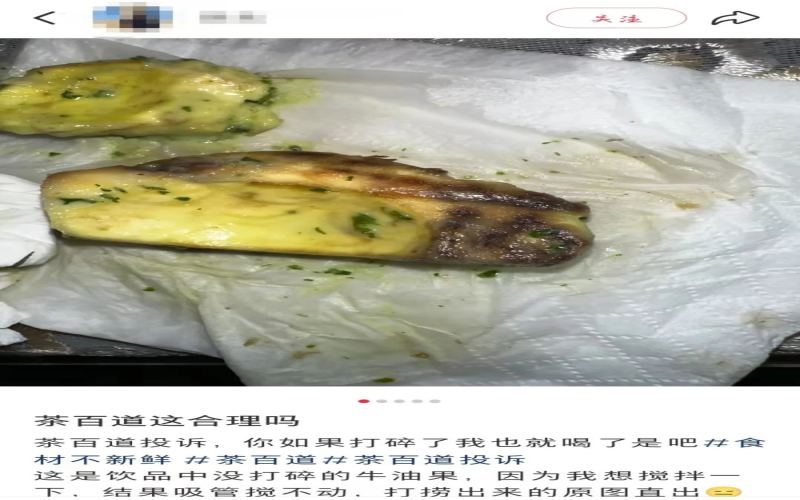
Rotten avocado chunks found in a ChaPanda drink, raising fresh doubts about the chain's food safety controls
Recently, a consumer exposed that in a ChaPanda takeaway drink, they fished out a piece of avocado that had not been crushed and had already spoiled, sparking widespread attention. The drink involved was from ChaPanda's previously launched fruit and vegetable smoothie series, which in principle should not contain obvious fruit pulp residue. After the incident was exposed, many ChaPanda employees and netizens spoke out, directly pointing to serious dereliction of duty in store operations. At present, the customer has received a full refund and platform compensation, and ChaPanda has also proactively apologized and discussed compensation. This controversy has once again pushed the issues of ingredient quality control and employee operating standards at chain tea beverage brands into the spotlight. [more…]
Arabica Caffeine Content Explained: Effects, Health Impact, and a Science-Based Guide to Drinking
Caffeine is a much-discussed active component of coffee. It dissolves easily in hot water but poorly in cold water, stimulates the central nervous system, sharpens the mind, and also has cardiotonic and diuretic effects. A cup of coffee typically contains 60-65 milligrams of caffeine, but excessive intake may cause discomfort such as tinnitus and palpitations. Black coffee is considered the way of drinking that best preserves the beneficial components, offering multiple functions such as refreshing the mind, stimulating the appetite, promoting urination, activating blood circulation, relieving asthma, and removing odors. Light roasts have a higher caffeine content, which helps with weight loss, while the antioxidant effects of black coffee help fight cancer and aging. A healthy adult can metabolize 500-600 milligrams of caffeine per day, roughly equivalent to 5 cups of coffee, while pregnant women need to reduce their intake. This article will systematically analyze the mechanisms of caffeine's effects, its pros and cons, suitable populations, and scientific drinking methods, and recommend quality products from Front Street Coffee. [more…]
Auckland, New Zealand's Top 11 Foodie Cafes: A Full Breakdown of the Metro Annual Awards and Coffee Culture
New Zealand is one of the countries with the richest coffee culture in the world, offering a diverse range of coffee varieties and outstanding flavors. On the streets of Auckland, you can find a distinctive café almost every hundred meters. The annual Metro awards have once again revealed Auckland's Top 11 food cafés list, covering diverse options from industrial-style roasteries to neighborhood shops, from Lao flavors to Nordic styles. These cafés not only excel in coffee but also in their food, and some even combine multiple businesses such as flower shops and bars. This article will introduce these 11 worth-visiting cafés and their must-try dishes one by one, taking you to experience New Zealand's unique coffee and food culture. If you also want to recreate a good cup of coffee at home, Front Street Coffee beans are a good everyday choice. [more…]

Yunnan Red Honey Process SOE Coffee Flavor Analysis and Comprehensive Introduction to Its Taste Characteristics
Luckin Coffee recently completed its procurement plan for 1,000 tons of Yunnan specialty coffee beans for the 2020/2021 harvest season. The selected green beans come from the two major producing regions of Baoshan and Pu'er, both grown at altitudes above 1,300 meters, with SCA scores of no less than 80 points. This marks another move by Luckin into the specialty coffee segment, following the Little Black Cup SOE Yirgacheffe. This batch of Yunnan beans uses a double anaerobic fermentation red honey process, going through two anaerobic fermentation stages from fresh fruit to drying, with the fermentation rhythm controlled by monitoring color, aroma, pH value, and sugar content. This article will systematically review the producing region conditions and main variety characteristics of Yunnan coffee, and provide an in-depth analysis of the classification, process, and flavor performance of the honey processing method, helping coffee enthusiasts fully understand the true taste and quality characteristics of Yunnan red honey processed SOE. [more…]

The Fruit Acidity Code of Kenyan Coffee: A Full Breakdown of Regional Terroir, SL Varieties, and K72 Washed Processing
Kenyan coffee is world-renowned for its intense fruity acidity, full body, and flavors reminiscent of dark plum and black plum. Front Street Kenya coffee opens with notes of dark plum and cherry tomato, features a prominent sweetness in the mid-palate, and finishes with berry aromas and yellow sugar sweetness, accompanied by a hint of tea. This country, neighboring Ethiopia, started coffee commercialization relatively late, yet thanks to its unique terroir, SL28 and SL34 varieties, and the K72 washed processing method, it has become a major representative of the world's specialty coffee. This article, from Front Street's perspective, will outline Kenya's coffee cultivation overview, main producing regions, variety characteristics, and the causes of its flavors, along with Front Street's brewing recommendations, to give you a comprehensive understanding of the source of this African gem's fruity acidity. [more…]
Honey-Processed Coffee Beans: Flavor and Processing Explained — How They Differ from Natural and Washed
Honey processing is one of the three major coffee processing methods, and it is especially prevalent in Central America. It was invented by Costa Rican coffee farmers because of the inconvenience of mountain transportation and the high cost of washed processing, and by retaining mucilage it gives coffee a more pronounced sweetness and delicate aroma. This article systematically reviews the origin of honey processing, the complete process, the classification standards for yellow, red, and black honey, as well as its advantages, disadvantages, and flavor risks. It also introduces two derivative methods, anaerobic honey processing and raisin honey processing, and uses Front Street Coffee's Costa Rica Musician Series Mozart and Bach as examples to show the specific flavor differences of different honey processing methods in the cup. [more…]
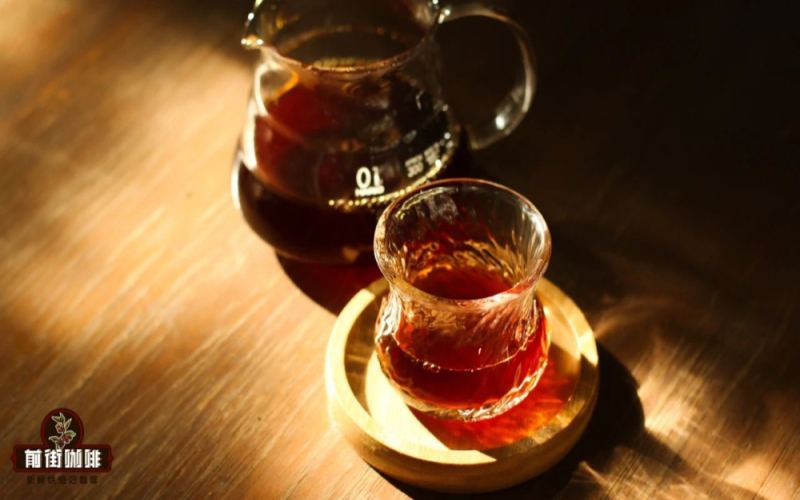
From Smell to Touch: A Practical Path to Systematically Building Your Personal Coffee Sensory Skills
Coffee tasting goes far beyond taste—it is a coordinated experience of sight, hearing, touch, smell, and taste. This article starts from the interactive setting of a specialty coffee shop and delves into how to train and build your own coffee sensory system through daily accumulation and professional tools. You will learn how smell pulls on taste memory, how the tongue distinguishes the five basic tastes, how touch perceives body and smoothness, and how to use aroma kits such as the 36-aroma coffee nose and the 100-flavor flavor map for deliberate practice. Whether you are a coffee enthusiast or a professional, this method can help you read the flavors in the cup more clearly, making every tasting more enjoyable and more precise. [more…]
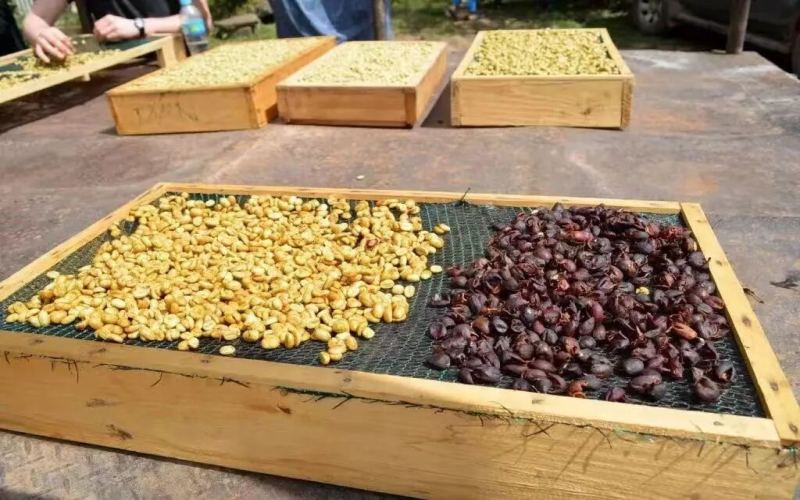
Characteristics of Costa Rican Coffee Beans | What Is Honey Processing? Why Do Costa Rican Coffees Mostly Use Honey Processing? What Flavor Characteristics Do Honey-Processed Coffee Beans Have?
When it comes to which region produces the best honey-processed coffee beans, Costa Rica is undoubtedly the answer. As the birthplace of the honey processing method, Costa Rica has naturally perfected its honey processing techniques to a high degree of mastery. In this article, Front Street Coffee will explain the flavor characteristics of Costa Rican honey-processed coffee beans. [more…]

A Complete Guide to Costa Rican Honey-Processed Coffee: From Yellow, Red, and Black Honey to Front Street Coffee's Musician Series Flavors
The honey process is a method developed by Costa Rican coffee farmers under specific geographical and commercial conditions. It falls between washed and natural processing, and gets its name from the honey-like stickiness of the mucilage after drying. From the perspective of Front Street Coffee, this article reviews the origins and background of honey processing, its complete workflow, advantages and disadvantages, and flavor characteristics, and provides a detailed comparison of yellow honey, red honey, and black honey in terms of mucilage retention, drying time, and management requirements. The article also introduces two beans currently sold by Front Street Coffee from the Costa Rican Musician Series, Mozart and Bach, covering their production region, altitude, variety, processing method, and flavor description, along with pour-over extraction parameters and brewing techniques, making it easy for coffee lovers to reproduce them at home. [more…]

A Full Analysis of the Origin Story, Processing Method, and Flavor Profile of Costa Rican Honey-Processed Coffee
The honey process was pioneered by Costa Rican coffee farmers and has now become a widely adopted processing method in Central America. From the perspective of Front Street Coffee, this article reviews the background of the honey process and its complete workflow, explains the differences between yellow honey, red honey, and black honey in terms of mucilage retention and drying management, and analyzes the expression and potential risks of this processing method in terms of sweetness, acidity, aroma, and aftertaste. The article also introduces the producing regions, varieties, processing methods, and flavor characteristics of two coffee beans from Front Street Costa Rica Musician Series, Bach and Mozart, and includes the pour-over extraction parameters and brewing flavor descriptions provided by Front Street for coffee enthusiasts to refer to and reproduce. [more…]
The Fruit-Acid Code of Kenyan Coffee: A Breakdown of Varieties, Origins, K72 Washing, and Roasting Key Points
Kenyan coffee is renowned for its intense acidity and fruity notes reminiscent of smoked plum and cherry tomatoes, making it a favorite among specialty coffee enthusiasts. Starting from the flavor profile of Front Street Kenya coffee, this article systematically reviews the cultivation history of Kenyan coffee, its main producing regions, the characteristics of the SL28 and SL34 varieties, and how the famous K72 washing process shapes its bright acidity. It also introduces roasting and brewing recommendations for Front Street Little Tomato coffee beans, giving you a comprehensive understanding of why Kenyan coffee is so rich in fruity acidity. [more…]

Costa Rica Black Honey Process Coffee Flavor Analysis: Differences Between Hand-Brewed Black Honey Beans and Natural Honey Processing
Costa Rica is the birthplace of the honey process. To cope with inconvenient transportation and slim profits, local coffee farmers developed this processing method that falls between washed and natural. Depending on how much mucilage is retained, honey processing is further divided into yellow honey, red honey, and black honey. Among them, black honey retains the most mucilage, takes the longest to dry, and has the richest flavor. In this article, Front Street Coffee will systematically sort out the origin, process, advantages and disadvantages, and flavor characteristics of honey processing, compare the differences with the natural process, and use two beans—Costa Rica Fire Phoenix Sapphire and Canet Estate Bahia—as examples to share roasting curves and pour-over parameters, helping coffee lovers understand the source of sweetness in black honey processed coffee beans and the key points of brewing. [more…]
How Is Honey Processing Different from Natural Processing? Analyzing the Rise and Flavor Characteristics of Honey-Processed Coffee Beans
The flavor profile of coffee is often determined by the combination of its producing region, variety, and processing method. Among the many processing methods, honey processing has surged in popularity in recent years; it shares similarities with natural processing, yet stands uniquely apart. From the perspective of Front Street Coffee, this article traces the origins of honey processing, its operational workflow, the differences between yellow, red, and black honey, and the core distinctions from natural processing in terms of flavor and craft. It also draws on two beans currently sold by Front Street—Costa Rica Fire Phoenix Sapphire and the Musician Series Bach—to share roasting and brewing test results, helping coffee enthusiasts more clearly understand why honey-processed coffee beans are so highly favored. [more…]
An In-Depth Analysis of Semeon Abay's Special Anaerobic Processing Method: From Fermentation Technique to Flavor Expression
Coffee bean processing methods are becoming increasingly diverse, and among them the Semeon Abay processing method has attracted the attention of many enthusiasts with its unique fermentation logic and personal character. From the perspective of Front Street Coffee, this article systematically sorts out the origin story and operational process of this special processing method, while also comparing the advantages, disadvantages, and flavor differences of the three traditional methods—washed, natural, and honey—to help readers more clearly understand the impact of different processing methods on coffee taste and provide a reference basis for everyday purchasing decisions. [more…]