







Search Results for: Black Eye Coffee
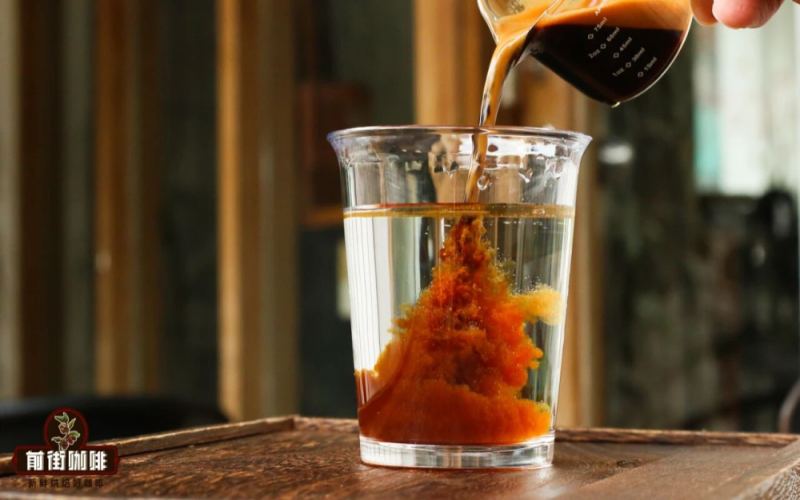
How Is Red Eye Coffee Different from Americano? The Origin of the Red Eye Flight Name and an Analysis of How to Make Black Eye Coffee
What exactly is a Red Eye Coffee? How does it differ from an Americano? And what is the connection between this name and red-eye flights? At Front Street, when a customer asked for an "espresso mixed with pour-over," we realized they were actually referring to Red Eye Coffee. This article will walk you through the origin story of Red Eye Coffee, how it's made, and its relationship with Black Eye Coffee and Dead Eye Coffee, as well as share Front Street's specific blending formula and extraction parameters. One thing to note: Red Eye Coffee was created for efficient caffeine delivery rather than flavor, so those sensitive to caffeine should proceed with caution. [more…]

What Is Red Eye Coffee? An Analysis of the Black Eye Coffee Method Mixing Espresso and Pour-Over, and Its Differences from Americano
The name Red Eye Coffee comes from red-eye flights. It is said that cabin crew, in order to stay awake during long night flights, mixed espresso with drip coffee, and thus this extremely high-caffeine drink was born. Today, the way Red Eye Coffee is made has changed somewhat. Based on modern changes in espresso concentration, Front Street has optimized the ratio of espresso to pour-over to 1:5, and uses the medium-dark roasted Warm Sun blend and the Brazil Queen Estate for separate extraction to ensure harmonious flavor. This article will introduce in detail the origin of Red Eye Coffee, the specific preparation steps, the flavor performance, and its difference from Americano, while also reminding friends with sensitive stomachs or low caffeine tolerance to try it with caution. [more…]
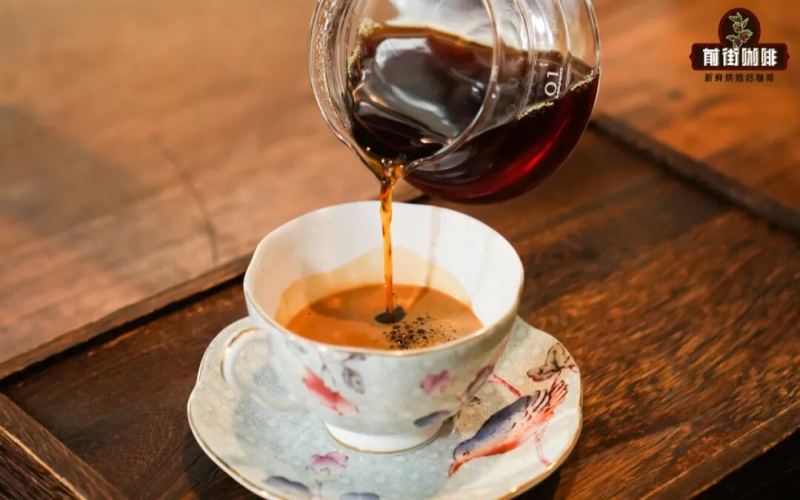
Coffee Brewing | What is Red Eye Coffee? What is the appropriate ratio of espresso to pour-over coffee? How do you make a delicious Red Eye Coffee?
“Espresso mixed with pour-over—how do you make it taste good?” Yes, you read that right! When Front Street Coffee heard this “staple with staple” question at the store before 5 p.m. yesterday, they were also taken aback, because such a question is truly unheard of. After some further investigation by Front Street Coffee, it was discovered that this customer friend had originally [more…]

Ice Eye B75 Flat-Bottom Dripper Review: How a Large-Hole Design Unlocks Coffee's High Sweetness and Cleanliness
Front Street Coffee has previously introduced the concave-designed conical Ice Pupil dripper, and today we bring its younger sibling—the Ice Pupil B75. This flat-bottom dripper, co-designed by Li Jinlong and Timemore in 2022, gets its name from the Basket and its 75° angle. It features a 5cm extra-large drainage hole and a thick-walled heat-retaining structure, bringing the coffee bed closer to a cylindrical shape, allowing for smooth and even drainage. Front Street conducted both hot and iced brewing tests using Ethiopian 74158 Santa Vini and Emerald Green Label Geisha: during hot brewing, the B75 maintained a stable flow rate throughout, completing extraction in 2 minutes and 9 seconds, with prominent notes of dried mango, strawberry, and black tea, and an extremely strong sweetness; during iced brewing, it presented a balanced juice-like quality of honey, cream, and mandarin orange. The B75 is also very friendly to beginners who are not skilled at flow control, making it a powerful tool for amplifying the strengths of sweet beans. [more…]

Detailed Explanation of Flavor Differences and Pour-Over Techniques Between Ice Eye Dripper and V60 When Brewing Costa Rican Coffee
Would you like to understand the flavor differences between brewing Costa Rican coffee with the Ice Eye dripper and the V60 dripper? This article starts with the structural characteristics of the drippers, compares in detail the extraction principles of the Ice Eye dripper and the V60 dripper, and presents the different flavor performances brought by the two drippers through actual brewing tests with Front Street Strawberry Candy coffee beans. We will also share our experience using the Ice Eye dripper and offer brewing suggestions for different coffee beans. Whether you are a coffee beginner or a seasoned enthusiast, you can find practical methods here to improve your pour-over skills. [more…]

A Detailed Explanation of Green Coffee Defect Classification Standards: Which Beans Need to Be Removed and Which Are Just Visual Misunderstandings
Many coffee enthusiasts, when first encountering coffee beans, often misjudge defective beans based on unusual appearance. In reality, true defective beans are mainly concentrated at the green bean stage, and most have already been screened out at the producing region and roasting stages. Among the beans consumers buy day to day, those covered in wrinkles, with cracks, or on the lighter side in color are often not defects, but normal phenomena brought about by light roasting, high-altitude cultivation, or specific processing methods. This article systematically sorts out the classification standards for green coffee bean defects, distinguishes true defective beans from appearance traits that are easily misunderstood, and introduces Front Street Coffee's practice of double screening before and after roasting, helping readers build a more accurate basis for judging quality. [more…]
Is It Normal for Black Sediment to Appear at the Bottom of an Espresso Shot? A Full Analysis of the Causes of Fine Particles and How to Fix Them
Many people notice a layer of fine black powder at the bottom of the cup after finishing a latte or espresso, and sometimes dark particles float at the bottom of an iced latte as well. Is this actually normal? Does it affect flavor or health? In fact, this sediment consists of ultra-fine particles that pass through the filter basket holes during espresso extraction. A trace amount is normal, but if a large amount of grounds is visible to the naked eye, it means something has gone wrong in the extraction process. This article starts with where these fine particles come from, analyzes possible factors such as grinding, the portafilter basket, and barista technique, and offers practical solutions like adjusting the grind setting, switching baskets, and adding a paper filter, to help you enjoy a cleaner cup of coffee. [more…]
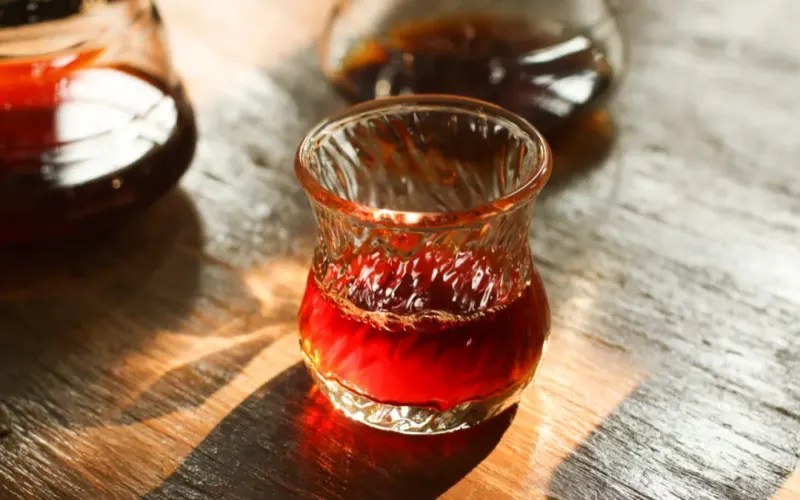
Why Is Coffee Liquid Cloudy? Causes, Oil Sources, Brewing Methods, and Whether It's Safe to Drink
Many people are used to judging the quality of a cup of black coffee by observing with the naked eye whether the coffee liquid is clear. But when coffee liquid appears cloudy with floating oils, is it an extraction problem or a normal phenomenon? This article explores the determining factors of coffee clarity, analyzes the effects of extraction methods and filtering equipment on coffee's appearance, and answers whether cloudy coffee is still safe to drink. Front Street also suggests that instead of drawing conclusions based on sight, it's better to focus on tasting itself and use flavor to judge a coffee's true quality. [more…]
The Scientific Basis for Caffeine's Fat-Burning Effect and How to Drink It Correctly: Timing, Types, and Precautions During Training
Caffeine in skincare products can promote skin microcirculation and relieve eye bags and puffiness, but its effects go far beyond beauty. Scientific research shows that caffeine can also assist with fat loss—by accelerating fat oxidation and increasing basal metabolic rate to boost energy expenditure. However, what you drink, when you drink it, and how much you drink all affect the final result. Simply processed black coffee is better than fancy drinks loaded with sugar and creamer; drinking it about an hour before exercise makes fat burning more efficient, while during strength training, intake should be controlled to avoid interfering with protein absorption. This article will help you sort out the correct approach to caffeine for weight loss, from mechanisms to practical application, and includes product recommendations from Front Street Coffee. [more…]
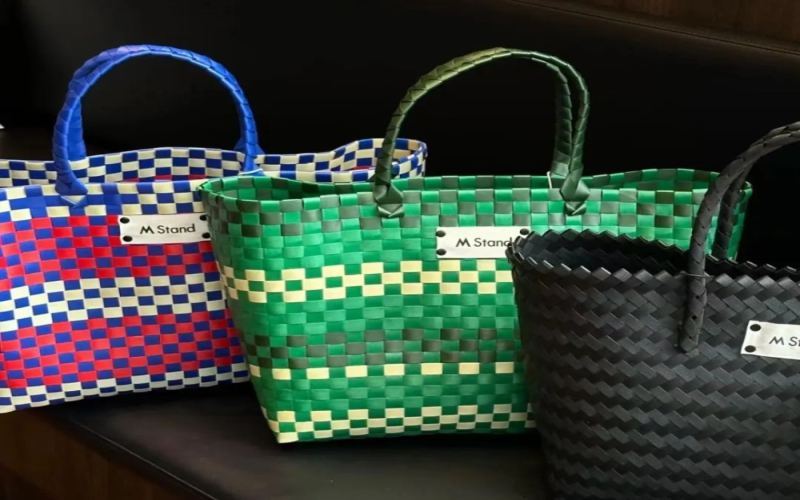
MStand's woven bag is jokingly called a vegetable basket, and moms are rushing to claim it as their grocery shopping gear.
The chain coffee brand MStand recently launched a new product, Blackberry Sparkling Americano, and simultaneously released three woven bags for everyday outings, in pure black, green-white, and red-blue colorways, which quickly sparked a buying frenzy among fans. However, this merch, with its surprisingly large capacity and stylish looks, went viral online because its appearance closely resembles the grocery baskets commonly used by elders, and many moms have directly commandeered it as everyday shopping gear. This article walks you through how this merch campaign works, real feedback from netizens, and the material issues to consider before buying. [more…]
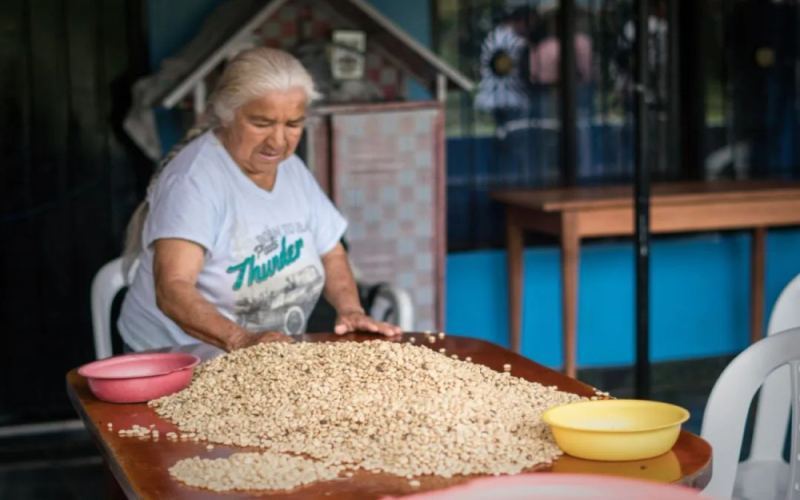
Do defective beans really change coffee flavor? From grading to roasting, we teach you to accurately identify various coffee bean defects.
Defective beans are generally considered in the specialty coffee world to affect the flavor performance of a cup of coffee. If you have the habit of buying coffee beans and brewing at home, do you need to specifically pick out defective beans before brewing? In fact, green coffee beans undergo grading after processing, and most grading systems include a defect rate indicator. The number of defects in high-grade coffee beans has already been pressed to a very low level. From green bean grading, removal before roasting, to screening after roasting, with layer upon layer of checks, there is basically no need to worry about defective bean issues when buying roasted single-origin coffee beans. However, some coffee beans that look like defects are actually normal phenomena. Front Street Coffee has summarized several common types of situations that are easily misjudged, to help everyone distinguish them accurately. [more…]
A Detailed Explanation of the SCAA Specialty Coffee Green Bean Defect Grading and Scoring Standards: A Comprehensive Analysis from Defects to Cupping Performance
Before green coffee beans reach our hands, they often go through many stages, during which defects are almost unavoidable. Some defects are obvious at the green bean stage, yet once roasted they may be cleverly concealed. The SCAA (Specialty Coffee Association of America) has established strict grading standards for specialty Arabica coffee, covering multiple dimensions such as defect types, moisture content, aroma, and bean size. This article will systematically sort out the SCAA's defect classification rules and scoring requirements, explain in detail the causes of various defective beans and their impact on cupping flavor, and help enthusiasts develop a keen eye for identifying specialty coffee. At the same time, the article retains relevant recommendations from the Front Street brand for readers' reference. [more…]
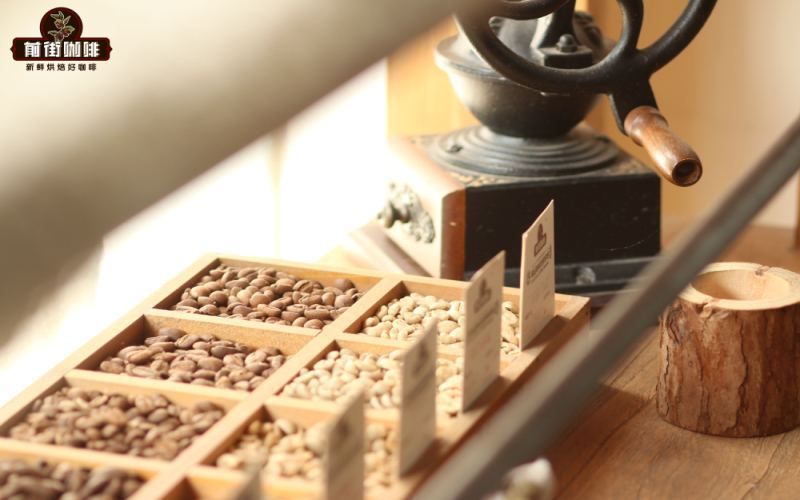
Instant Black Coffee Buying Guide: Flavor Review and Processing Analysis of Mainstream Freeze-Dried Coffee Brands
For many office workers, a daily cup of coffee has become a necessity, but buying it out over the long term adds up, making home brewing a money-saving solution. There are countless types of instant coffee—what exactly is the difference between freeze-drying and spray-drying, and how do their flavor profiles differ? This article first traces the history of instant coffee from its invention in 1901 to Nestlé's mass production, then analyzes how spray-drying and freeze-drying affect flavor, and finally presents Front Street Coffee's hands-on comparison of multiple instant coffee products from five brands—Tim Hortons, Yongpu, Eagle Eye, Saturnbird, and Coffee Box—to help you find the one that suits your taste. [more…]
Panama Elida ASD Anaerobic Low-Temperature Slow Natural Geisha: Four Pour-Over Brewer Methods and Flavor Comparison
Front Street recently acquired a Geisha coffee bean from Elida Estate in Panama, processed using the NATURAL-ASD anaerobic fermentation low-temperature slow sun-drying method—the same process used for this year's Panama BOP champion Geisha in the processing category. After the beans were properly rested, we tested brewing with a hollow filter cup, Ice Eye filter cup, cake filter cup, and diamond filter cup, standardizing the parameters to 15 grams of coffee, medium-fine grind, 90°C water temperature, and a 1:15 coffee-to-water ratio, recording the extraction time and flavor performance for each filter cup. Elida Estate is renowned for its sun-dried processing, and this ASD Geisha shines in fermentation aroma, juicy mouthfeel, and layered tea-like notes. Below, we share four specific brewing recipes and comparison results for coffee enthusiasts' reference. [more…]
Do Cheap Coffee Beans Hide Something Suspicious? A Practical Buying Guide for Online Black Coffee Beans
The ingredient list for coffee beans is so simple that there is almost no room for adulteration. What the market calls "counterfeits" is mostly brand imitation rather than a problem with the product itself. When choosing black coffee beans, there are really only two things worth your attention: first, figuring out your preferred flavor profile; second, keeping a close eye on the roast date. What you drink coffee for is the unique flavor bestowed by its origin. Green beans mostly come from overseas, while roasting is often done domestically, and the first month after roasting is the window when the aroma is at its fullest. By contrast, beans that are roasted abroad and then shipped across the ocean have already lost much of their freshness. This article focuses on这些 key points to help you sort out your approach to buying coffee beans online, and also touches on recommendations from the Front Street brand. [more…]
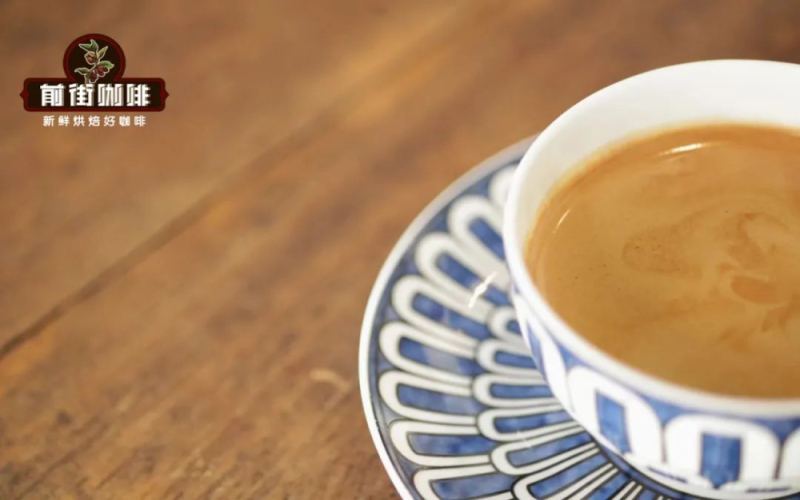
What Is the Difference Between a Long Black and an Americano? An Analysis of Long Black Preparation, Flavor Characteristics, and Iced Drink Issues
In today's world of increasingly rich coffee shop menus, Long Black coffee is gradually coming into the public eye. How exactly does it differ from the Americano we are all familiar with? Why do Australians prefer this stronger, smaller-cup black coffee? This article will start with the origins of Long Black, compare its differences from Americano in water ratio, preparation process, and flavor performance, and answer the question of whether Long Black can be served iced. At the same time, drawing on Front Street Coffee's store experience, it will introduce how to highlight flavors such as wine aroma, vanilla, and cream through blended beans and precise ratios, helping coffee lovers understand this Australian classic more comprehensively. [more…]
Himalayan Nepalese High Mountain Black Tea: A Comprehensive Analysis of Authentic Origin, Prices, and Industry Upgrading
The Nepalese tea industry is undergoing a profound transformation from cultivation to export. Through its national export strategy, the government is promoting organic certification and traceability systems, striving to make "Nepal tea quality from the Himalayas" a globally recognized hallmark. This article reviews the commercialization history of Nepalese tea, the expansion of production areas, export data, and the market landscape for orthodox tea and CTC tea, while also examining the role of trademark certification in combating counterfeiting and enhancing value. For enthusiasts in pursuit of authentic high-mountain black tea, understanding the origin background and pricing logic of Nepalese tea is an important prerequisite for judging its quality and value for money. Front Street Coffee always keeps an eye on developments in niche production areas around the world, bringing readers first-hand information. [more…]
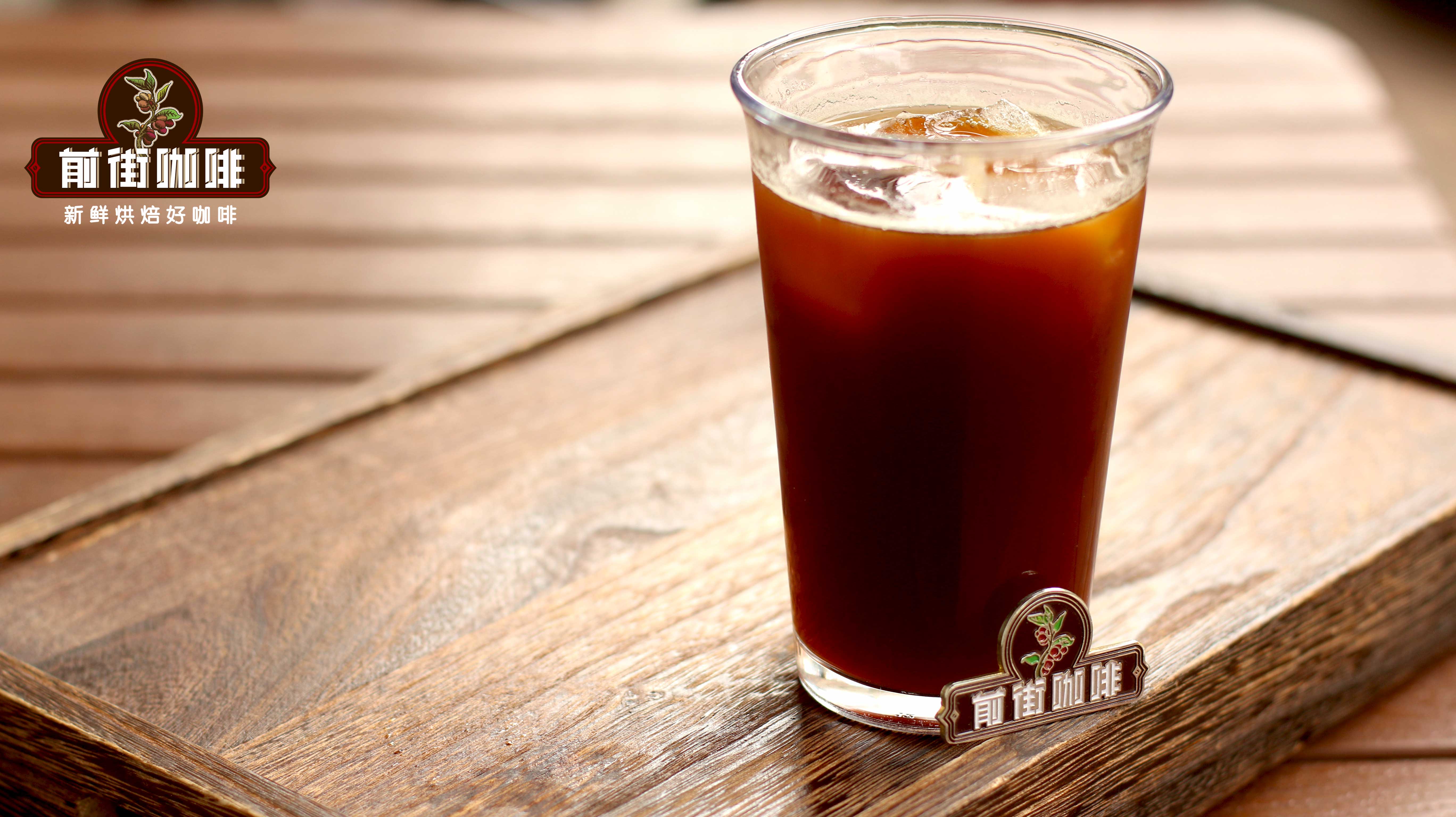
What is Americano? How is it different from Long Black? Front Street Coffee explains the brewing ratio and iced Americano method.
When ordering at a coffee shop, Americano is often the most eye-catching and most frequently ordered item on the menu. It is not only a staple choice for many people to perk up daily, but also often regarded as the top choice by fitness and sugar-control crowds. However, does Americano really count as black coffee? And what is the difference between it and Long Black, which has frequently appeared on menus in recent years? In this article, Front Street will clarify the ins and outs of Americano from the perspectives of historical origins, extraction methods, and water-to-coffee ratios, and provide specific parameters suitable for home use and iced drinks, including production suggestions for Front Street Black Cocoa Blend and Front Street Strawberry Candy espresso, making it easy for coffee lovers to recreate a smooth cup of Americano at home. [more…]
Costa Rica Musician Series Bach Coffee: Variety Characteristics and V60 and Other Pour-Over Brewer Brewing Parameters Explained
This article focuses on the Costa Rica Musician Series Bach released by Front Street Coffee. It first introduces the background of its producing region, estate, processing method, and Caturra variety, then explains the flavor positioning and brewing approach for this bean. The article uses the V60, cake filter, and Ice Eye dripper for comparison, providing water temperature, grind size, coffee-to-water ratio, and a three-stage pouring technique, and records the flavor changes at high temperature, medium temperature, and after complete cooling. It is suitable as a reference for coffee enthusiasts who want to understand the characteristics of the Musician Series Bach and who hope to replicate its high sweetness, full body, and clean expression. [more…]
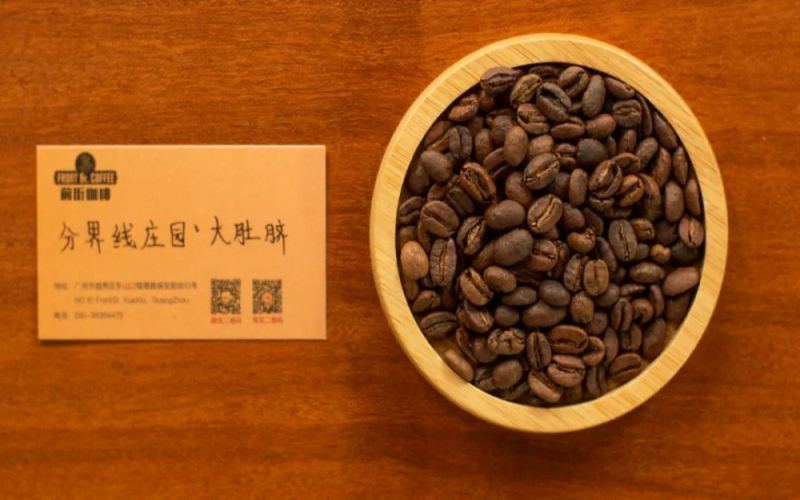
Colombia Finca La Divisa Ombligon Coffee Variety Analysis: A Full Reveal of Flavor Characteristics and Processing Methods
In the world of specialty coffee, there are always some rare varieties that burst into the public eye with their unique flavor expressions. Ombligon is a rising star that has attracted much attention in recent years—it originates from Finca El Diviso in the Huila region of Colombia, and is named for the navel-like shape at the bottom of the fruit. From the 2023 WBC finals to the Chicago WBrC, this bean has frequently appeared on the international competition stage, conquering judges and coffee lovers with its rich and varied juicy feel and fermented wine aroma. This article will give you a comprehensive understanding of the variety origin of Ombligon, its flavor characteristics, the background of Finca El Diviso, and its meticulous double anaerobic natural processing flow, along with Front Street Coffee's pour-over parameter suggestions, so that you can recreate the bean's captivating layers at home. [more…]