







Search Results for: Best of Panama green bean competition

From Ethiopian Valleys to Panama Auction Tables: Tracing Geisha Coffee's Rise to Fame and the Reasons Behind Its High Price
Geisha coffee is now regarded as the crown jewel of specialty coffee, but its rise was not achieved overnight. From 1936, when the Englishman Richard Whalley collected seeds in the Geisha Mountains of Ethiopia, Geisha's footprint successively reached Kenya, Tanzania, and Costa Rica, and was finally brought to Panama in 1960 by Don Pachi Serracin. Before 2004, Geisha was long interplanted with other varieties, grown at low altitudes, and had never displayed its own flavor as a single variety. It was not until Daniel Peterson of Hacienda La Esmeralda presented an unblended Geisha in the Best of Panama green bean competition that this bean won first place in one stroke, with a bid price of only $21 per pound at the time. After that, the market crisis triggered by the collapse of the International Coffee Agreement in 1989, together with the push of the specialty coffee wave after the founding of the SCAA, jointly propelled Geisha onto the legendary stage. This article will sort out this historical thread and explain why Geisha prices remain persistently high. [more…]

Tracing the Origins of Panama's BOP Competition: Hacienda La Esmeralda Geisha Red, Green, and Blue Label Grades and Their Brewing Flavor Analysis
The Panama BOP (Best of Panama) is the world's first green coffee competition. Since its inception in 1996, it has profoundly advanced the development of specialty coffee, and Hacienda La Esmeralda's Geisha shot to fame in 2004. Hacienda La Esmeralda meticulously grades its Geisha by altitude and plot, forming a three-tier system of Red Label, Green Label, and Blue Label. This article systematically reviews the origins of the BOP competition and auction, the history and plot divisions of Hacienda La Esmeralda, analyzes in detail the definitional differences between Red Label, Green Label, and Blue Label, and includes Front Street Coffee's brewing parameter recommendations and flavor descriptions, providing coffee lovers with a complete guide to Geisha knowledge. [more…]
Panama Casa Ruiz Estate Geisha Coffee Beans: Flavor and Heritage of a Century-Old Cooperative in the Boquete Region
The Casa Ruiz cooperative in the Boquete production region of Panama has been passed down through three generations since its founding in 1979, bringing together more than three hundred family farms, and is a frequent winner in the Best of Panama auction. It owns estates such as Berlina, Maunier, and Panamaria, and is renowned for environmentally friendly shade-grown cultivation and rigorous green bean processing. This article will guide you through the history of Casa Ruiz, the characteristics of its estates, its award records, and the flavor performance of varieties such as Geisha, while also recommending related products from Front Street Coffee, providing coffee enthusiasts with a complete reference on the production region and purchasing. [more…]
Full Analysis of the Panama BOP Competition: Differences and Brewing of Hacienda La Esmeralda Geisha Red, Green, and Blue Label Coffee Beans
The Best of Panama (BOP) is the world's first green coffee competition, using blind cupping to conduct sensory evaluation of Panamanian specialty coffee, and it has greatly promoted the specialty cultivation of Panamanian coffee. This article begins with the history of the BOP auction and provides a detailed introduction to the Geisha legend of Hacienda La Esmeralda, including the grading criteria for Red Label, Green Label, and Blue Label, their plot origins, processing methods, and flavor differences, along with Front Street Coffee's brewing parameter recommendations to help coffee enthusiasts gain a comprehensive understanding of the origins and evolution of this top-tier Geisha. [more…]
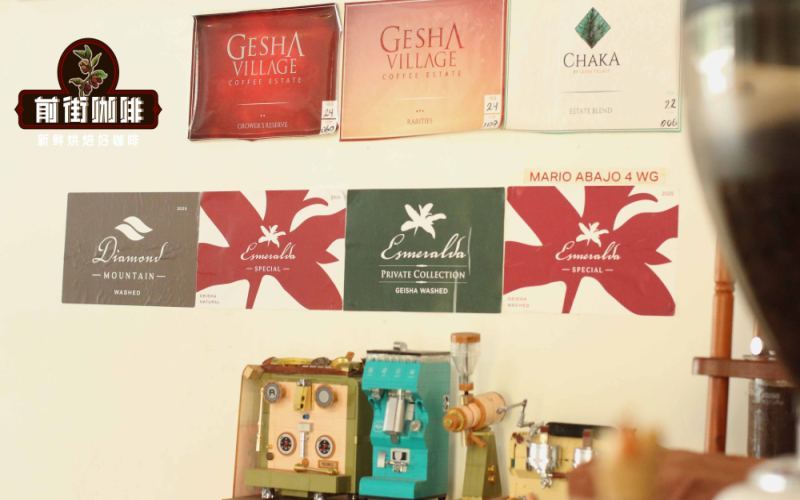
Panama Geisha Coffee Bean Variety Characteristics, Auction Market Trends, and Hacienda La Esmeralda Brand Buying Guide
Geisha coffee holds a pivotal position in the specialty coffee world. From its meteoric rise to fame in 2004 to breaking auction records year after year, what exactly makes it so expensive? This article traces the discovery and spread of Geisha, analyzes the reasons behind its demanding growing conditions and low yields, outlines the development of the Best of Panama (BOP) competition, and highlights the various brand series under Hacienda La Esmeralda as well as the flavor differences brought by washed and natural processing methods. At the same time, Front Street Coffee will share purchasing advice and brewing parameters for several Panamanian Geishas, helping coffee enthusiasts gain a comprehensive understanding of this star variety. [more…]
Exploring the Flavor Characteristics and Origins of Panama's Green Tip Geisha: From Hacienda La Esmeralda to a Specialty Coffee Legend
Panama, this narrow isthmus connecting North and South America, with its unique microclimates and volcanic soil, has given birth to the world-famous Geisha coffee. From the introduction of Typica in 1780 to Hacienda La Esmeralda's stunning breakthrough in 2004, how did Geisha rise from a windbreak hedge to the pinnacle of fame? What is the difference between green-tip and bronze-tip? This article takes you through the historical trajectory of Panama Geisha, decoding the terroir secrets of core producing regions such as Boquete and Volcán Barú, and reviewing the cultivation characteristics and grading systems of renowned estates like Hacienda La Esmeralda, Elida, and Hartmann, offering a comprehensive presentation of Geisha coffee's legendary charm. [more…]
2018 Panama BOP Auction Concludes: Natural Geisha Sets a Record High of $803 per Pound, Hacienda La Esmeralda Crowned Double Champion
The results of the 2018 Best of Panama (BOP) auction have been officially revealed. The natural Geisha shattered the historical record with a staggering price of $803 per pound, becoming this year's top lot. Elida Estate, with its double victory in both the washed and natural Geisha categories, became the first "double champion" in BOP history. This year's auction not only witnessed the continued dominance of the Geisha variety but also reflected the profound impact of reduced production in the Panama region on the scale of the competition. Front Street Coffee takes you through a comprehensive review of the highlights and changes of this world-class green bean event. [more…]
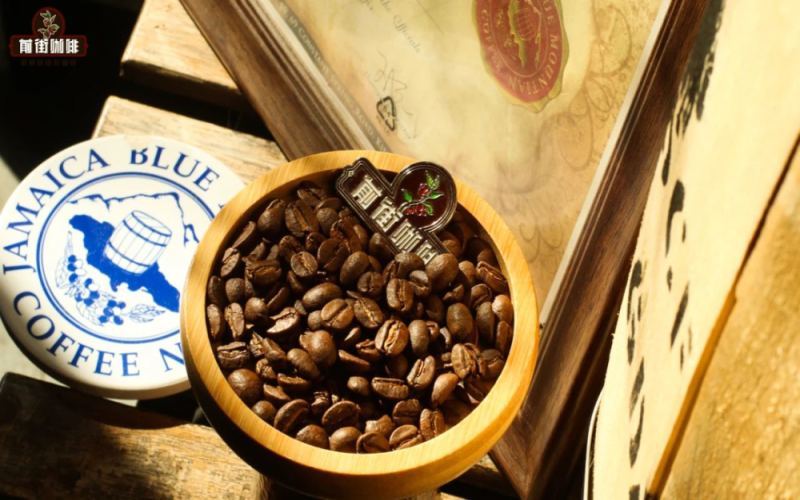
How to brew Geisha pour-over for the best taste? Flavor characteristics of Panama Boquete and an analysis of Hacienda La Esmeralda's grading
Geisha coffee often sells for astronomical prices, but is it really better tasting than Blue Mountain? Front Street Coffee believes the two styles sit at opposite ends of the spectrum: Blue Mountain leans rich and balanced, while Geisha is known for its floral aroma and fruity acidity, with its high price mainly stemming from extremely limited production and strict grading standards. This article takes you from Geisha's native Ethiopia, tracing its legendary path through Kenya and Costa Rica before finally settling in Panama, with a focus on analyzing the microclimate and volcanic soil advantages of the Boquete production region, and explaining one by one the grading logic and flavor differences between Hacienda La Esmeralda's Red Label and Green Label. At the end, we include Front Street Coffee's pour-over parameter recommendations for Geisha, as well as a Panama Butterfly—a Geisha-containing blend with outstanding value—for your daily brewing reference. [more…]
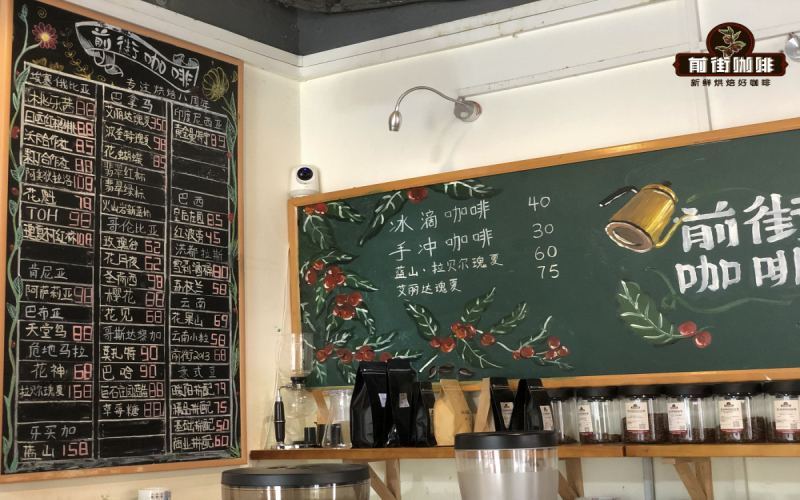
A Complete Guide to Panama Geisha Coffee: Variety Origins, Growing Conditions, Market Prices, and Flavor Brewing Guide
Geisha coffee holds a unique and exalted position in the specialty coffee world, with its price consistently ranking at the top of the menu. From the perspective of Front Street, this article systematically traces Geisha's varietal origins and rise to fame, analyzing the deep-seated reasons behind its high price, including its stringent requirements for growing conditions such as altitude, soil, and shade, as well as varietal characteristics like thin leaves, weak root systems, and low yields. It also introduces the Best of Panama (BOP) competition and Hacienda La Esmeralda's grading system, details the flavor differences between washed and natural processing methods, and offers red label, green label, and affordable alternative options from Front Street's bean list. Finally, it includes brewing parameters and flavor descriptions for the washed green label, helping enthusiasts fully understand Geisha's value and charm. [more…]
An Analysis of the Variety Classification, Origin, and Flavor Profile of Geisha Coffee Beans
Is Geisha actually an Arabica variety? It emerged from the wild forests of Ethiopia, journeyed through Kenya, Uganda, Tanzania, and Costa Rica, and finally made a stunning debut in Panama, becoming the new king of the specialty coffee world. This article will trace Geisha's variety classification and transmission path, review its championship history at the Panama Best of Panama cupping competition and the SCAA International Grand Reserve cupping competition, and describe its green bean appearance, aroma characteristics, and key points in choosing roast level. Whether you are a beginner just encountering Geisha or a seasoned connoisseur wanting to understand this bean in depth, you will gain a clear and complete understanding from it. [more…]
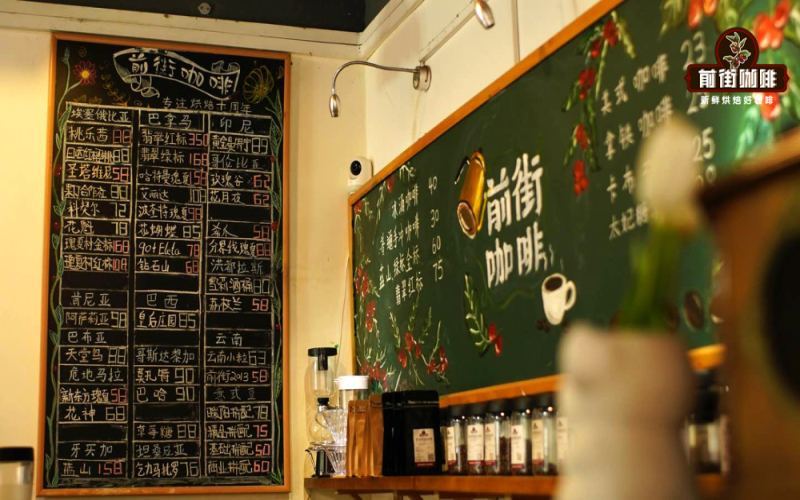
Why Panama Became a Top Coffee Origin: A Full Analysis of Specialty Estates and Geisha Flavors
Although Panama is not the country with the longest history of coffee cultivation, it holds an irreplaceable position in the specialty coffee world. From coffee's first arrival on this land in the 18th century, to the rise of renowned estates such as Hacienda La Esmeralda and Hartmann Estates, and then to the Best of Panama green bean competition propelling Geisha to legendary status, Panama has forged a specialty path of low volume and high quality. Front Street Coffee also places Panama prominently on its bean list, with multiple single-origin offerings spanning different price points to satisfy palates from beginner to advanced. This article will guide you through the history of Panamanian coffee, its three core producing regions, the BOP competition, as well as the flavor characteristics of Geisha and Front Street's brewing recommendations for the washed Boquete Geisha. [more…]
Detailed Guide to Panama Coffee Regions and Geisha Varieties: Processing Methods, Notable Estates, and Pour-Over Parameters
Although Panama is not the country with the longest history of coffee cultivation, it occupies a pivotal position in the specialty coffee world. From coffee's first arrival in 1742 to the emergence of renowned estates such as Hacienda La Esmeralda and Hartmann Estate today, Panama has carved out a high-end path of low volume and high quality. This article will trace the development of Panamanian coffee and its three core producing regions, explain the origins and evolution of the Best of Panama green bean competition, and share Front Street Coffee's understanding of the flavor of washed Boquete Geisha along with a pour-over brewing recipe. [more…]
Analysis of the Differences Between Panama Hacienda La Esmeralda Geisha Red, Green, and Blue Labels, Plus BOP Auction and Award History
Panama's Hacienda La Esmeralda Geisha coffee beans are world-renowned, but what exactly are the differences between the Red Label, Green Label, and Blue Label? From the perspective of Front Street Coffee, this article systematically sorts out the origins of the BOP (Best of Panama) green bean competition and its auction mechanism, reviews Hacienda La Esmeralda's journey from its establishment in 1964 to its rise to fame with Geisha in 2004, and analyzes in detail the microclimates and grading logic of the estate's three major plots: Jaramillo, Cañas Verdes, and El Velo. At the same time, the article will explain the definitions, altitude ranges, processing methods, and flavor characteristics of the Red Label, Green Label, and Blue Label, and provide brewing parameters recommended by Front Street Coffee, helping coffee enthusiasts fully understand the grading system and key purchasing points of Hacienda La Esmeralda Geisha. [more…]
A Complete Analysis of Panama's Coffee Regions: From Planting History to the Specialty Path of Geisha Auctions
Although Panama is a small country, it occupies a pivotal position in the world of specialty coffee. From coffee's first arrival in the Americas in the 18th century to Geisha repeatedly setting record auction prices today, this volcanic land nourished by air currents from two oceans has given rise to flavors that captivate coffee lovers around the world. Front Street Coffee takes you into Panama, tracing its cultivation history, its three core producing regions, the Best of Panama competition, and sharing brewing insights on a washed Boquete Geisha. [more…]
Panama Coffee Beans Flavor Characteristics and a Complete Analysis of the Boquete Region Geisha Processing Methods and Brewing
Although Panama is a small country, it occupies a pivotal position in the world of specialty coffee, and is especially famous globally for the Geisha variety. Starting from its historical context, this article traces how coffee was introduced to Panama and gradually moved toward specialization, focusing on the three major producing regions of Boquete, Volcan, and Renacimiento in Chiriqui Province, as well as the origins and development of the Best of Panama BOP green bean competition. At the same time, Front Street Coffee brings a washed Geisha from the Boquete region, breaking down in detail its flavor performance and V60 pour-over parameters to help coffee lovers fully understand the complete picture of Panamanian Geisha from origin to cup. [more…]
Panama Boquete Coffee: A Complete Interpretation from Historical Origins to Geisha Flavor
Although Panama is a small country, it occupies a pivotal position in the world of specialty coffee. On Front Street Coffee's bean list, Panamanian coffees range from a few dozen yuan to several hundred yuan, and the wide price span often makes first-time customers curious. This article will take you into this Central American coffee-producing country, tracing the historical threads of its coffee cultivation, analyzing the terroir conditions of core producing regions such as Boquete, reviewing the origins and influence of the Best of Panama green bean competition, and taking an in-depth look at the flavor characteristics of Geisha coffee and Front Street's washed Boquete Geisha brewing method, so that you can understand the full picture of Panamanian coffee in one go. [more…]
Why Can Panama Geisha Claim the Title of the Most Expensive Coffee? Understanding the Boquete Region and the Hacienda La Esmeralda Grading System
When it comes to expensive coffee, many people first think of Blue Mountain, but Geisha is actually even more valuable. Why does Geisha sell for so much? What is the difference in flavor between it and Blue Mountain? From the perspective of Front Street Coffee, this article sorts out the complete journey of Geisha from Ethiopia to its rise to fame in Panama, introduces the terroir conditions of the Boquete production area, and analyzes one by one the grading standards of Hacienda La Esmeralda's Red Label, Green Label, and Blue Label. If you want to experience the classic flavor of Geisha without bearing too high a cost, Front Street will also recommend a highly cost-effective Panama Butterfly, along with specific brewing parameters and suggestions. [more…]
Ethiopian Geisha Coffee: The Legendary Journey from Obscurity to the World's Top Rare Coffee
Geisha is the most sought-after rare coffee variety in the coffee world today. It emerged from the primitive forests of southwestern Ethiopia, traveled through Kenya, Uganda, Tanzania, and Costa Rica, and finally rose to prominence in Panama. Over the past decade or so, Geisha has swept major coffee competitions, winning more than twenty championships, leaving Blue Mountain and Hawaiian Kona in the dust. At the 2016 World Coffee Championship in Dublin, two-thirds of the competitors chose Geisha. This article will give you a comprehensive understanding of Geisha's origins, its spread, the reasons behind its high price, the differences between the red, green, and blue labels, and its stunning flavor profile. [more…]
Panama Boquete Coffee Beans Flavor Analysis: A Complete Guide from Growing History to Geisha Pour-Over Techniques
Although Panama is a small country, it occupies a pivotal position on the specialty coffee map. On Front Street Coffee's bean list, Panamanian coffees range from a few dozen yuan to several hundred yuan, and this wide price range often makes newcomers curious. This article will take you through the origins of coffee cultivation in Panama, the geography and climate characteristics of its three core producing regions—Boquete, Volcán, and Renacimiento—analyze how the Specialty Coffee Association of Panama and the Best of Panama green bean competition propelled Geisha onto the world stage, and use a washed Boquete Geisha as an example to break down in detail a complete pour-over brewing plan, from V60 dripper selection to three-stage pouring. [more…]
The Flavor Characteristics and Grading System of Panama Geisha Coffee: The Brand Story from Hacienda La Esmeralda to Geisha Village
Geisha coffee enjoys an extremely high reputation in the specialty coffee world, and its high price and exceptional quality captivate countless coffee lovers. This article, from the perspective of Front Street Coffee, reviews the historic moment in 2004 when Geisha rose to fame at the Best of Panama coffee competition, and traces the legendary journey of the Geisha variety from Ethiopia's Gori Gesha forest to Panama. At the same time, the article will introduce in detail the grading system of Hacienda La Esmeralda's Red Label, Green Label, and Blue Label, as well as the grading standards of Gesha Village's Gold Label, Red Label, Green Label, and Chaka series, and will include Front Street Coffee's professional description of Geisha's flavor and mouthfeel, taking you through a comprehensive understanding of this star coffee variety's brand story and tasting highlights. [more…]