





How should geisha coffe be brewed, and how do its grades differ?
Geisha coffe is brewed to protect its aromatics: use a medium-fine grind, water around 90 to 92°C, and a ratio near 1:15, pouring slowly in stages so the floral and fruity notes stay clear. It contrasts with Blue Mountain, which leans rich and balanced with nuts, chocolate, and caramel, while Geisha sits in the floral-fruity acidity range with a light, layered cup.
Its high cost, making it among the most expensive coffee, comes from scarce yields and strict grading rather than flavor superiority. Hacienda La Esmeralda separates Red Label auction lots from Green Label lots, and each has its own flavor profile and price level. The variety left Ethiopia in 1931, passed through Kenya, Tanzania, and Costa Rica, and reached Panama in the 1960s.
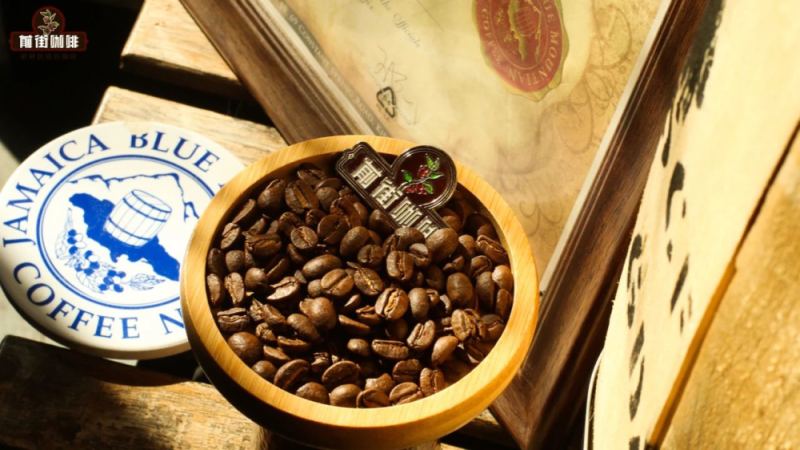
Geisha coffee often sells for astronomical prices, but is it really better tasting than Blue Mountain? Front Street believes the two styles sit at opposite ends of the spectrum: Blue Mountain leans rich and balanced, while Geisha is known for its floral aromatics and fruity acidity, with its high price mainly stemming from extremely limited yields and stringent grading. This article will take you from its native Ethiopia, tracing Geisha's legendary path through Kenya and Costa Rica before finally settling in Panama, with a focus on the microclimate and volcanic soil advantages of the Boquete region, and a detailed explanation of Hacienda La Esmeralda's Red Label and Green Label grading logic and flavor differences. At the end, we've included Front Street's pour-over parameters for Geisha, along with a Geisha-blended, high-value Panama Butterfly for everyday brewing reference.
For more specialty coffee knowledge, please follow our WeChat official account: Front Street Coffee (FrontStreet Coffee)
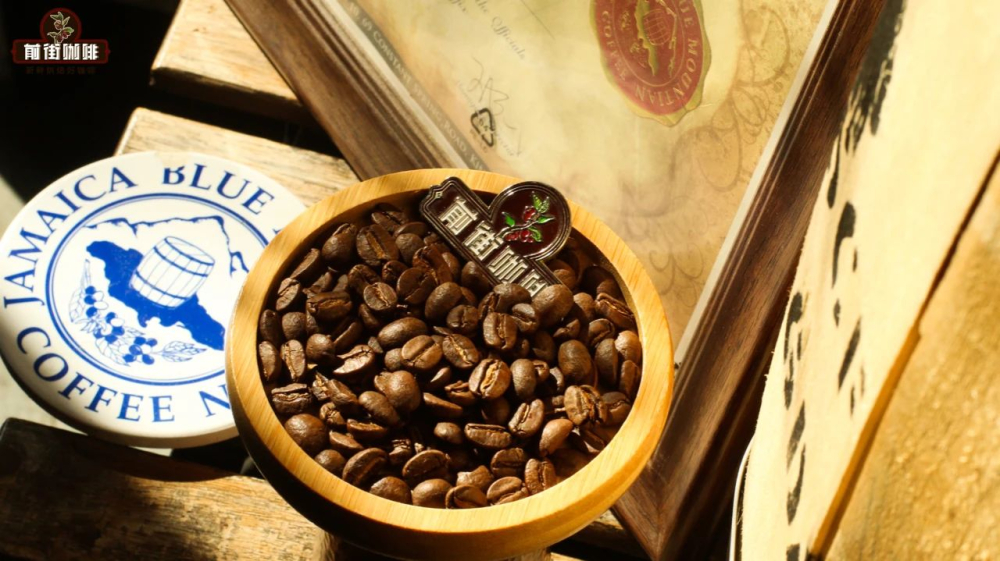
The price of Blue Mountain coffee is already staggering, but did you know that Geisha commands an even higher price? Blue Mountain has long been renowned for its rich, mellow aroma and is also one of the most expensive coffees in the world. So is Geisha expensive because it tastes better than Blue Mountain? Front Street is here to talk about it:
Geisha's higher price doesn't necessarily mean its flavor surpasses Blue Mountain. In terms of taste profile, each excels in its own way. Front Street. Blue Mountain coffee takes the rich and balanced route, with notes of nuts, chocolate, cream, and caramel from the roast; Front Street. Geisha falls into the floral-fruity acidity category, with a clear, transparent aroma and layered fruit flavors. There are two core reasons Geisha is expensive: scarce yields and strict grading.
Geisha's place of origin is Ethiopia. Because the plants are tall and yields are low, locals once used it merely as a windbreak. It wasn't until the owner of Panama's Hacienda La Esmeralda discovered its value that Geisha truly entered the public eye.
In 1931, Geisha quietly made its way out of the Geisha Mountains in southwestern Ethiopia, first introduced to Kenya, then spread to Tanzania and Costa Rica, and only transplanted to Panama in the 1960s. Nearly fifty years later, it suddenly exploded onto the scene, defeating established varieties like Bourbon, Caturra, Catuai, and Typica in cupping competitions, taking gold at the Best of Panama cupping competition in 2005, 2006, and 2007. In 2007, at the International Grand Cru Cupping Competition hosted by the Specialty Coffee Association of America (SCAA), Geisha won again, with bidding prices reaching $130 per pound, setting a new all-time record for competition beans.
According to Front Street, subsequent Best of Panama competitions simply split Geisha and non-Geisha into two groups, lest other varieties be overshadowed by it again.
Panama's Hacienda La Esmeralda also became famous because of Geisha. Nowadays, when people mention Geisha coffee, they almost reflexively think of Hacienda La Esmeralda, which has ironically diverted attention from other estates that also grow Geisha. Today, Front Street will first introduce you to Geisha from the Boquete coffee region.
Panama Boquete Region
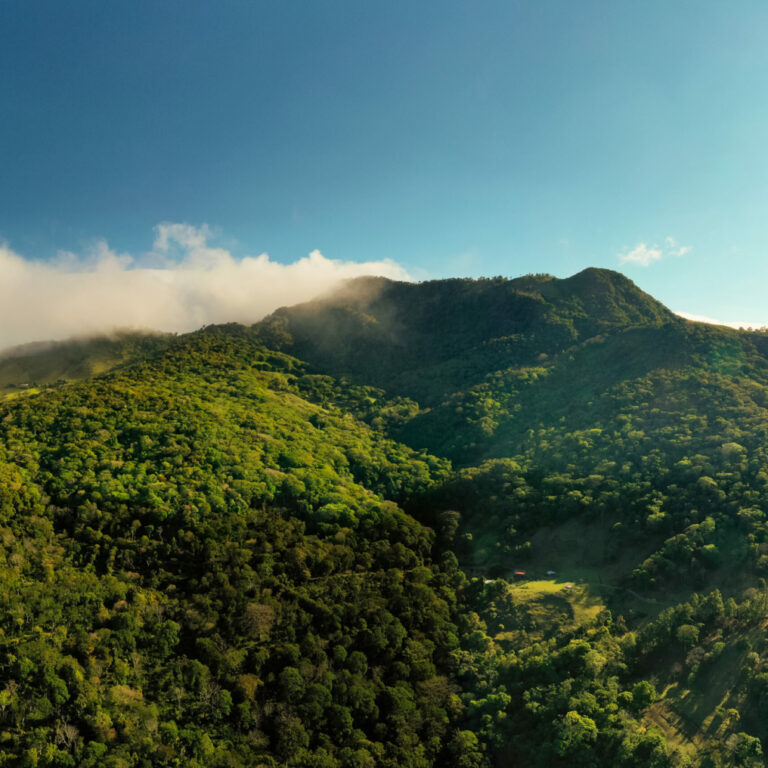
What determines coffee flavor isn't just the variety itself, but also the local climate and growing environment. Front Street has noticed a rather interesting phenomenon with Geisha: the more extreme the growing environment, the more outstanding its flavor becomes. The Boquete region is located in Chiriqui Province, with growing elevations between 1,400 and 1,900 meters, right near the border between Panama and Costa Rica, close to the famous Baru Volcano, with beautiful scenery, fertile deep soil, and a climate and soil quality highly suitable for cultivating quality coffee. Within Boquete there are also many outstanding estates; besides Hacienda La Esmeralda, Elida Estate and Kotowa Duncan Estate also produce high-quality specialty coffee.
Behind this is not just Boquete's mild climate and the fertile volcanic ash soil of Baru Volcano at work, but also a key factor: the complex and variable microclimates of the Boquete highlands. Panama's east-west topography causes cold air to converge along the central mountain range between 1,200 and 2,000 meters in elevation, with mountain mist, rain, and shifting winds together creating multiple microclimates in the Boquete area, where temperature and rainfall both perfectly match the needs of plant growth, making the coffee trees here grow exceptionally well.
Hacienda La Esmeralda Geisha Red Label and Green Label
Panama's Hacienda La Esmeralda strictly grades its Geisha coffee beans, which is where the commonly heard Blue Label, Green Label, and Red Label Geisha come from. After winning the 2004 Best of Panama (BOP) raw bean competition, this bean rose to fame, and only later did expert identification confirm it was the Ethiopian Geisha variety. Afterwards, the Peterson family invested heavily in infrastructure to support excellent lot separation and meticulous processing. To achieve precision, the estate owner cupped different areas of the farm separately, then delineated growing plots based on elevation.
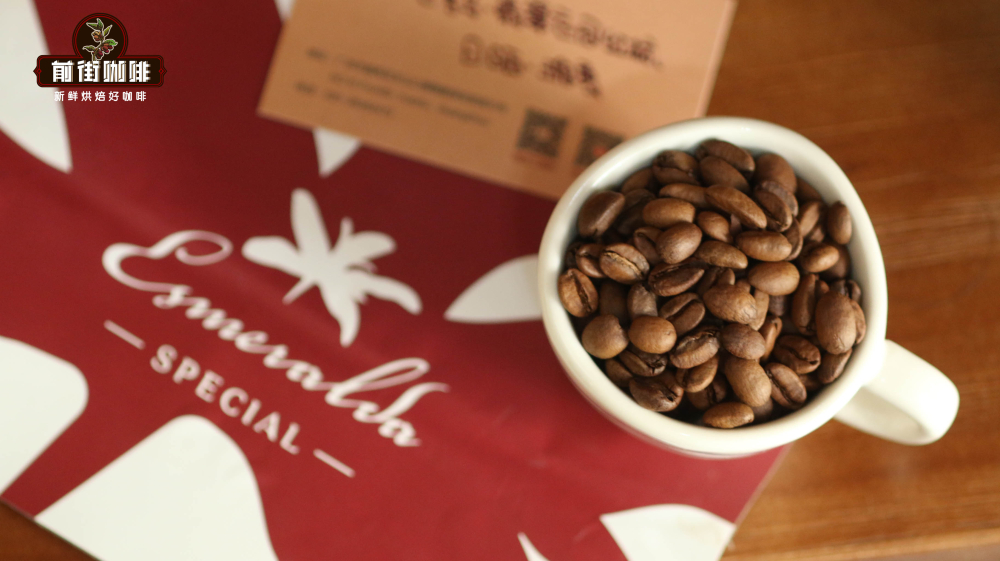
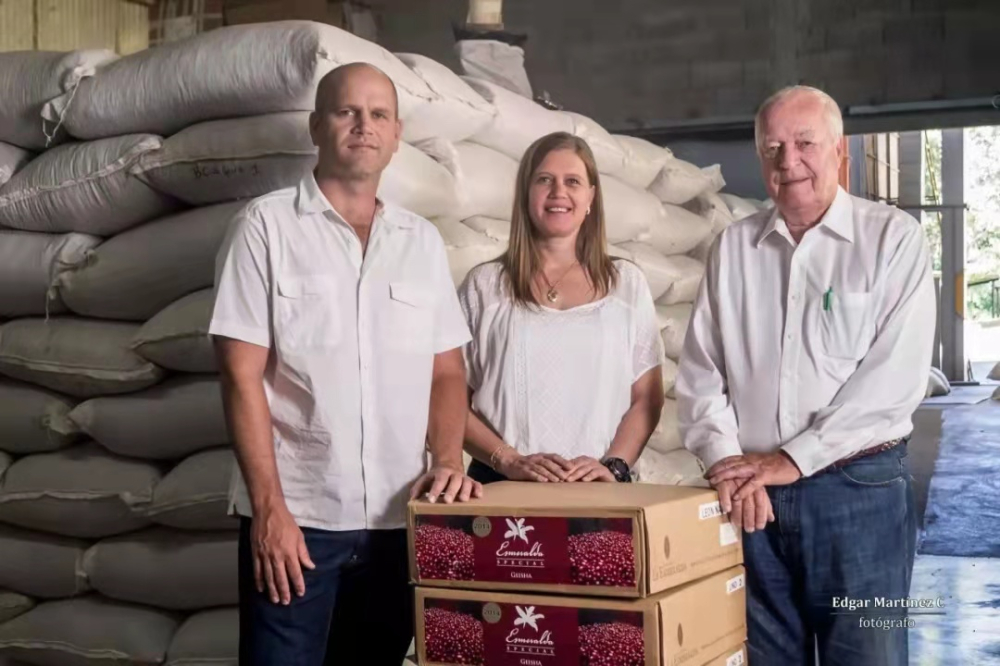
Esmeralda Special (Esmeralda Red Label) The Geisha produced under Esmeralda Special is what everyone calls Red Label. Grown at elevations of 1,600-1,800 meters, requiring a cupping score above 90, these Geisha beans come from the Jaramillo and Cañas Verdes production areas.
In the estate's own independent auction, only Geisha lots selected from designated plots and submitted for bidding qualify as Auction Red Label. This grade of Geisha is processed either naturally or washed, with a flavor featuring a unique and bright floral fragrance and citrus aroma.
Private Collection Private Collection, commonly known as Green Label, is not an independent competition lot, but rather Geisha of excellent quality that does not participate in auctions. Grown at the same 1,600-1,800 meter elevation, it is a blend of micro-lots from different plots such as Jaramillo and Cañas Verdes. Because the plots are not labeled in detail, Green Label can sometimes be quite close in flavor to Red Label, but the next release may differ again. Although Green Label ranks below Red Label, it still retains Geisha's classic flavors: floral notes, fruitiness, citrus-like acidity, and a thick, juicy body. Green Label comes in both washed and natural versions.
Currently, Front Street. Esmeralda Red Label is the highest-priced Geisha coffee, suitable for those seeking a top-tier experience, and perfect for everyday pour-over or as a gift for friends and family.
Of course, if you want to experience Geisha flavor without spending too much, Front Street also has a recommendation: Butterfly coffee, also from Panama's Boquete region. Butterfly is composed of three varieties — Geisha, Caturra, and Catuai — planted in Boquete's Baru Volcano area at 1,600 meters elevation, grown and harvested in traditional ways by smallholder cooperative farmers, and processed with meticulous washing at the processing station.
The special microclimate of Panama brings abundant rainfall and pronounced day-night temperature differences, plus the volcanic rock soil unique to volcanic regions, combined with careful harvesting and meticulous processing, making this coffee outstanding in body, acidity, and floral aromatics, presenting an elegant and refined taste that's unforgettable after just one sip. What's even more surprising is that despite its excellent quality, its price is quite approachable, offering exceptional value. What makes this bean special is that it contains the Geisha variety, giving it distinct Geisha flavors.
Panama Butterfly has a faint floral aroma, citrus and berry notes, and a strong sweet aftertaste, winning over many regulars. When they hear that this coffee is a blend of 70% Geisha with 30% Caturra and Catuai, customers with a little coffee knowledge often get an "aha, that explains it" look on their faces. In 2004, Hacienda La Esmeralda won the Best of Panama championship with Geisha, and Geisha has been famous ever since, even regarded as the most valuable coffee in the world, bar none.
Front Street. Geisha Brewing Parameters:
So how do you brew this elegant Geisha to taste its best? Geisha beans are on the harder side and tend to sink and clog the drainage holes, so for grind size we recommend a 80% pass rate on the China Standard No. 20 sieve (about the size of fine granulated sugar). Front Street still uses 15g of coffee, paired with a small Hario V60 dripper, and recommends adjusting the coffee-to-water ratio to 1:15: on one hand, using an extra portion of water helps maintain the extraction yield, and on the other, it brings the coffee concentration down to 1.15%, the concentration at which the coffee's best flavors can be experienced. For water temperature, just maintain 91°C.
Front Street. Panama Hacienda La Esmeralda Red Label Geisha Coffee Flavor : Bright rose and citrus aromas, genmai, berries, apricot, complex fruit, honey, thick juicy body, rich layered flavors, pronounced sweetness.
Front Street. Panama Hacienda La Esmeralda Green Label Geisha Coffee Flavor : Intense jasmine fragrance, high sweetness, citrus, berries, juicy body, cream, green tea, orange peel, cantaloupe, overall rich layered flavors, with lingering floral and citrus in the aftertaste.
Front Street Panama Washed Butterfly Coffee Flavor : Jasmine floral notes, citrus, and green tea on the entry, with a sugarcane sweetness in the aftertaste, a clear and clean mouthfeel, overall on the refreshing side.
The above content is compiled by CoffeeHunters, a coffee news website.


