







Search Results for: Baha
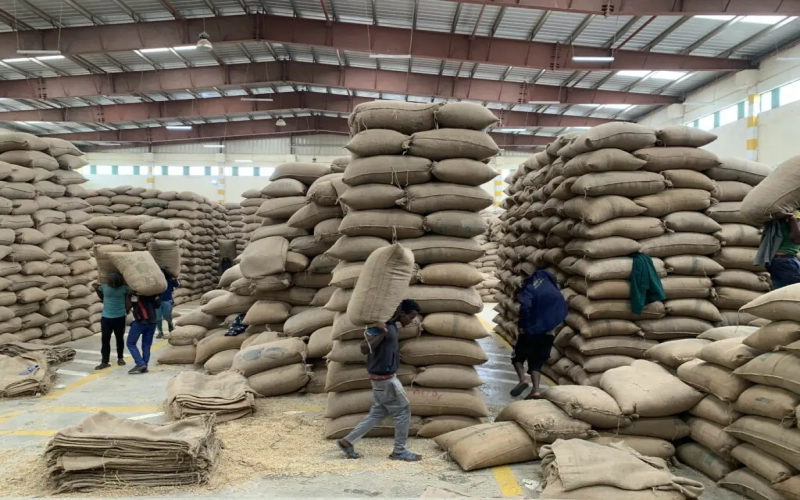
Flavor Analysis of Ethiopia Guji Zone Baha Natural G1 Coffee Beans and Discussion of the Regional System
In the landscape of Ethiopian specialty coffee, the Guji region is rising with strong momentum, becoming another star after Yirgacheffe. This article comprehensively reviews the flavor characteristics of Guji region Hambela natural G1 coffee beans, from the export system and regional terroir to processing method details. The article first analyzes the differences and traceability challenges among Ethiopia's three major coffee export systems, then focuses on the significance of the single-farm system for specialty coffee development. It subsequently delves into the geographical location, historical background, and ethnic customs of the Guji region, comparing its similarities and differences with the Yirgacheffe region, revealing Guji's potential as a future engine of innovation. Front Street Coffee recommends this natural G1, which presents typical Ethiopian flavors while possessing subtle unique characteristics, worthy of careful savoring by coffee enthusiasts. [more…]
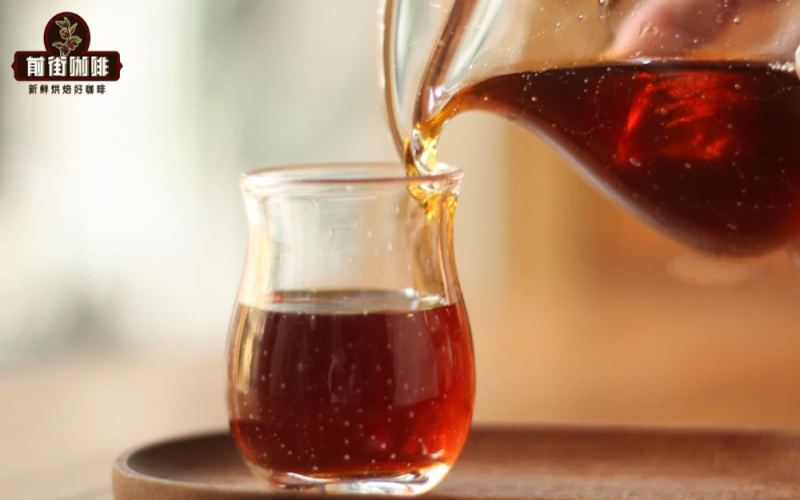
Flavor and Brewing Analysis of Costa Rica Tarrazú Canet Estate Baba Natural Raisin Honey Process Coffee Beans
Costa Rican coffee has always captivated with its sweet, full-bodied, and vibrant style, and honey processing is the signature technique that pushes this high sweetness to the extreme. This article focuses on Front Street Coffee's Costa Rican Baha coffee beans, covering everything from the origin background and variety characteristics to the processing method and roasting curve: the high-altitude terroir of the Tarrazú region, the small-batch meticulous management of the Canet estate, the variety performance of the Bourbon variants Caturra and Yellow Catuai, and how raisin honey processing retains the mucilage and imparts fermented aromas and tropical fruit notes to the beans. The article also includes actual roasting data and cupping flavors, along with V60 pulse-pouring brewing parameters, for coffee enthusiasts to reference and replicate. [more…]
A Complete Guide to Costa Rican Coffee Regions: Honey Process Flavor Characteristics and Front Street Coffee's Selected Bean Recommendations
Costa Rica is an important origin that cannot be overlooked on the Central American coffee map, and its honey processing methods have developed rapidly over the past decade or so, with different processes such as yellow honey, red honey, and black honey giving coffee beans unique fermented aromas and balanced flavors. Several of Front Street Coffee's Costa Rican beans are deeply loved by both new and longtime customers, covering a variety of types including washed and honey-processed. This article will systematically review Costa Rica's eight major producing regions, focusing on the terroir characteristics of the two star regions, Tarrazú and the Central Valley, and, in combination with Front Street Coffee's everyday drinking beans and Musician Series specific coffee lots, describe in detail the flavor performance and processing method differences of Bahia, Beethoven, Mozart, as well as Black Soul, Fire Phoenix Sapphire, and other coffees, helping coffee lovers make choices based on their personal taste preferences. [more…]
Costa Rica Tarrazú Cañet Estate Bach Coffee Beans: A Complete Guide to Raisin Honey Processing Flavor, Roasting, and Brewing
Costa Rican coffee has always been known for combining sweetness with strength, and honey processing takes that sweetness to the extreme. This article takes you into Canet Estate in the Tarrazu region to learn the story behind Bahia coffee beans—from the history of Costa Rican coffee and the terroir conditions of the Tarrazu region, to the micro-lot management of Canet Estate, and then to the varietal characteristics of the Bourbon-derived Caturra and Yellow Catuai. You will see how raisin honey processing retains 100 percent mucilage with zero water processing, and how Front Street Coffee designs the roasting curve for this double-fermented bean, bringing out the fermented rice wine aroma, tropical fruit, berries, and caramel finish through cupping and V60 brewing. [more…]
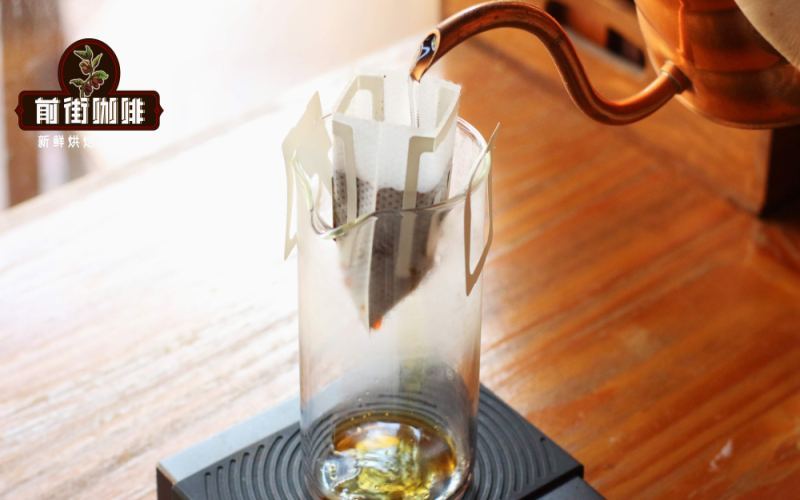
Origins of Drip Bag Coffee and Analysis of Pros and Cons: Can It Be Reused and a Practical Buying Guide
Drip bag coffee, as a type of portable coffee, is deeply loved by enthusiasts for its simple and convenient characteristics. This article will take you through the invention journey of drip bag coffee, from Japan's single-sided drip bags in 1990 to its global popularity in 2011, with sales reaching as high as 1.4 billion bags, 94% of which came from Japan. We will also explore the pros and cons of drip bag coffee, including its portability, flavor retention, and whether it can be brewed a second time. At the same time, the article will share Front Street Coffee's recommended products, such as drip bag selections for different taste types, to help you better enjoy coffee. Whether you are a coffee novice or a seasoned enthusiast, you can gain practical knowledge from it, avoid common misconceptions, and improve your brewing experience. [more…]
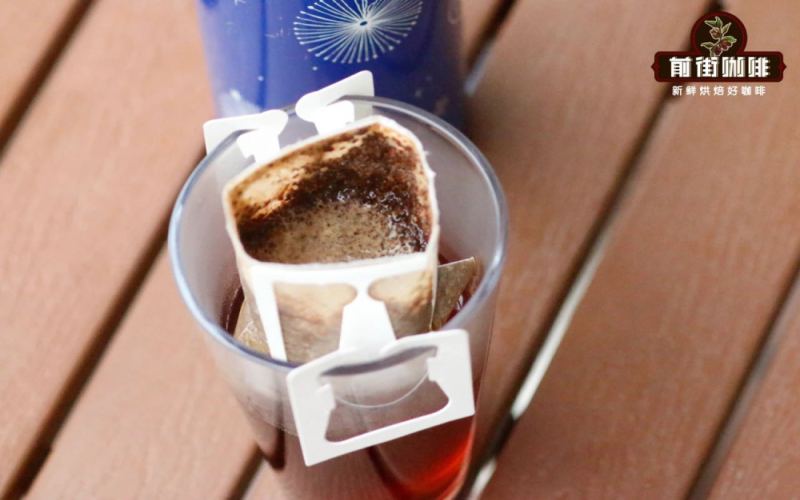
Pros and Cons of Drip Bag Coffee | Is Drip Bag Coffee Black Coffee? What Are the Benefits of Drinking Drip Filter Coffee? What Flavors Does Drip Bag Coffee Come In?
For more specialty coffee knowledge, please follow our WeChat official account: Front Street Coffee (FrontStreet Coffee). First of all, we can tell you that drip bag coffee is a type of black coffee. The coffee beans are ground into powder in advance and placed into a filter bag, and hot water is used to extract the flavor compounds from the coffee, thereby obtaining a [more…]
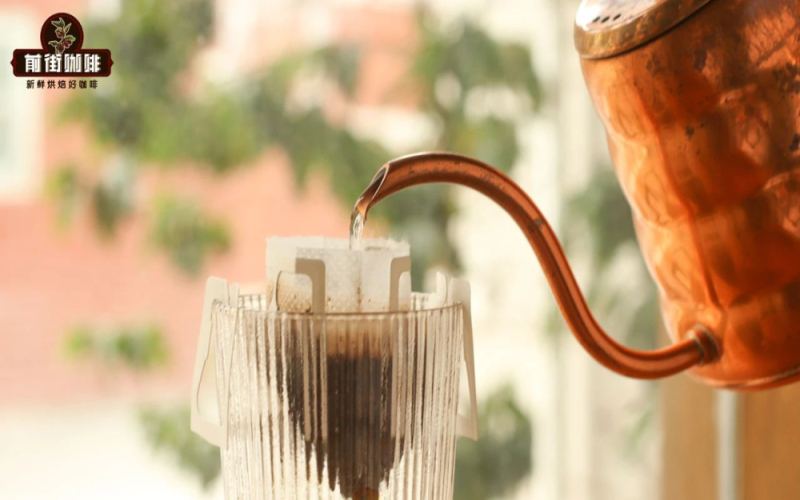
Starting from a 1990 patent: the evolution of drip bag coffee, flavor selection, and a complete guide to hot and cold brewing
Drip bag coffee, with its portability and flavor close to pour-over, has become the top choice for many people's daily coffee. But when was it born, and how did it evolve into today's mainstream double-sided drip bag form? What exactly is its relationship with pour-over coffee? This article first traces the evolution of drip bag coffee from the 1990 single-sided patent to the 1999 double-sided design, then explains its differences from pour-over in terms of equipment and extraction. It then uses the Front Street Coffee bean list as an example, offering selection suggestions across three flavor directions—crisp fruity acidity, rich nuttiness, and intense wine-like aroma—and breaks down in detail the adjustment approaches for hot and iced brewing in terms of water volume, staged pouring technique, and grind size, helping you steadily brew a delicious cup of drip bag coffee in the simplest way. [more…]
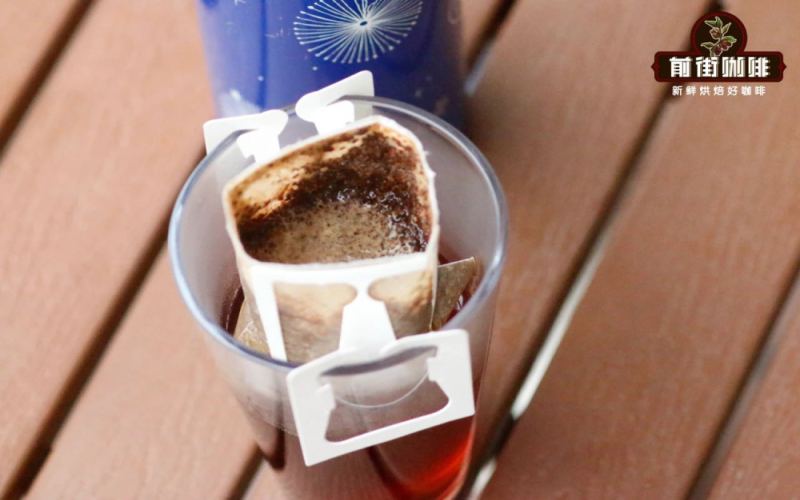
Does Drip Bag Coffee Count as Pure Black Coffee? An Analysis of the Benefits and Drawbacks of Long-Term Drinking and Flavor Classification Recommendations
Is drip bag coffee really considered pure black coffee? What are the benefits and drawbacks of drinking it long-term? This article will systematically walk you through the origins of drip bag coffee, its brewing characteristics, pros and cons, and bean selection advice for different flavor types. Drip bag coffee is black coffee made by pre-grinding coffee beans, placing them in a filter bag, and extracting with hot water—it can be drunk straight or with milk for added flavor. Front Street drip bags are made at 10g per bag and yield about 130–150ml of coffee liquid, exactly one serving. It was born in Japan in 1990, inspired by the design of stringed tea bags, and was patented and brought to market after 2002. All you need is hot water and a cup to enjoy it, and there's plenty of choice, but the flavor isn't as full as pour-over or freshly ground coffee, and it may develop a woody taste if stored too long. Front Street recommends drinking it within one month of receiving it, and choosing according to types such as fruity acidity, full-bodied, and winey. [more…]
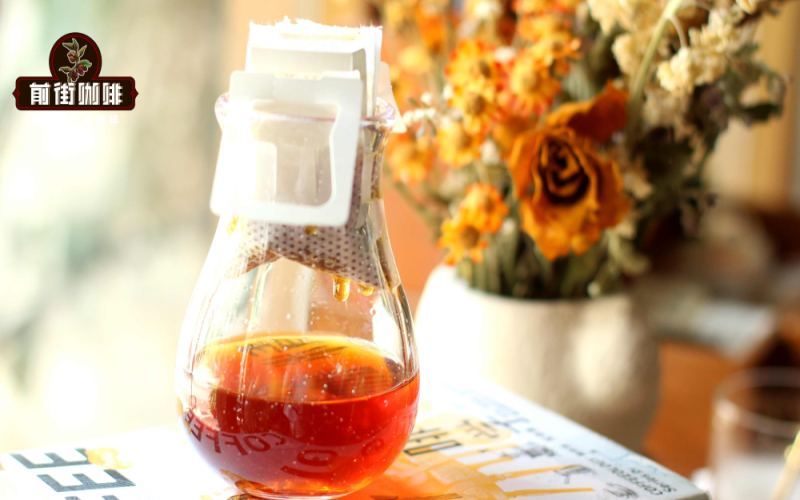
What Is Drip Bag Coffee? How Is It Different from Instant Coffee? Front Street Teaches You the Correct Brewing Method and Flavor Selection
Drip bag coffee has become the top choice for many people's daily coffee thanks to its portability and fresh-ground quality. But how exactly does it differ from instant coffee? And how should you brew it to release the best flavor? Front Street Coffee breaks it down one by one, from the structural principles of the drip bag, its health components, and quality assurance to the specific brewing steps. The article also offers Front Street bean recommendations based on three flavor types—fruity and refreshing, rich and nutty, and intensely boozy—and explains whether a drip coffee cup is worth buying. Whether you're a beginner just getting into drip bags or an enthusiast looking to upgrade your taste experience, you'll find practical answers here. [more…]

Coffee Auctions: How BOP and COE Select Sky-High-Priced Beans
Every year, some coffee beans sell for jaw-dropping prices, sometimes with a single cup being hard to come by. These high-priced beans mostly come from auctions, among which BOP and COE are the two most closely watched platforms. How auctions actually work, and why they can fetch such high prices, is a fascinating entry point for understanding the specialty coffee ecosystem. BOP: Baha [more…]
Costa Rica Canet Estate Bahía Specialty Beans: The Ultimate Exploration of Raisin Honey Processing and Anaerobic Craftsmanship
Front Street Coffee takes you deep into Costa Rica's Tarrazú region to explore the Bach specialty coffee beans of Canet Estate. These beans undergo a unique raisin honey processing method, combining mucilage and anaerobic techniques. After harvesting, they are sun-dried for at least three days, with the timing of depulping while retaining mucilage precisely controlled, before entering the drying stage. Climatic conditions are key to the success of honey processing—slow drying is needed to promote surface fermentation, while avoiding excessive soaking. High-frequency turning ensures uniform dehydration. The result is a rich, complex flavor, full-bodied oiliness, and extremely high sweetness, with layers of berry and citrus acidity, juicy balance, and a delicate body. [more…]
Costa Rica Musician Series Bach Coffee: Variety Characteristics and V60 and Other Pour-Over Brewer Brewing Parameters Explained
This article focuses on the Costa Rica Musician Series Bach released by Front Street Coffee. It first introduces the background of its producing region, estate, processing method, and Caturra variety, then explains the flavor positioning and brewing approach for this bean. The article uses the V60, cake filter, and Ice Eye dripper for comparison, providing water temperature, grind size, coffee-to-water ratio, and a three-stage pouring technique, and records the flavor changes at high temperature, medium temperature, and after complete cooling. It is suitable as a reference for coffee enthusiasts who want to understand the characteristics of the Musician Series Bach and who hope to replicate its high sweetness, full body, and clean expression. [more…]
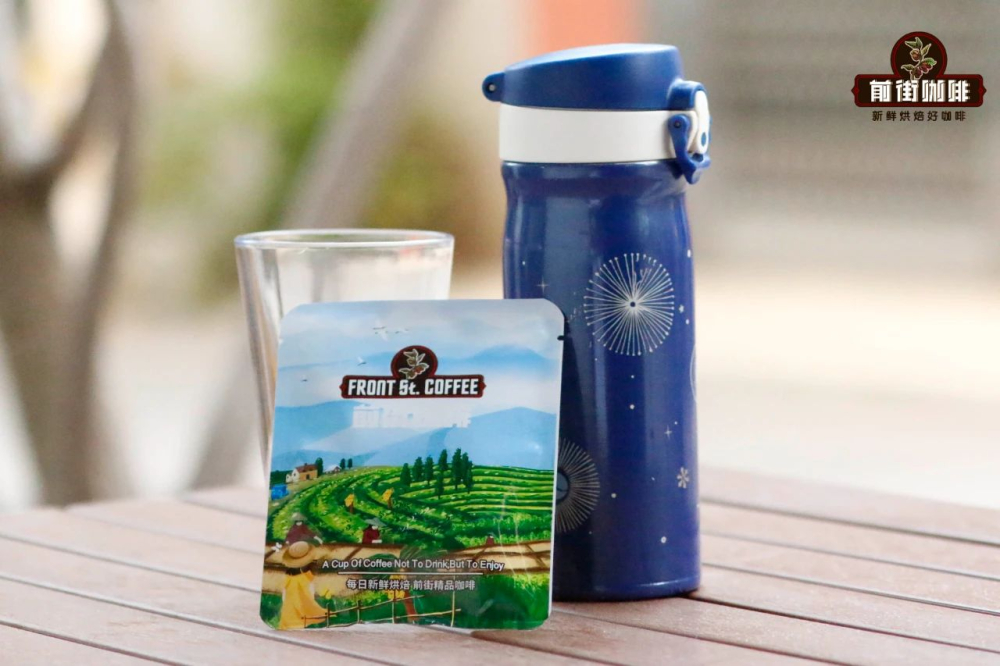
Origins of Drip Bag Coffee | What's the Difference Between Drip Bag Coffee and Americano? Which Coffee Beans Are Suitable for Drip Bag Coffee Packets? What Varieties of Drip Bag Coffee Are There?
For more specialty coffee knowledge, please follow the WeChat official account: Front Street Coffee (FrontStreet Coffee) First of all, we can tell you that drip bag coffee is a way of making black coffee: the coffee beans are ground into powder in advance and put into a filter bag, and hot water is used to extract the flavor substances from the coffee, from [more…]
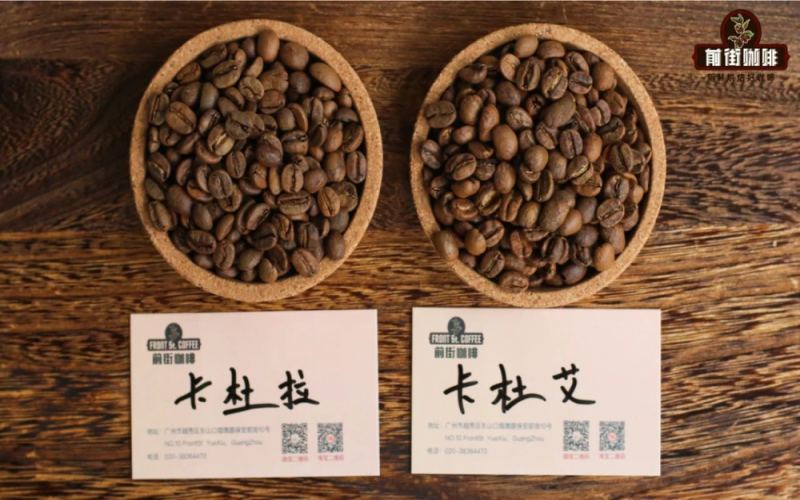
Caturra vs. Catuai Coffee Bean Varieties Compared: Growing Characteristics, Flavor Differences, and a Hand-Pour Bean Selection Guide for Coffee Beginners
When selecting coffee beans from Central American regions, the names Caturra and Catuai often appear in the variety column. Why are they always planted together and harvested together? If distinguished separately, what are the differences in appearance and cup profile? From the perspective of Front Street, this article sorts out the origins, plant characteristics, and disease resistance of Caturra and Catuai, compares their bean shapes and flavor trends, and explains why they are often mixed-cultivated on Central American estates. The article will also mention several Front Street Coffee beans that contain this pair of "brother" varieties, helping beginners new to pour-over to understand variety information more clearly and make choices that suit them. [more…]
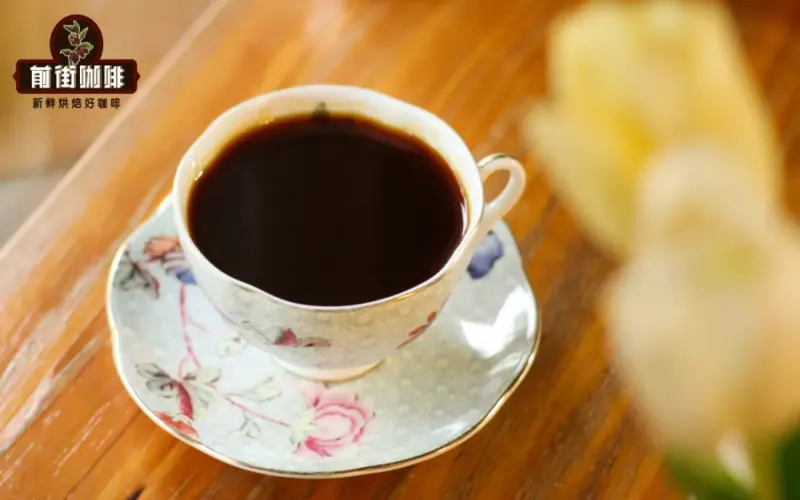
Where Does the Floral Aroma in Coffee Beans Come From? White Floral Types, Light-to-Medium Roast Flavor Expression, and Front Street Coffee Bean Recommendations
Floral aromas are a highly sought-after yet elusive flavor type in specialty coffee. Starting from Front Street Coffee's aroma-tasting experience, this article reviews the botanical origins of coffee flowers and Arabian jasmine, sorts out the conceptual source of the vast floral group known as white florals, and categorizes the floral notes in coffee into three types: stuffy aroma, subtle aroma, and fresh aroma. Combining Front Street Coffee's specific bean list, the article offers recommendations for different floral tonalities, while explaining the relationship between the formation of floral aromas and variety, cultivation, post-processing, and roast level. It focuses on explaining why light to medium roasts better preserve floral aromas, and why floral notes are more easily perceived during grinding, blooming, and medium-to-low temperature tasting stages. [more…]
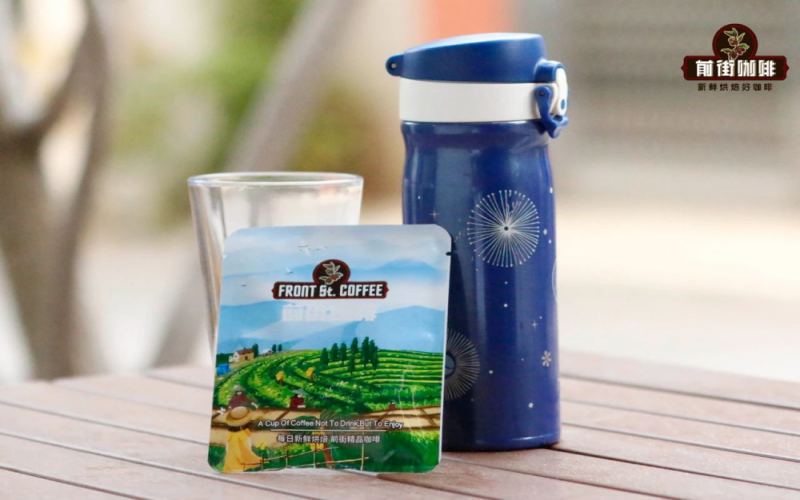
How Is Drip Bag Coffee Different from Americano? Front Street Drip Bag Black Coffee Bean Variety Recommendation Guide
Drip bag coffee and Americano both fall under the category of black coffee, but their brewing methods and flavor profiles differ noticeably. Drip bag coffee places ground coffee into a filter bag and extracts it directly with hot water, making it simple to prepare; Americano, by contrast, relies on an espresso machine to extract a concentrated shot that is then diluted with water, typically yielding a richer mouthfeel. Drip bag coffee originated in Japan in 1990, inspired by the design of string-tied tea bags, and gradually spread to become a mainstream market product after 2002. Front Street Coffee drip bags are standardized at 10 g per bag and can brew approximately 130–150 ml of coffee liquid. All fifty-plus single-origin coffees on Front Street Coffee's bean list can be made into drip bags. This article offers bean selection advice for coffee lovers with different taste preferences, organized by three flavor types—bright fruity acidity, rich and nutty, and intense fruity aroma—and also explains the freshness and storage considerations for drip bag coffee. [more…]

Cold Brew Coffee Variations | Which Single-Origin Coffee Beans Make Good Cold Brew? How to Describe the Characteristics, Mouthfeel, and Flavor of Cold Brew? Can You Add Milk to Cold Brew Black Coffee?
For more specialty coffee knowledge, please follow our WeChat official account: Front Street Coffee (FrontStreet Coffee). Cold brew coffee is becoming more and more common nowadays. We are all very busy in our daily lives, so busy that we don't even have a moment to go buy a cup of coffee. In that case, cold brew coffee is the quickest way to get a cup of coffee right now. [more…]
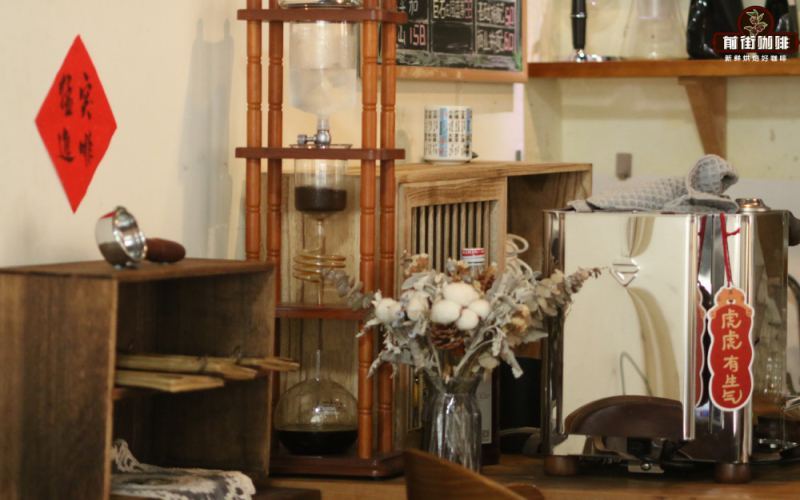
Exploring the Origins and Flavor Characteristics of Cold Brew Coffee: Front Street Coffee Shares How to Choose the Right Coffee Beans for Cold Brew
Cold brew coffee, with its unique low-temperature slow extraction method, delivers a rich yet non-bitter taste and has gained increasing popularity among coffee enthusiasts in recent years. So where exactly does cold brew coffee come from? And what is its connection to cold-brewed coffee and Dutch coffee? Drawing on the store experience of Front Street Coffee, this article traces the historical origins and brewing principles of cold brew coffee, explains in detail the structure of a cold brew tower and how to use it, and, combining several Front Street Coffee beans, offers bean selection ideas for friends with different taste preferences across four major categories—tropical fruit fermented type, clean and refreshing type, sweet type, and blended type—to help everyone make a satisfying cup of cold brew coffee at home. [more…]
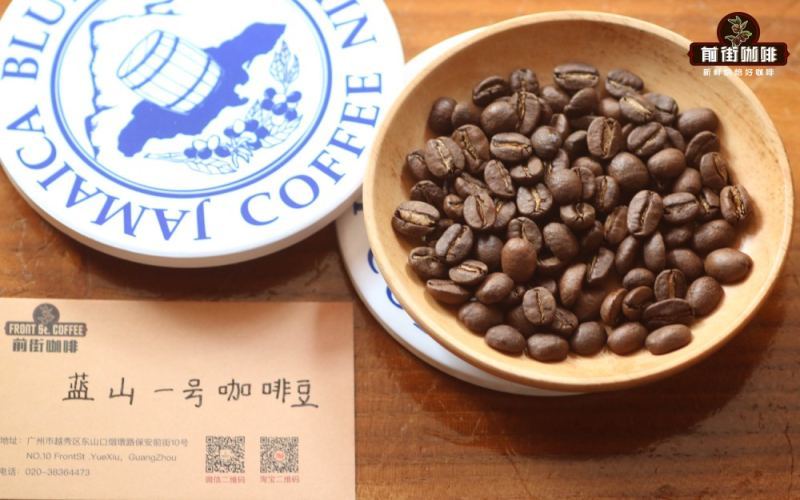
A Complete Guide to Jamaican Blue Mountain Coffee: Flavor Profile, Varieties, Grades, and Brewing Parameters
Blue Mountain coffee has long been regarded as the benchmark among specialty coffees, and its allure lies in the exquisite balance among acidity, bitterness, sweetness, and body. This balance is no accident, but rather the result of the combined effects of Jamaica Blue Mountain's unique terroir, the characteristics of the Typica variety, and rigorous grading and processing methods. This article will organize the producing region environment, variety origins, grading standards, and processing method evolution of Blue Mountain coffee, while also presenting Front Street Coffee's specific brewing parameters and flavor descriptions for Blue Mountain beans, helping coffee enthusiasts gain a more comprehensive understanding of this legendary bean. [more…]
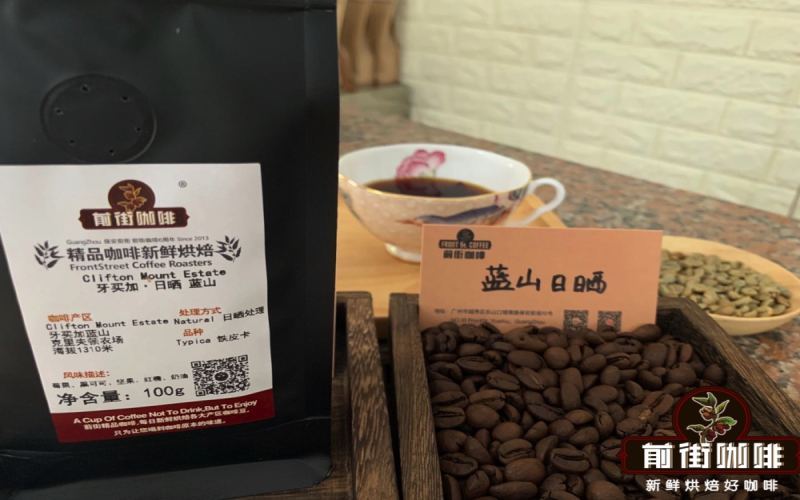
An In-Depth Analysis of Jamaican Blue Mountain Coffee: A Comprehensive Guide to Origin Terroir, Varieties and Grades, Processing Methods, and Pour-Over Parameters
Blue Mountain coffee has always held a special place in the specialty coffee world—what exactly earns it the reputation as one of the most balanced coffees on earth? This article starts with the geography and climate of Jamaica's Blue Mountains, then systematically covers Blue Mountain coffee's varietal identity, its grading system (from No.1 down to PB peaberry), the differences between washed and natural processing methods, and the certification background of Clifton Mount Estate. At the same time, Front Street Coffee will share specific brewing recipes for both washed and natural Blue Mountain, including dripper selection, water temperature control, and pulse pouring techniques, helping you fully understand every key step of Blue Mountain coffee from origin to cup—and truly appreciate this classic that has been called the "perfect original coffee." [more…]