







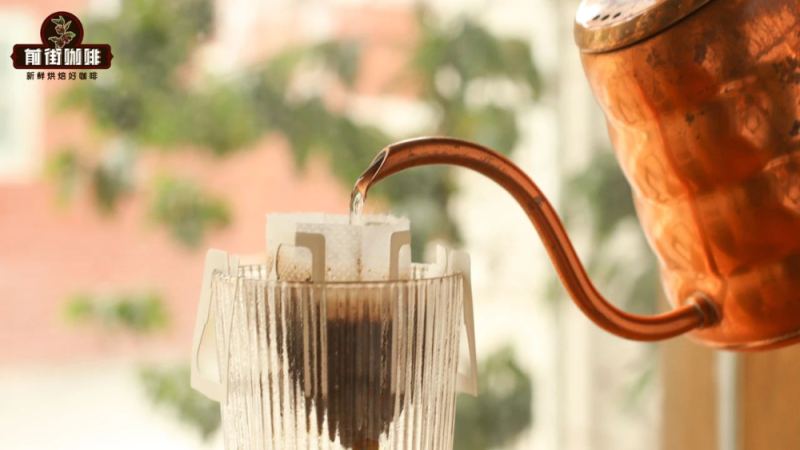
When Was the First Coffee Maker for Drip Bags Invented?
The drip bag traces back to Japan. In 1990, Yamanaka Sangyo Co., Ltd. created the earliest drip bag coffee and filed a patent the same year, though the drip tabs sat on only one side. In 1996, Daiki Shoji Co., Ltd. moved the tab components to the lower edge of the filter bag, still single-sided. In 1999, Daiki Shoji applied to the European Patent Office for a double-sided drip tab design.
That double-sided improvement let the filter bag rest steadily on the cup rim with the opening fully spread, and the approach later became the market mainstream. In 2001, the Japanese completed patent registration and brought drip bag coffee to market. The format carries coffee grounds in a filter bag with two cardboard ears, so freshly ground coffee close to pour-over can be made anywhere.
Drip bag coffee has become the top choice for many people's daily coffee thanks to its portability and flavor that approaches pour-over. But when was it born, and how did it evolve into today's mainstream double-sided drip bag form? What exactly is its relationship with pour-over coffee? This article first traces the evolution of drip bag coffee from the 1990 single-side patent to the 1999 double-side design, then explains how it differs from pour-over in equipment and extraction. It then uses the Front Street Coffee bean list as an example, offering selection suggestions across three flavor directions—bright fruity acidity, rich nutty body, and intense wine-like aroma—and breaks down in detail the water volumes, staged pouring techniques, and grind size adjustments for both hot and iced brewing, helping you brew a consistently delicious cup of drip bag coffee in the simplest way possible.
For more specialty coffee knowledge, follow our WeChat official account: Front Street Coffee (FrontStreet Coffee)
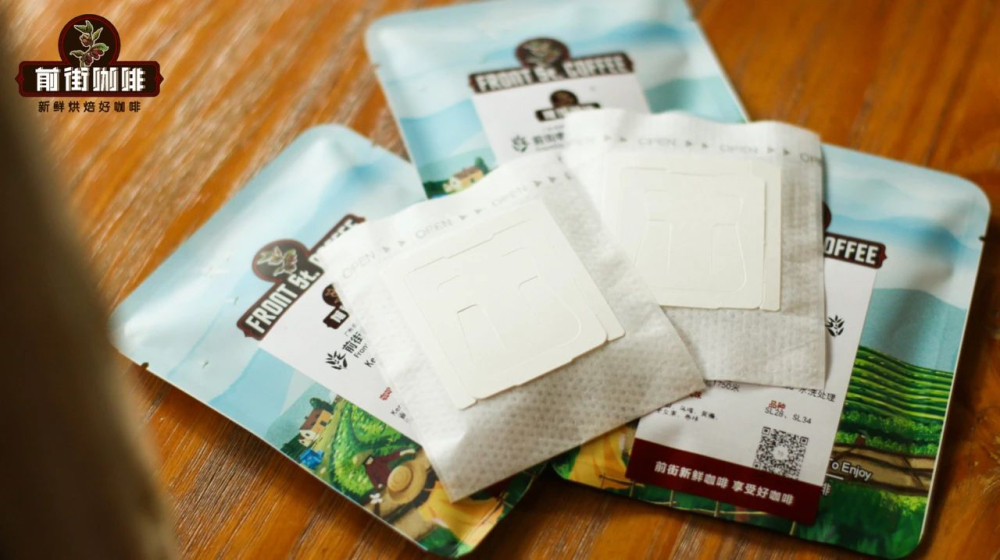
Drip bag coffee refers to coffee extracted using a drip bag. The drip bag originates from a Japanese invention—the filter bag holds coffee grounds, with a small piece of cardboard extending from each side, shaped like two little ears, hence the name.
This portable drip bag is a patented design developed in Japan. The filter bag holds the coffee grounds, while the small cardboard pieces on both sides are used to rest the coffee bag on the rim of the cup. After extraction, simply discard the drip bag, and you can enjoy freshly ground coffee close to pour-over at any time.
The Origins of Drip Bag Coffee
In 1990, Yamanaka Sangyo Co., Ltd. of Japan created the earliest drip bag coffee and filed a patent application the same year, though at the time the drip tabs appeared on only one side.
In 1996, Daiki Shoji Co., Ltd. introduced an improved filter bag, moving the drip tab components down to the lower edge of the filter bag, but still keeping them on only one side.
In 1999, Daiki Shoji applied to the European Patent Office for an invention patent on double-sided drip tabs. This improvement allowed the filter bag to rest steadily on the cup rim, with the opening fully spread apart—a design approach that later became the market mainstream.
In 2001, the Japanese invented drip bag coffee and completed patent registration, then brought it to market. It is easy to use and convenient to carry, and the coffee it produces tastes far purer and more aromatic than instant coffee. Today, drip bag coffee holds a 15% share of Japan's regular coffee market.
How to Choose a Delicious Drip Bag Coffee?
The biggest advantage of drip bag coffee is its portability and ease of brewing. Although it can only be considered an entry-level form of freshly ground coffee, that doesn't mean it's inferior to specialty pour-over. In terms of taste, we can still select coffee that suits us based on origin, variety, and processing method. Below, using the Front Street Coffee bean list as an example, we've summarized three categories based on popular tastes for your reference.
1. Bright Fruity Acidity Type
If you prefer acidity, Front Street Coffee suggests focusing on descriptions of fruity acidity or floral aromas. For example, Front Street Coffee's Guodingding Drip Bag, Front Street Coffee's Washed Geisha Drip Bag, Front Street Coffee's Little Tomato Drip Bag, and Front Street Coffee's Flower Butterfly Drip Bag, which feature white floral and lemon-citrus notes; for those with flavor notes mentioning dried fruit, tropical fruit, or rose aroma, you can choose Front Street Coffee's Baha Drip Bag, Front Street Coffee's Red Cherry Drip Bag, or Front Street Coffee's Huakui Drip Bag.
2. Rich Nutty Type
Front Street Coffee has also noticed that most people still prefer a type with a bold mouthfeel and rich, full-bodied flavor. If that's you, Front Street Coffee would first recommend the medium-dark roast direction—you can choose Front Street Coffee's Queen's Estate Drip Bag, Front Street Coffee's Bird of Paradise Drip Bag, Front Street Coffee's Golden Mandheling Drip Bag, or Front Street Coffee's Blue Mountain Drip Bag. Their flavor descriptions include nut, chocolate, caramel, cream, and cocoa notes; they brew with low acidity, intense roast aromas, and a very full body.
3. Intense Wine Aroma Type
Of course, many people, like Front Street Coffee, aren't satisfied with a single flavor and mouthfeel, hoping to taste richer layers in a drip bag. If you enjoy wine-aroma coffee, we recommend Front Street Coffee's Sherry Drip Bag, Front Street Coffee's Mozart Drip Bag, Front Street Coffee's Strawberry Candy Drip Bag, and Front Street Coffee's Sidra Drip Bag; if you enjoy fruity notes, you might start with Front Street Coffee's Dorothy Drip Bag or Front Street Coffee's Baha Drip Bag.
How to Brew Drip Bag Coffee for the Best Taste?
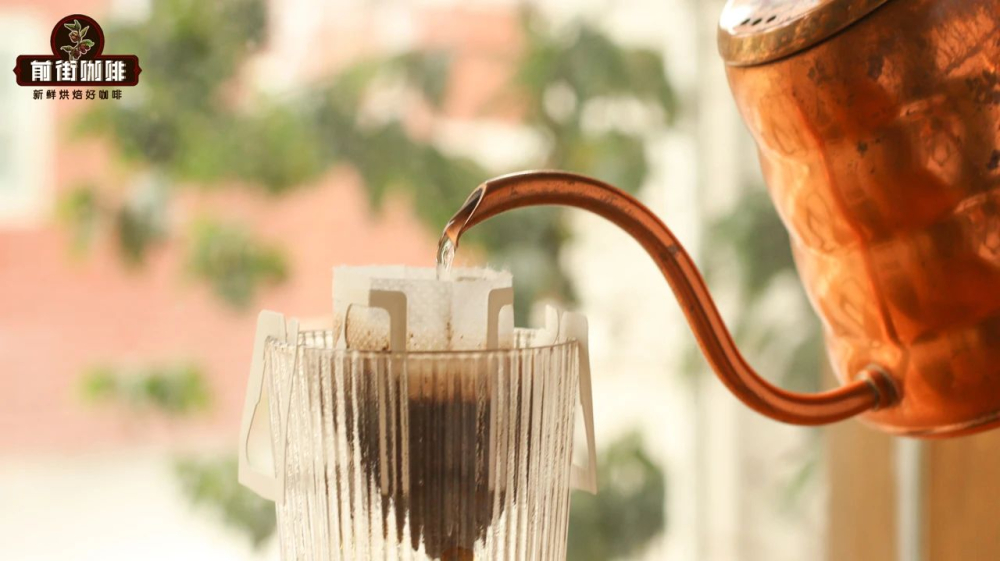
Since it's the most hassle-free drip method, there's no need to bring out the electronic scale and thermometer that only pour-over requires, complicating the process. Brewing a drip bag only needs a kettle of hot water, a tall cup, and a drip bag—even the water volume can be eyeballed.
Though simple, you can still keep a sense of ritual. The water volume for making hot coffee with a drip bag is fairly easy to control. Taking Front Street Coffee's store drip bags as an example, each small bag contains 10 grams. Following a pour-over ratio of 1:15 to 1:18, we recommend pouring 150-180ml of water.
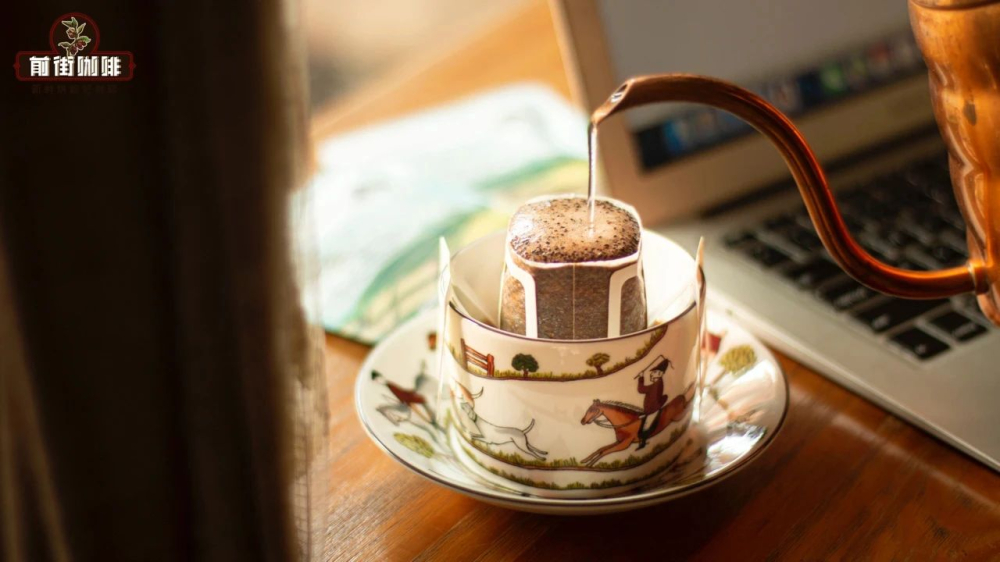
Generally, first pour a small amount of hot water into the drip bag to moisten all the coffee grounds, filling to the halfway point of the filter bag for the first stage, and let it bloom for about ten seconds. Then pour water toward the center twice in succession until the drip bag is 80% full, waiting for the coffee liquid in the filter bag to finish dripping before adding more water, until the final stage finishes dripping. If you fill it to the brim, the water pooled on top tends to bypass the coffee bed and flow out from the side of the drip bag, making the coffee taste weak.
After multiple tests, Front Street Coffee found that pouring in three stages this way takes about a minute and a half, with a total water volume of roughly 150ml. If you want a lighter taste, add one more stage filling to 80% full, for a total water volume of about 180ml.
How to Adjust Water Volume for Making Iced Coffee with a Drip Bag?
When switching from hot pour-over to iced pour-over, you need to set aside a portion of the water and replace it with ice cubes—the same idea applies to drip bags. But the coffee grounds in a drip bag typically use a hot-brew grind size, so you can only increase extraction concentration by adjusting the coffee-to-water ratio or extending the steeping time.
Following the iced pour-over ratio of 1:10, Front Street Coffee pours 100g of hot water. The water volume for moistening the coffee bed stays the same; after blooming, the two pouring stages are changed to half-full—that is, three consecutive stages each filled to the halfway point of the filter bag, for a total water volume of about 90-105ml. After all the liquid has finished dripping, pour it over ice to cool. When the cup starts to feel cold to the touch, you can remove the remaining ice fragments to prevent further dilution.
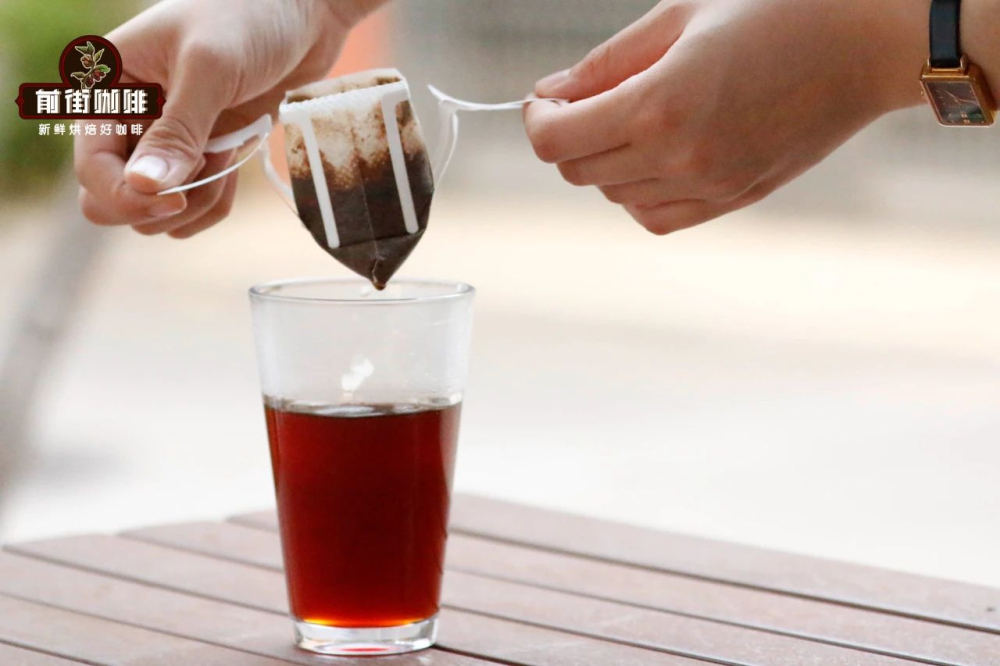
Through the above experiments, Front Street Coffee found that iced coffee brewed this way retains the bean's basic style and character, with a fairly moderate concentration. Front Street Coffee recommends keeping a slow, small stream throughout, otherwise the filter bag fills up in seconds and the subsequent pouring becomes harder to control. A gooseneck kettle can help us better manage the water flow.
The above content is compiled by CoffeeHunters, a coffee news website.


