







Where Do Coffee Beans Originate From and How Did Drip Bags Spread?
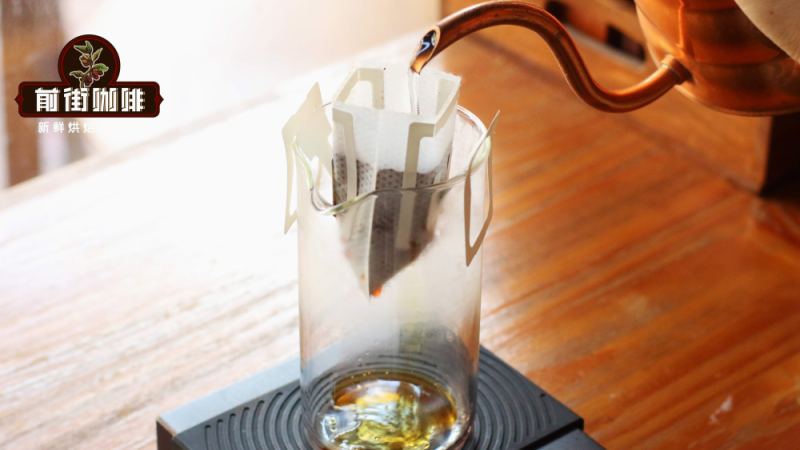
Drip bag coffee was invented in Japan in 1990 as a single-sided filter bag, and it only reached global popularity in 2011, when sales hit 1.4 billion bags. About 94 percent of those sales came from Japan. The format works because a paper filter bag holds the grounds and two cardboard ears hang it on the rim of a cup.
Brewing takes only hot water and a cup, with no grinder or dripper, so the bags suit travel and office use. Flavor holds up reasonably well when the beans inside are of good quality, though freshly ground coffee still tastes fuller. Used bags are generally not worth rebrewing, since most of the soluble flavor has already been extracted.
Drip bag coffee, as a portable coffee, is deeply loved by enthusiasts for its simple and convenient characteristics. This article will take you through the invention history of drip bag coffee, from Japan's single-sided drip bag in 1990 to its global popularity in 2011, with sales reaching 1.4 billion bags, 94% of which came from Japan. We will also discuss the pros and cons of drip bag coffee, including its portability, flavor retention, and whether it can be brewed a second time. At the same time, the article will share Front Street Coffee's recommended products, such as drip bag selections for different taste types, to help you better enjoy coffee. Whether you are a coffee novice or a seasoned enthusiast, you can gain practical knowledge from it, avoid common misconceptions, and improve your brewing experience.
For more specialty coffee knowledge, please follow the WeChat public account: Front Street Coffee (FrontStreet Coffee)
"Sealed, filter-bag-packed, portable, travel-friendly..." When mentioning drip bag coffee , these keywords always come to mind. But beyond these keywords, do you really know about drip bag coffee ?
Drip bag coffee originated in Japan. In 1990, it still used only a single-sided drip bag design. It was not until 2011 that drip bag coffee became widely popular around the world, with sales reaching 1.4 billion bags. Data shows that 94% of global drip bag coffee sales come from Japan.
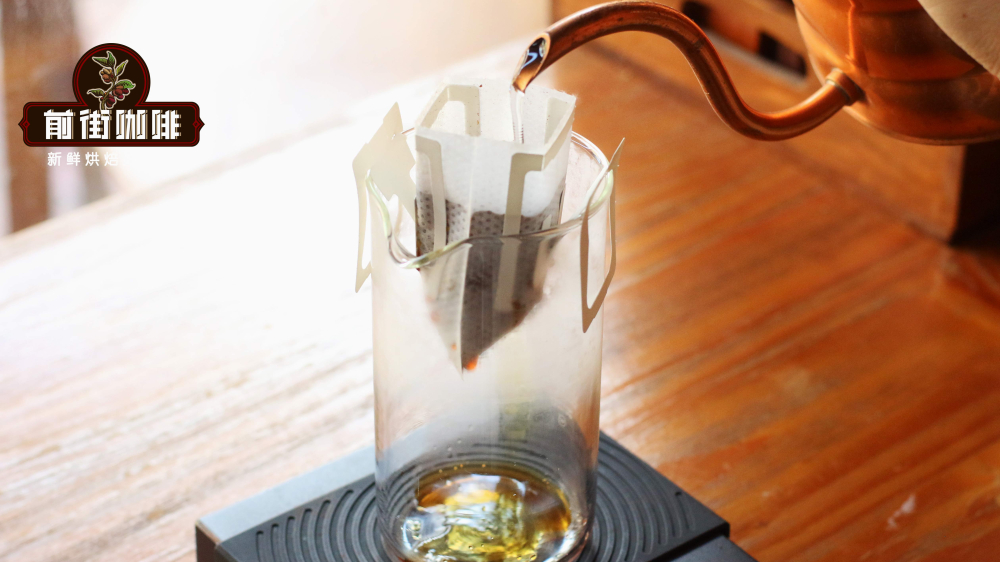
The filter bag is usually used to hold coffee, with small cardboard pieces attached to both sides. Its shape resembles two little ears, hence the name drip bag coffee. The function of these two ears is to hang the coffee bag on the rim of the cup for brewing. After brewing, simply discard the drip bag. The operation is simple and convenient. Drip bag coffee is favored by coffee lovers for its advantages of being fast, convenient, and requiring no brewing equipment.
In addition, drip bag coffee packets can retain the aroma of coffee relatively well. As long as you have hot water and a cup, you can easily enjoy a good cup of coffee with the flavor of its place of origin. So, is drip bag coffee inferior to freshly ground coffee?
Drip bag coffee is especially suitable for various occasions where coffee equipment is inconvenient to use. Although freshly ground coffee has a better flavor, as long as the drip bag coffee beans are of excellent quality, drip bag coffee can also display a flavor comparable to freshly ground coffee. In Front Street's view, drip bag coffee is simply a simplified version of freshly ground pour-over. Compared with pour-over coffee, the biggest advantage of drip bags is convenience. All you need is a drip bag, a cup, and hot water, and you can taste a good cup of coffee anytime, anywhere.
Another advantage is: drip bag coffee is not as complicated to operate as freshly ground coffee. You do not need to choose beans yourself, nor worry about grinding coffee powder. From a certain perspective, drip bag coffee can also be as delicious as freshly ground coffee. It is worth noting that when purchasing, pay attention to the roast freshness and packaging date of the drip bag coffee, and try to drink it within the optimal period.
The biggest advantage of drip bag coffee lies in its portability and brewing convenience. Although drip bags can only be regarded as an entry-level form of freshly ground coffee, this does not mean they are inferior to specialty pour-over coffee. After all, in terms of taste, we can still choose coffee according to our preferences, including region, variety, processing method, etc. Below, taking Front Street's bean list as an example, three types are listed for selection based on popular tastes.
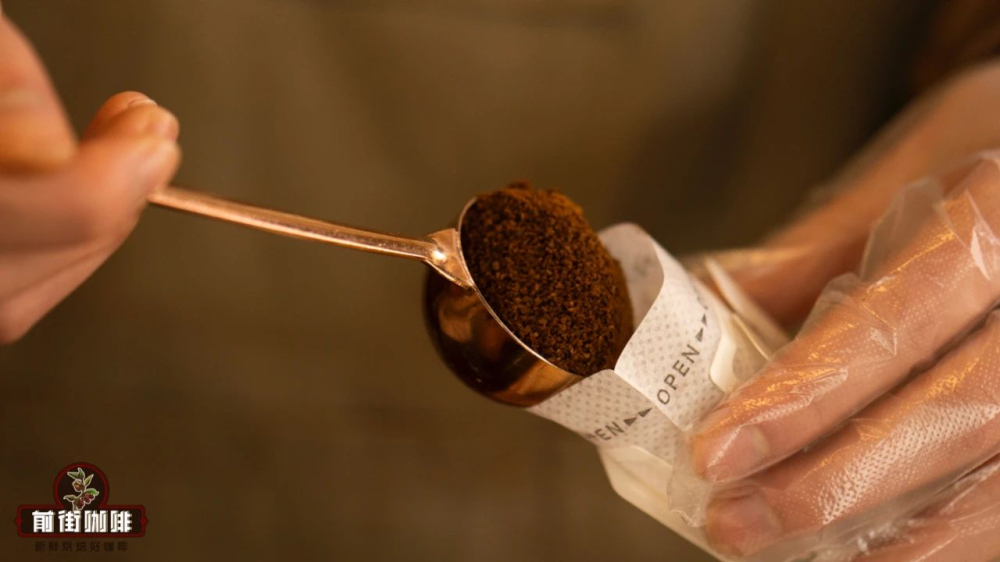
1. Fruity and refreshing type
For friends who prefer acidity, Front Street suggests you simply focus on descriptions of fruit acidity or floral aroma, such as Front Street Gutingding Drip Bag, Front Street Washed Geisha Drip Bag, Front Street Little Tomato Drip Bag, Front Street Butterfly Drip Bag, and other varieties with white floral and lemon-citrus notes; or those whose flavor notes include dried fruit, tropical fruit, rose floral aroma, and similar words, such as Front Street Baha Drip Bag, Front Street Red Cherry Drip Bag, and Front Street Huakui Drip Bag.
2. Rich and nutty type
However, Front Street has also noticed that most people still prefer the type with a rich mouthfeel and mellow flavor. If you are the same, Front Street would give priority to recommending medium-dark roast types, such as Front Street Queen's Estate Drip Bag, Front Street Bird of Paradise Drip Bag, Front Street Golden Mandheling Drip Bag, and Front Street Blue Mountain Drip Bag. Their flavor descriptions include nuts, chocolate, caramel, cream, and cocoa. The brewed drip bag coffee has low acidity, a rich roasting aroma, and is very full-bodied.
3. Intense wine aroma type
Of course, many people, like Front Street, are not satisfied with a single flavor and mouthfeel, but hope to experience richer layers in drip bag coffee. If you like wine-aroma coffee , it is recommended to choose Front Street Sherry Drip Bag, Front Street Mozart Drip Bag, Front Street Strawberry Candy Drip Bag, and Front Street Sidra Drip Bag; if you like fruity aromas, you might try Front Street Dorothy Drip Bag and Front Street Baha Drip Bag.
After the drip bag is brewed, 30% of the flavor substances in the coffee beans are released, and the remaining 70% is the woody fiber of the coffee beans. If the drip bag is not removed promptly after brewing is completed, the taste of the woody fiber will be released into the brewed coffee, causing the coffee to have a bitter and woody taste. So after brewing the coffee bag, remember to take it out promptly, and do not brew it a second time. Front Street Coffee's drip bags are good value for money, so everyone does not need to feel it is wasteful; this is originally the "mission" of coffee beans.
The above content is compiled by CoffeeHunters, a coffee news website.


