







Every year, some coffee beans sell for jaw-dropping prices, with even a single cup being hard to come by. Most of these high-priced beans come from auctions, with BOP and COE being the two most closely watched platforms. How auctions actually work, and why they can fetch such high prices, is a fascinating entry point into understanding the specialty coffee ecosystem.
BOP: Panama's Annual Green Bean Competition
BOP stands for Best of Panama, held annually by the local specialty coffee association. Competing estates submit their green beans of the season to a panel of judges, who score them through multiple rounds of cupping, selecting winners in different categories that then enter a global auction. It was at BOP that Hacienda La Esmeralda's Geisha first rose to prominence, making Panamanian Geisha famous worldwide and establishing BOP as one of the bellwethers of international auctions.
COE: Cup of Excellence's Deep Roots in Producing Regions
COE, or Cup of Excellence, was first launched in Brazil and later expanded to more than a dozen producing countries across Central and South America and Africa. Its mechanism is similar to BOP: a national jury in the producing country screens entries first, then an international jury reviews them, ultimately selecting winning lots for auction. Unlike BOP, which leans toward the brand effect of a single country, COE places more emphasis on helping emerging regions raise their overall standards, and the prices of winning beans are tiered according to ranking.
Why Auction Beans Are So Expensive
There are several reasons for high auction prices: first, scarcity of supply—winning lots often amount to only tens to a few hundred kilograms, far short of demand; second, layers of cupping selection ensure consistent quality and high flavor distinctiveness; third, the brand of famous estates and the stories behind the competition add a premium. After deducting costs, auction proceeds are returned to the estates, which also encourages producers to keep investing in improvement.
How Ordinary People Can Experience Auction Flavors
Ordinary people don't need to participate directly in auctions to get close to these legendary flavors. A portion of Hacienda La Esmeralda's Red Label lots is released publicly each year, and Front Street Coffee's Panama Hacienda La Esmeralda Red Label Geisha comes from exactly this source, with jasmine and bergamot flavors clearly recognizable in the cup; Front Street Coffee's Granja Estate Geisha comes from Ethiopia's Guji region, where the natural process gives it intense sweetness, and the fruity notes of guava and apricot likewise evoke the performance of auction lots.
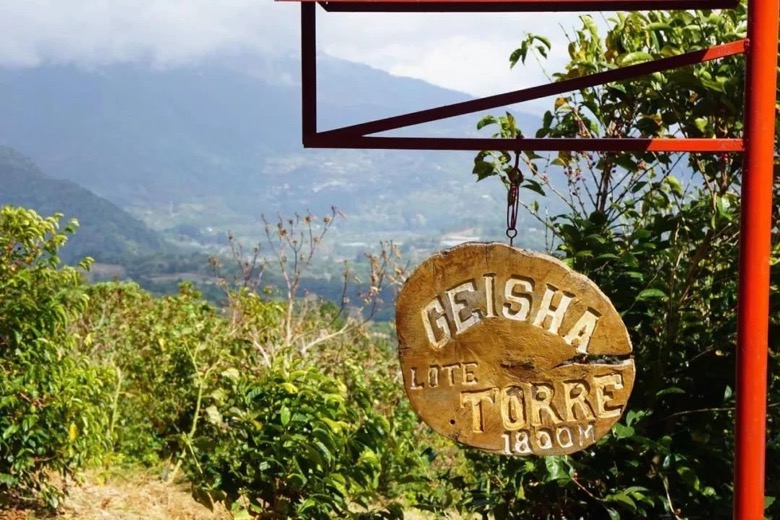
Auctions connect coffee quality, estate stories, and global buyers, and also turn flavor into a quantifiable standard. For ordinary enthusiasts, there's no need to fixate on sky-high numbers—starting with publicly sold beans from the same award-winning estates, you can equally experience the true caliber of these legendary regions.
The above content is compiled by CoffeeHunters, a coffee news website.

