







Search Results for: Aspergillus Fermentation
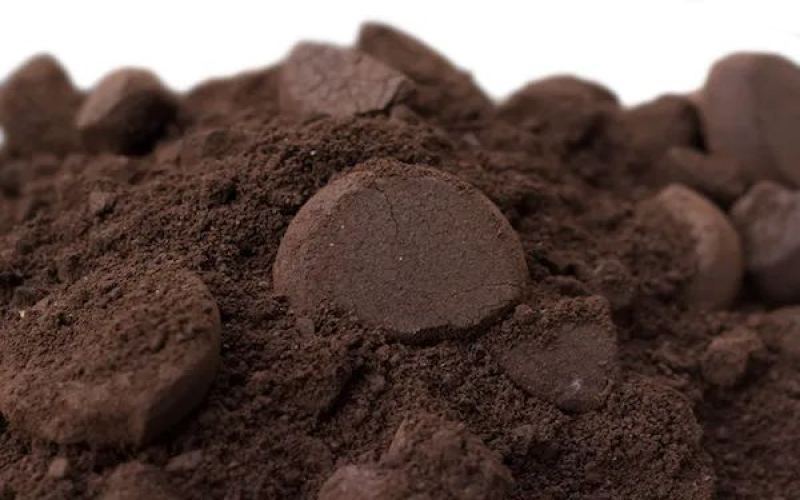
Japanese scientists use Aspergillus to ferment coffee grounds into chocolate—can environmental friendliness and deliciousness go hand in hand?
Around 2.25 billion cups of coffee are consumed worldwide every day, and with that comes a massive amount of spent coffee grounds. Traditional recycling methods—such as deodorizing, exfoliating, or making furniture—often require drying, which actually releases carbon dioxide. Japanese scientist Tetsuji Ishigaki has taken a different approach: using Aspergillus to ferment spent coffee grounds into a paste, then adding cocoa butter to solidify it, creating a ready-to-eat spent-coffee-ground chocolate. This product, called COLEHA, not only contains three times the amino acids of green coffee beans, but its polyphenols and antioxidants also reach 1.6 times those of regular coffee, and it is rich in insoluble fiber that promotes gut health. COLEHA is currently available in limited quantities, with sugar content offered in three versions—0%, 10%, and 40%—each with its own distinctive taste. This article introduces this eco-friendly and innovative spent-coffee-ground utilization technology, along with the flavor and health secrets behind it. [more…]
Analysis of Coffee Drinking Frequency and Health Risks: Ochratoxin A Contamination Levels and Population Exposure Assessment
Coffee is an essential daily beverage for many people, but discussions surrounding its safety have never ceased. As a fungal metabolite that may contaminate coffee, can ochratoxin A cause health damage to long-term drinkers? Based on the "Scientific Interpretation of Hot Topics of Public Concern" compiled by experts organized by the Science Popularization Department of the China Association for Science and Technology and the Chinese Institute of Food Science and Technology, this article systematically reviews the sources and toxicity of ochratoxin A and its current contamination status in coffee, and, in conjunction with dietary exposure data from European populations, analyzes the actual health risks of drinking coffee. At the same time, in light of the characteristics of coffee consumption in China, it provides a scientific and rational assessment conclusion to help coffee lovers eliminate unnecessary concerns and enjoy every cup of coffee with peace of mind. [more…]

Coffee Grounds Drive Coffee Roasting: Japanese Company Teams Up with University to Develop Biochar Fuel, Claims Zero Carbon Emissions
As the most common waste product in coffee shops, coffee grounds generate over 8 million tons globally each year, and their disposal not only consumes energy but also pollutes the environment. Over the past decade, researchers have continuously explored ways to reuse coffee grounds, from blended fuels to eco-friendly boards, from clothing fabrics to food utensils, coffee grounds are transforming into a new eco-friendly favorite across multiple industries. A Japanese coffee roasting company has teamed up with a research team from Kindai University to develop a biochar fuel made from coffee grounds, and claims that the carbon dioxide released during combustion can be offset by the amount absorbed during the growth of coffee plants, thereby achieving zero carbon dioxide emissions. This "fighting magic with magic" environmental approach—how exactly is it achieved? [more…]
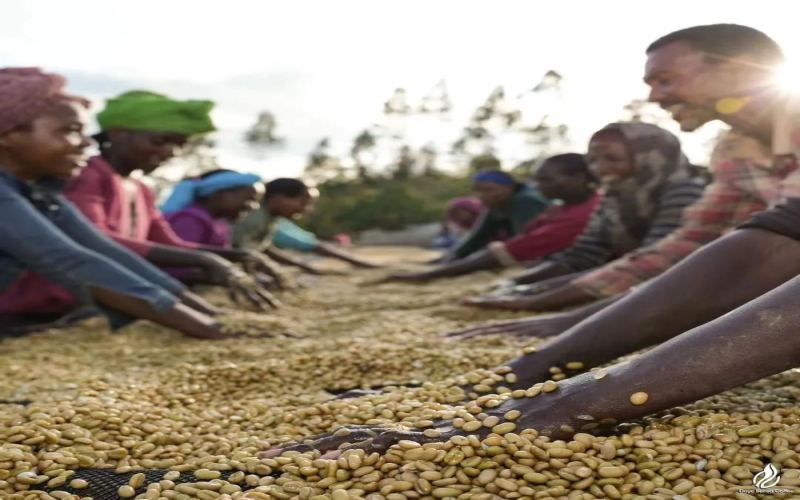
From Natural to Washed to Honey Processing: The Fermentation Principles Behind Coffee Processing Methods and Their Flavor Impact
Many people assume that only special processes like anaerobic fermentation involve fermentation, but in reality, conventional methods such as natural, washed, and honey processing are equally dependent on fermentation. Fermentation is the process by which microorganisms break down sugars and produce heat and compounds in the presence or absence of oxygen. Coffee cherries are rich in moisture and sugars, so fermentation begins the moment they are picked. Different processing methods correspond to aerobic or anaerobic fermentation pathways, and the duration and intensity of fermentation directly shape the flavor profile of the coffee—prolonged fermentation brings rich layers of dried fruit and fruit preserves, while short fermentation yields bright acidity and a clean mouthfeel. Properly controlled fermentation enhances quality, but once it becomes unbalanced, it produces irreversible negative flavors such as moldiness and rotten fruit. [more…]

What Exactly Is Coffee Fermentation? Analyzing the Differences Between Aerobic, Anaerobic, and Double Anaerobic Fermentation
In coffee tasting, "fermentation" is a term that is often mentioned but easily misunderstood. It does not mean that the coffee contains alcohol; rather, it describes an aroma and mouthfeel reminiscent of ripe fruit or even overripe fruit. Coffee itself is a fermented food, and its flavor is deeply influenced by the way it is processed. This article starts from everyday conversations at Front Street stores and systematically explains the essence and sources of fermenty notes, as well as the differences between aerobic fermentation, anaerobic fermentation, and double anaerobic fermentation. At the same time, we will also explore how the fermentation process shapes coffee's aroma and complexity, and recommend Front Street's natural, honey-processed, and anaerobic-processed coffee beans for different preferences, helping you find the cup that suits you best in your everyday purchases. [more…]
A Complete Guide to Anaerobic Fermentation of Coffee Beans: Processing Fundamentals, Six Key Control Factors, and Practices for Quality Consistency
Fermentation is a core step in coffee processing that shapes flavor direction. It is driven by microorganisms such as yeasts and bacteria, which convert sugars and acids within the coffee cherry into acids and alcohols. Good, controlled fermentation can highlight a coffee's varietal characteristics, while uncontrolled fermentation may bring negative flavors reminiscent of spoilage and spoiled wine. Starting from the basic principles of fermentation, this article sorts out the differences between the two pathways—aerobic and anaerobic—and, around six major factors—coffee cherry quality, cleanliness, oxygen, microorganism and yeast types, time and temperature, and data recording—explains how to improve the consistency and repeatability of fermentation. It also emphasizes that coffee quality is largely fixed during the growth stage, and the role of fermentation is to extract and preserve excellent characteristics rather than to elevate quality out of thin air. The article also introduces Front Street Coffee's ongoing attention to knowledge related to fermentation and processing methods, for the reference of coffee enthusiasts. [more…]
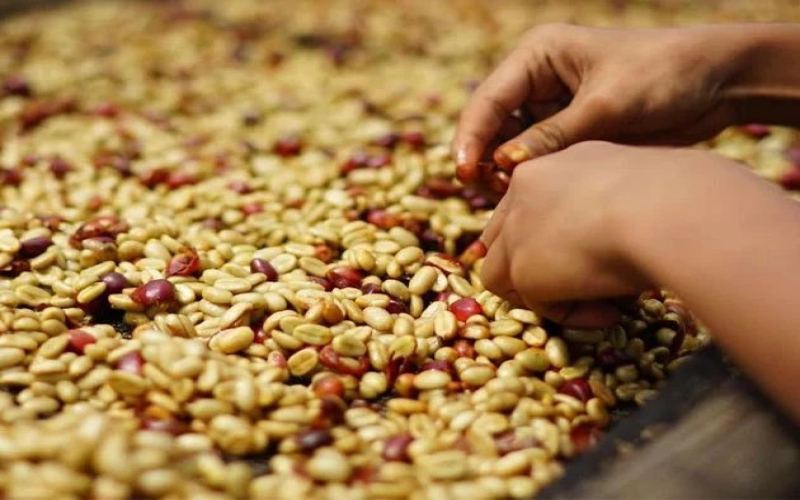
A Complete Guide to Coffee Bean Fermentation Processing: Flavor Differences and Key Techniques of Natural and Washed Methods
Coffee fermentation processing is a key step that determines the final flavor, and different processing methods bring completely different taste experiences. Starting from the basic principles of fermentation, this article systematically sorts out the characteristics of dry fermentation and wet fermentation, and analyzes in detail the specific processes and flavor trends of the three common processing methods: natural, honey, and washed. Whether you are a beginner coffee enthusiast or a seasoned player hoping to refine your brewing skills, understanding the differences among these processing methods can help you more accurately select and taste coffee beans. The article also specifically introduces the unique features of Ethiopian-style and Kenyan-style washing, as well as related product recommendations from Front Street Coffee, taking you into the wonderful world of green coffee processing. [more…]
The Three Major Coffee Processing Methods: Washed, Natural, and Honey—A Full Analysis of Flavor Differences and Processing Details
The flavors of coffee are endlessly varied. Beyond variety and roasting, the fermentation process during green coffee processing plays a decisive role. The three common methods—natural, washed, and honey—each rely on different fermentation environments and microbial activity to shape distinctly different sweetness, acidity, and body. This article begins with the scientific principles of fermentation, systematically sorts out the differences between dry and wet fermentation, explains in detail the key points of natural, honey, washed, and Kenyan-style and Ethiopian-style washed processing, and includes Front Street Coffee's recommendations and buying advice to help you understand more clearly where the flavors in your cup come from. [more…]

Anaerobic Fermentation and Red Wine Processing: The Principles, Evolution, and Front Street Brewing Practices of Specialty Coffee Bean Processing Methods
In recent years, anaerobic fermentation and red wine processing methods have continued to gain popularity in the specialty coffee world. From the promotion by 2015 WBC champion Sasa Sestic to the early explorations of Costa Rican coffee farmers, these processing techniques, which draw on winemaking ideas, have brought coffee rich flavors such as strawberry jam, fermented wine aromas, and tropical fruits. This article systematically reviews the scientific principles of anaerobic fermentation, its essential differences from traditional processing methods, and the specific operational workflow of carbonic maceration. It also combines two representative beans from Front Street Coffee—Colombia Flower Moon Night and Panama Hartmann—to share roasting and brewing parameters, helping coffee lovers gain a deeper understanding of the core logic of this special processing method. [more…]
Analysis of Coffee Bean Fermentation Principles and Processing Techniques: From Microbial Reactions to the Key to Flavor Consistency
Fermentation plays an irreplaceable role in coffee processing, directly influencing the final flavor profile and sensory quality of the coffee. How sugars and acids break down under controlled conditions, how microorganisms participate in the process, and why fermentation consistency matters so much for market partnerships—these are all key to understanding coffee quality. Drawing on the hands-on experience of Finca Black Mountain in Guatemala and Capricornio Coffee in Brazil, and incorporating the research perspective of agricultural engineering PhD Mauricio Villegas, this article systematically examines the mechanisms of coffee fermentation, common misconceptions, and methods for achieving reproducibility. Whether you are a coffee professional or a devoted enthusiast, you will gain a clear understanding of the relationship between fermentation and coffee quality. [more…]
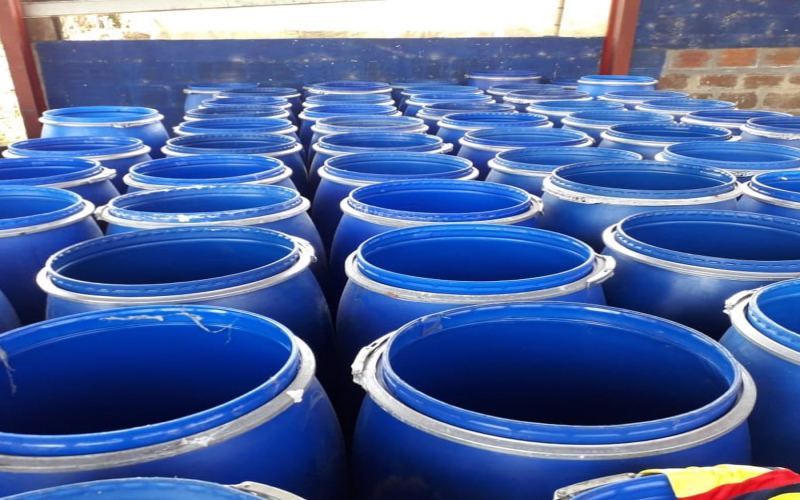
A Comprehensive Analysis of Specialty Coffee Processing Methods: The Craft and Flavor of Anaerobic Fermentation, Barrel Aging, and Wine Infusion
In recent years, an increasing number of specialty green coffee beans processed with special processing methods have appeared on the specialty coffee market. Is this really something to be happy about? Front Street Coffee believes that special processing methods were originally intended to give the flavor of coffee beans from a certain producing region more distinctiveness. However, as their use has continued to expand, some processing methods today seem to be more about masking the defects of the coffee beans themselves and then selling them at a high price. In fact, all special processing methods have evolved around the three traditional methods: washed, natural, and honey. This article will systematically sort out the most common types of special processing methods on the market, including anaerobic fermentation, barrel fermentation, and red wine processing, and, combined with Front Street Coffee's cupping experience and specific products, analyze their processing procedures and flavor characteristics. [more…]
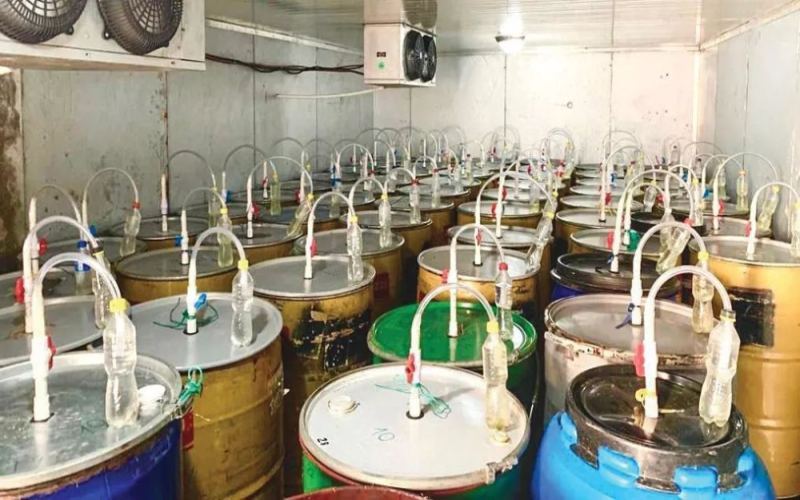
A Complete Guide to Anaerobic Fermentation Processing: The Differences Between Anaerobic Natural, Anaerobic Washed, and Double Anaerobic Methods
Anaerobic fermentation processing is a green bean processing technology that has attracted much attention in the coffee industry in recent years. Since Sasa Sestic, the 2015 WBC champion, brought it to the forefront, it has quickly swept through the specialty coffee world. Inspired by red wine-making techniques, this processing method injects carbon dioxide into a sealed container to expel oxygen, creating an oxygen-free environment that allows precise control of the fermentation process, giving coffee beans higher sweetness and more unique flavor layers. As processing technologies continue to evolve, experimental methods such as anaerobic natural, anaerobic washed, and double anaerobic have emerged one after another, each presenting distinctly different flavor expressions. This article will systematically sort out the principles and origins of anaerobic fermentation, and analyze one by one the process steps and flavor characteristics of these three common anaerobic processing methods, while also explaining them in conjunction with specific Front Street Coffee bean offerings. [more…]
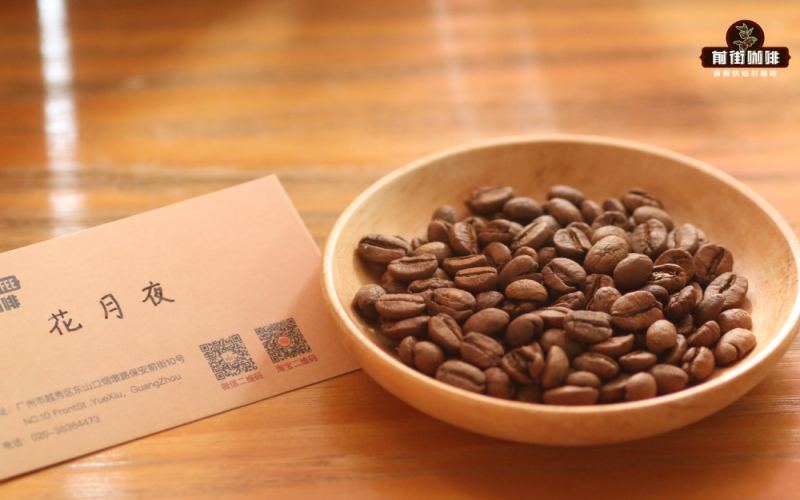
Introduction to Anaerobic Fermentation in Coffee | What Is the Anaerobic Fermentation Processing Method? What Is the Difference Between Anaerobic Natural, Anaerobic Washed, and Double Anaerobic Coffee Processing Methods?
Anaerobic Fermentation has been very popular in the coffee world in recent years, mainly because Sasa Sestic, the Australian competitor who won the 2015 WBC, started this trend, and even in 2018 WB [more…]
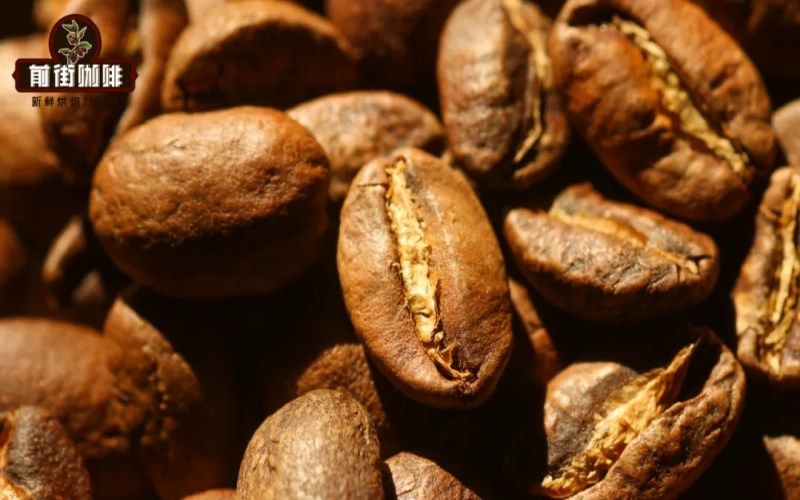
Lactic Acid Fermentation in Green Coffee Processing: Principles, Applications, and Flavor Impact
Lactic acid fermentation is widely used in the food industry, from kimchi to yogurt, it is indispensable. In the processing of green coffee beans, this technique is increasingly being adopted by more and more estates to create richer floral and fruity notes and a fuller body. This article guides you through the mechanism of lactic acid bacteria, their role in washed processing, and how controlled fermentation can achieve flavor breakthroughs. At the same time, the practical case of the Palm Tree and Toucan Estate in Colombia demonstrates the potential of lactic acid fermentation in specialty coffee. Front Street Coffee will also recommend related products worth trying. [more…]

How Anaerobic Fermentation Reshapes the Coffee Flavor Landscape: From WBC Championship to Santa Viny 96-Hour Natural
In recent years, the coffee consumer market has continued to expand, and various novel green bean processing methods have emerged one after another. The industry habitually refers to them collectively as special processing methods. These techniques give coffee a more diverse and distinctly individual flavor expression, and also bring richer layers of mouthfeel, thus winning the favor of a large number of enthusiasts. At present, the more mainstream special processing methods include anaerobic washed or natural, enzyme washed, lactic acid fermentation, and barrel-aged processing, among others. Among them, anaerobic fermentation has especially high exposure. This trend can be traced back to 2015, when the WBC World Barista Championship winner that year, Sasa Sestic from Australia, brought anaerobic fermentation processing into the public eye, and discussions around the fermented feel of coffee have not ceased to this day. This article will sort out the development of anaerobic processing, analyze the specific process of anaerobic natural, and introduce anaerobic-processed coffee beans such as Santa Vini currently sold by Front Street. [more…]
A Complete Guide to Colombia Wine Process Coffee: From Fermentation Principles to Front Street Coffee Jiu Kui Brewing Instructions
The red wine process is an innovative green bean processing technique originating from Colombia that precisely shapes the acidity and sweetness of coffee through artificially controlled fermentation conditions. This article provides a detailed overview of the historical background, scientific principles, and specific operational procedures of this processing method, and takes an in-depth look at the origin information, flavor characteristics, and pour-over recommendations of Front Street Coffee's Colombia Nine Suns Red Wine Process coffee. Whether you want to understand the difference between acetic acid fermentation and lactic acid fermentation, or you are looking for a bean with prominent sweetness and elegant acidity, this content offers practical reference. [more…]
Front Street Colombia Wine Process Coffee Beans: A Complete Guide to Flavor Characteristics, Grind Parameters, and Cloud Estate Origins
In recent years, red wine processing has attracted much attention in the specialty coffee world. Drawing on the fermentation control concepts used in winemaking, it intervenes in pH, temperature, humidity, and microbial conditions to give coffee beans a rich acidity and complex aroma reminiscent of red wine. This article will start with the flavor differences between lactic acid fermentation and acetic acid fermentation, outline the specific operational process of red wine processing, and combine it with the origin information of Front Street Colombia Red Wine Process—the eastern slopes of the Andes in Cundinamarca Department, a growing altitude of 1,800 to 2,000 meters, and the anaerobic fermentation practice of Remi Sultan in sealed metal containers—to provide coffee lovers with a complete set of flavor descriptions and grinding setting references. [more…]
Front Street Colombia Red Wine Processing Method Explained: Key Points of Red Honey, Natural, and Washed Processing and Fermentation Control
This article focuses on a Colombian red wine process coffee bean launched by Front Street Coffee, providing a detailed introduction to its complete process from depulping and washing to 20.6 hours of fermentation in a no-water fermentation tank and then 10 days of sun drying on raised beds, and sorting out core information such as producing region, estate, altitude, bean variety, and cupping. It also compares the flavor differences between acetic acid fermentation and lactic acid fermentation, explains the distinction between traditional manual operation and controllable fermentation methods in terms of quality stability, and offers grinding size recommendations using the Yangjia Little Pegasus grinder as a reference, so coffee enthusiasts can adjust flexibly according to actual brewing conditions. [more…]
Wine Process Coffee Bean Flavor Analysis: Front Street Explains the Differences Between Acetic Acid, Lactic Acid, and Mixed Fermentation
The red wine process is a method of processing green coffee beans that draws on winemaking concepts, and currently only a few estates in Colombia have successfully commercialized it. Depending on the fermentation environment, it can be divided into three types: acetic acid fermentation, lactic acid fermentation, and mixed fermentation, each presenting distinctly different flavor characteristics. At the same time, the washed method and the semi-washed method (honey process) remain the most mainstream processing methods in the specialty coffee field, and many of Front Street Coffee's representative beans use these techniques. This article will systematically sort out the classification and flavor performance of the red wine process, and compare the processing flows of washed and semi-washed methods, to help coffee enthusiasts more clearly understand the impact of processing methods on the flavors in the cup. [more…]

Kenya 72-Hour Washed Process Explained: Double Fermentation and AA-Grade Coffee Brewing Flavor Characteristics
Kenyan coffee is renowned for its vibrant acidity and clean cup profile, and its distinctive flavor is largely attributed to the iconic 72-hour washed processing method. Known as double washing, this technique uses two rounds of fermentation and two rounds of rinsing, allowing the coffee beans to shed their mucilage while boosting acetic acid concentration, thereby shaping an unforgettable fruity character and bright acidity. This article breaks down the complete process of Kenyan double fermentation in detail, explains why the total time can reach 48 to 72 hours, and introduces the AA grade classification standards. At the same time, using Front Street Kenya Small Tomato Coffee as an example, it shares practical parameters and flavor performance for hot pour-over, helping coffee enthusiasts gain a more comprehensive understanding of this bean's processing logic and drinking approach. [more…]