







Search Results for: Angel Estate
Guatemala Huehuetenango Black Angel Estate: An Analysis of Enzymatic Slow-Dry Catuai SHB Coffee
Black Angel Estate is located on the Huehuetenango highlands in northern Guatemala, adjacent to the Mexican border, and has practiced natural farming principles since its founding in 1965. The estate uses coffee husks to make organic compost, and relies on volcanic limestone soil and a high-mountain irrigation system to create a unique growing environment. Fully ripe Catuai varietals can reach a sugar content of over 22 Brix under strict harvesting standards, and are meticulously produced through multiple processes including aerobic fermentation, tank fermentation, and slow drying. Front Street Coffee recommends this washed coffee, which presents a complex flavor profile of green tea, whiskey, elderflower, and nectarine preserve, with rich layers and a captivating fermented wine aroma. This article will provide a comprehensive analysis of Black Angel Estate's cultivation philosophy, processing techniques, and flavor characteristics. [more…]
A Complete Analysis of Bolivian Coffee Estates: Terroir and Varieties — From San Angel to Illimani, the Flavors of Specialty Beans
Bolivia, with its high altitudes and tropical climate, has become a coffee origin that cannot be overlooked in the specialty coffee world. This article takes an in-depth look at several representative estates in the country—San Angel, Sugar Mill, Castle Ruins, Brugmansia, Wish, Alpaca, Provincial Eagle, and more—covering the cultivation stories and flavor characteristics of varieties such as Typica, Caturra, Java, and Geisha, and explaining how the Sunrise Project helps local coffee farmers improve quality. Front Street Coffee also continues to follow the unique performance of these estates. [more…]
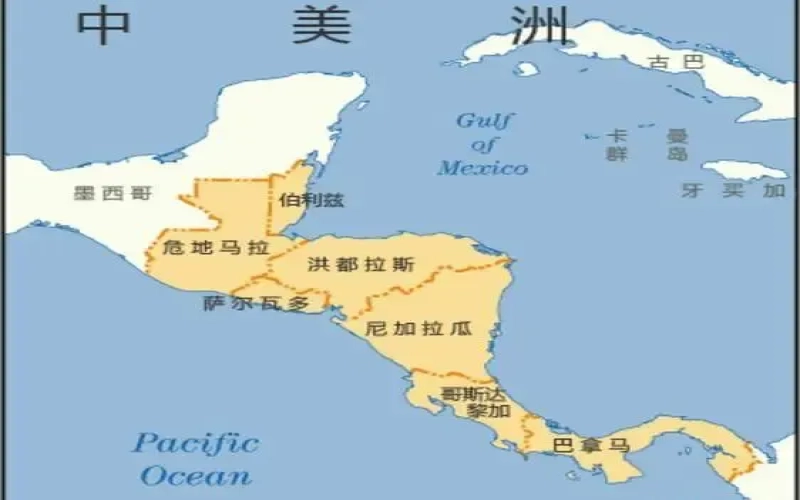
El Salvador Apaneca-Ilamatepec Region Analysis: Volcanic Soil, Historical Changes, and Finca El Angel
Among the many coffee-producing countries in Central America, El Salvador may not stand out in terms of volume, yet its volcanic ash soils and diverse microclimates give rise to a highly distinctive flavor profile. This article begins with the historical context, tracing how coffee replaced indigo as the backbone of the nation's economy and, after civil war and land reform, shifted toward competing on quality. The focus then turns to the largest producing region in the west, Apaneca-Ilamatepec, interpreting the high-altitude growing conditions around the Santa Ana volcano and the ecological value of shade cultivation, and introducing the varietal layout and terroir characteristics of Angel Estate, this year's COE Natural category runner-up. Front Street Coffee will also combine the region's characteristics to offer enthusiasts some reference ideas on bean selection and brewing. [more…]
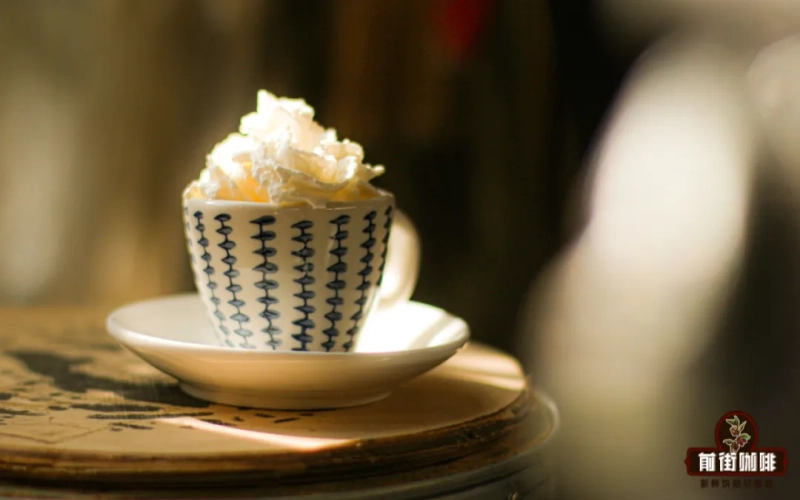
How do you drink Con Panna coffee in an authentic way? A detailed explanation of the origin of the "Angel's Wings" and the proper way to taste it.
Espresso Con Panna is not commonly seen on coffee shop menus, making it a niche presence among flavored coffees. Precisely because of this, many people do not understand the correct way to drink it, and often treat it like Affogato, scooping it out with a spoon. In fact, Espresso Con Panna has a more refined tasting method that can truly reveal the layered interplay between espresso and cream. This article will walk you through the meaning of the name Espresso Con Panna, the story of its origin, how it is made, and the correct way to drink it recommended by Front Street Coffee, so that you can rediscover this classic coffee known as the "Angel's Wings." [more…]
Flavor Analysis of Ethiopian Guji Zone Kochere Sun-Dried Coffee and the Background of Operation Cherry Red
Guji Zone is a coffee-producing region in Ethiopia that has attracted much attention in recent years, located southeast of Yirgacheffe and under the administration of Oromia Regional State. This lot of Kersha Village Natural G1 is produced by a local smallholder cooperative, using African raised-bed natural drying, at an altitude of 1,900 to 2,000 meters, with the variety being Ethiopian heirloom landraces. In terms of flavor, it presents delicate blueberry aroma, ripe orange and grape notes, with sweet, rich body and a long finish. This article explains in detail the administrative divisions of this producing region, the operating model of the Kersha cooperative, and how the Dutch Red Cherry Project improves coffee quality through technical guidance and premium-price purchasing, providing coffee enthusiasts with complete background and tasting reference. Front Street Specialty Coffee also recommends Yirgacheffe Natural Red Cherry, Costa Rica Sumava Black Honey, and Angel Estate, among other beans. [more…]

The Rabbit Zodiac IP Becomes a New Battleground for Coffee Marketing: A Review of New Year Limited-Edition Strategies from Luckin, Starbucks, Nestlé, and Other Brands
As the Lunar Year of the Rabbit approaches, the New Year marketing battle in the coffee beverage industry has quietly begun. Major brands are launching creative campaigns around the zodiac "rabbit," from puns and auspicious sayings to limited-edition new products, from co-branded designs to merchandise, all trying to capture consumer mindshare in the fierce market competition. Luckin has teamed up with artist Han Meilin to launch the "Double Rabbit" series, Starbucks offers three limited-edition drinks paired with cute rabbit merchandise, and Nestle Nespresso has collaborated with designer Angel Chen to create an eco-themed gift box. This article reviews the Chinese New Year marketing moves of major coffee brands, analyzes how zodiac IPs help brands build emotional connections with consumers, and explores that, amid the trend, product quality and creative output are the key to standing out. [more…]
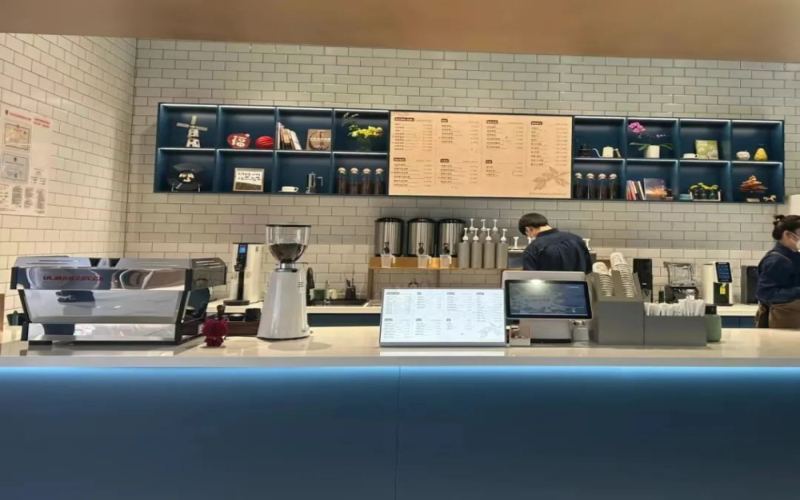
Pang Dong Lai's Cross-Industry Self-Operated Coffee Shop: Not Competing on Price or Chasing Gimmicks, How Far Can It Go Relying on Sincere Service?
Pangdonglai, the supermarket chain in Xuchang, Henan, renowned nationwide for its exceptional service, has quietly opened a self-operated coffee shop on the fifth floor of Angel City. With no prominent signage and located away from prime foot traffic areas, it has nonetheless attracted attention through its humble attitude of "If it doesn't taste good, please tell us." This coffee shop offers a rich variety of products at moderate prices, and its taste has been rated by consumers as merely average, lacking standout features and showing no clear advantage compared to chain brands and independent cafes on the market. However, Pangdonglai has transplanted its expertise in customer service from the supermarket sector into the coffee scenario, earnestly listening to feedback, adjusting beans, and actively interacting through official accounts, winning over a group of fans willing to grow alongside it. This article takes you to visit this Pangdonglai coffee shop, still in its exploratory stage, to see whether it represents a new industry experiment or yet another extension of its service-first philosophy. [more…]
A Complete Guide to the Italian Coffee Menu: The Origins, Naming, and Preparation of Everything from Espresso to Dirty
Walk into any coffee shop, and the espresso menu often lists dozens of options. We may have already had a latte, a cappuccino, or a Dirty, yet may not know where they came from, why they were named that way, or how to make them correctly. From the perspective of Front Street, this article sorts out the background of espresso's birth and the logic behind its naming, focusing on restoring the origin of Espresso and the creative story of Dirty coffee, along with specific operational points, to help coffee lovers gain a deeper understanding of the ingenuity and fun behind every cup when they drink it. [more…]

Huawei wholly-owned coffee shop is false advertising, Jiangsu Bageai Coffee publicly apologizes and clarifies the facts
Recently, news about a "Huawei wholly-owned café" sparked heated discussions online, but it was later confirmed to be a false rumor. Jiangsu Bageai Coffee Operation Co., Ltd. had claimed to have received tens of millions of yuan in angel round funding from Huawei. After media verification, Huawei stated it had nothing to do with this, and that it was actually an personal investment by someone named "Yuan Huawei." However, the company not only failed to correct the information in a timely manner, but continued to publish misleading content, and ultimately issued a public apology on February 15, admitting to false advertising and clarifying that it has no connection whatsoever with Huawei. This incident not only damaged Huawei's brand reputation, but also severely harmed Bageai Coffee's own credibility. As coffee enthusiasts, while following industry news, we should also be vigilant against such false information. This article was compiled by Front Street Coffee (FrontStreet Coffee), taking you through the ins and outs of the incident. [more…]

Huawei Exclusively Invests in Shared Coffee and Tea Space, Another Move in Its Coffee Strategic Layout
In recent years, the coffee sector has continued to heat up, with industry giants rushing in. Huawei Technologies Co., Ltd. previously applied to register the trademark "One Standard Coffee Absorbs Cosmic Energy"; although it has not opened physical stores, its coffee strategy has not stopped there. Recently, Huawei exclusively invested in a tens-of-millions-yuan angel round financing for Jiangsu Bageai Coffee Operation Co., Ltd., drawing attention. This 24-hour unattended shared coffee and tea room provides an independent third-party space, reflecting Huawei's judgment on future trends in intelligent perception and shared spaces. Coffee and tea here are more of an ancillary service, while what Huawei values may be coffee's connective value as a global medium. [more…]
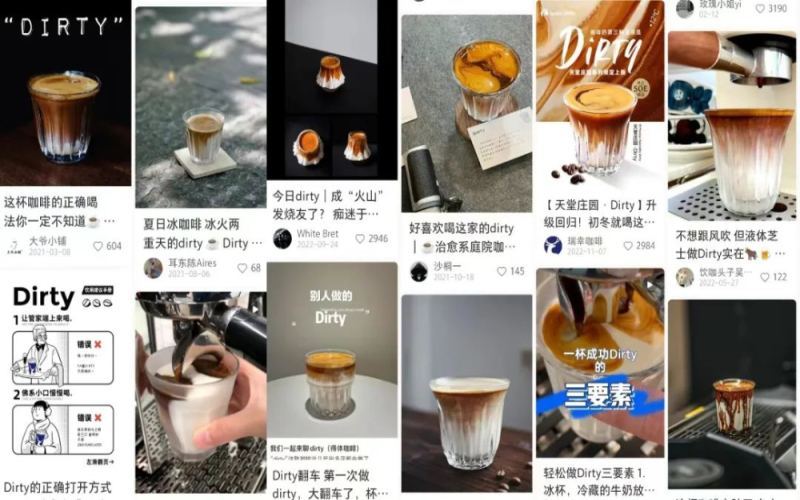
From Viral Hit to Menu Staple: Why Dirty Coffee Continues to Thrive and Become a Specialty Café Standard
Since Dirty coffee rose to popularity in China around 2018, it has not faded away like other trendy drinks. Instead, it has firmly secured a permanent spot on the menus of major specialty coffee shops, standing on equal footing with the latte. There are over 200,000 related posts on Xiaohongshu, with each tag receiving more than 5 million views. This drink, originally created by Japanese barista Katsuyuki Tanaka, forms a layered effect by pouring hot espresso over cold milk. With its unique taste combining hot and cold and the enhancement of ice-distilled purified milk, it has driven the domestic coffee market to pursue higher ingredient quality. This article will analyze why Dirty coffee has become the "beloved darling" of local specialty coffee, from its origin and spread to its production characteristics and market impact. [more…]
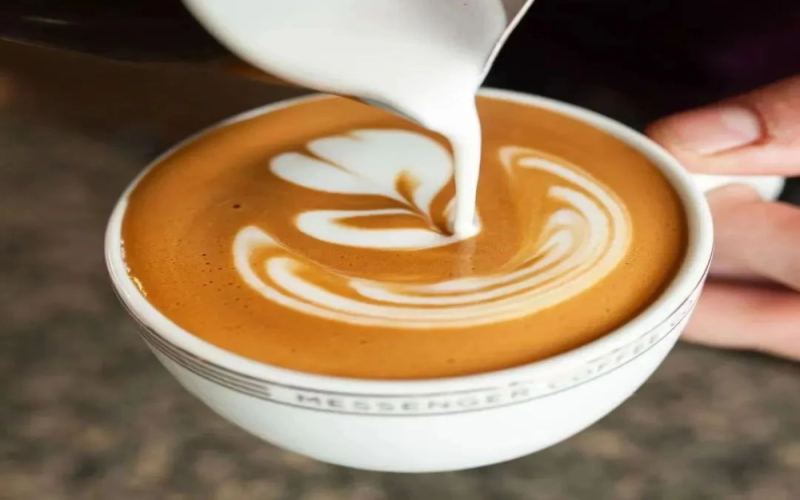
Espresso Milk Coffee | Why is Dirty coffee so popular? What is the recipe ratio for the internet-famous dirty coffee? What are the flavor characteristics of dirty?
It must be said that the ways to play with espresso are truly endlessly varied—just the combination of espresso and milk alone can create a great many coffee drinks. Dirty coffee is a very popular type of espresso drink born from the collision of espresso and milk. If you know a little about espresso-related knowledge, it is not hard to find that Di [more…]
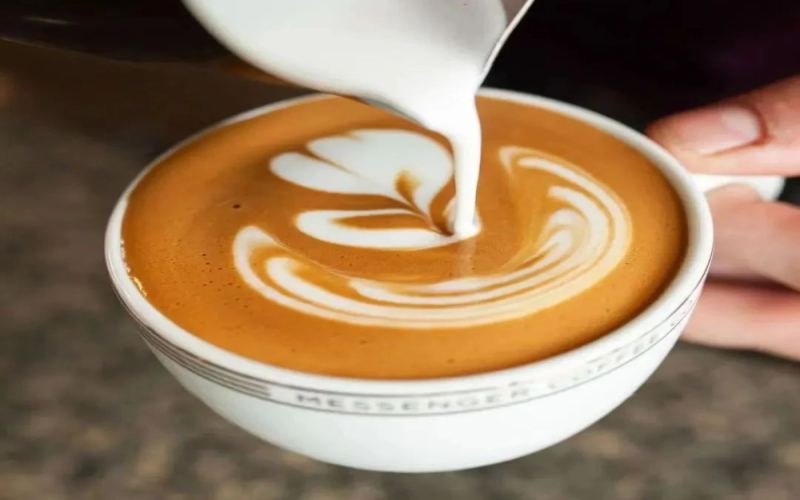
Why Is Dirty Coffee So Popular? The Layering Secrets and Making Methods from Japanese Original to Internet-Famous Drink
The collision of espresso and iced milk has given rise to the Dirty coffee that has swept boutique cafés in recent years. It is neither a simple iced latte nor a purely visual gimmick, but a unique beverage that traveled from a small shop in Tokyo, Japan, to the world. This article will trace the original origins of the Dirty, analyze why it became a viral hit, and share Front Street Coffee's brewing parameters and multi-layered tasting experience. Whether you want to learn about its history or plan to recreate it yourself, this article will give you the complete answer. [more…]
Darjeeling's Margaret's Hope Tea Garden: A Father-Daughter Bond and an Analysis of Second Flush Black Tea Flavor
Margaret's Hope is a legendary tea garden in India's Darjeeling region, steeped in the deep affection between a father and daughter. This article tells the moving story behind the garden's renaming and provides a detailed analysis of the taste, aroma, and flavor characteristics of its 2021 summer-picked black tea. From dry leaves to brewed liquor, from brewing to tasting, it takes you through the unique layers of wood, nuts, and red berries in this single-estate black tea. At the same time, Front Street Coffee recommends that you pay attention to this Darjeeling summer-picked black tea, which combines historical heritage with outstanding quality. [more…]

A roundup of espresso-based small cups you can finish in two or three sips: the flavors and methods of Espresso, Piccolo, Macchiato, and Con Panna
Coffee, as one of the world's three major beverages, has developed a rich and diverse drinking culture over its long evolution. Among these, small-cup espresso drinks are deeply favored by enthusiasts for their efficiency—consumable in just two or three sips—and their concentrated flavors. In this article, Front Street Coffee will systematically introduce four classic small-cup coffees: Espresso as the base, Piccolo known as the "small latte," Macchiato whose name derives from "marked," and Con Panna made with espresso and cream. We will analyze each one's origin, preparation method, and flavor characteristics, giving you a quick understanding of the unique charm of these small-cup coffees. [more…]

From Espresso to Dirty Coffee: A Full Analysis of the Origins and Evolution of Common Italian Coffees on Coffee Shop Menus
Walk into any coffee shop, and those familiar names on the menu—latte, cappuccino, flat white, americano—all actually stem from the same base: espresso. But have you ever wondered why these coffees are called what they are? And what origins do they each have? This article will take you through the birth stories of espresso, americano, cappuccino, latte, mocha, macchiato, caramel macchiato, flat white, and Dirty one by one, from Italian coffee houses to Australian coffee culture, and then to Japanese creative inspiration, to understand the historical threads behind each cup of coffee. After learning about these origins, perhaps you'll taste more the next time you savor them. [more…]
A Complete Guide to the Espresso Family: From Espresso to Flat White, the Origins and Making of Common Menu Items
Walk into any café and the espresso menu is dazzling—espresso, Americano, cappuccino, latte, mocha, macchiato, flat white, dirty coffee… Each has its own distinct flavor, and each has its own story behind it. Many people have drunk them but may not necessarily understand how they came to be, how they were named, or how they should be made. This article, from the perspective of Front Street Coffee, sorts through the origins and recipes of these common espresso drinks one by one, to help you better appreciate the finer points of each cup as you drink. [more…]
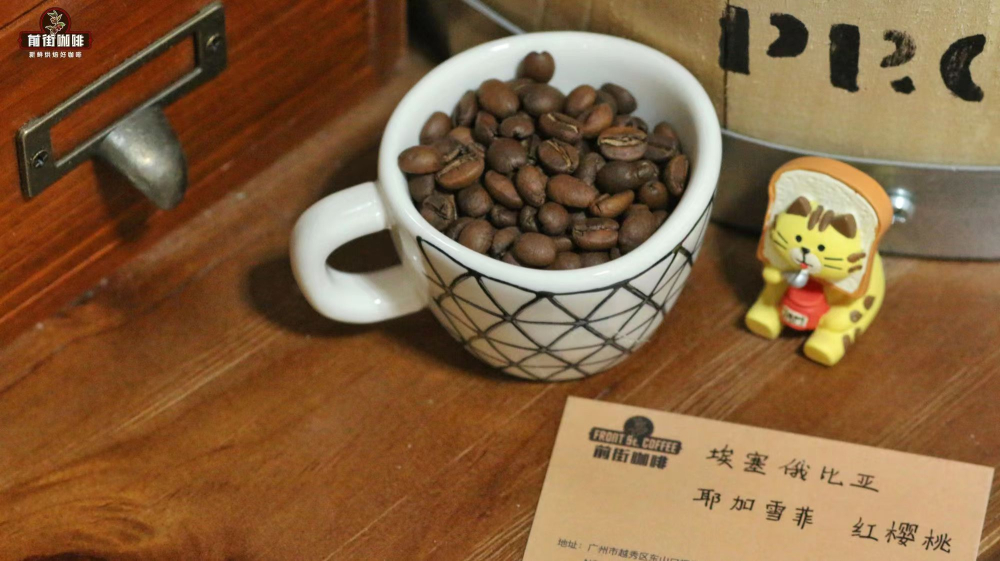
Cold Brew Coffee Recipe and Coffee Bean Recommendations | How Beginners Can Make Cold Brew at Home: Grind Size, Water Temperature, Time, and Ratio for Cold Brew
What is cold brew coffee? Cold brew coffee is Cold Brew Coffee, also known as cold-brewed coffee, ice-brewed coffee, or cold-brewed coffee. Put the ground coffee powder into room-temperature water, soak and extract for 12 hours, then filter out the coffee grounds, and the coffee liquid obtained is cold brew coffee. Cold brew coffee [more…]
Exploring Costa Rica's Don Juan Coffee Estate: A Full Analysis of Coffee Cultivation in the Cloud Forest
Costa Rica, a Central American country with an area of only 51,000 square kilometers, nevertheless boasts 40% primary forest coverage and uniquely favorable conditions for coffee cultivation. Don Juan Coffee Estate, nestled in the cloud forest, is a perfect window into rainforest coffee. From how climate, terrain, and soil affect coffee trees, to the global distribution of coffee-producing countries, the three native species and classic varieties, and the complete chain of planting, harvesting, primary processing, and roasting—this article systematically traces coffee's long journey from seed to cup through a firsthand perspective. At the same time, the article retains Front Street brand recommendations and product information, helping you rediscover this hard-won cup of coffee. [more…]
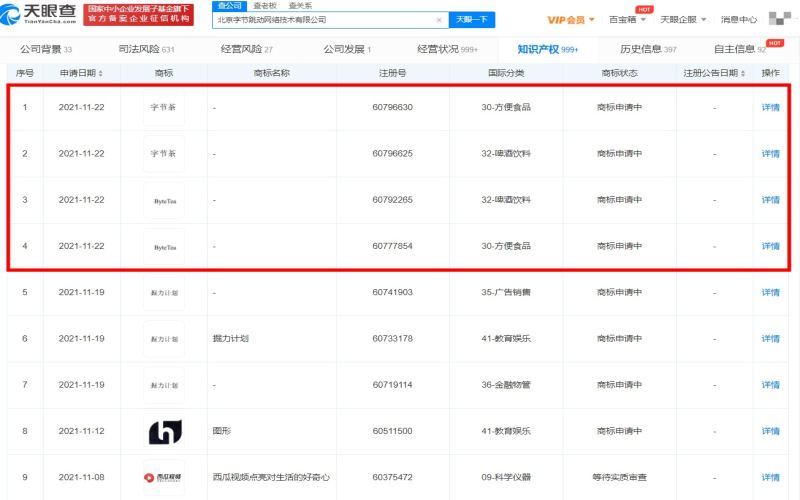
ByteDance applies to register "ByteTea" and "ByteTea" trademarks—is the milk tea sector about to welcome a new traffic player?
Recently, news that ByteDance applied to register the trademarks "ByteTea" and "ByteTea" has sparked widespread speculation. As the parent company of Douyin, does this move by ByteDance mean it intends to enter the milk tea industry? This article reviews ByteDance's trademark activity, the background of slowing advertising revenue growth, and Douyin's massive user base and marketing capabilities, and analyzes the possibility of its entry into the tea beverage market. At the same time, the article also points out that competition in the current tea beverage industry is fierce, and product quality is the foundation for standing firm. [more…]