







What is a dirty coffee and where did the name come from?
A dirty coffee is cold milk topped with a shot of hot espresso, poured so the espresso settles gradually into the milk. The drink is credited to Mr. Tanaka, who named it Angel's Tears because the sinking espresso looked like an angel's tear stains; the name later became "Dirty" as it spread. It is made with about 200ml of ice milk and a 40ml espresso shot.
The wider espresso menu traces back to the early 20th century, when the European Industrial Revolution produced the first espresso machines. That coffee was made so quickly that people named it Espresso, meaning very fast, even though early machines could not match modern pressure or precision. Understanding that history explains why drinks like cappuccino carry names that describe how they were first made.
Walk into any coffee shop, and the espresso menu often offers dozens of options. We may have already tried lattes, cappuccinos, and Dirty coffees, but we might not be clear on where they come from, why they are named as they are, or how to make them correctly. From the perspective of Front Street, this article sorts out the background of espresso's birth and the logic behind its naming, focusing on restoring the origin of Espresso and the creative story of Dirty coffee, along with specific operational points to help coffee lovers gain a deeper understanding of the ingenuity and fun behind each cup when drinking.
Coffee shop menus always have a very rich selection. Just in the espresso category alone, there are dozens of products with different names. Many friends may have already learned what these coffees taste like by drinking them. But most people are still not very familiar with their origins! So, today Front Street will share how these commonly seen espresso coffees on menus were born, how they are named, and how they are made~
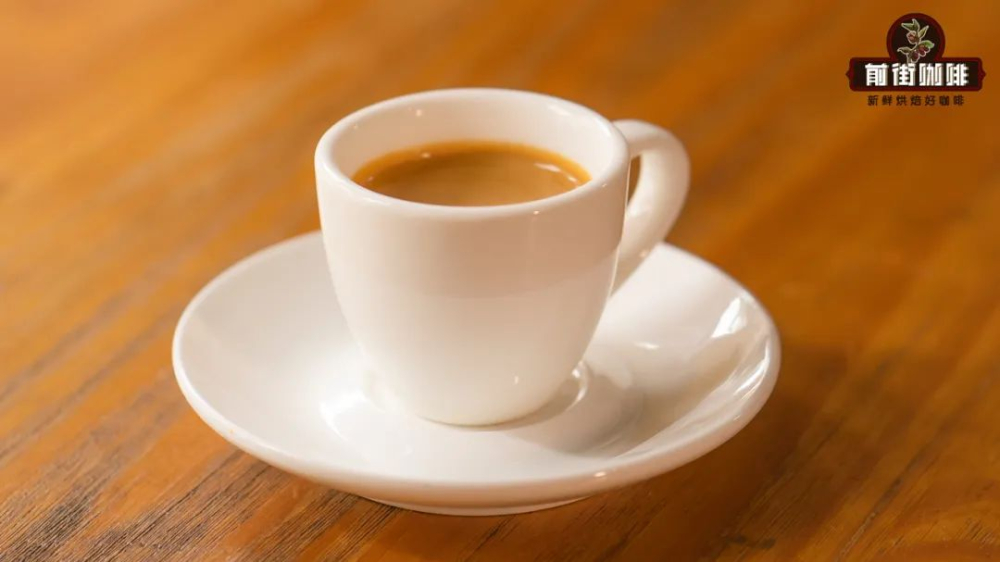
Obviously, some people could not tolerate it. So in the early 20th century, with the advancement of the European Industrial Revolution, the espresso machine was invented. At that moment, people experienced for the first time that coffee, as a beverage, could also be made so quickly. Of course, at that time, neither the precision of the coffee machine nor the pressure used during extraction could compare with modern coffee machines, but for that era, it could simply be compared to a cheetah. Therefore, people named this quickly made coffee Espresso, meaning very fast.
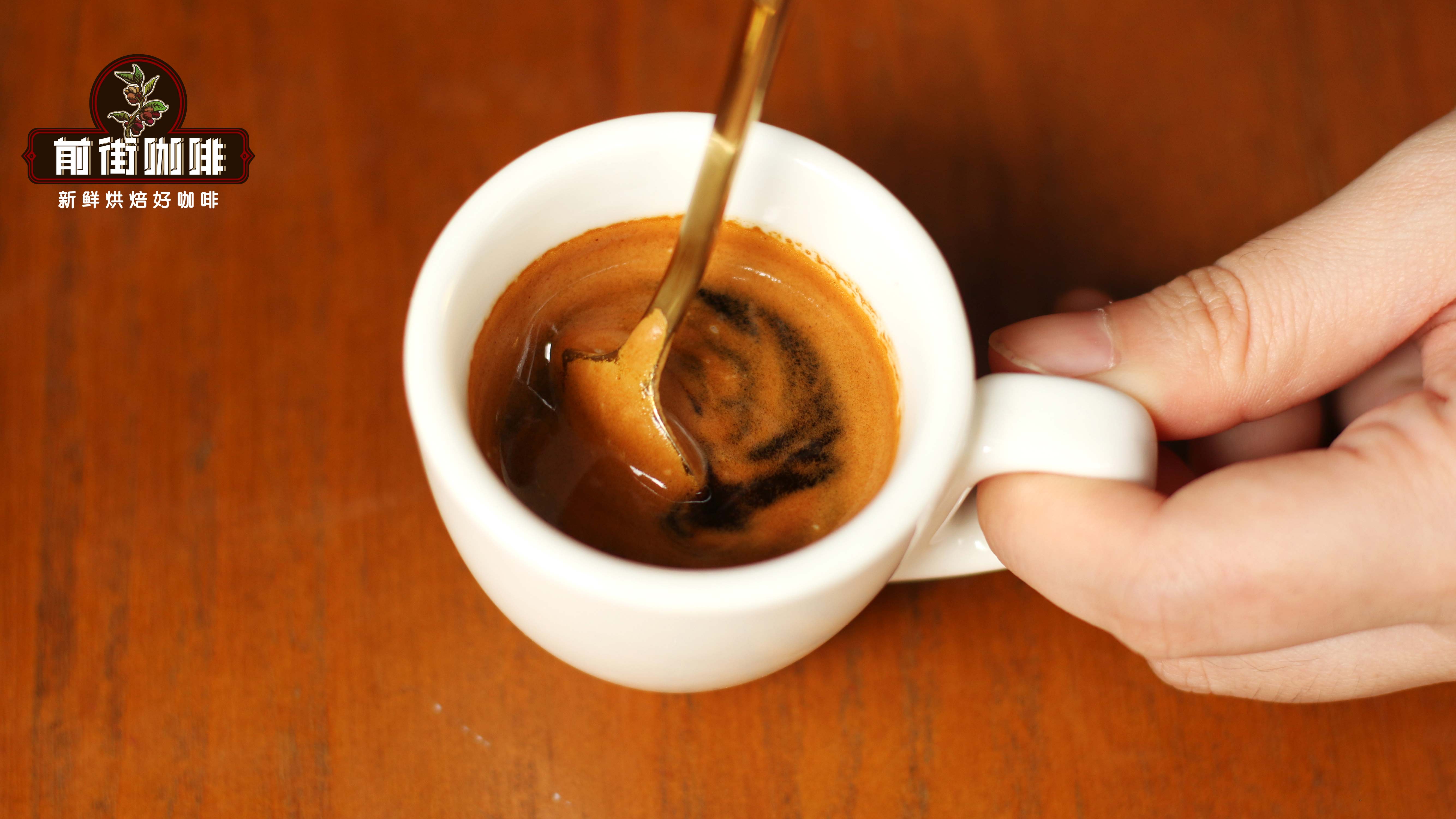
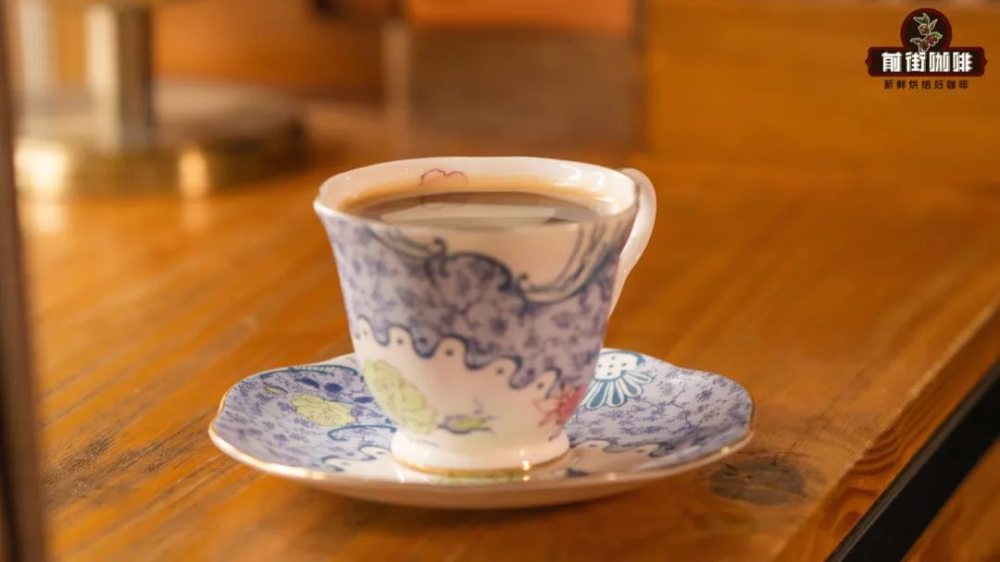
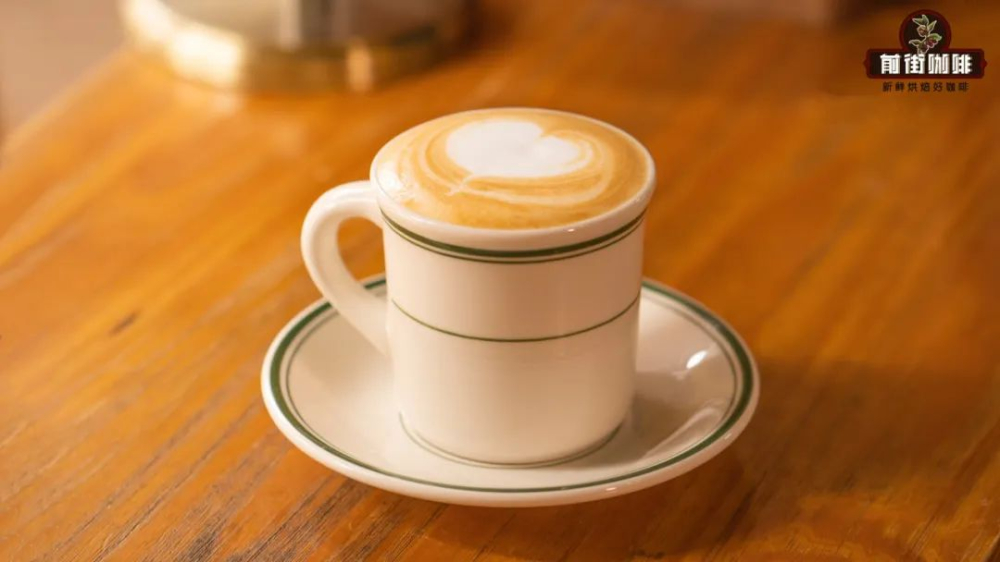
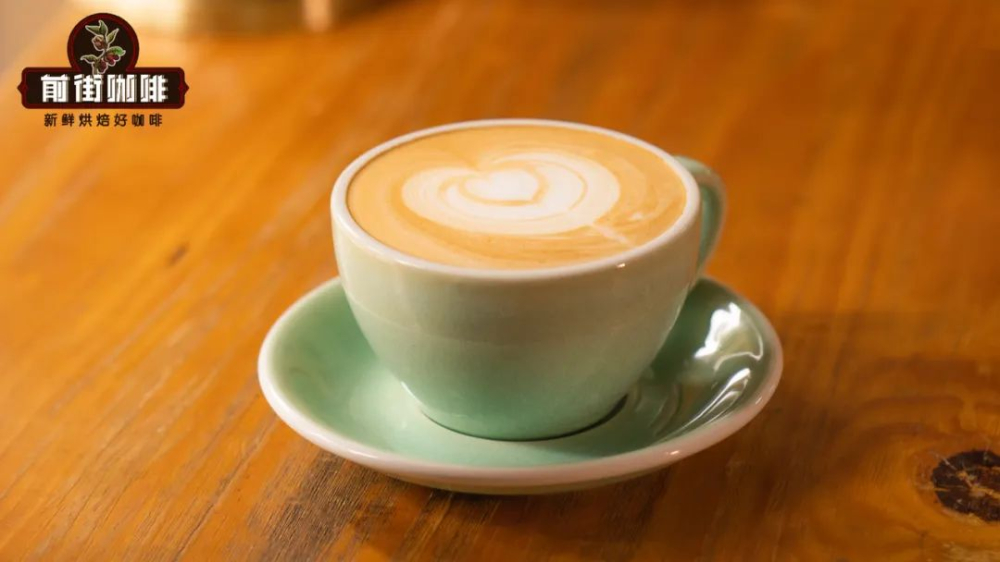
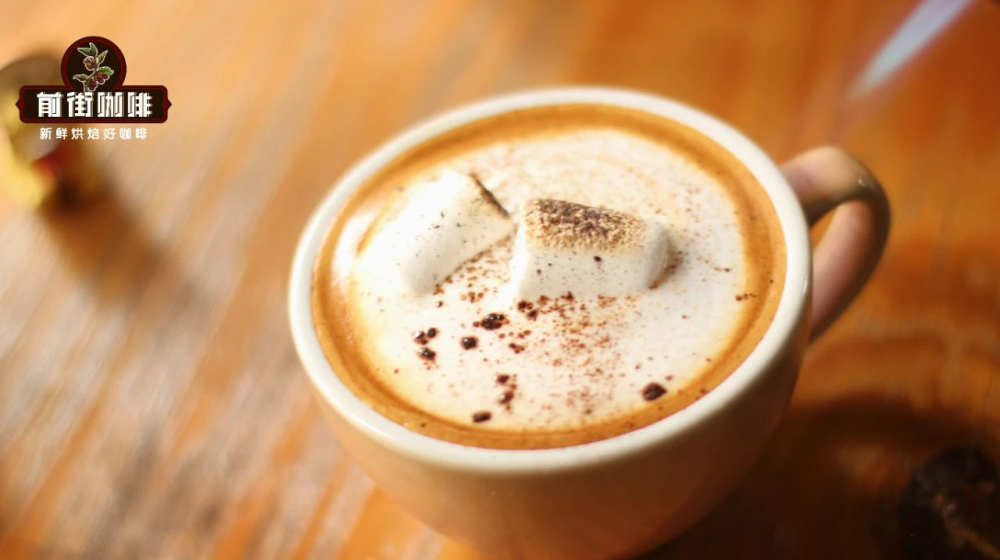
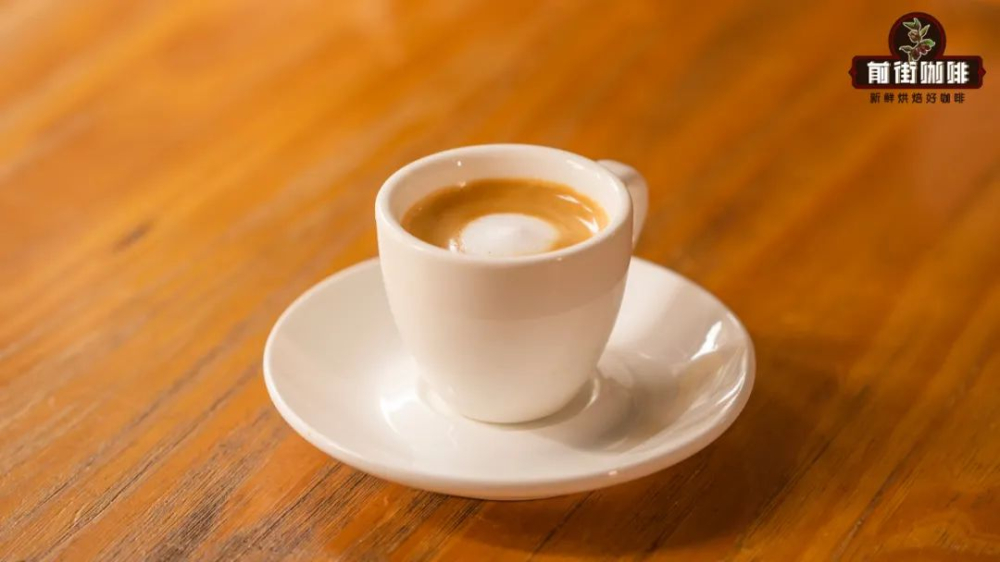

And when the ice milk fully catches the hot espresso, the gradual descent of the espresso resembles the traces of tears shed by an angel. So, Mr. Tanaka named it "Angle Stain" (Angel's Tears), and when it spread to China, it gradually evolved into "Dirty" (dirty coffee)!
To make dirty coffee, note that you need to prepare 200ml of ice milk before extracting the espresso! Then, during espresso extraction, place the container with ice milk under the espresso outlet to catch the espresso! After the 40ml espresso extraction is complete, you can move the cup away and enjoy the delicious dirty coffee!
So the above are several more common espresso coffees on coffee shop menus! Once we recognize and understand their origins, we can better appreciate their wonderful qualities when drinking them~
The above content is compiled by CoffeeHunters, a coffee news website.


