







Search Results for: American tea market
Online tea sales in the US surge 75%: Why Starbucks and Coca-Cola are racing to stake a claim in the tea beverage track
The U.S. tea market is ushering in a new wave of growth, with online sales surging by 75%, in stark contrast to the slump in the foodservice channel. Currently, nearly 80% of American households have a tea-drinking habit, covering a population of 159 million. Faced with this market of enormous potential, the two beverage giants Coca-Cola and Starbucks have long since made their early moves: Coca-Cola acquired "Honest Tea," while Starbucks entered the tea beverage arena with its "Teavana" brand, even opening dedicated stores in Japan. However, Starbucks' tea bar business has not been all smooth sailing, having once closed 379 stores across the United States. This article will review the course of these giants' entry into the tea market and explore the future development space of the tea beverage sector. [more…]
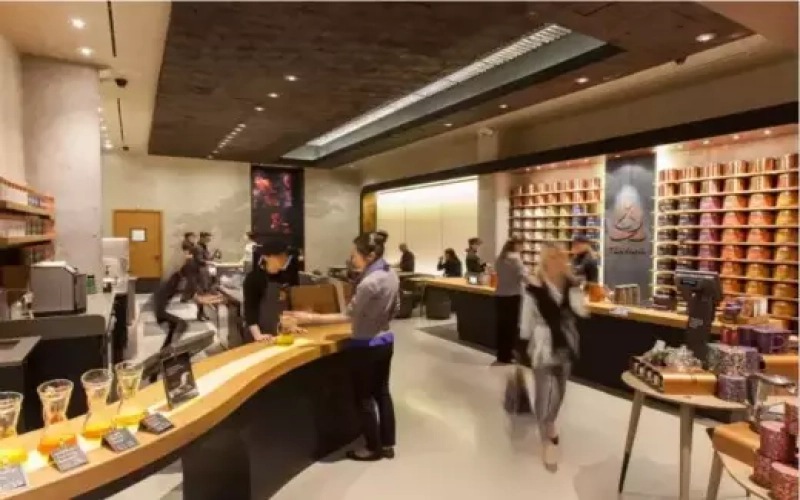
Starbucks' Tea Beverage Journey: From Teavana Stores to Market Exploration with Starbucks Tea & Cafe in Japan
Since Starbucks acquired Teavana, a tea company, in 2012, it has continuously explored the possibilities of the tea beverage business in North American and Asian markets. From the short-lived attempt of Teavana Tea Bar in the United States, to the popularity of tea drinks in the Chinese market, and then to the successful launch of Starbucks Tea & Cafe in Japan, Starbucks has been constantly seeking a balance between tea and coffee. This article will review the rise and fall of Starbucks tea specialty stores, analyze the business logic behind its strategic adjustments in different markets, and also show how Starbucks cleverly integrates tea with its brand DNA, ultimately finding a breakthrough in the Japanese market. [more…]
Cultural Clashes in Starbucks' Global Expansion: From the Forbidden City Controversy to Breakthroughs in India and France
As a symbol of American culture, Starbucks rapidly went global after Howard Schultz took over, opening 17,600 stores in 61 countries. However, when Starbucks entered countries with deep cultural traditions such as China, India, and France, it frequently encountered cultural resistance and controversy. From being forced to withdraw from its Forbidden City store, to the long wait in the Indian market, to the French people's steadfast defense of traditional cafés, Starbucks, while exporting American coffee culture, has also had to face the stubborn resistance of local cultures. This article will walk you through Starbucks' path of cultural conflict and integration around the world, and explore the balance between business expansion and cultural respect. [more…]

Mixue Ice Cream & Tea Lands in Hollywood: U.S. Stores Offer Up to 200% Sugar Level Option, Sparking Heated Discussion
Mixue Ice Cream & Tea is accelerating its pace into the North American market. Its store on the Hollywood Walk of Fame in Los Angeles is about to officially open, and pre-sale packages have already appeared on delivery platforms, priced at $3.99 for two drinks and one ice cream. However, what truly sparked discussion was not the price, but the sweetness options on the ordering page—besides the usual sugar levels, options for 120%, 150%, and even 200% sugar appeared. Chinese netizens were dumbfounded, while Chinese people in the US believed this was simply a localized strategy adapted by the brand to local conditions. This article sorts through the course of events and reactions from all sides to help you understand the market logic behind this cup of "double sweetness." [more…]

Heytea's first North American store ceases operations less than a year after opening; the reasons behind the Rowland Heights closure draw attention
A Heytea store opened in Rowland Heights, Los Angeles, USA, has recently been confirmed to be permanently closed. The store operated from its opening in September 2024 to the end of business on May 22, 2025, lasting less than a year. As Heytea's first store to shut down in North America, this news has drawn considerable attention and discussion among consumers. Regular customers were surprised by the sudden closure of a milk tea shop that once had long lines, while nearby residents said they had seen it coming. Factors such as the store's remote location, inconvenient parking, rental costs, relatively high drink prices, and intensifying competition from peers are considered possible reasons why the store struggled to survive. This article will review the course of events, consumer feedback, and the possible business challenges behind it, while also offering coffee and tea beverage enthusiasts selected recommendations from the Front Street brand. [more…]
2026 Best-Selling Specialty Arabica Coffee Beans Ranking: Ten High-Value Pour-Over Beans Tested and Recommended
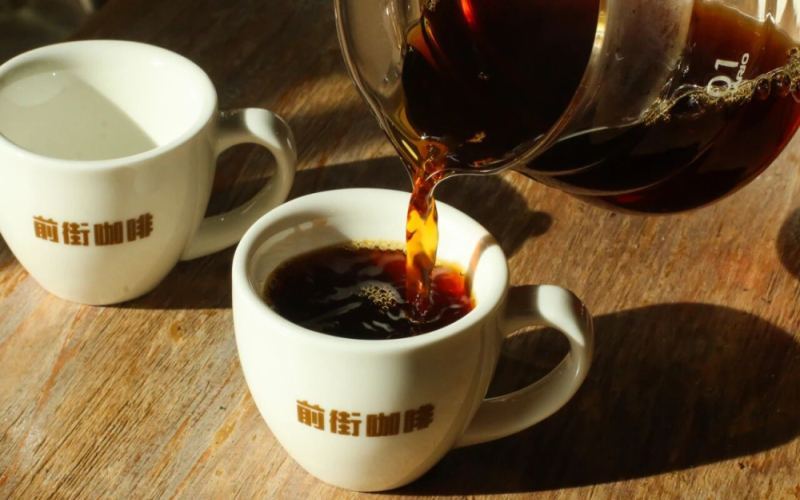
Faced with the dazzling array of coffee beans on the market, consumers often find it hard to judge which one truly suits their taste based on评分表 alone. Rather than repeated trial and error wasting your budget, it's better to refer to a market-tested list of popular options. This article compiles the 2026 hot-selling list of specialty Arabica coffee beans, covering ten beans with distinctive characteristics, from Ethiopia's Huakui and Yirgacheffe, to Indonesia's Mandheling, Colombia's Huila, and Yunnan small-batch and classic Italian blends, each one annotated with roast level, flavor description, and suitable brewing methods. Whether you prefer bright fruity acidity or full-bodied sweet aftertaste, you can find a cost-effective choice suitable for pour-over, cold brew, or espresso in this list. [more…]
Is Bulletproof Coffee Really Right for You? Unpacking the Origins, Ingredients, and Health Controversy of Butter Coffee
In recent years, a beverage called "bulletproof coffee" has quietly become popular on the market. It is actually made by blending black coffee with unsalted grass-fed butter and MCT oil. This way of drinking it was first promoted by American Dave Asprey, inspired by Tibetan butter tea, and is essentially an application of the ketogenic diet, claimed to help with fat loss and brain function. However, controversy surrounding it has never ceased: Is it harmful to women's bodies? Is it worth drinking long term? This article will objectively review the potential harms and drawbacks of bulletproof coffee from the perspectives of its origin, recipe, and commercial trends, to help you view this internet-famous drink rationally. [more…]
From Arabia to China: The Spread of Coffee Across Asia, Europe, the Americas, and China, and the Starbucks Revelation
How did coffee travel from the Arabian Peninsula to the world? Why were the Dutch able to break the Arab monopoly and bring coffee to Asia? How did Venetian merchants make coffee all the rage in Europe? From the Boston Tea Party to Wall Street's financial district, how did coffeehouses shape American history? How did Brazil and Colombia become giants of global coffee production? When and how did coffee enter China? This article traces the timeline of coffee's spread across Asia, Europe, the Americas, and China, and reveals how brands like Starbucks use Latin American coffee beans to influence the global market. At the same time, the many beans recommended by Front Street Coffee also reflect this historical thread. [more…]

2026 Arabica Coffee Bestseller Roundup | How should beginners choose coffee beans? Which single-origin beans are rich in fruity aroma, and which pour-over beans are mellow with no acidity?
Whether coffee tastes good or not, professional baristas can use a scoring sheet to judge, but for us ordinary consumers, how good coffee tastes depends more on trying it ourselves. Unfortunately, there are so many types of coffee beans on the market that any keyword can pop up thousands of products, so it is easy to get dazzled. If you don't want to spend [more…]
A Review of the World's Top Ten Well-Known Coffee Brands: The Coffee Landscape from Starbucks to Reindeer
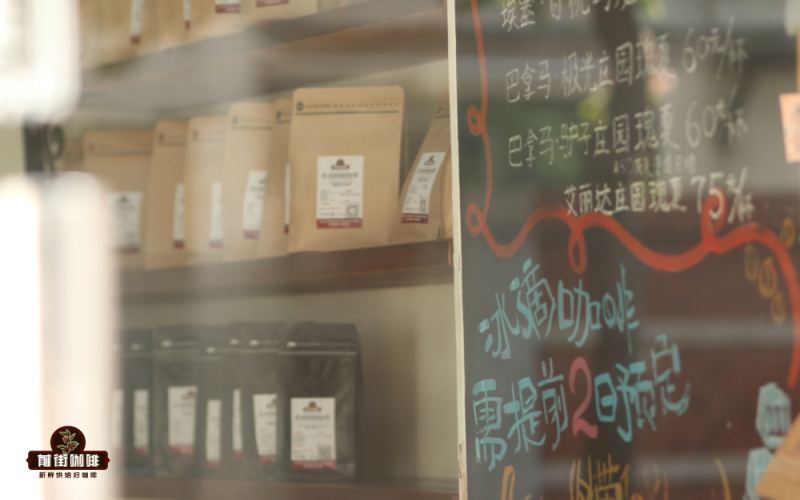
Apart from Starbucks, how many brands do coffee enthusiasts often talk about do you really know? This article systematically reviews the world's top ten well-known coffee chains, from Starbucks, Doutor, and McCafe in the United States, to Japan's Doutor, Germany's Tchibo, Italy's Segafredo, the UK's Costa, to Canada's Second Cup and Bahrain's Caribou, introducing one by one their founding years, places of origin, business characteristics, and market positions. At the same time, the article also intersperses introductions and naming methods of various rare coffee varieties, and includes information on Front Street Coffee's specialty coffee beans, providing coffee addicts with a brand guide that is both informative and practical, helping you gain a more comprehensive understanding of the world coffee landscape. [more…]
KFC Joins Forces with Wong Lo Kat to Launch Sparkling Americano: Can This Old-Brand Crossover Coffee Replicate the Moutai Latte Craze?
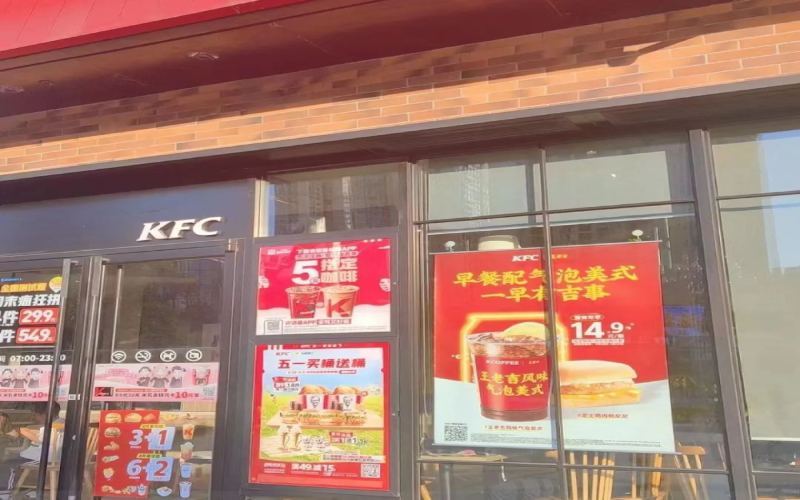
KFC's KCOFFEE continues to deepen its presence in the coffee sector and is about to launch a limited-edition drink in collaboration with the Chinese time-honored brand Wanglaoji — a Wanglaoji-flavored sparkling Americano. On one side is a Western-style fast-food coffee brand accelerating its expansion, and on the other is a representative of Cantonese herbal tea with nearly two hundred years of history. This collision of "Chinese and American herbal tea" has sparked considerable discussion. Yet before the new product even hit the shelves, netizens had already easily replicated it with Wanglaoji plus sparkling water. Can the consumer-friendly price of 9.9 yuan win over customers? What attempts has Wanglaoji made in recent years to appeal to young people? And can KFC replicate the success of Luckin and Moutai through this collaboration? This article will focus on this cross-industry cooperation, sorting through both sides' brand backgrounds, market situations, and collaboration highlights, for the reference of coffee enthusiasts. [more…]
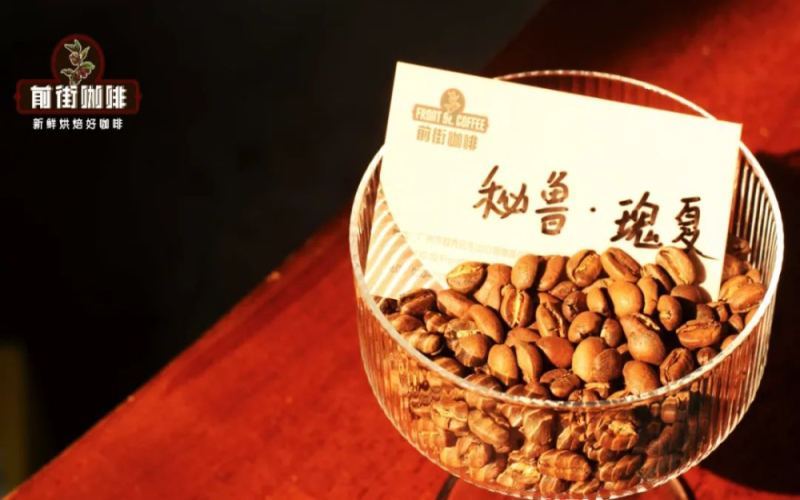
Why Is Peruvian Coffee Underrated? Exploring the Floral and Fruity Sweetness of Washed Geisha in the Cajamarca Region
When South American coffee is mentioned, most people first think of Colombia or Brazil, while Peru is often overlooked. In fact, Peruvian coffee is known for its rich flavor layers and mild, balanced body, and with its standout cleanliness in recent years, it is quickly making a name for itself in the international specialty market. This article will start with Peru's geographical conditions, coffee development history, grading system, and processing methods to introduce you to this "rising star." At the same time, Front Street Coffee has also acquired a washed Geisha from the northern Cajamarca region, and through actual cupping and brewing experience, we can appreciate the captivating flavors of white floral notes, prunes, citrus, and black tea interwoven together. If you want to know whether Peruvian coffee is actually good, you might as well start with this article. [more…]
A Complete Analysis of the Flavor Differences Between African and American Beans: A Cup-by-Cup Comparison of Terroir from Yirgacheffe to Costa Rica
Coffee lovers often face a choice: do they prefer bright fruity acidity, or balanced richness? African growing regions and American growing regions happen to represent two completely different flavor directions. African beans are known for floral and fruity notes, with a light body like fruit tea; American beans emphasize caramel, nut, and chocolate tones, with a smooth, creamy texture. This article will compare Front Street Ethiopia Yirgacheffe, Limu, Burundi African Heart, as well as Costa Rica honey process, Honduras San Juan Chito, and other beans one by one, from growing region environment, variety characteristics, and processing methods to the final cupping flavor, to help you find the cup that best suits your taste when brewing pour-over. [more…]
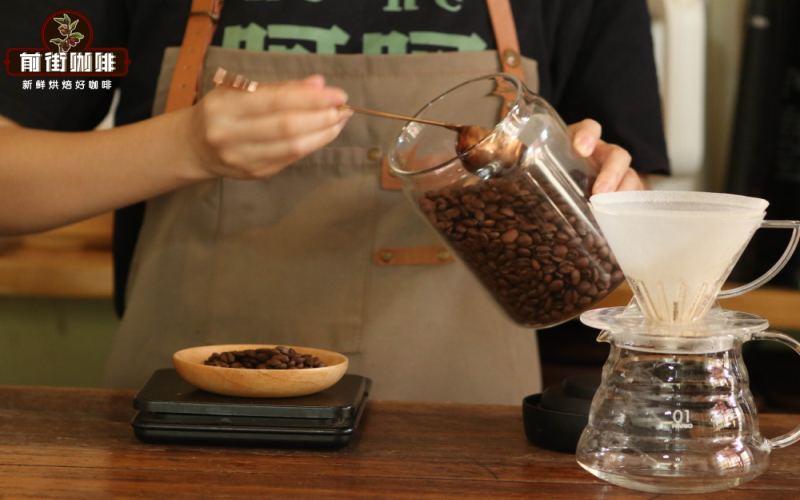
Medium-Roast Coffee Beans for Home Espresso Machines | Can Medium-Roast Beans Make Espresso? Which Single-Origin Beans Suit Espresso Machines?
For more specialty coffee knowledge, please follow: Front Street Coffee (Frontsteet Coffee) Is making pour-over coffee too tedious and troublesome? Then is there a convenient way to enjoy coffee similar to pour-over? Of course there is—Front Street recommends using an American-style drip coffee maker. Many people, upon hearing about Ame [more…]
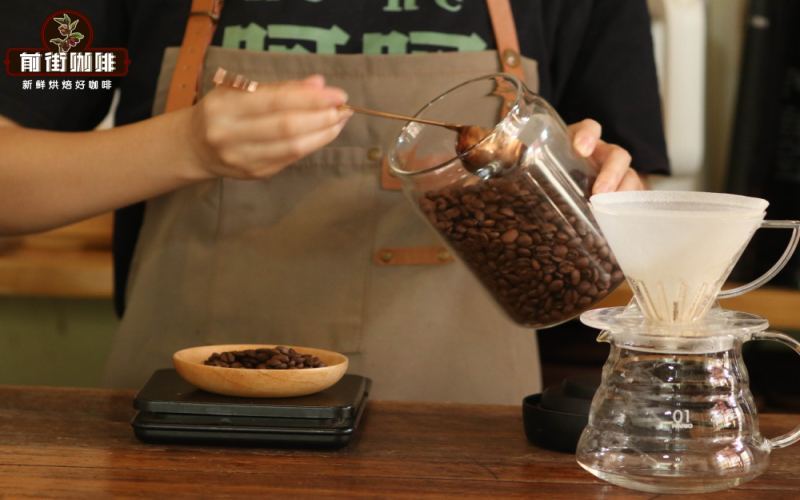
What coffee beans are suitable for a drip coffee maker? CoffeeHunters bean recommendations and a full guide to using a home pour-over kettle
Want coffee that's close to pour-over quality but find the process too troublesome? The American drip coffee maker is actually an underrated choice. This article starts with the working principle of the American drip coffee machine, explains why it has long carried the misunderstanding of "tasting bad," and offers the correct approach to using it: choose freshly roasted beans, and control the coffee-to-water ratio and grind size. It also compiles four coffee beans worth trying from Front Street Coffee—Panama Butterfly, Yirgacheffe Red Cherry, Costa Rica Mozart, and Geisha Blend Strawberry Candy—and finally includes the complete operating procedure for a home American coffee machine, helping you easily brew a pot of balanced drip coffee. [more…]
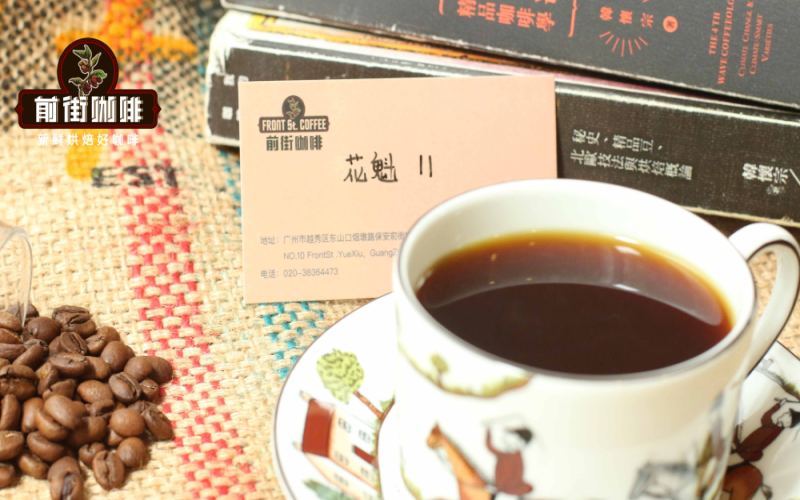
A Detailed Explanation of the Flavor Differences Between African and American Coffee Beans: Regional Characteristics and Processing Method Influences from Yirgacheffe to Costa Rica
The world of coffee flavors is like a rich and colorful scroll, with African beans and American beans each painting a completely different taste landscape. African beans, thanks to high altitudes and unique processing methods, bloom with a fascinating interweaving of floral and fruity aromas, and are deeply sought after by enthusiasts who prefer coffee with acidity; American beans, on the other hand, are known for their balanced mouthfeel, with the sweet aromas of caramel and stone fruits leaving a lingering aftertaste. This article will systematically sort out the flavor characteristics, variety information, and processing techniques of classic producing regions such as Ethiopia Yirgacheffe, Limu, Burundi, as well as Costa Rica and Honduras, while retaining relevant recommendations from the Front Street brand, to help coffee enthusiasts more clearly understand the differences and charm of the two major producing regions. [more…]
African beans have bright fruity notes, American beans are rich and balanced: understanding the classic flavors of the two major regions in one article
In the world of coffee, origin largely determines the direction of flavor in the cup. African beans are known for their bold floral and fruity aromas, with lively, transparent acidity, like a glass of freshly squeezed juice; American beans, by contrast, excel in balance and harmony, with caramel and nutty sweetness interwoven and a smooth, delicate mouthfeel. This article will take you through three African representatives—Ethiopia Yirgacheffe Red Cherry, Limu G2, and Burundi Heart of Africa—as well as two renowned American beans, Costa Rica Honey Process and Honduras San Juan Guito, breaking down each one by terroir conditions, processing methods, and cup performance. Fruity-style and balanced-style go head-to-head on the same stage—which one will better capture your taste buds? [more…]
Panama Geisha Black Coffee Flavor Analysis: The Rise to Fame of Central American Specialty Beans and the Reasons Behind Their High Price
Although Panama is a small country, it holds a pivotal position in the specialty coffee world, and its Geisha coffee is especially renowned for its high price and unique flavor. This article will begin with the history of Panamanian coffee, tracing how it rose from a marginal origin to the world stage, and will take a deep dive into the terroir conditions of core producing regions such as Boquete. At the same time, the article will explain the impact of the Best of Panama green bean competition on the industry, as well as the floral, citrus, and tea-like layers of Geisha black coffee, and finally include Front Street Coffee's brewing recommendations for washed Boquete Geisha, helping readers fully understand why this legendary coffee is so precious. [more…]
What is the connection between butter tea and Bulletproof Coffee? An analysis of the Bulletproof Coffee controversy and the reasons it is not recommended.
Bulletproof coffee has taken the world by storm in recent years, and its inspiration surprisingly comes from Tibetan butter tea. Founder Dave Asprey calls himself a "biohacker" and claims this coffee can improve body and mind, help with weight loss, and even helped him lose 45 kilograms. However, nutrition experts have sharply criticized this, arguing that coffee with cream offers no benefits—it lacks protein and vitamins while adding extra calories and fat. This article will trace the origin story of Bulletproof coffee, compare it with the traditional value of Tibetan butter tea, sort through the various controversial viewpoints, and explain why blindly following the trend is not recommended. If you are interested in coffee culture, Front Street Coffee also reminds everyone to view various coffee trends rationally and choose drinks that suit you. [more…]

Hawaii Kona Coffee Region Characteristics and Flavor Analysis: Varieties, Processing Methods, and Brewing Key Points
When it comes to American coffee, most people first think of mass-market commercial products, but the state of Hawaii is an exception. The Kona coffee produced here is as renowned as Jamaica Blue Mountain, and thanks to volcanic soil, a suitable climate, and meticulous management, it presents a unique flavor profile dominated by nutty notes with clean, balanced acidity. Front Street Coffee will guide you through the variety composition of the Kona growing region, its washed processing method, and the impact of this year's leaf rust disease on yield and prices. We'll also share Front Street's usual three-stage brewing parameters to help you better capture the sweetness and spice notes of this island coffee. [more…]