








Where Coffee Beans Are Grown and Why It Changes the Cup
Origin is the single biggest factor behind what a cup tastes like. African coffees such as Ethiopia Yirgacheffe, Limu G2 and Burundi Heart of Africa carry floral and fruity aromas with lively, transparent acidity. Coffees from the Americas, including Costa Rica honey process and Honduras San Juan Sacatepequez, lean toward balance, with caramel and nutty sweetness and a smooth body.
Terroir explains much of the gap. Yirgacheffe sits at 1,700 to 2,100 meters, often wrapped in cloud, and the local Red Cherry Plan picks only fully ripe fruit by hand, which raises cost and quality. A Burundi coffee flavor profile follows the same fruit-forward logic, while the American beans trade that brightness for even, rounded sweetness.
In the world of coffee, origin largely determines the flavor direction in the cup. African beans are known for their bold floral and fruity aromas, with lively and transparent acidity, like a glass of freshly squeezed juice; American beans, on the other hand, excel in balance and harmony, with caramel and nutty sweetness intertwined, offering a smooth and delicate mouthfeel. This article will take you through three African representatives—Ethiopia Yirgacheffe Red Cherry, Limu G2, and Burundi Heart of Africa—as well as two renowned American beans, Costa Rica Honey Process and Honduras San Juan Sacatepéquez, breaking down each one from terroir conditions and processing methods to cup performance. When the fruity faction and the balanced faction face off, which one will capture your taste buds?

[Introduction]
Coffee lovers who prefer bright acidity often turn their eyes to the African continent—where special terroir conditions nurture flavors that are difficult to replicate elsewhere, with floral and fruity notes intertwined in a fascinating way. For drinkers seeking balance in the cup, American beans are more worth considering, as their flavors are evenly distributed, with caramel and stone fruit notes particularly prominent. Next, we will provide a detailed comparison of the differences between coffee beans from these two continents.
African Series
[Front Street Coffee Yirgacheffe Red Cherry]
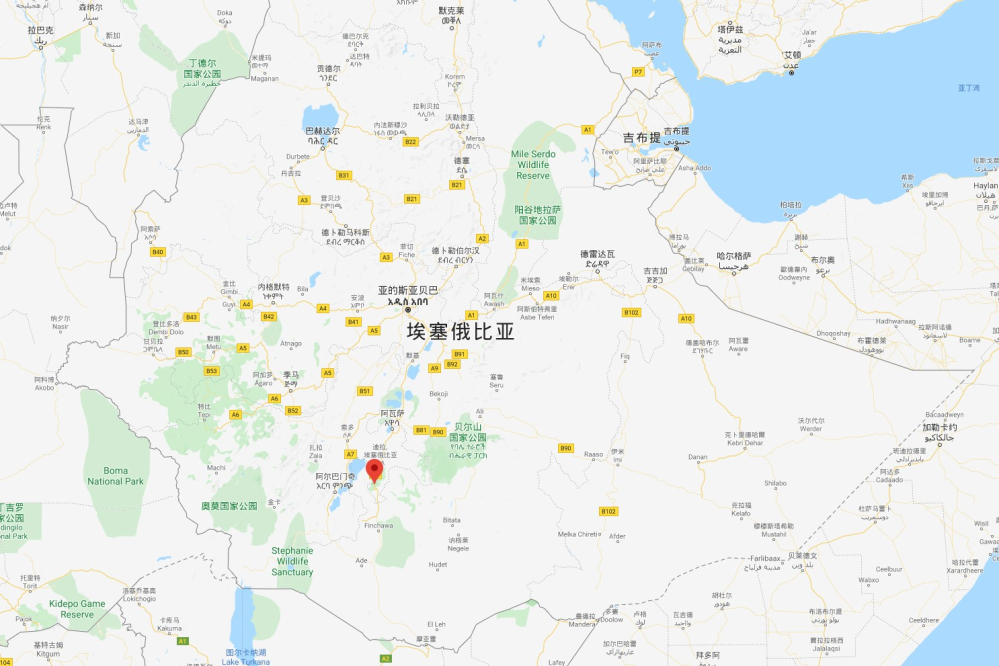
Ethiopia's core production areas include Yirgacheffe, Sidamo, Bonga Forest, Lekempti, Kembata, Ilubabor, Harrar, and Limu. Yirgacheffe was originally a small town in Ethiopia and is also one of the highest-altitude coffee-growing regions in the world, ranging from 1,700 to 2,100 meters, often shrouded in clouds and mist, with a mild and humid climate and gentle breezes, as if it were spring all year round. Every harvest season, Ethiopian coffee trading companies set up in the town, purchasing coffee beans from farmers and then auctioning and exporting them uniformly under the name "Yirgacheffe." To obtain higher-quality fruit, the local area implemented the "Red Cherry Plan"—picking 100% ripe red cherries entirely by hand, allowing coffee farmers to devote more energy to sorting and selecting beans, which is why such coffee commands a higher price.
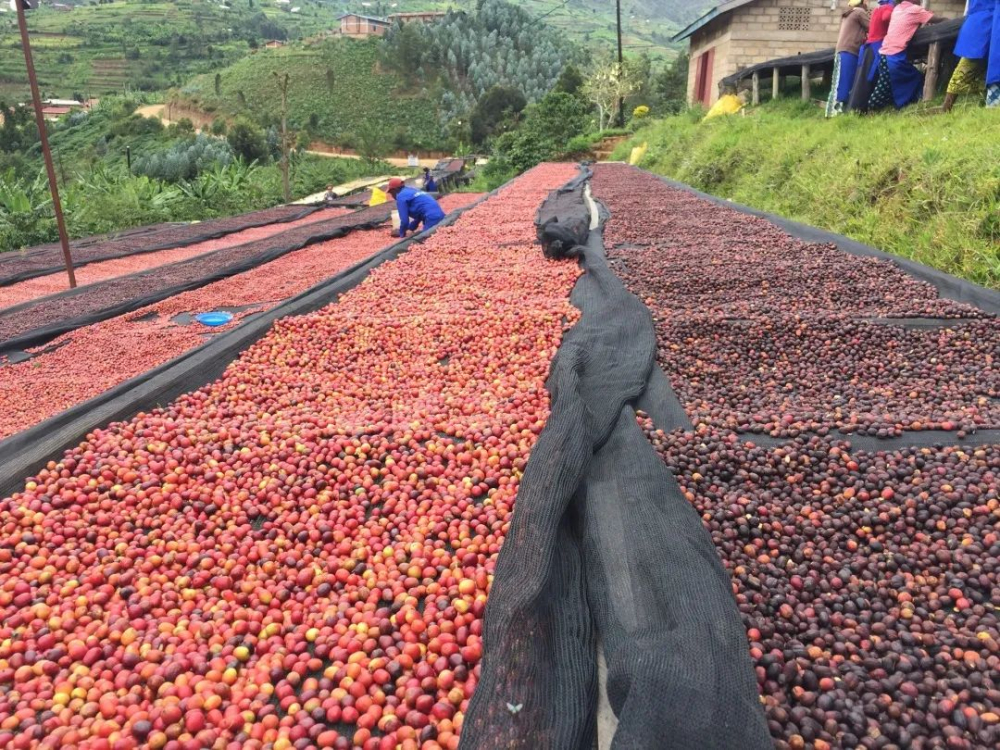
This bean is processed using a fine natural method: qualified coffee cherries are first selected, then the whole fruit is placed on raised beds to dry, completely isolated from the ground to avoid earthy or off-flavors, thus presenting an exceptionally pure fruit flavor. The natural drying lasts more than two weeks, and after the fruit turns dark brown, it is properly stored in warehouses, allowing the overall flavor to fully mature and the sweetness to increase.
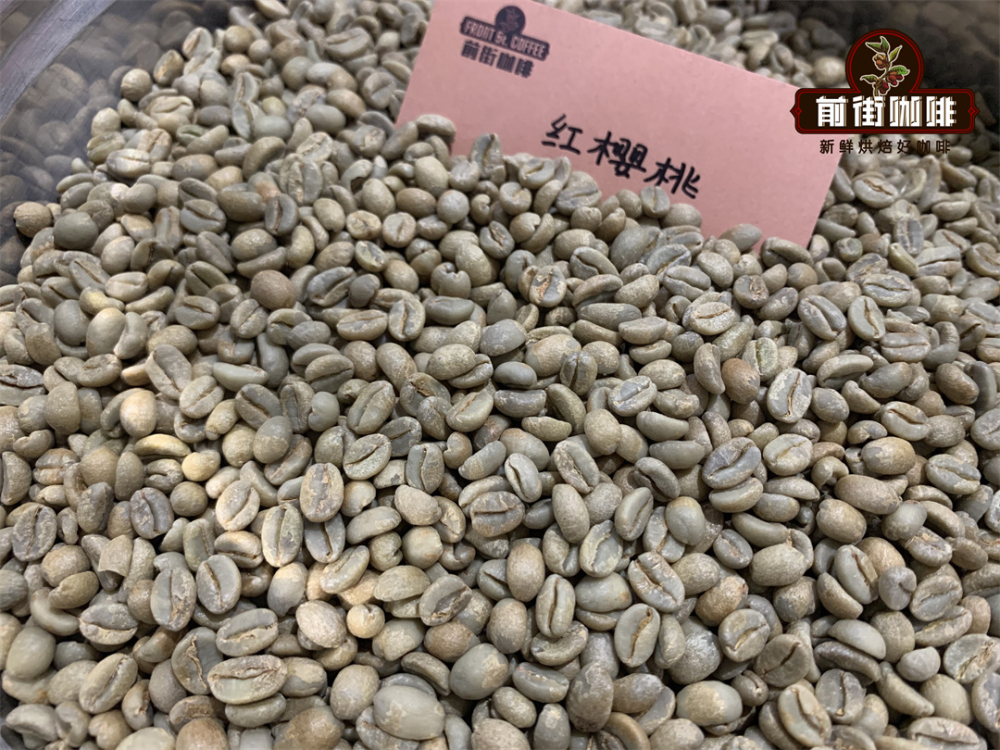
Front Street's Yirgacheffe is a local Ethiopian heirloom variety, with small, round beans, relatively small in size, concentrated in the 14-15 screen size range. Front Street's natural Red Cherry G1 green beans show a yellow-green tone, which is typical of naturally processed beans, with plump and uniform beans and a very low defect rate.
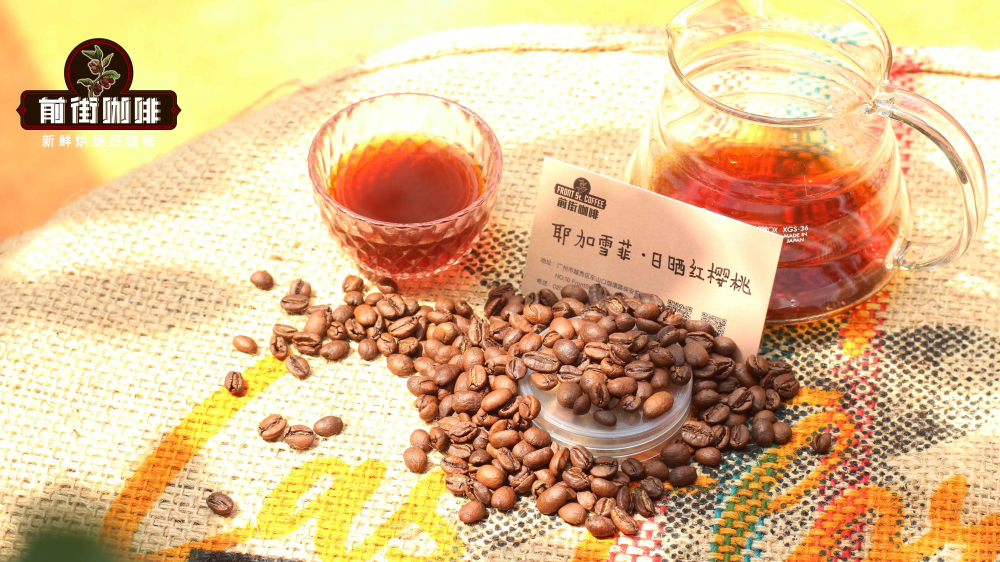
Front Street's natural Red Cherry exudes a rich fruity aroma, with heavy dried-fruit notes, and clear notes of plum, strawberry, and lemon; the mid-palate sweetness is like honey, while the finish turns to chocolate. It is not overpowering on entry, with moderate body, soft acidity, and an overall impression similar to a cup of fruity black tea.
[Limu G2]
Limu's coffee production is not high, mainly exported to European and American markets. It was relatively rare in China in the past but is deeply loved by European and American consumers, and its fame ranks second only to Yirgacheffe among production areas. The varieties grown locally are also Ethiopian heirloom varieties, and smallholders generally cultivate them 100% organically. The soil is metamorphic soil, and the growing altitude is about 1,850 to 1,900 meters.
The coffee produced in Limu is mostly washed beans, with a gentler entry than Sidamo, a thinner body, and citrus notes being more common. Although the floral and citrus notes are not as prominent as those of Yirgacheffe and Sidamo, it additionally has notes of green grass, cocoa, and sandalwood. Despite being less famous than Sidamo or Yirgacheffe, this region has still produced many distinctive and characterful beans.
This bean uses a washed process, removing the skin, pulp, and mucilage through washing and fermentation, with continuously flowing fresh water introduced throughout. During operation, the fermented beans are poured into a tank and stirred back and forth, relying on the friction between the beans plus the rinsing of the water flow to wash them clean and bright. After washing, the beans are still wrapped in parchment and have a moisture content as high as 50%, and must continue to be dried to 12%, otherwise the beans will ferment again and then mold and deteriorate. After that, they also undergo sun drying. Although it takes as long as 1 to 3 weeks, it delivers excellent flavor and is widely favored by enthusiasts.
Flavor: The first sip is a fresh grassy note, accompanied by the tart aroma of apple and smoked plum; the mid-palate reveals caramel and nutty sweetness, while the finish leaves a cocoa and berry aftertaste.
[Burundi Heart of Africa]
Burundi is located in the steep terrain of the East African Rift Valley, with complex and intricate landforms. More than 800,000 local households make a living by growing coffee. Coffee farms are generally small and often intercropped with other crops, with all cultivation done by hand and without mechanical equipment. Coffee trees grow in high-altitude mountains from 1,400 to 1,700 meters, with varieties mainly based on Bourbon and its mutations. Processing methods are divided into washed and semi-washed, and in the past they were mainly sold to Belgium, Germany, the Netherlands, Japan, Australia, and the United States.
Burundi's coffee is concentrated in five major production areas, the most famous of which include Kayanza, Ngozi, Mumirwa, Buyenzi, Kirimiro, and others. As the "Heart of Africa," Burundi's coffee production model is quite similar to Ethiopia's, also dominated by smallholder farmers, with each farmer sending harvested ripe cherries to processing stations for unified processing.
This bean uses a double washed process: the cherries are first stripped of skin and pulp, then soaked and washed in a tank, and then moved to raised beds for sun drying until dry. Coffee beans processed this way have almost no defects, with highly consistent bean size and moisture content, and the cup performance is often extremely clean with bright flavors.
Front Street's Burundi bean is wild in flavor, with intense taste and aroma lingering in the mouth. Citrus tartness and tea-like notes intertwine, the acidity is light, yet the texture is quite thick. Flavors of kumquat, plum, lemon, and dried fruit unfold layer by layer, with a touch of caramel. It is silky on entry, full in aroma, and has a long, rich finish.
American Series
[Front Street Coffee Costa Rica Honey Process]
Costa Rica was the first country in Central America to introduce coffee cultivation. Located in the Central American isthmus, the country is dotted with volcanoes and enjoys abundant sunshine and fertile land; climatically, it is also regulated by both the Pacific and Atlantic ocean currents and sea breezes, giving its coffee distinct microclimatic terroir characteristics. The earliest planting area was in the Central Valley. After years of development, there are now eight major production areas nationwide: Guanacastes, West Valley, Central Valley, Turrialba, Orosi, Tres Rios, Tarrazu, and Brunca.
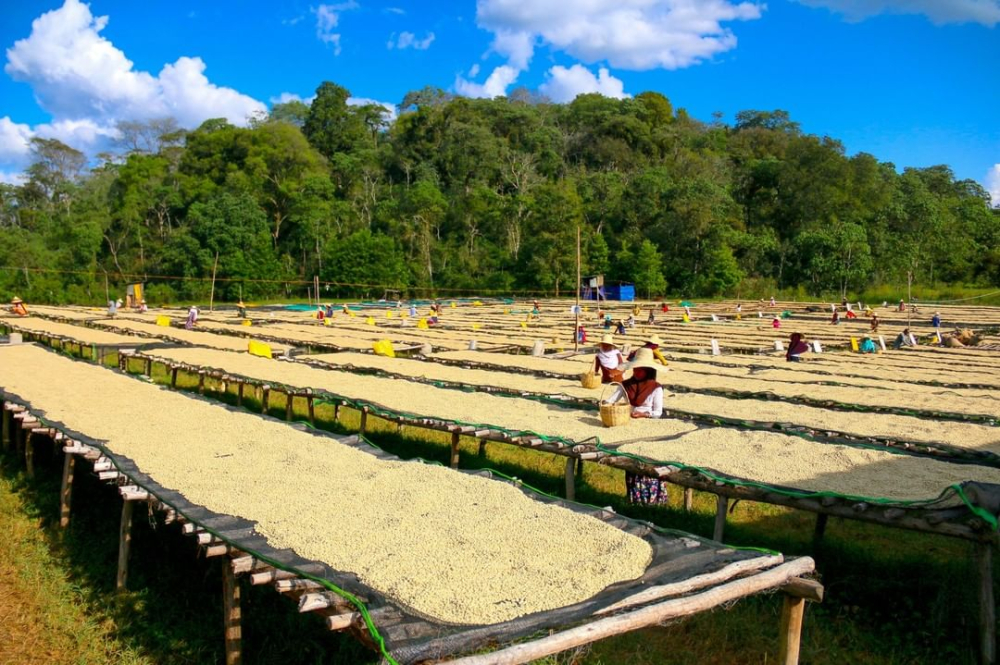
Front Street's Costa Rica honey-processed coffee refers to green beans made by sun-drying directly with mucilage still attached. Specifically, the juice produced during coffee cherry processing is extracted and used to soak the parchment beans being processed; because the juice contains a large amount of sugar and special enzymes, the soaked parchment beans have a fuller taste and more complex positive flavors.
The more pectin retained, the more complex the final flavor of the coffee and the more prominent the sweetness. The pectin mucilage is the part of the coffee fruit with the highest sugar content and also plays a key role in the processing and fermentation stage. It can be said that about 80% of the nutrient supply during processing is determined by this part.
Classified by pectin retention ratio: Yellow Honey retains 60% of the pectin, Red Honey 75%, and Black Honey almost completely retains it. The pectin layer is rich in sugar and acidity. During drying, these sugars continuously concentrate and gradually penetrate into the interior of the coffee bean.
Locally, Caturra is mainly planted. The cup has lemon- or citrus-like acidity, and the level of sweetness depends on the frequency and amount of fertilizer applied by the grower. This variety has considerable yield, a short plant, and dense branches, making it highly favored by local coffee farmers.
Front Street's Costa Rica honey-processed flavor: floral and creamy aromas intertwine, with distinct layers of fruit flavors such as lemon, sweet orange, plum, and peach, along with a grapefruit-like juiciness. The sweetness is natural and pure, the mouthfeel is delicate, and the overall balance is almost perfect.
[Honduras San Juan Sacatepéquez]
Honduras is located at the northern end of Central America, with the Caribbean Sea to the north and the Gulf of Fonseca toward the Pacific to the south. It borders Nicaragua and El Salvador to the east and south, and Guatemala to the west, with mountains and plateaus dominating the interior. It has a tropical climate, suitable temperatures, and abundant rainfall, making it a natural paradise for coffee growing. The country has six major production areas, concentrated in the west and south: Copán, Opalaca, Montecillos, Comayagua, Agalta, and El Paraíso.
Areas capable of producing specialty coffee generally have an average altitude above 1,100 meters and are divided into three grades by height: Standard grade, grown at 1,000 meters; HG grade, corresponding to 1,000 to 1,500 meters; and SHB grade, above 1,500 meters.
San Juan Sacatepéquez is a small village located in central Honduras, about 40 kilometers northeast of the capital Tegucigalpa, under the jurisdiction of Francisco Morazán. The village's coffee farms are located in the buffer zone of La Tigra National Park and possess an independent and complete rainforest ecosystem. The local climate and altitude conditions are highly conducive to producing high-quality coffee beans. Planting is at 1,450 to 1,550 meters on hillsides, with banana, avocado, papaya, and other fruit trees providing shade for the coffee trees.
Coffee cherries are picked by hand one by one, and then fully ripe fruits are selected. The entire harvest period often lasts several weeks. A washed method is used in processing: the fruit is first soaked, floating beans are removed, then the skin and pulp are removed by machine—local farmers believe that larger fruit indicates higher ripeness—followed by 10-12 hours of fermentation. After rinsing clean, they are finally placed on African drying beds for 8 to 10 days. Because of this, this bean's cup always carries a faint fruity aroma.
Flavor: Caramel-like sweetness is particularly prominent, accompanied by roasted nuts and milk chocolate; the creamy texture is full and thick, and the finish reveals a hint of spice and oolong tea.
African beans known for their fruity profile are light and refreshing on entry, with a drinking experience close to a glass of freshly squeezed juice; balanced-style American beans are like melted creamy chocolate, silky, dense, and full-bodied, offering the palate a completely different kind of pleasure. Between fruit-filled African beans and balanced, smooth American beans, which one is your favorite?
The above content is compiled by CoffeeHunters, a coffee news website.


