







Search Results for: American coffee acidity
American Coffee Brewing Guide: From Bean Selection to Brewing, How to Make a Non-Bitter Americano
Americano is made by diluting espresso with water, and its flavor profile depends on the type of coffee beans used and the degree of roast. When making it at home, blends and SOEs each have their own merits: blends pursue balance and complementarity, while SOEs highlight the character of a single origin. Centering on the need for "an Americano that doesn't taste bitter," this article sorts out bean-selection approaches for three flavor directions—leaning acidic, leaning rich and full-bodied, and neither sour nor bitter—and gives specific extraction parameter recommendations. The article also introduces products such as Front Street Coffee Huakui SOE, Yirgacheffe Natural Red Cherry SOE, commercial espresso blend beans, and Strawberry Candy espresso blend, and finally includes steps for tasting coffee to help enthusiasts recreate a café-level Americano experience at home. [more…]
How to Use a Home American Coffee Maker? Ten Arabica Specialty Coffee Beans Perfect for American Drip Brewing
When many people buy their first coffee device, they choose a home American-style drip coffee maker. It is simple to operate, and the output is stable, but what really puzzles people is: what kind of coffee beans should be paired with it? Dark roast or light roast? Espresso blend or pour-over single origin? Different roast levels, origins, and processing methods directly affect the flavor performance extracted by an American-style machine. This article focuses on the use scenarios of home American-style coffee makers and, organized by flavor type, lists ten Front Street brand specialty Arabica coffee beans, from floral and fruity acidity to nutty chocolate, from low-acid and full-bodied to classic and balanced, explaining one by one the flavor characteristics of each bean and the people it suits, helping coffee lovers find the cup that best matches their taste in daily drip brewing. [more…]
How to Choose Coffee Beans for Iced Americano? From Blends to SOE, Understanding the Bean Differences Between Espresso and Americano
Americano looks simple—espresso diluted with water—but choosing the right beans is where flavor begins. This article explores the types of beans used for Americano, clarifies the difference between blends and SOE, and introduces Front Street Coffee's corresponding beans and brewing parameters one by one according to three flavor directions: bright and acidic, rich and full-bodied, and balanced. Whether you want a refreshing fruity Americano or an iced Americano with intense cocoa notes, you can find a suitable option here. At the end, a three-step tasting method is included to help you fully experience a cup of coffee's layers, from aroma and appearance to the first sip. [more…]
How to Choose Americano Coffee Beans and Make Espresso: How to Make a Delicious Americano
American coffee may seem simple, consisting only of espresso and water, yet it best showcases a barista's technical skill and most clearly reveals the original flavors of the coffee beans. From the perspective of Front Street Coffee, this article first clarifies the differences between espresso, Americano, pour-over, and black coffee, then explains how to choose coffee beans when making American coffee—whether you prefer a rich, bold taste or a fruity, refreshing one—and recommends Front Street Classic Espresso Blend, Front Street Specialty Blend, Front Street Commercial Blend, and Front Street Strawberry Candy Espresso Beans. It then shares in detail the specific extraction parameters and water ratios for hot and iced Americanos, and compares the differences in aroma and mouthfeel between the two, providing coffee enthusiasts with a practical brewing reference. [more…]
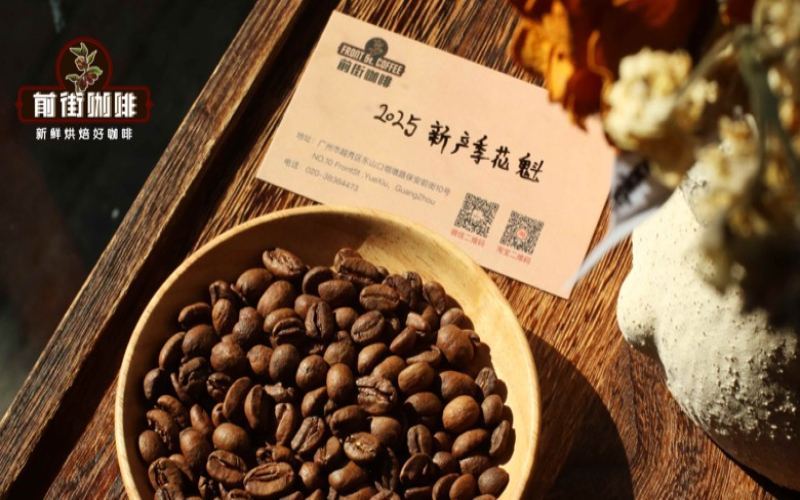
Arabica Espresso Origin Selection: A Comparison Between Ethiopian SOE and Central & South American SOE
When making espresso SOE with Arabica beans, the choice of origin directly determines the flavor direction of the espresso. Ethiopian SOE and Central-South American SOE are two entirely different paths, each with its own charm, suited to drinkers with different taste preferences. Ethiopian SOE takes the route of intense floral and fruity aromas. Huakui sun-dried beans [more…]
Espresso Extraction Time and Bean Selection: Flavor Differences Between Blends and SOE, and Front Street Brewing Parameters
American coffee seems simple—just espresso plus water—but what really determines whether a cup of American coffee tastes good is often the combination of bean selection and extraction parameters. This article begins with the difference between blended beans and SOE, explaining how blends complement flavors and why SOE demands higher bean quality. Using three Front Street Coffee beans as examples, it provides specific blend ratios, flavor descriptions, and brewing parameters for three styles: brighter, fuller-bodied, and more balanced. The article also includes tasting steps to help readers fully experience the layers and sweet aftertaste of a cup of American coffee, from smelling the aroma and observing the color to tasting. [more…]
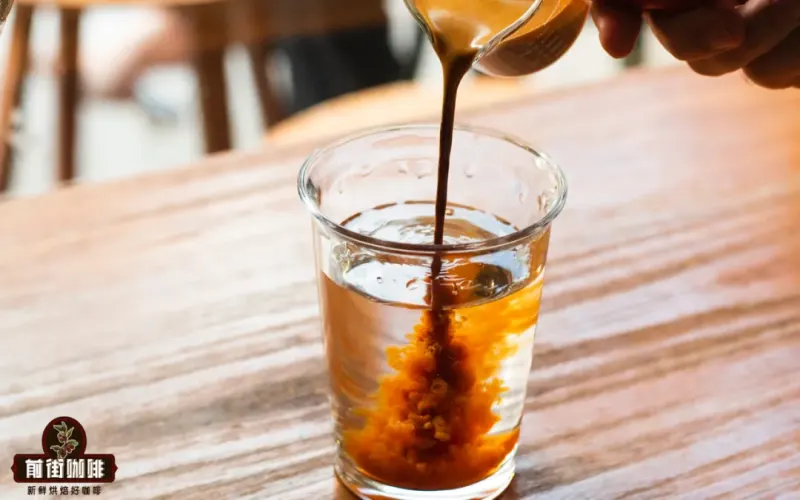
How should the coffee-to-water ratio for Americano be determined? How many shots of espresso to use, and how to choose the right blend beans
Americano may seem like just espresso plus water, with a low barrier to entry, but making it smooth and appealing requires attention to every step: materials, extraction, and ratios. This article starts with the choice of coffee beans and water, explains the flavor directions suitable for Americano at different roast levels, and offers parameter ideas for espresso extraction: for daily use, a 30-second, 1:2 coffee-to-water ratio yields a highly concentrated espresso; if the grind is coarser, a 1:5 ratio can also achieve full extraction within 30 seconds. Finally, it presents Front Street Coffee's commonly used Americano recipe—a classic medium-dark roast blend brewed at a 1:4 coffee-to-water ratio, while iced Americano reduces water to about 1:3 and adds ice. It also reminds that medium-light roast beans should have the water amount further reduced. [more…]

American Coffee Taste | How to Drink American Black Coffee to Lose Weight? Recommendations for Low-Acidity, Non-Bitter American Coffee Beans Suitable for Moka Pots
What does Americano taste like? A friend once described it to Front Street Coffee this way: "Whatever you want it to be." Americano is a product made by diluting espresso with water; in other words, it's a drink that can be adjusted to your own [more…]
Why Does Starbucks Breakfast Blend Choose Latin American Origins? Analyzing Latin American Coffee Flavors and Nine Distinctive Single-Origin Coffees
Latin America is a key region for specialty coffee, from Brazil to Guatemala and from Colombia to Panama, this land has given rise to countless stunning coffee flavors. Starbucks' House Blend and Breakfast Blend, two classic coffees, are precisely blended with Latin American beans as their base. From the perspective of Front Street Coffee, this article first introduces the background and flavor characteristics of these two Starbucks coffees, then takes a deeper look at why Latin American coffee is so highly favored—its balanced mouthfeel, nutty and cocoa notes, and how climate, altitude, variety, and processing method shape flavor. Finally, it selects nine distinctive Latin American single-origin beans currently sold by Front Street, including Guatemala La Flor, Brazil Queen, Honduras Sherry, and Panama Butterfly, presenting the origin information and flavor descriptions of each one by one to help coffee lovers find their ideal choice. [more…]
The Origin of Americano | Is Single-Origin Coffee Americano? What's the Difference Between Drip Bag Pour-Over Coffee and American Drip Coffee? Comparing the Flavor, Taste, and Brewing Methods of American-Style Pour-Over
As a frequent coffee drinker, you've surely heard of "Americano." If you order one at Starbucks, it's typically made with espresso as the base, plus about 6–8 times the amount of water. But I've clearly heard that Italians don't drink Americano (which is absolutely true)—so why would it appear on an Italian coffee menu? [more…]
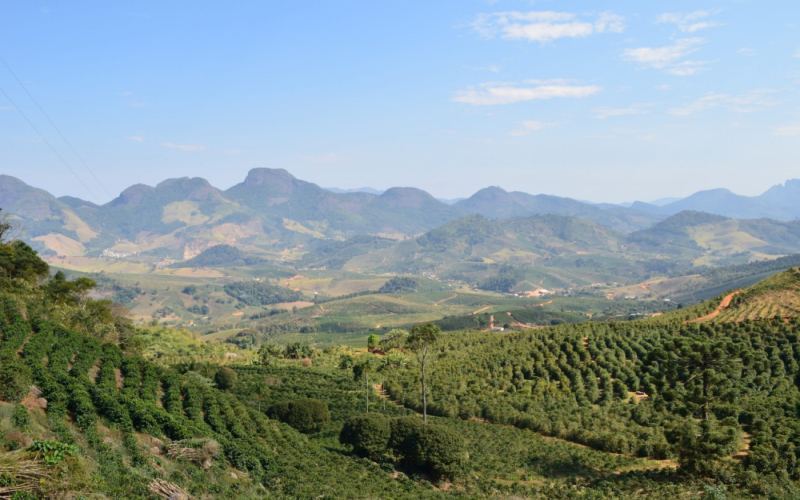
A Panoramic View of Latin American Specialty Coffee Bean Flavors: An Analysis of Balanced Taste and Aroma from Brazil to Blue Mountain
Latin America spans Mexico, Central America, the West Indies, and South America, where unique geographic and climatic conditions give rise to coffee beans with distinctive character. From its beginnings during the colonial period of the eighteenth century to the rise of the specialty coffee wave, Latin American origins gradually came to be known for their balance and body, often displaying notes of cocoa and dark chocolate. This article systematically reviews representative producing countries such as Brazil, Colombia, Panama, Costa Rica, Honduras, and Jamaica Blue Mountain, and, drawing on information about the origin, variety, and processing method of each of Front Street Coffee's single-origin beans, describes their flavor, mouthfeel, and aroma characteristics one by one, offering coffee lovers a practical guide to Latin American specialty coffee flavors. [more…]
Can Espresso Blend Beans Be Used for Drip? A Full Analysis of the Differences Between American Coffee and Espresso Beans
The American drip coffee maker is easy to operate and delivers consistent results, making it the top choice for many homes and offices. But can espresso blend beans be used for drip coffee? What are the differences between American coffee and espresso beans? From the perspective of Front Street Coffee, this article will systematically introduce the types, capacities, water and coffee powder standards, and operating steps of American drip coffee makers, and answer the question of coffee bean selection. Whether you prefer floral and fruity acidity or rich chocolate flavors, you can find a solution that suits you. At the same time, we will also share how to make iced American coffee, as well as the effects of grind size and roast level on flavor, helping you easily make a satisfying cup of coffee at home. [more…]
A Complete Guide to Central and South American Coffee Regions: Flavors, Varieties, and Key Producing Countries of Latin American Coffee Beans
The world's coffee belt can be divided into three major producing regions: Africa, Asia-Pacific, and Latin America, each presenting distinctly different flavor profiles. African beans are known for their fruity acidity, Asian beans for their herbal richness, while Latin American coffees fall somewhere in between, celebrated for their balanced, mellow character reminiscent of cocoa and dark chocolate. This article focuses on the Central and South American producing regions, examining country by country—Brazil, Colombia, Panama, Costa Rica, Honduras, Jamaica, Guatemala, and Nicaragua—their coffee varieties, processing methods, major producing areas, and flavor characteristics, and combines this with Front Street Coffee's everyday drinking bean series and brewing demonstrations to help coffee enthusiasts build a systematic understanding of Latin American coffee. [more…]
A Complete Analysis of the Flavor Differences Between African, Central and South American, and Asian Coffee Beans: From Regional Characteristics to Tasting Dimensions
The flavor code of coffee beans is often hidden in the land where they grow. African beans are known for their bright citrus aromas and berry-like acidity, Central and South American beans for their balanced and smooth character, and Asian and island beans for their full-bodied, low-acid profile. This article systematically sorts out the differences in taste styles among coffee beans from the three major producing regions, and offers an in-depth interpretation of the five tasting dimensions—sweetness, acidity, mouthfeel, balance, and flavor—to help coffee lovers describe and appreciate every cup of coffee more accurately. At the same time, Front Street Coffee, as a coffee specialty research institute, continues to share professional knowledge and, with low-discount events three times a month, lets more people drink good coffee at affordable prices. [more…]
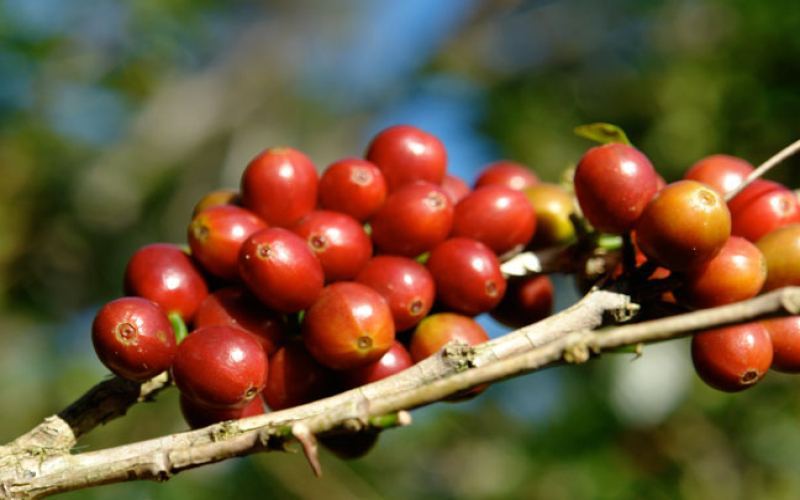
A Buying Guide to Central and South American Coffee Beans: Comparing the Flavors of Colombia, Brazil, Panama, and Other Origins
Central and South America are key regions in the specialty coffee landscape. From the caramel sweetness of Colombia to the floral and citrus notes of Panama Geisha, and the nutty, chocolatey base of Brazil, each producing region has a unique terroir expression. This article systematically reviews the coffee-producing regions of the seven countries of the Central American Isthmus and the Caribbean islands, detailing the classic flavor characteristics and representative origins of Colombia, Guatemala, Costa Rica, Panama, El Salvador, Brazil, and other countries. It also includes recommended beans and roasting suggestions from Front Street Coffee for each, helping coffee lovers quickly find their preferred choice based on taste preferences. [more…]

A Detailed Guide to Coffee-to-Water Ratios and Grind Size for American Drip Coffee Makers, with Coffee Bean Buying Recommendations
There are two common ways to make Americano: coffee shops dilute espresso with water, while homes and offices mostly use American drip machines. The two differ noticeably in equipment, operation, and flavor. Using Front Street Coffee's practices as an example, this article explains the extraction ratio for espresso-based Americano and recommended beans, and breaks down in detail the standard coffee-to-water ratio, grind size, filter paper use, and brewing process for drip machines. At the same time, for different flavor preferences, it offers guidance on choosing medium-roast coffee beans, including Front Street Strawberry Candy, Sidra, Bird of Paradise, and Queen's Estate Brazil, to help you easily make a smooth, tasty cup of coffee with an American drip machine. [more…]
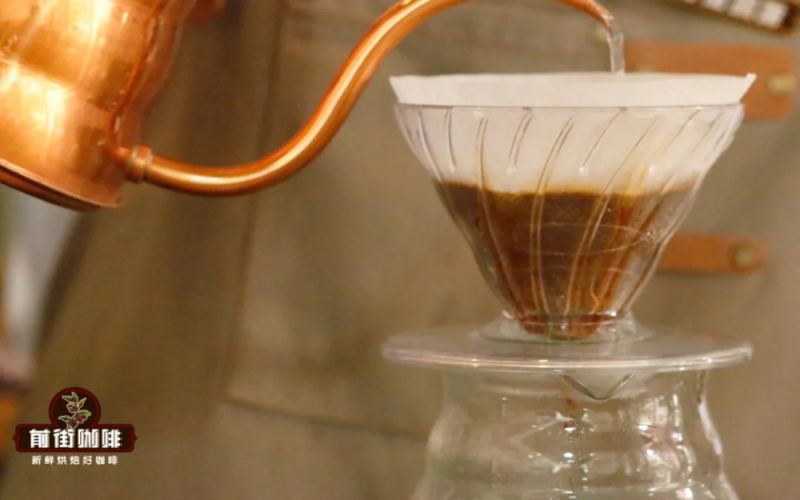
A Complete Guide to the Flavors of American Coffee Regions: From Brazil to Blue Mountain, the Beauty of Balance and an Introduction to Tasting
For beginners who have just stepped into the world of coffee, it is often only possible to taste a single "coffee flavor," which is actually perfectly normal. As tasting experience gradually accumulates, one can slowly identify rich nuances such as floral notes, fruity notes, and caramel. In the introductory stage of coffee tasting, starting with well-balanced American or Asian beans is a reliable choice for opening the door to taste. American coffee is known for its balanced mouthfeel, moderate acidity, and mellow aroma, covering many origins such as Brazil, Colombia, Panama, Costa Rica, Guatemala, Honduras, Peru, Ecuador, Bolivia, and Jamaica Blue Mountain. This article will systematically sort out the flavor characteristics, representative bean varieties, and processing methods of these American producing regions, and intersperse classic single-origin recommendations from the Front Street Coffee brand, helping coffee enthusiasts build an overall cognitive framework for American coffee. [more…]
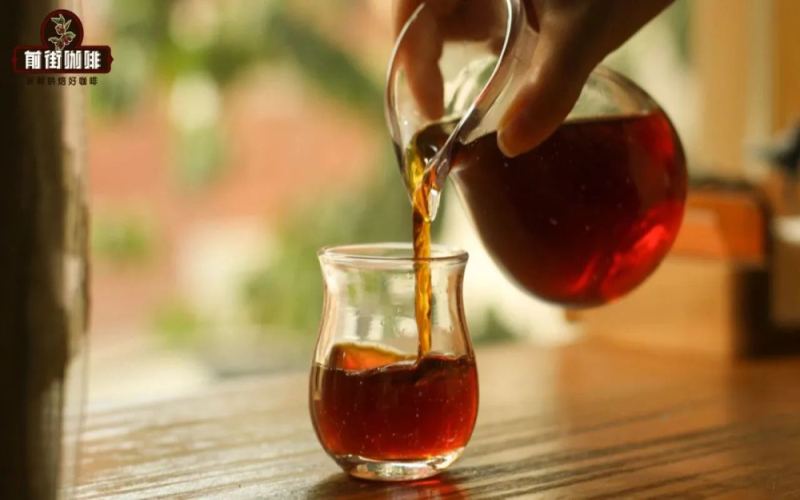
Flavor Analysis of Latin American Coffee Regions: The Rich Sweetness and Balanced Acidity of Brazilian and Colombian Specialty Beans
Latin American coffee occupies an important place in the global specialty coffee landscape, known for its balance, body, and mild fruit acidity, with common notes of cocoa and dark chocolate. Among these, Brazil, as the world's largest producer, offers diverse yields and regional styles; Colombia, on the other hand, is distinguished by its rich aroma, bright acidity, and nutty notes. This article systematically reviews the geography, climate, main producing regions, processing methods, and flavor characteristics of the two countries, and intersperses specific recommendations from Front Street Coffee such as Brazil Cerrado, Queen Estate, and Colombia Hi-Paw and Big Belly, helping coffee enthusiasts understand the full picture of Latin American beans from commercial bulk to specialty micro-lots. [more…]
A Complete Analysis of the Flavor Differences Between African and American Beans: A Cup-by-Cup Comparison of Terroir from Yirgacheffe to Costa Rica
Coffee lovers often face a choice: do they prefer bright fruity acidity, or balanced richness? African growing regions and American growing regions happen to represent two completely different flavor directions. African beans are known for floral and fruity notes, with a light body like fruit tea; American beans emphasize caramel, nut, and chocolate tones, with a smooth, creamy texture. This article will compare Front Street Ethiopia Yirgacheffe, Limu, Burundi African Heart, as well as Costa Rica honey process, Honduras San Juan Chito, and other beans one by one, from growing region environment, variety characteristics, and processing methods to the final cupping flavor, to help you find the cup that best suits your taste when brewing pour-over. [more…]
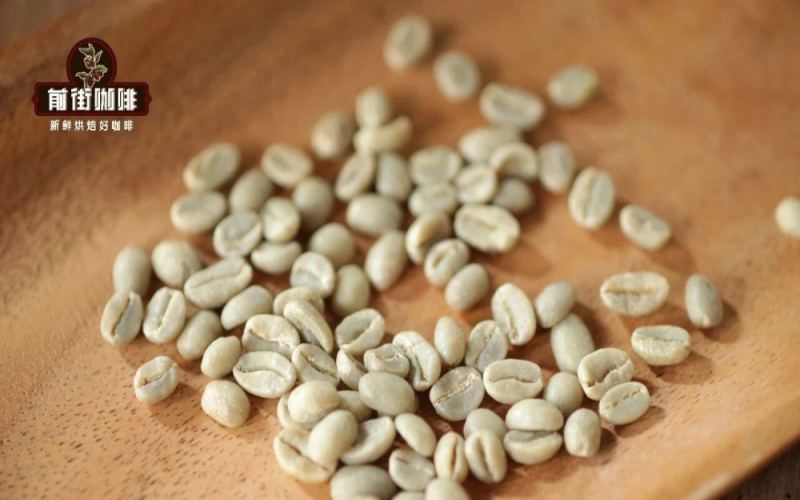
An Analysis of the Flavor Differences Between African, Central and South American, and Asian Island Coffees: Characteristics of the Three Major Producing Regions and Front Street Coffee's Representative Bean Recommendations
Coffee beans from different origins present completely different flavor profiles due to differences in terroir. African beans are known for their bright floral and fruity acidity, with Ethiopia and Kenya as the two benchmarks; Central and South American beans are known for their balanced caramel sweetness and nutty, chocolatey notes, with Brazil, Costa Rica, Panama, and Colombia each having their own strengths; Asian and island beans focus on full body and low acidity, with herbal, spice, and earthy notes. This article reviews the flavor characteristics of the three major origins one by one, and, combined with Front Street Coffee's representative products—Huakui, Yirgacheffe, Cherry Tomato, Cerrado, Tarrazu, Butterfly, Mandheling, Yunnan Small-Bean, and Blue Mountain coffee—provides coffee lovers with a reference for purchasing and tasting. [more…]