







How origin shapes coffee flavor in the cup
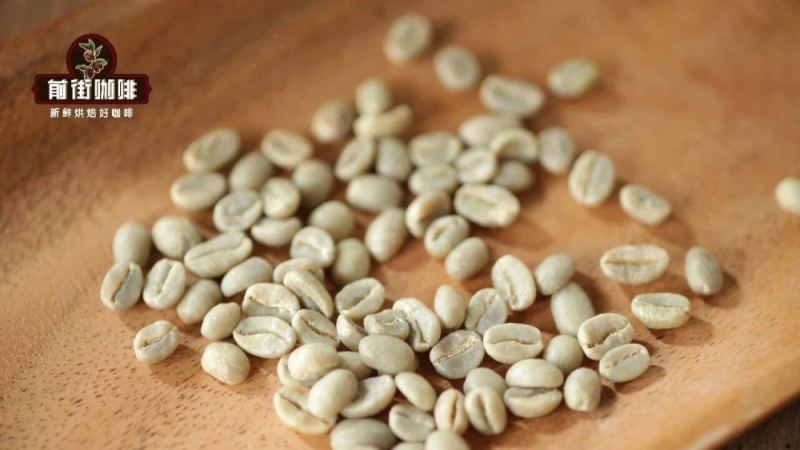
Terroir decides most of what a coffee tastes like. African beans, led by famous Ethiopian coffee and Kenya, show bright floral and fruity acidity. Central and South American beans lean balanced, with caramel sweetness and nutty or chocolate notes across Brazil, Costa Rica, Panama, and Colombia. Asian and island beans are mellow with low acidity, showing herbal, spice, and earthy tones.
The Colombian coffee taste profile stands out for dark chocolate and cocoa, with a sweet, mellow entry that stays well coordinated. African lots such as Ethiopian and Kenyan coffees brew into distinctly fruity cups, while Central and South American beans work on their own by pour-over or as a blending base for espresso and moka pot. Each origin rewards a different brewing approach.
Coffee beans from different origins present vastly different flavor profiles due to terroir differences. African beans are known for their bright floral and fruity acidity, with Ethiopia and Kenya as the two benchmarks; Central and South American beans are known for their balanced caramel sweetness and nutty-chocolate notes, with Brazil, Costa Rica, Panama, and Colombia each having their own strengths; Asian and island beans feature mellow body and low acidity, with herbal, spice, and earthy notes. This article reviews the flavor characteristics of the three major origins one by one, and combines them with Front Street's representative products—Huakui, Yirgacheffe, Cherry Tomato, Cerrado, Tarrazu, Butterfly, Mandheling, Yunnan Small-Bean, and Blue Mountain coffee—to provide coffee lovers with a reference for purchasing and tasting.
Front Street Coffee Introduction: Coffee Flavor Characteristics of Africa, Central and South America, Asia and Islands
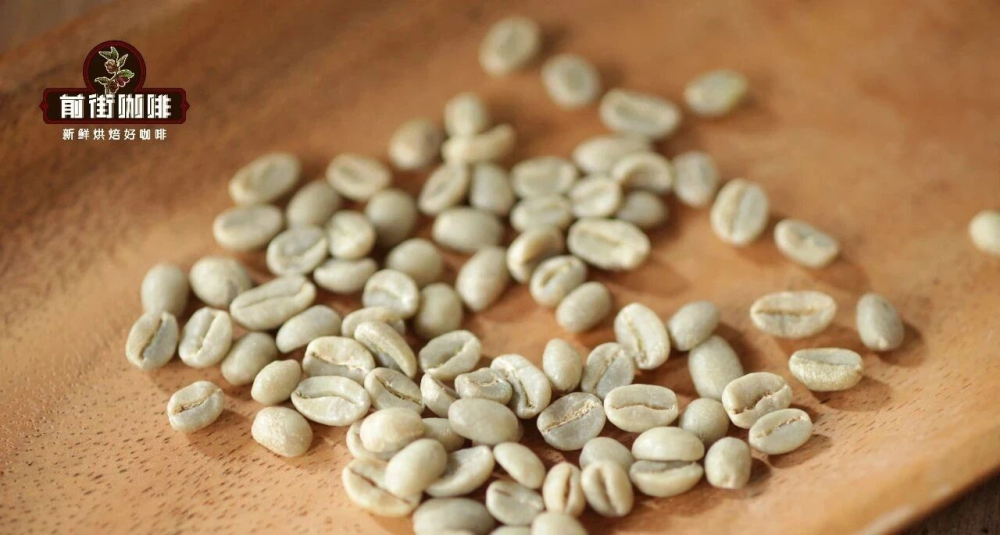
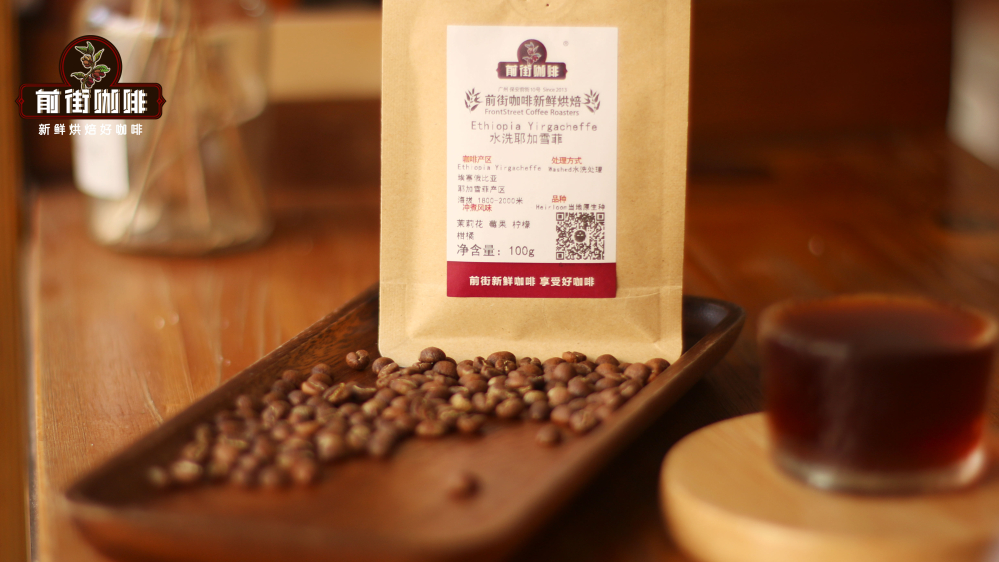
African origin coffee beans: Ethiopia's Front Street Huakui coffee and Front Street Yirgacheffe coffee have very prominent citrus and floral aromas, with a clear and bright mouthfeel; Kenya's Front Street Cherry Tomato coffee has a distinct berry note, along with acidity reminiscent of dark plum juice and grapefruit, and a sugarcane-like sweetness in the finish. Front Street Ethiopian coffee and Front Street Kenyan coffee can be regarded as the two major representatives of African coffee, capable of brewing a variety of different styles of flavor, and are especially suitable for drinkers who prefer fruity notes.
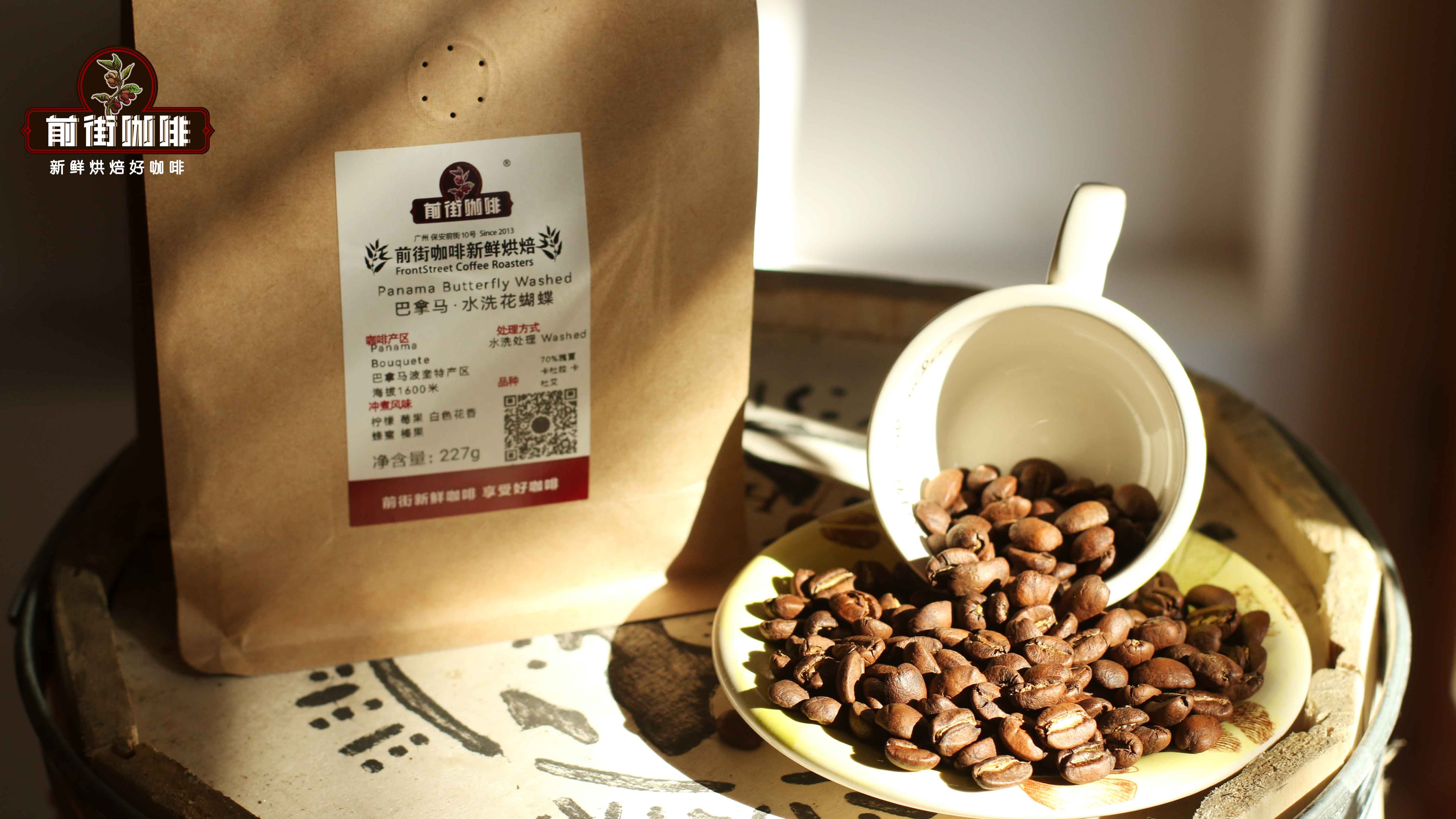
Central and South American origin coffee beans: Overall, the flavors of this region tend to be balanced, with caramel sweetness being relatively prominent. Brazil's Front Street Cerrado coffee has a soft and smooth mouthfeel; Costa Rica's Front Street Tarrazu coffee integrates slight acidity, sweet aroma, and chocolate flavor, with extremely high balance; Panama's Front Street Butterfly coffee displays clear jasmine, citrus, and almond flavors, with bright fruity acidity and rich layers;
The most striking characteristic of Colombian coffee lies in its captivating dark chocolate and cocoa flavors, with a sweet and mellow entry that is well-coordinated. Central and South American coffee can be enjoyed on its own by pour-over, and can also be used as a blending ingredient for espresso or moka pot, making it suitable for those who pursue a balanced taste.
Asian origin and island coffee beans: The body is generally higher than that of Central and South American beans and African beans, with lower acidity. The flavors often carry notes of pine, herbs, spices, and earth, with a low-key, restrained, stuffy aroma rather than soaring acidity. The representative origin is Indonesia's Front Street Mandheling coffee, which has a thick mouthfeel, prominent sweet-bitterness, and is accompanied by caramel aroma;
Front Street Yunnan Small-Bean from China's specialty coffee origin presents a balanced combination of nuts, brown sugar, and tea-like notes. Island beans overall tend toward a light and gentle profile, with an elegant tone. Among them, the most famous is Jamaica's Front Street Blue Mountain coffee, which blends the aromas of chocolate, cream, nuts, and caramel. It is suitable for extraction by pour-over, allowing you to taste the excellent flavor of authentic Front Street Blue Mountain coffee.
The above content is compiled by CoffeeHunters, a coffee news website.


