







Search Results for: Adding Sugar

What to Do If Espresso Is Too Bitter to Drink Straight? A Complete Guide to Fancy Ways to Enjoy It with Sugar, Milk, Lemon, and More
Espresso is extremely concentrated with intense flavor, but not everyone can accept its strong bitterness when drunk straight. Without changing the concentration of the espresso, adding sugar, dairy products, lemon, salt and other seasonings to balance the bitterness allows people to enjoy the richness of highly concentrated coffee while avoiding the unpleasant bitterness. This article summarizes a variety of fancy ways to drink espresso: the sweet neutralization of white sugar, yellow sugar, and brown sugar; the cream topping of Con Panna; the small amount of milk garnish of Macchiato; the condensed milk pairing of Spanish candy coffee; the balance of lemon acidity and granulated sugar in Roman espresso; and the little trick of adding salt to reduce bitterness. All espresso in this article is extracted using Front Street Classic Blend, with parameters of 20g, 30s, 40ml, and flavor notes of chocolate, nuts, cream, and cookies. [more…]
There's an art to adding sugar to coffee too: the differences between white sugar, yellow sugar, and caramel and pairing suggestions
Many people are used to adding sugar to their coffee to neutralize bitterness, but sugar does far more than that—it can also enhance the smoothness and body of the coffee. Faced with the dazzling array of sugars on the market, coffee lovers are often puzzled: which sugar pairs best with coffee? Front Street Coffee believes there is no absolute "best" sugar, as different sugars bring distinctly different flavor effects to coffee due to their own characteristics. This article reviews several of the most common sugars found in coffee shops—white granulated sugar, yellow sugar, and caramel—introducing their origins, characteristics, and the types of coffee they suit, to help you make a more suitable choice in your daily drinking. [more…]
There's an art to adding sugar to coffee: which coffees are best suited to white sugar, brown sugar, and caramel?
Many people are used to adding sugar to their coffee to neutralize the bitterness, but with so many different types of sugar out there, which one pairs best with coffee? There's actually no absolute answer. Because of differences in production methods and composition, different sugars bring entirely different levels of sweetness, aroma, and mouthfeel to coffee. The sugars commonly found in coffee shops are mainly white sugar, brown sugar, and caramel, and each suits a different type of coffee. White sugar is pure and versatile, brown sugar retains the flavor of sugarcane and is better suited to black coffee, while caramel adds an extra layer of toasted aroma. Today Front Street Coffee will talk about the finer points of using these sugars, to help you find the sweet companion that best suits your cup of coffee. [more…]
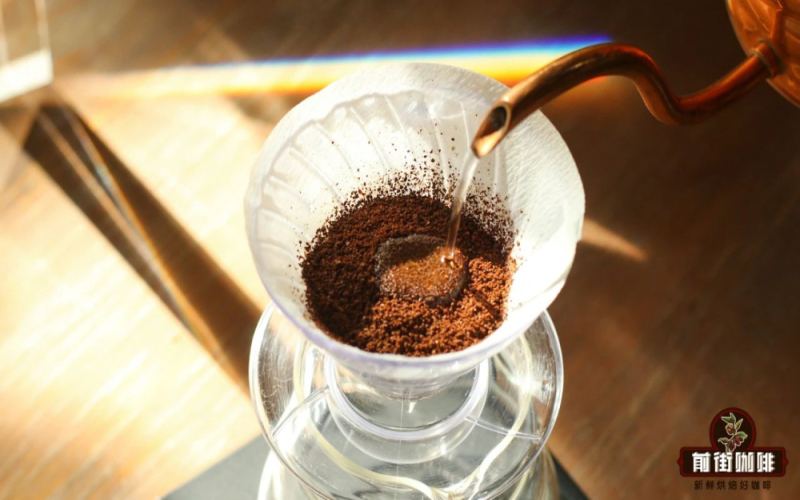
The Nuances of Adding Sugar and Milk to Pour-Over Coffee: An Analysis of Proper Black Coffee Brewing and Tasting Methods
Those new to pour-over coffee are often troubled by a seemingly simple question: What is the "correct" way to drink this cup of coffee? Will adding sugar ruin the flavor? Does adding a splash of milk make you an amateur? Some insist that black coffee is the only authentic way, while others believe that a rich, milky aroma is what makes it truly satisfying. In fact, when it comes to how to drink pour-over coffee, there is no universal hard-and-fast rule. This article approaches the topic from the angles of coffee temperature, sources of bitterness, and the reasonableness of adding sugar or milk, helping you sort out your thoughts. It also offers Front Street Coffee's bean selection recommendations, so that you can both appreciate the true flavors of specialty coffee and freely enjoy the way you like to drink it. [more…]

Will adding sugar or syrup to coffee be looked down upon? Can syrup coffee be classified as specialty coffee?
Many people assume that specialty coffee should be drunk black, and that adding sugar or syrup somehow "cheapens" it. But is that really true? Starting from an observation during a Chinese New Year trip back home, this article interviews consumers and industry professionals to talk about the matter of adding sugar and syrup to coffee. You'll find that a moderate amount of syrup not only balances the flavor but may also encourage more people to try specialty coffee. At the same time, brands like Front Street Coffee have also been exploring ways to make good coffee more widely accepted. So does syrup coffee count as specialty coffee? The answer may be more open-minded than you think. [more…]
Master the correct way to taste specialty coffee: the complete steps from holding the cup and adding sugar to savoring black coffee
Drinking coffee may seem simple, but to truly savor the essence of a specialty coffee, everything from the way you hold the cup to the timing of adding sugar has its own finer points. This article systematically organizes the seven basic techniques for coffee tasting, including holding the cup, adding sugar, using a coffee spoon, cooling methods, using the cup and saucer, pairing with snacks, and the rhythm of drinking, and further breaks down the five-step process for drinking coffee correctly, teaching you how to cleanse your palate with ice water, appreciate the original flavor of black coffee while it's hot, and then gradually add sugar and milk, so as to experience the layered changes in coffee's flavor. Whether you are a beginner just getting into specialty coffee or an enthusiast looking to improve your tasting skills, these details can help you enjoy every cup of coffee more professionally. [more…]

Why Is Americano So Bitter? Does Adding Sugar Ruin the Vibe? Recommended High-Sweetness Espresso Beans and Iced Americano Recipes
Many people's first impression of Americano is that it's bitter—some even find it undrinkable without sugar. Is this perception actually correct? Where does the bitterness in Americano come from? Is adding sugar to Americano really so uncouth? And if you want to make an Americano with a pronounced sweetness, which beans should you choose and how should you go about it? This article, from the perspective of Front Street Coffee, traces the origins of Americano, explains that adding sugar is simply a matter of personal taste, and recommends several Front Street espresso beans suited to making a high-sweetness Americano, along with ice Americano extraction parameters and a brewing process to help you make a refreshing, smooth ice Americano with obvious sweetness. [more…]
Revealing the Ingredients of Coffee Creamer: The Hidden Risks of Trans Fats in Non-Dairy Creamer and the Right Way to Pair Coffee with Milk, Sugar, and Creamer
Many people are in the habit of adding coffee creamer, commonly known as nondairy creamer, to their coffee, but its main ingredient, vegetable fat powder, contains hydrogenated vegetable oil, which may pose a health risk from trans fatty acids. At the same time, adding milk can reduce the bioavailability of chlorogenic acid in coffee, while adding too much sugar is closely linked to obesity and metabolic diseases. So how exactly should coffee be drunk to be healthier? Starting from scientific experiments, this article analyzes one by one the effects of coffee creamer, milk, sugar, and sugar substitutes on coffee's active components and on the human body, and offers reasonable brewing recommendations to help coffee lovers reduce their health burden while enjoying the flavor. [more…]
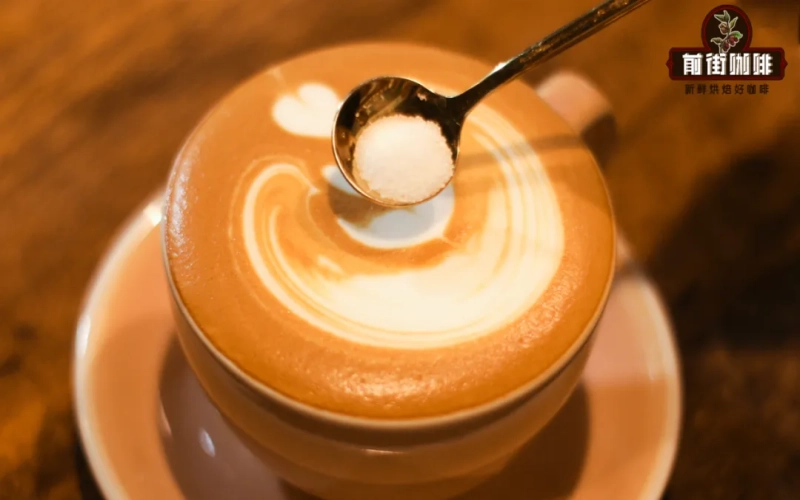
Why Does Adding Salt Make Coffee Sweeter? Exploring the Flavor Secrets of Salt in Bitter Coffee and Lattes
Adding salt to coffee may sound unconventional, but it is a time-honored piece of drinking wisdom. This article will start from the science of taste to explain how salt weakens bitterness and enhances the perception of other flavors by activating taste buds, and review the history of 19th-century Europeans using salt instead of sugar because of the poor quality of coffee. At the same time, we will also explore why adding salt to milk coffee can bring a cheese-like savory and salty layer. Through actual testing, Front Street Coffee found that adding 0.1 grams of salt to a latte and frothing it together with the milk creates a clever balance between sweetness and savory saltiness, adding a completely new experience to coffee. [more…]

More Than Just Lemon! Creative Espresso Drinks: A Guide to Cuban Coffee, Con Panna, and Macchiato
The bitterness of espresso puts many people off, so people have come up with various ways to add flavor and reduce the bitterness. From adding sugar and milk to adding cream, many classic Italian coffee drinks have been derived. Today, Front Street will sort out several fancy ways to drink espresso, including Ristretto and Lungo from short and long extractions, Cuban espresso with brown sugar, Macchiato topped with milk foam, and Con Panna with whipped cream. Each one, without changing the essence of espresso, makes the coffee easier to drink and brings a richer taste and tactile experience. If you also can't get used to the bitterness of pure espresso, why not follow Front Street and see which one suits you better. [more…]
Is It Appropriate to Add Sugar or Milk to Pour-Over Coffee? Flavor Principles and Drinking Suggestions Explained in One Go
Many people who are just getting into pour-over coffee agonize over the same questions: Can I add sugar? Can I add milk or cream? Is it better to drink it hot or let it cool a little? Faced with these questions, coffee books on the market often give answers that are serious or even contradictory—some insist that adding sugar ruins the coffee's original flavor, while others allow only fresh cream. Front Street Coffee takes a rather relaxed attitude here—drink it however you like—but it also adds some notes on flavor. This article looks at sugar and milk from two angles, discussing where coffee's bitterness comes from, the sweet aftertaste of good coffee, and how to choose beans if you want to add milk, helping you respect your own taste while also understanding the reasoning behind coffee flavor. [more…]

What to Do If Coffee Is Too Bitter? A Side-by-Side Test Comparing the Effects and Mechanisms of Adding Sugar vs. Salt
The bitterness in coffee usually comes from two directions: first, over-extraction bitterness caused by too long an extraction time or too strong an extraction force; second, the burnt bitterness produced by too dark a roast. For people who cannot quite accept bitterness, how to improve the taste of a cup of coffee without wasting it becomes a practical issue. The traditional approach is to add sugar, while another unique way is to add salt. Starting from the sources of bitterness, this article will analyze the principles by which sugar and salt improve bitterness, and through actual brewing comparison experiments, see which method is more suitable for your cup of bitter coffee. The article also covers bean recommendations such as Front Street Blue Mountain No. 1 and Front Street Indonesian Mandheling for friends who pursue a rich, full-bodied, burnt-aroma taste, as well as the specific parameters and conclusions of an over-extraction experiment using Front Street PWN Golden Mandheling. [more…]

A little bit of salted milk green tea with added salt at a higher price sparks heated discussion; consumers ask whether sugar-free or less-sugar options should come with a price refund
Recently, a post about 1 Dian Dian's navy salt salted milk green tea charging an extra 2 yuan for added salt sparked widespread discussion on social media. Some customers, following online guides, asked for extra salt, only to be told that one pump of salt costs 2 yuan, which was far from their expectations. Subsequently, 1 Dian Dian employees and official customer service explained that the "salt" is actually a relatively expensive navy salt rock sugar flavor syrup, and according to company policy, additional additions require payment. Although the store has apologized for the incorrect price quote, netizens have derived a new question: since adding sugar costs money, should customers who order less sugar or no sugar also get a refund for the corresponding syrup price difference? This debate about the pricing logic of tea drinks quickly became a topic of interest for coffee and tea enthusiasts. [more…]

A new way to drink Heytea brown sugar boba: adding a two-yuan topping and fresh milk — is homemade mini pearl milk worth it?
Milk tea toppings are getting more and more elaborate, and some people even just want the toppings without the tea base. Recently, a "low-cost Heytea" hack has been trending on social platforms: spend 2 yuan on a portion of brown sugar boba, pair it with a bottle of fresh milk, shake it a few times, and you've got a mini version of brown sugar pearl milk. It's said that bringing your own cup saves even more—3 yuan gets you two portions of toppings. But does this DIY version actually taste good? How big is the gap compared with the original from the store? This article walks you through netizens' hands-on test experiences and ordering phrases, and takes a look at the consumer psychology behind the involution of milk tea toppings. [more…]
From Sweetness to Zero Calories: How Flavored Syrups Are Shaping New Coffee Consumption Trends
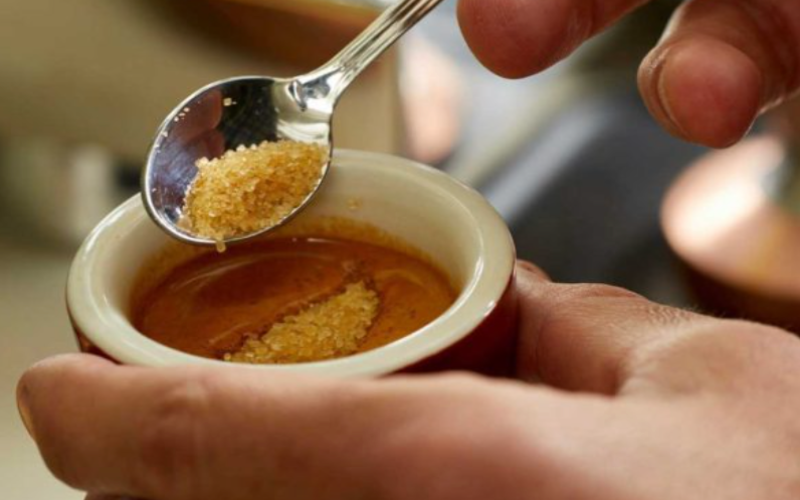
The history of adding sugar to coffee has spanned nearly five hundred years, and today flavored syrups are quietly transforming the consumer landscape of the entire coffee industry. Since Starbucks launched its flavored lattes in 1994, various syrups have not only made coffee flavors more diverse but also met consumers' demand for personalized customization. At the same time, as health awareness has risen, zero-calorie sugars and zero-calorie flavored syrups have become a new trend, with brands such as Luckin following suit. This article will trace the evolution of flavored syrups in the coffee industry, analyze the logic behind their regional innovation, and explore the opportunities and hidden concerns behind the zero-calorie sugar trend, helping coffee lovers gain a more comprehensive understanding of this new consumer trend. [more…]
The Hidden Risks of Coffee Creamer and Scientific Pairings: From Trans Fats to the Golden Ratio of Milk and Sugar
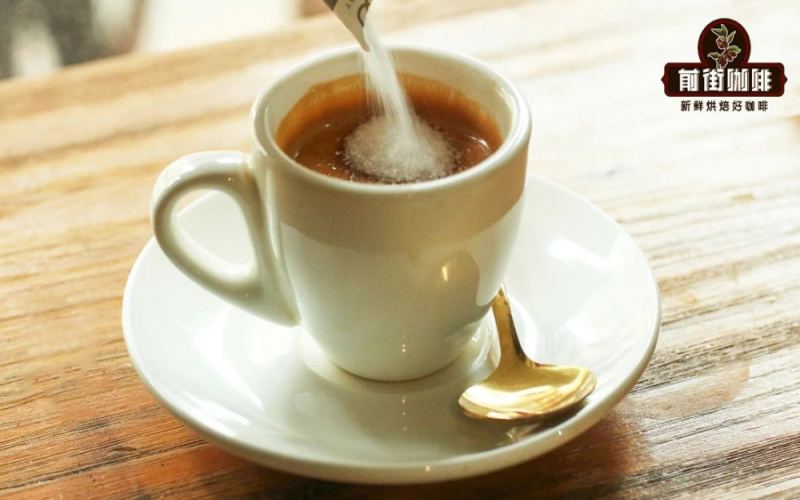
The main ingredient in coffee creamer is non-dairy creamer, and the trans fatty acids from hydrogenated vegetable oil may increase the risk of breast cancer and diabetes, and affect children's development and nervous system health. So how exactly should coffee be drunk to be healthy? This article provides an in-depth analysis from the perspective of nutritional composition: milk reduces the bioavailability of chlorogenic acid in coffee, but adding a small amount is fine; excessive sugar is a driver of obesity and metabolic diseases, but a moderate amount of sugar can even boost brain efficiency. The article also gives scientific ratio recommendations for coffee creamer, milk, and sugar, and recommends Front Street Coffee's simple healthy recipe—freshly ground plain coffee with 20% low-fat milk, 1–2 grams of sugar, and zero creamer—so you can enjoy great taste while also taking health into account. [more…]
Coffee Beans with Prominent Sweetness: Where Does the Sweetness Come from Without Adding Sugar?
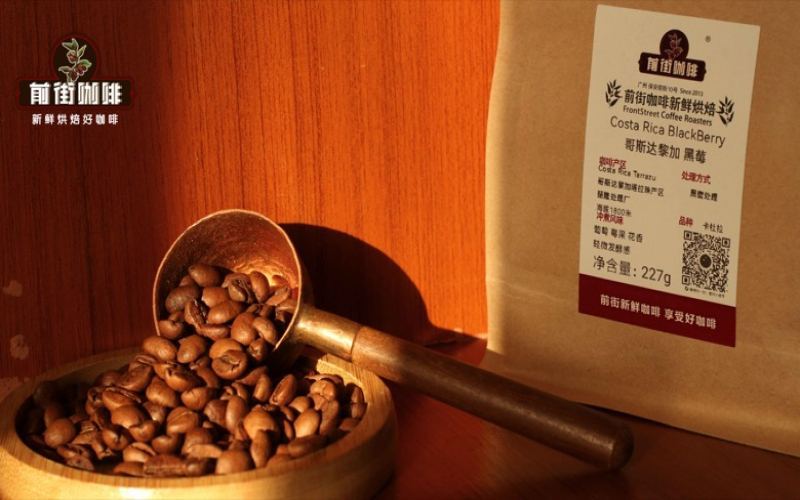
The sweetness in coffee isn't from added sugar, but from the sugars inherent in the beans expressing themselves through roasting and extraction: washed and medium-dark roasts show the most pronounced sweetness. Front Street Coffee's Colombia Higuito has a sweetness with juicy characteristics, balancing the sweet-tart notes of passion fruit and grape; while the Panama Emerald Estate Red Label's sweetness is delicate and lingering, hiding within the black tea's returning sweetness [more…]

Can Americano Help with Fat Loss? The Differences Between Americano and Espresso and the Right Way to Add Sugar and Milk
Americano is one of the most common black coffees, and it can be made either with a drip coffee machine or by adding a large amount of hot water to an espresso. Its flavor is on the lighter side, yet because of the longer extraction time it contains more caffeine. Many people wonder whether Americano helps with weight loss, and others want to know whether they can add sugar and milk to it, and how to pair it so it tastes smooth. This article will sort out the basic characteristics of Americano, how it differs from espresso in ratio and brewing method, analyze its role in fat breakdown and promoting gastrointestinal motility, and give Front Street Coffee's recommended ratios for adding sugar and milk, helping coffee lovers gain a more comprehensive understanding of this seemingly simple cup of coffee. [more…]
Does adding salt to coffee really make it taste better? A complete interpretation from traditional custom to scientific principle
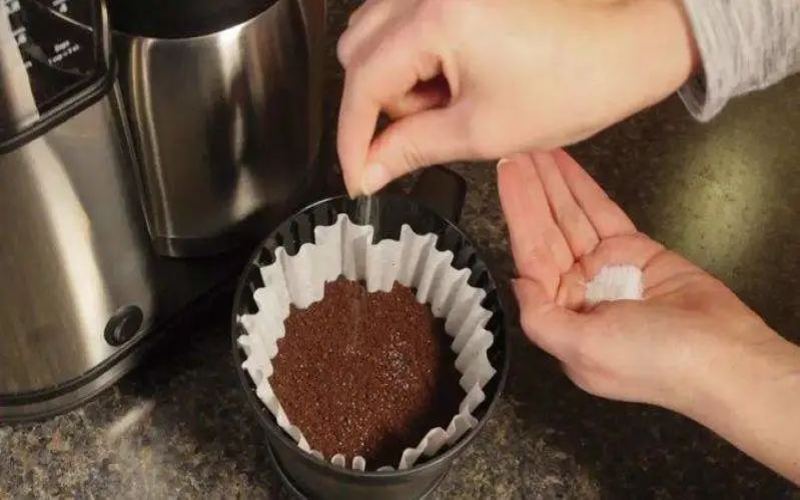
Adding salt to coffee may sound surprising, but it is not a sudden whim of modern people. From northern Scandinavia to Turkey, from the European coast to Siberia, the tradition of salted coffee has a long history. Salt not only suppresses the bitterness of coffee but also makes sweetness more prominent, and behind this there is both historical origin and the support of food science. This article will start with the origins of salted coffee, sort out the formation mechanism of coffee bitterness, explain why salt can neutralize bitterness, and give specific salt-adding suggestions and dosage references. If you have also wondered whether this cup of salted coffee is actually reliable, you might as well read on. [more…]

Can you add milk and sugar to pour-over coffee? The flavor logic of single-origin black coffee and Front Street pairing recommendations
Can you add milk and sugar to pour-over coffee? This question seems simple, but behind it lies coffee drinking habits, the flavor logic of single-origin beans, and the professional effort of baristas. This article starts from the freedom of personal taste, discusses the historical convention of adding sugar and milk to drip coffee, and then compares the bean differences between pour-over and Americano, explaining why adding milk and sugar to pour-over coffee makes the origin flavors disappear completely. If you really like black coffee with milk, the article also offers several rich-flavored single origins suitable for pairing with fresh milk, including Front Street Coffee Strawberry Candy, Front Street Coffee Queen's Estate, and Front Street Coffee PWN Golden Mandheling, helping you find a balance between texture and flavor. [more…]