







Too Bitter Coffee: Does Sugar or Salt Fix It, and How Much Caffeine in White Coffee?
Bitterness in coffee comes from two main sources: over-extraction, caused by too long a brew time or too forceful a pour, and scorched bitterness from a dark roast. Adding sugar is the traditional fix, while adding table salt is a less common alternative. The article compares both methods in a side-by-side brewing test to show which suits a bitter cup.
A dark roast develops more caramelized compounds the longer the beans are heated, so beans such as Blue Mountain, Mandheling, Cerrado, and Huila suit drinkers who accept sweet-bitterness. Avoid over-extraction by watching time and strength. For reference, how much caffeine in white coffee sits lower than a dark roast, and is white coffee strong is a separate question tied to its lighter roast.
Coffee's bitterness usually comes from two directions: one is the over-extracted bitterness caused by too long an extraction time or too strong an extraction force, and the other is the scorched bitterness produced by too dark a roast. For people who cannot accept bitterness well, how to improve the taste of a cup of coffee without wasting it becomes a practical issue. The traditional approach is to add sugar, while another distinctive way is to add salt. Starting from the sources of bitterness, this article will analyze the principles by which sugar and salt improve bitterness, and through an actual brewing comparison experiment, see which method is more suitable for your cup of bitter coffee. The article also involves bean recommendations suitable for friends who pursue a rich, full-bodied, scorched-aroma taste, such as Front Street Blue Mountain No. 1 and Front Street Indonesia Mandheling, as well as the specific parameters and conclusions of an over-extraction experiment using Front Street PWN Golden Mandheling.
Many times, we can perceive obvious bitterness when drinking coffee. This bitterness usually comes from two aspects: one is that the extraction time is drawn out too long, or the extraction strength is too high, causing the bitterness brought by over-extraction; the other is that too dark a roast produces a scorched, bitter aroma.
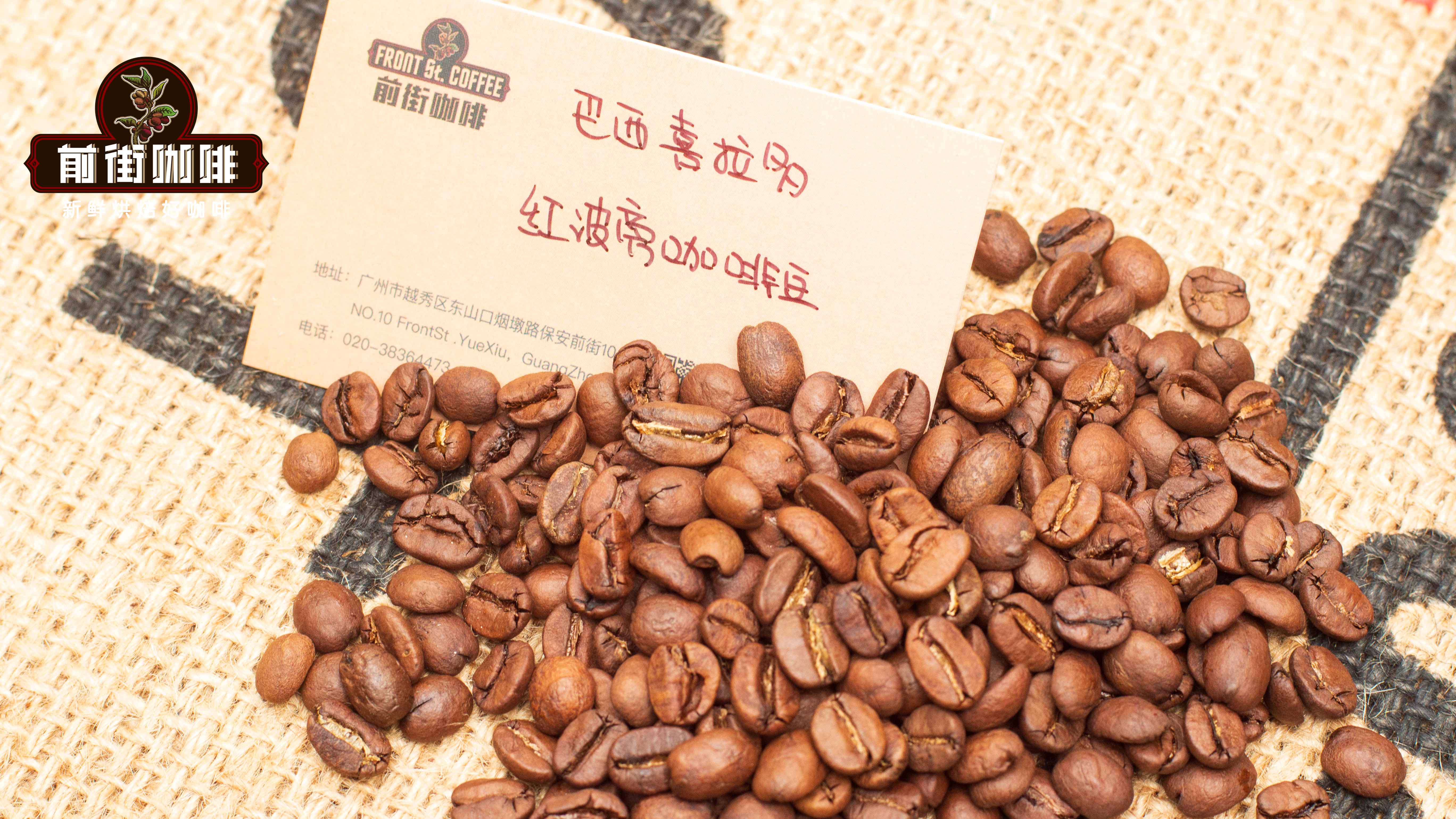
The darker the roast, the longer the coffee beans are heated, and the more caramelized substances are generated. Beans such as Front Street Blue Mountain No. 1, Front Street Indonesia Mandheling, Front Street Brazil Cerrado, and Front Street Colombia Huila are all very suitable for friends who like a rich, full-bodied, scorched-aroma taste. This type of drinker usually has a higher acceptance of sweet-bitterness, and as long as they follow the tutorial and avoid over-extraction, they can all achieve good results.
These two different levels of bitterness differ greatly in how they feel, but for people who cannot handle bitterness, both are quite unfriendly. Therefore, without wasting coffee, we need to adjust the bitterness to turn it into a cup that is easier to drink.
The traditional approach is naturally to add a large amount of sugar, while a more unusual method is to add table salt. Both are effective means of improving bitterness. So, the topic of today's article is: sugar and salt, which one can better improve the bitterness of coffee? But before we begin, let us first review the sources of bitterness.
Sources of bitterness
When the extraction strength is too strong, the bitter taste of over-extraction is produced. Higher water temperature, finer grinding, and too long an extraction time are all "suspects" that lead to over-extraction. They cause a large amount of caffeine and chlorogenic acid lactones in the coffee to be extracted, and these two are the main sources of bitterness.
In addition to over-extraction, too dark a roast also creates bitterness. During the roasting process, the internal substances of coffee beans undergo countless decomposition and polymerization reactions. The darker the roast, the more obvious the scorched bitterness.
Why can sugar and salt improve bitterness?
When we eat or drink bitter foods, we do not directly sense bitterness. Rather, the taste buds first release calcium ions, transmitting the "bitter" signal to the brain, activating the receptors that perceive bitterness, and only then do we taste bitterness. Therefore, bitterness is often the last taste perceived during eating and drinking.
The addition of salt blocks the transmission of the bitterness signal and reduces our perception of bitterness. Sugar, on the other hand, relies on its amount to reduce the proportion occupied by bitterness. Both can create the effect that bitterness disappears, but in essence they merely increase the perception of other tastes—when we perceive more of other tastes, bitterness is naturally "ignored."
Now that we understand the principles, let us begin the comparison to see whether sugar or salt can better improve the bitterness of coffee.
Experimental comparison
As mentioned earlier, there are two ways to obtain bitter coffee: over-extraction or dark roasting. So... Front Street wants them all! Brewing a pot of over-extracted coffee with dark-roasted beans, wouldn't that be even more bitter? Come on, bring out the parameters!
Beans used: Front Street PWN Golden Mandheling
Dose: 15g
Grind setting: Ek43 setting 10 (normally setting 11)
Coffee-to-water ratio: 1:15
Brewing water temperature: 92°C (normally 88°C)
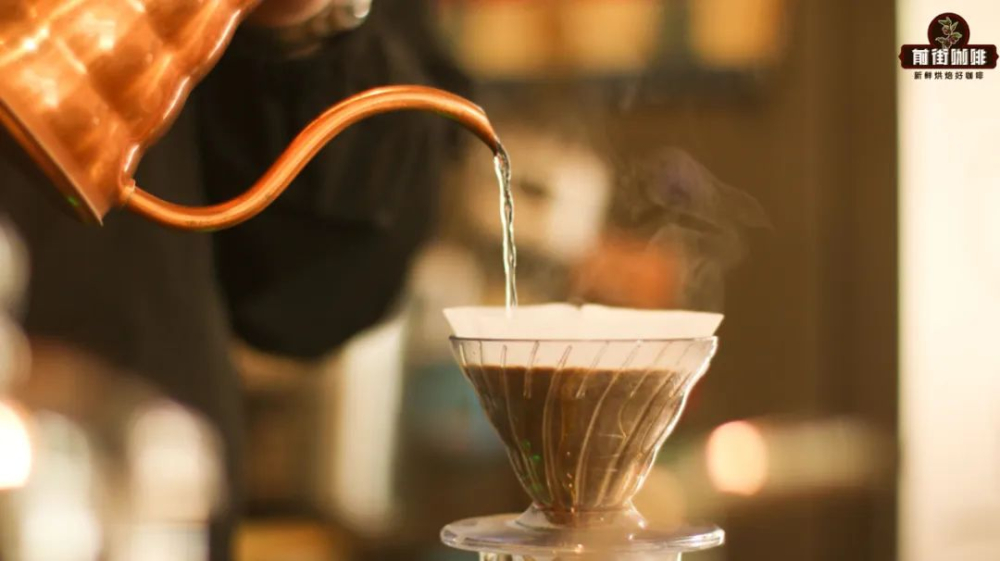
Brewing method: three-pour method
Dripper used: Kono
Although the parameters are listed, please do not imitate them, because these parameters will cause over-extraction and are not suitable for daily brewing. Now, let's start brewing. Since this is a negative example, we will not go into detail about the process.
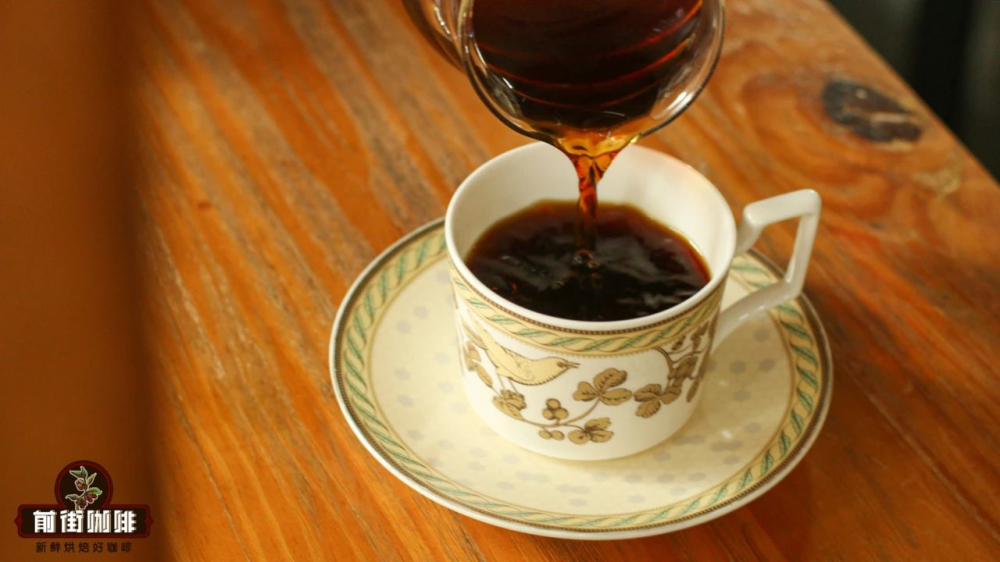
The brewing time was 2 minutes 30 seconds, and the resulting coffee liquid totaled 200ml. We divided it evenly into four portions, each 50ml. One cup had an appropriate amount of salt water added, one cup had an appropriate amount of sugar added, and the tastes of these two cups were compared. The remaining over-extracted coffee with nothing added was randomly rewarded to a friend to drink.
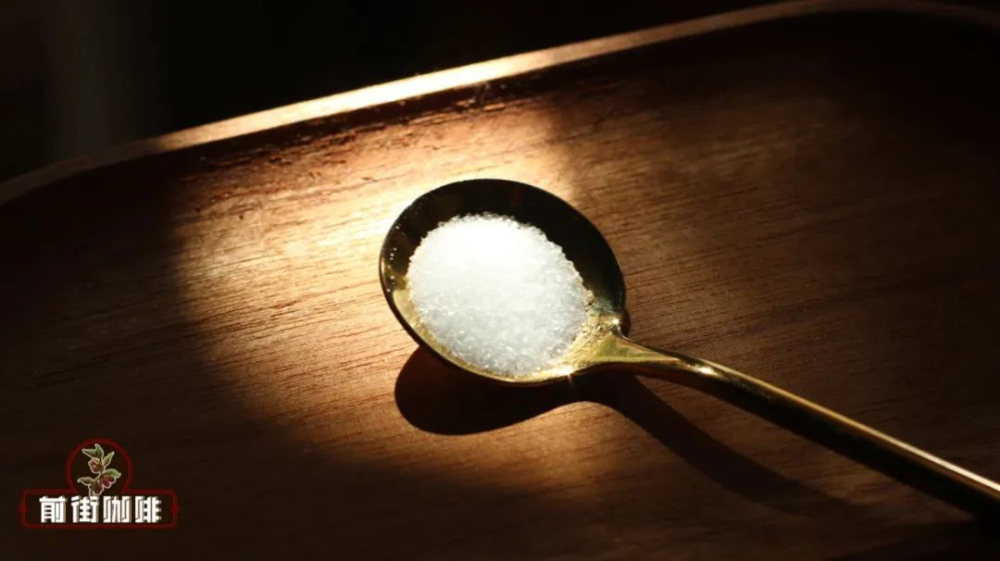
In the experimental article "How Much Salt Is Needed to Improve the Bitterness of Coffee," because everyday table salt is both fine and salty and difficult to estimate, Front Street mixed salt and water at a ratio of 20% into a saltwater solution of fixed concentration, making it easier to weigh out an accurate amount of salt, and finally reached the conclusion that 2ml of salt water can perfectly improve 50ml of bitter coffee. So, for the first cup we add 2ml of salt water.
Sugar grains are distinct and its weight is easy to control, so simply add sugar directly. After measurement, on the premise of not disrupting the balance of flavor, Front Street concluded that 1g of white granulated sugar can reduce the bitterness of over-extracted coffee. Both cups are ready; next we will taste them separately.
In the cup with salt added, the perception of bitterness decreased noticeably, the flavor was balanced, and a certain fullness was also enhanced. Overall, it was a cup of coffee dominated by salty-sweetness with a weak bitter sensation, easier to drink than before anything was added.
In the cup with sugar added, however, the perception of bitterness was not reduced; instead, it was suppressed by quantity, reducing bitterness's proportion in the whole cup, so it tasted both sweet and bitter, with a bit of clash. If more sugar were added, sweetness would become dominant, and the whole cup would lose the flavor characteristics of coffee, turning into something like Isatis root syrup water.
Therefore, we can draw the conclusion: if you want to experience a distinctive sensation, salt may be more suitable for you than sugar. If you just want to finish this cup of coffee and take in a little caffeine, then adding more sugar will be a bit better.
The above content is compiled by CoffeeHunters, a coffee news website.


