







Search Results for: 0 added milk powder
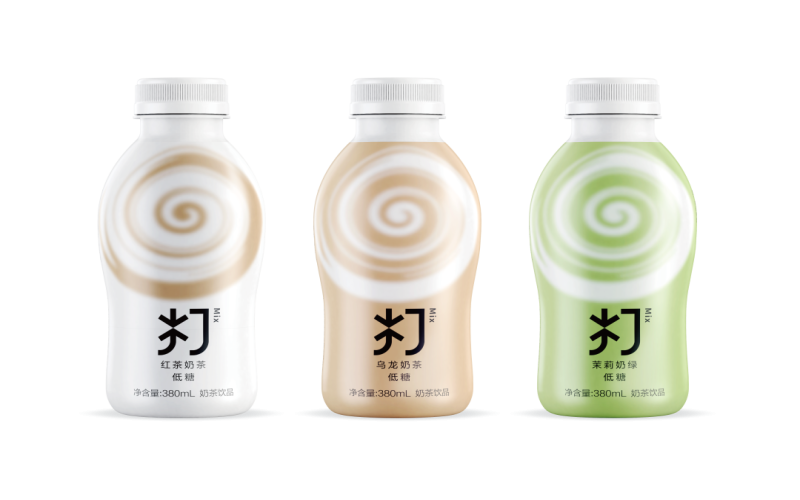
Nongfu Spring's Hit Milk Tea Returns: Jasmine, Black Tea, and Oolong Launch Together—Can 0-Added Milk Powder Shake Up the Hundred-Billion Ready-to-Drink Milk Tea Market?
After eight years, Nongfu Spring is once again making a push into the bottled milk tea sector. On October 12, its official WeChat account posted an article announcing a renewed layout for the "Da Milk Tea" series, launching jasmine, black tea, and oolong flavors, with a net content of 380 milliliters, highlighting selling points such as "0 added milk powder," "0 added tea powder," and "0 added flavorings." It is reported that this series uses concentrated milk and carefully selected whole-leaf extraction, with cold-chain storage and transportation throughout, and the JD.com presale price is 135 yuan for 15 bottles. Looking back to the end of 2013, Nongfu Spring had launched a matcha-flavored Da Milk Tea in a tumbler-shaped bottle, which faded out after a lukewarm market response. Now, bottled ready-to-drink milk tea is regarded as a new outlet, and in the hundred-billion milk tea market, street drinks, brewed drinks, and ready-to-drink drinks each occupy a share, with new brands such as Genki Forest and Hankou Erchang also entering the fray. Front Street Coffee believes that whether Nongfu Spring can win consumers' favor this time remains to be tested by the market. [more…]
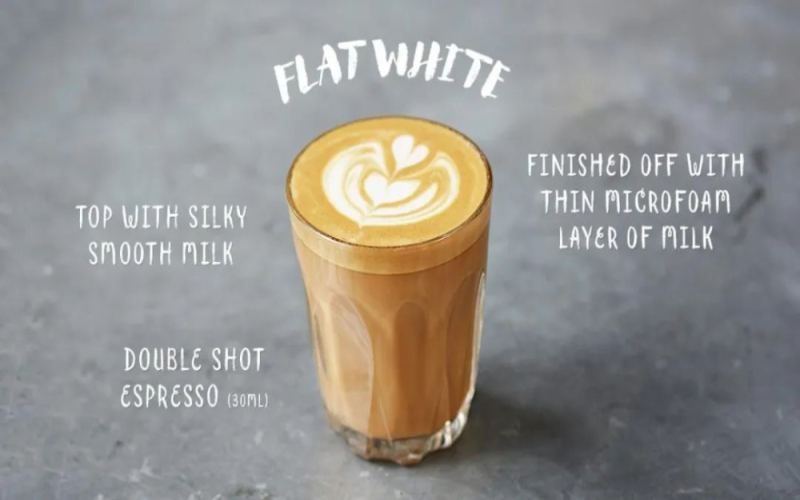
An Analysis of the Flavor and Mouthfeel Characteristics of Flat White: Core Differences from Latte and Key Preparation Points
Flat White and latte are both popular espresso-based milk coffees, but they differ clearly in milk foam thickness, milk ratio, and overall mouthfeel. Flat White uses a double ristretto as its base, with milk foam as thin as 0.3–0.5 cm, pursuing a rich, smooth, coffee-forward flavor. This article sorts out Flat White's origin background, preparation method, and comparison with latte and cappuccino, and also includes Front Street store brewing parameters and recommendations for five espresso blend beans, as a reference for coffee lovers to replicate at home. [more…]
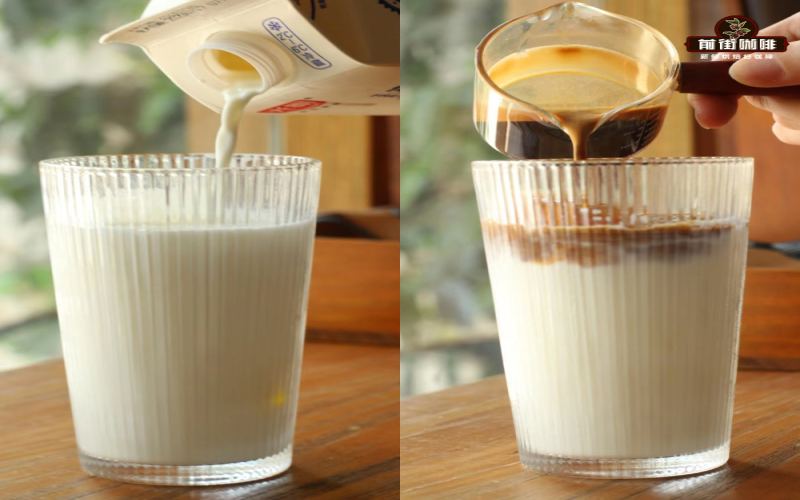
SOE Latte | How to Extract Espresso from SOE Beans? What Is the Milk-to-Coffee Ratio for Making SOE Latte at Home? Which Kind of Italian Coffee Beans Should Be Used for a Hot Latte?
Friends who enjoy milk coffee know that what we commonly call a latte is actually a popular coffee drink made by combining espresso and milk. The addition of milk turns the originally strong and bitter espresso into something sweet and delicious, and it also makes even those who don't usually drink coffee feel [more…]
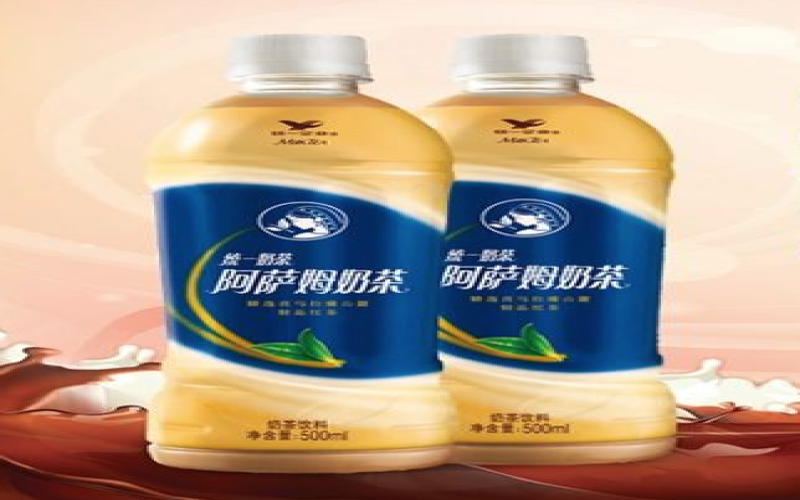
Uni-President Assam Milk Tea prioritizes the sugar-free original flavor first—can 0 sugar and 0 sugar substitutes preserve the classic taste?
The bottled milk tea market is undergoing a health-oriented transformation. Uni-President Assam Milk Tea has launched its first sugar-free original flavor version, highlighting "true 0 sugar," meaning it contains no sucrose, sugar substitutes, or carbohydrates, and in particular explicitly avoids acesulfame potassium, sucralose, erythritol, and aspartame. The new product has the same 500ml capacity as the classic version and retails for about 3.6 yuan. Although its ingredients still include food additives, white granulated sugar and glucose syrup have been removed. Energy per 100 milliliters has dropped from 230 kilojoules in the classic version to 58 kilojoules, a significant reduction in sugar. In recent years, ready-to-drink tea and sparkling water have diverted some bottled milk tea consumption, while freshly made new-style tea drinks have also taken away younger customers. Uni-President's move is both a response to the sugar-reduction trend and a proactive innovation in the face of market competition. However, the technical difficulty of 0-sugar milk tea lies in balancing taste. Whether it can retain Assam's classic flavor after removing sugar will test the brand's research and development strength. [more…]
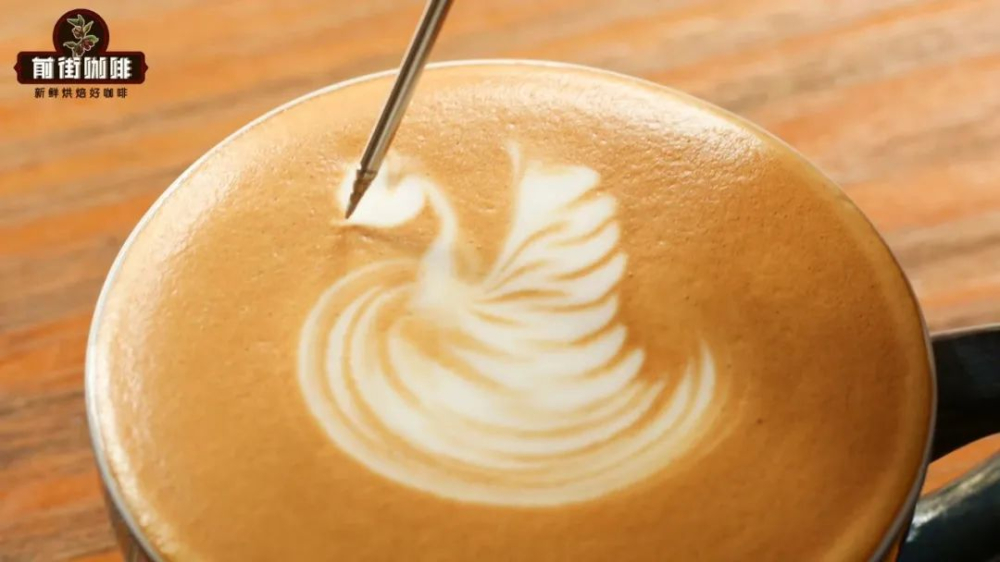
Latte Recipe | Can You Add Ice to a Hot Latte? What Makes a Latte Both Bitter and Weak? How to Adjust Extraction Parameters to Make a Delicious Latte?
I'm not sure if everyone remembers the first time they had a latte—many people probably have long since forgotten—but Front Street Coffee still remembers it vividly. The first glimpse of the delicate latte art was immediately eye-catching; a small sip revealed the faintly sweet aroma and hint of bitterness released by the crema, and by the second sip, the earlier intense bitterness had transformed into [more…]
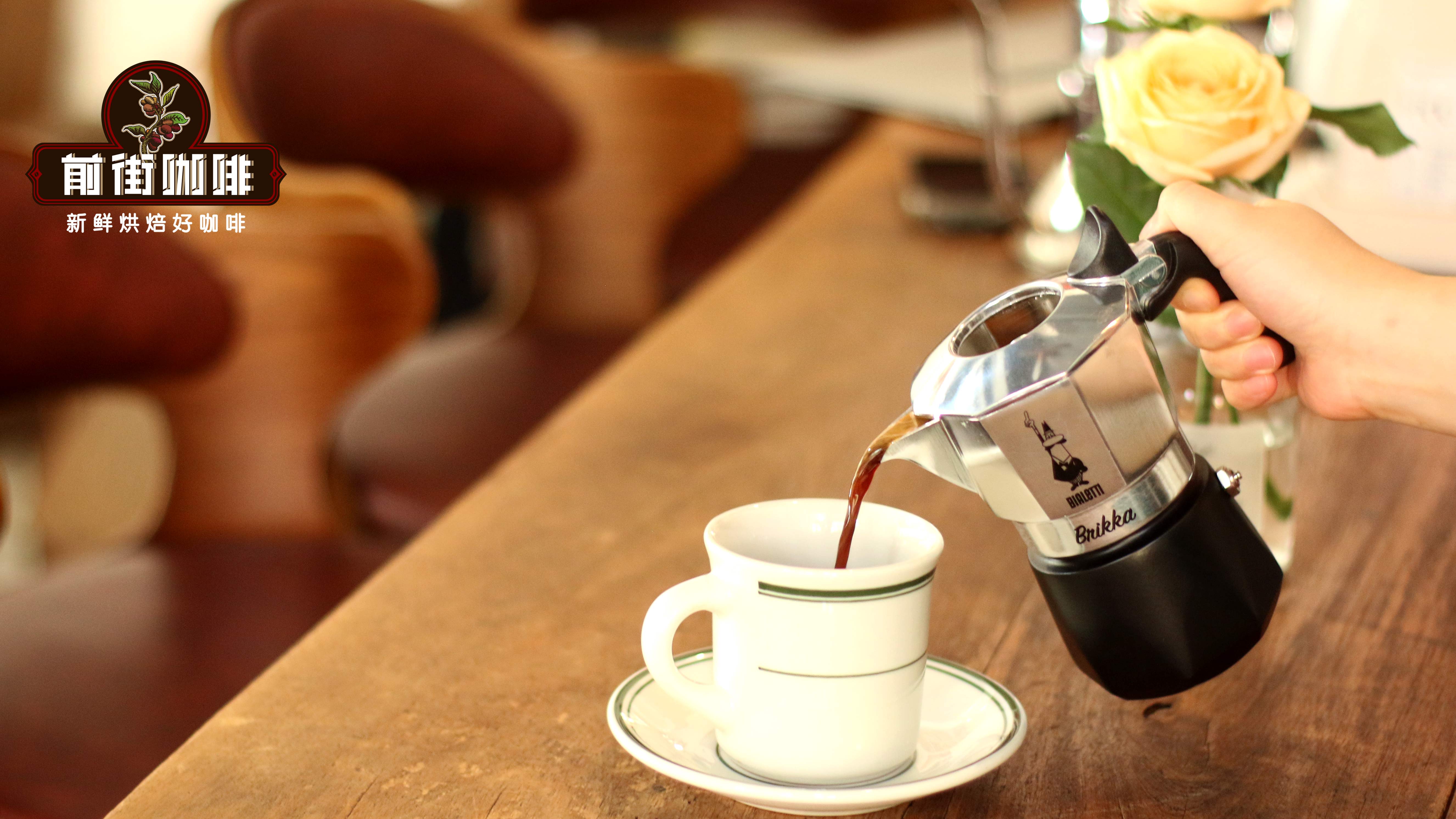
The Complete Moka Pot Guide: From Bean Selection to Grinding to Extraction, Easily Make Espresso with Crema
The moka pot, with its compact convenience and easy learning curve, has become the first piece of equipment for many coffee novices entering the world of home-brewed espresso. But if you want to use it to make an espresso with rich crema and balanced flavor, every step—from bean selection and grinding to heating rhythm—requires careful attention. This article, combining text and images, systematically explains the complete operation process of the moka pot, including suitable coffee bean types, criteria for judging grind size, details of adding water and tamping coffee grounds, and key points of heat control during extraction. It also includes common drinking methods such as Americano, latte, and Vietnamese coffee, helping enthusiasts avoid detours and consistently reproduce their ideal flavor. [more…]

Flat White Production Essentials | Is Starbucks Flat White an Aussie-style white coffee? How much espresso goes into a Flat White?
For more specialty coffee knowledge, please follow: Front Street Coffee (Frontsteet Coffee). After Starbucks launched a new coffee drink, the "Flat White," in 2012, it once became a favorite among Starbucks fans. Because it has the silky mouthfeel of a latte [more…]

Analysis of Flat White Coffee Milk Ratio and Bitterness: A Tutorial on Aurelio White Preparation Steps and Parameter Adjustment
Flat White, also known as Australian White or Fu Rui Bai, originated in Melbourne, Australia, and is renowned for its thin milk foam and rich coffee flavor. Like a latte or cappuccino, it consists of espresso and fresh milk, but it highlights the aroma of the coffee itself more, with the milk foam being only about 0.5 cm thick and level with the rim of the cup. This article provides a detailed analysis of the Flat White's origin controversy, milk foam thickness, Ristretto base extraction parameters, and milk ratio, and uses a 200 ml ceramic cup as an example to demonstrate the complete preparation process at Front Street Coffee stores, from grinding 20 grams of coffee and extracting 28–30 grams of Ristretto to adding 170 grams of hot milk, helping coffee enthusiasts master the core points of this beverage. [more…]

Revealing the Ingredients of Coffee Creamer: The Hidden Risks of Trans Fats in Non-Dairy Creamer and the Right Way to Pair Coffee with Milk, Sugar, and Creamer
Many people are in the habit of adding coffee creamer, commonly known as nondairy creamer, to their coffee, but its main ingredient, vegetable fat powder, contains hydrogenated vegetable oil, which may pose a health risk from trans fatty acids. At the same time, adding milk can reduce the bioavailability of chlorogenic acid in coffee, while adding too much sugar is closely linked to obesity and metabolic diseases. So how exactly should coffee be drunk to be healthier? Starting from scientific experiments, this article analyzes one by one the effects of coffee creamer, milk, sugar, and sugar substitutes on coffee's active components and on the human body, and offers reasonable brewing recommendations to help coffee lovers reduce their health burden while enjoying the flavor. [more…]
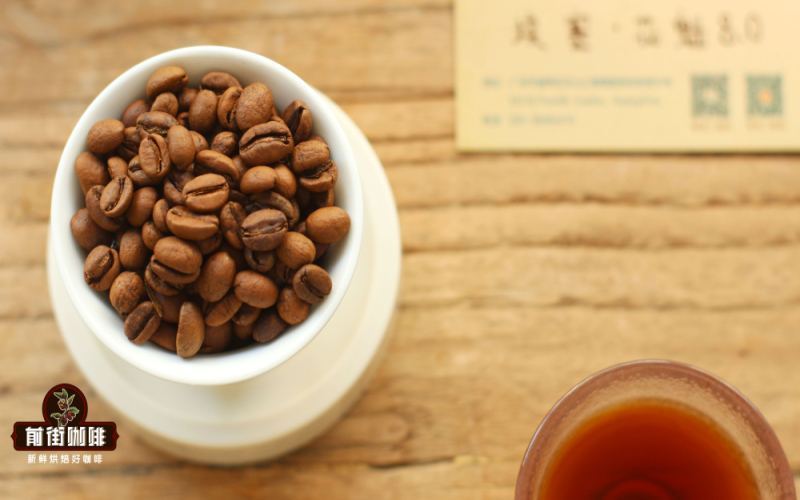
Huakui SOE Flavor Analysis: Is Sidamo Huakui 8.0 Sour or Bitter? Americano or Latte—Which Tastes Better?
In recent years, Luckin Coffee's SOE Huakui has been a pleasant surprise for many coffee lovers—it has no obvious bitterness when drunk, but instead carries a bright fruity acidity, with a rather unique mouthfeel. Many people are therefore curious: what exactly is this bean, and can the same flavor be recreated at home? This article revolves around "SOE Huakui," first explaining the concept of SOE and the origin background of Huakui coffee, then clarifying the meaning of the suffix numbers in the Huakui series (such as 5.0, 7.0, 8.0), and finally using Front Street Coffee's Sidamo Huakui 8.0 as an example to provide the complete extraction parameters and operating steps for SOE espresso, along with sharing how to make it into a refreshing Americano or a smooth latte. [more…]
Analysis of the Capacity Difference Between Flat White and Latte: Origins and Key Production Points of Thin Milk Foam Espresso Milk Coffee
Both are espresso with milk, so why is a Flat White always a size smaller than a Latte? Behind this lies the original intent of the Flat White—to make the coffee flavor stand out, with milk playing only a supporting role. From the perspective of Front Street Coffee, this article sorts out the background of the Flat White's popularity in the 1980s, the respective approaches to making it in Australia and New Zealand, compares the specific differences between it and the Latte and Cappuccino in milk foam thickness and milk ratio, and includes the parameters for drinks served at Front Street stores along with purchasing advice for five espresso blends, helping coffee lovers recreate a rich, smooth Flat White at home. [more…]
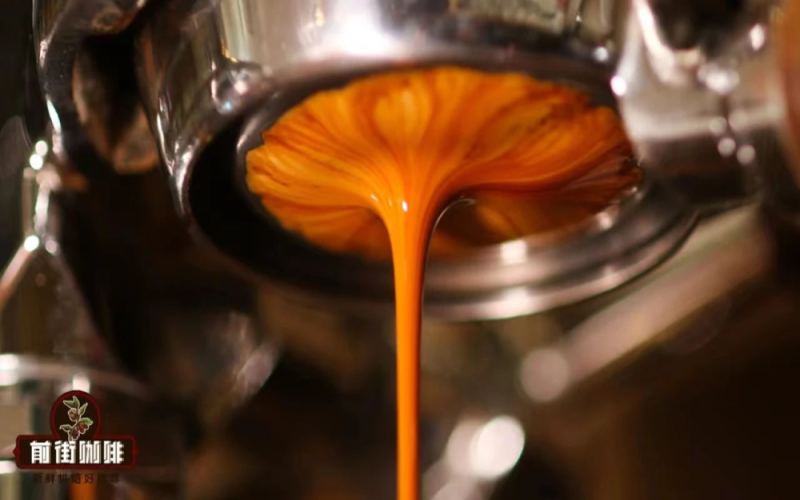
SOE Single-Origin Espresso Flavor Characteristics | What's the Difference Between SOE and Coffee Blends? How Can Coffee Beginners Make Delicious SOE Coffee?
When you go to a café and want to order an Americano or a milk coffee, you often face two options: one is the default espresso blend, and the other is the SOE that costs extra. At this point, some people might wonder, why is this "SOE" more expensive than the blend? What exactly makes it more expensive? What is SOE coffee? SO [more…]

The Origin of the Flat White | Is a Flat White a Latte? How Do Starbucks Flat White, Luckin Australian White, and Costa Flat White Differ?
For more specialty coffee knowledge, please follow our WeChat official account: Front Street Coffee (FrontStreet Coffee). The espresso and milk-based Italian milk coffee—Flat White—is translated under different names at different cafes, such as Luckin's Australian White Coffee and Starbucks [more…]
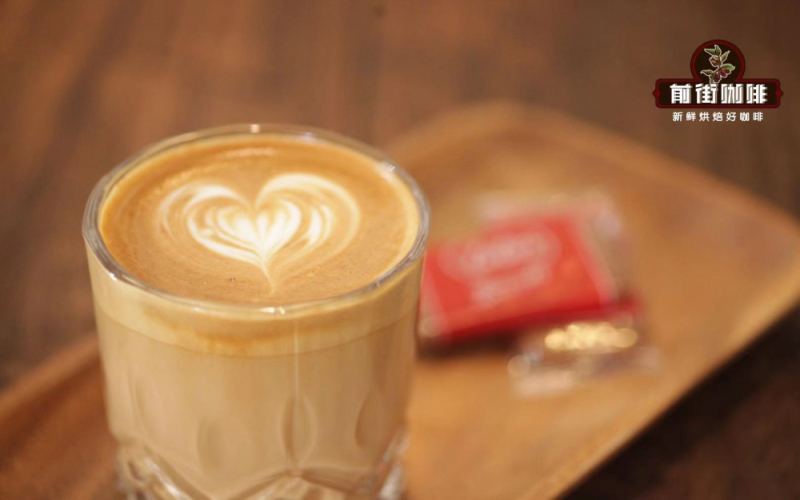
A Complete Guide to Making Flat White Coffee: From Espresso Base to Milk Foam Thickness, Master Practical Techniques for Extraction and Integration
Flat White is favored by many coffee lovers because its small cup size and low milk volume make the coffee flavor more concentrated. It originated in Melbourne, Australia, and began to gain popularity in Europe, the United States, and Australia in the 1980s. To make a delicious Flat White, the key lies in the extraction method of the espresso base, the control of milk foam thickness, and the ratio of milk to coffee. Starting from the beverage preparation process at Front Street stores, this article provides a detailed introduction to the characteristics of Flat White, its differences from latte and cappuccino, and the specific steps for making it. It also shares the flavor performance of two beans, Front Street Sunflower Warm Sun Blend and Classic Italian Blend, to help you recreate a creamy and smooth Flat White at home. [more…]
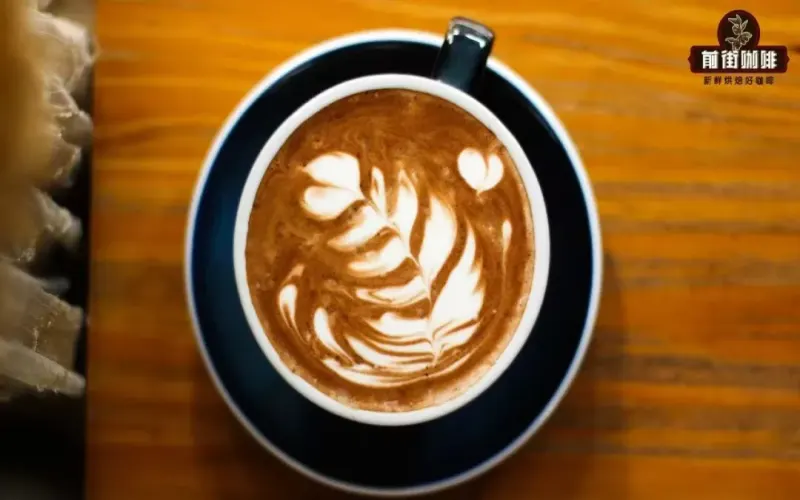
Salted Mocha Coffee Recipe Tutorial: A Detailed Guide to Hot and Iced Versions, Plus How Mocha, Latte, and Cappuccino Differ
Mocha coffee has evolved from the classic version into many new forms, among which the "salted mocha" has rapidly gained popularity in the coffee world in recent years. Simply adding a pinch of salt to the traditional mocha recipe can make the sweetness more prominent and the aroma more vivid, and the interwoven salty-sweet flavor is deeply loved by modern consumers. In this article, Front Street will provide a detailed introduction to two methods of making salted mocha—hot and iced—including ingredient preparation, coffee bean selection suggestions, specific ratios, and operating steps. It will also explain the differences between mocha latte and cappuccino, helping coffee enthusiasts easily recreate this beverage at home. [more…]
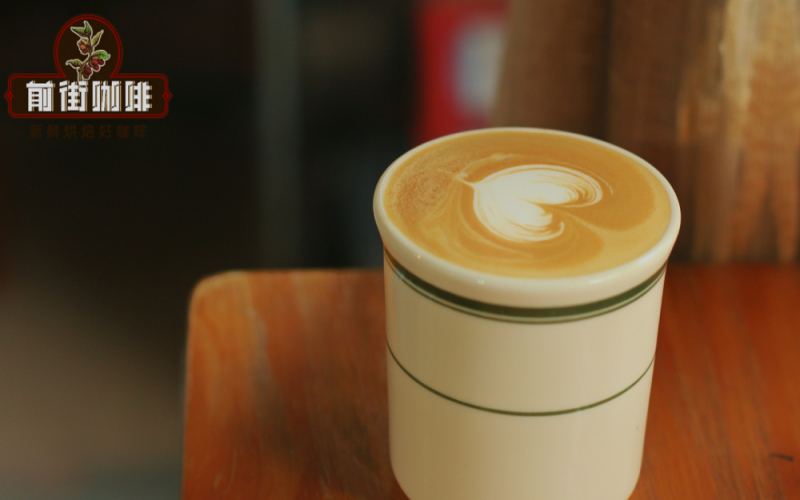
What's the difference between a Flat White and an Aussie White? A comprehensive guide from ordering tips to Front Street Coffee's recipe
Flat White, this milk coffee originating from the Southern Hemisphere, is called 馥芮白 at Starbucks, 醇艺白 at Costa, and 澳瑞白 at Luckin, while baristas at Front Street Coffee prefer to call it 澳白. How exactly does it differ from a latte or a cappuccino? Why should the milk foam be kept within 0.3cm? How do the three elements—small cup size, thin milk foam, and a ristretto base—come together to make a delicious Flat White? This article will break down the characteristics of this beverage one by one, from its historical origins, its differences from a latte, and key points for ordering, to the complete recipe at Front Street Coffee, helping coffee lovers find the cup that suits them best whether ordering or making it at home. [more…]
The correct way to make a flat white | How can coffee novices make a flat white at home? Which has thicker milk foam, an Aussie white or a latte, and which is easier to pour latte art with?
For professional coffee knowledge exchange and more coffee bean information, please follow Coffee Workshop (WeChat official account: cafe_style). For more specialty coffee beans, please add our private WeChat: Front Street Coffee (FrontStreet Coffee), WeChat ID: qjcoffeexFlat wh [more…]
How Is a Flat White Different from an Aussie White or a Magic? The Origins, Craft, and Flavor of the Flat White Explained
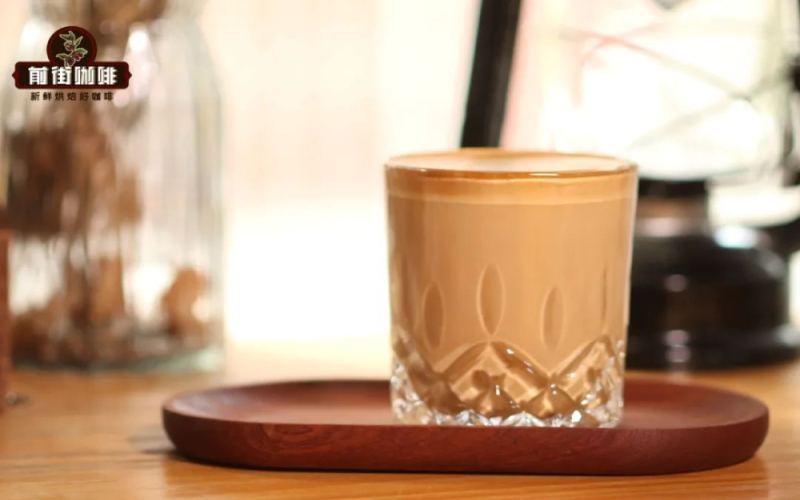
Flat White is also espresso with milk, yet different chain brands call it by various names such as Fu Rui Bai, Ao Rui Bai, and Chun Yi Bai. So how exactly does it differ from a latte or a cappuccino? This article begins with the controversy over the origins of the Flat White, sorts out the differences between the New Zealand and Australian styles, and, combined with Front Street Coffee's classic espresso blend coffee beans, explains milk foam thickness, milk ratio, espresso extraction parameters, and the resulting flavor, helping you understand how a delicious Flat White should be made and tasted. [more…]
Flavor Profile and Brewing Method of Piccolo Latte: A Complete Guide to the Small-Volume Espresso Milk Drink
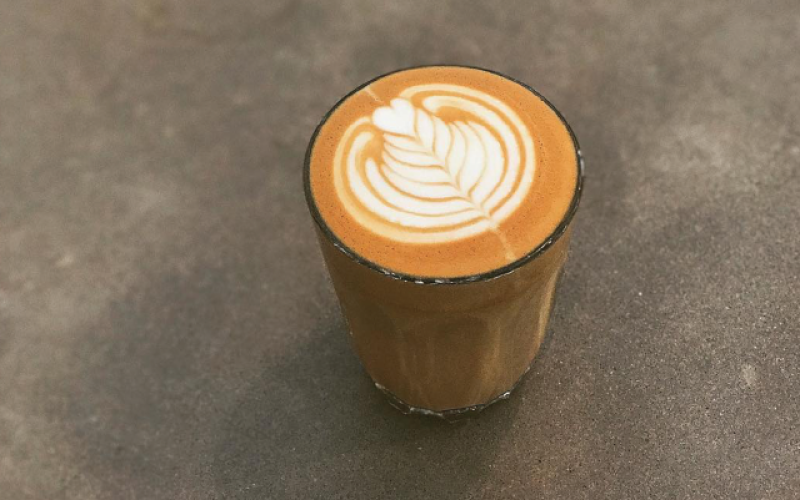
Piccolo Latte is a small-sized espresso milk coffee with a capacity of only 90–100 ml, made by combining a Ristretto with steamed hot milk, and it is very common in Australia. It was originally a test drink used by roasters and baristas to check the integration between coffee beans and milk, and later gradually entered café menus. This article will start with Piccolo's origin, the reasons for its small cup size, and its flavor characteristics, and then break down in detail the steps for Front Street Coffee to recreate this drink, including coffee powder dose, extraction parameters, milk steaming temperature, and latte art timing, to help coffee enthusiasts fully understand this short coffee known as a "shrunk version of a hot latte." [more…]
Coffee Bean Grind Setting 1 to 10 Coarseness Guide | Pour-Over Coffee Grind Standards and Adjustment Methods Reference
Grind size directly determines the extraction direction of a cup of coffee: too fine a grind easily leads to over-extraction and bitterness, while too coarse a grind may result in under-extraction and a weak, bland flavor. Many grinders on the market mark their settings from 1 to 10, but the corresponding coarseness varies across different models. A smaller number usually means a finer grind, but in practice, you need to judge based on your brewing method. Drawing on the hands-on experience of Front Street Coffee, this article sorts out the grinding ranges for common brewing methods such as espresso, pour-over, siphon, and French press, explains whether medium-light roast and medium-dark roast coffee beans are better suited to a medium-fine or medium-coarse grind for pour-over, and provides specific steps for using a 0.85mm No. 20 sieve to check the passing rate, helping coffee enthusiasts find the right grinding parameters. [more…]