








The moka pot, with its compact size, convenience, and easy learning curve, has become the first piece of equipment for many coffee novices entering the world of home-brewed espresso. But to make a cup of espresso with rich crema and balanced flavor using it, every step—from bean selection and grinding to heating rhythm—requires attention. This article, with text and images, systematically explains the complete operation process of the moka pot, including suitable coffee bean types, criteria for judging grind size, details of water pouring and powder filling, and key points of heat control during extraction, along with common drinking methods such as Americano, latte, and Vietnamese coffee, helping enthusiasts avoid detours and consistently reproduce the ideal flavor.
The moka pot is one of the household coffee brewing tools. With advantages such as a low operating threshold, easy portability, and small footprint, it has won the favor of many consumers and attracted the attention of many novices just getting into coffee. Today, Front Street Coffee will provide a detailed breakdown of how to use the moka pot through text and images, helping everyone quickly master the essentials.
What kind of coffee beans should be chosen for the moka pot?
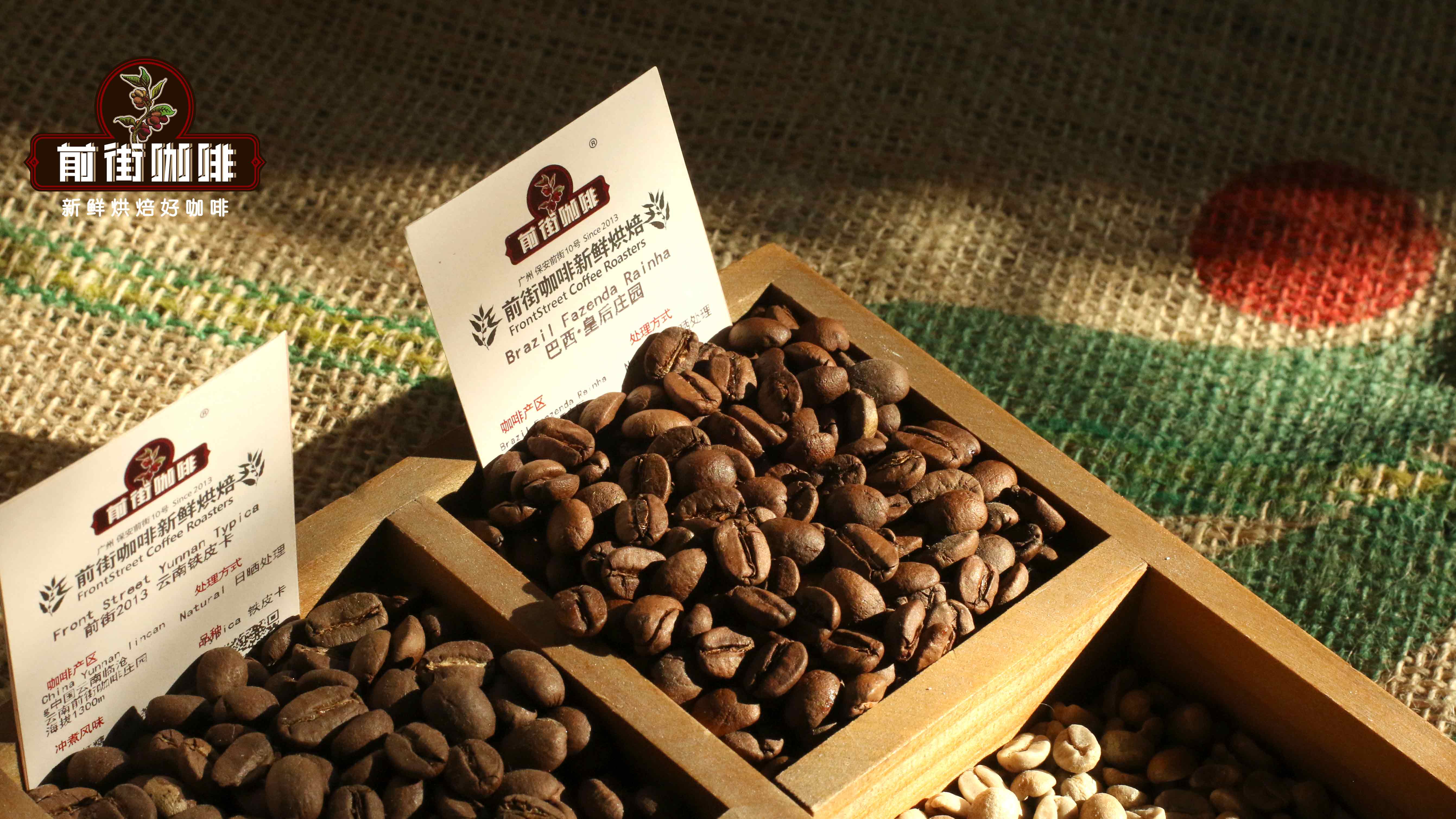
Front Street Coffee has said before that the crema on the surface of espresso is essentially composed of a large number of carbon dioxide micro-bubbles. Medium-dark roasted coffee beans retain sufficient carbon dioxide inside, so if you want a cup of moka pot espresso with ideal crema performance, choosing medium-dark roasted beans is more suitable.
To keep moka pot extraction stable, the freshness of coffee beans is a factor that must be considered. Roasted beans usually have a best drinking window of 40 to 50 days, during which aroma and crema are at a relatively good level; once stored for more than two months, gases gradually dissipate and the flavor declines noticeably. For this reason, Front Street Coffee beans insist on fresh roasting within 5 days and support shipping within 24 hours, locking in coffee aroma at its best as much as possible.
Coffee beans suitable for the moka pot fall roughly into two categories: one is medium-dark roasted single-origin beans, and the other is espresso blends. If you want to make an Americano with the moka pot, Front Street recommends Front Street.Queen's Estate SOE coffee beans. This single-origin coffee comes from a rare high-altitude growing region in Brazil. After medium-dark roasting, a creamy peanut-like aroma is quickly released, with cocoa and milk flavors interwoven, leaving a deep impression. It also has a sugarcane-like sweetness, with a cocoa finish emerging at the end. Both the moka pot and home espresso machines can handle it.
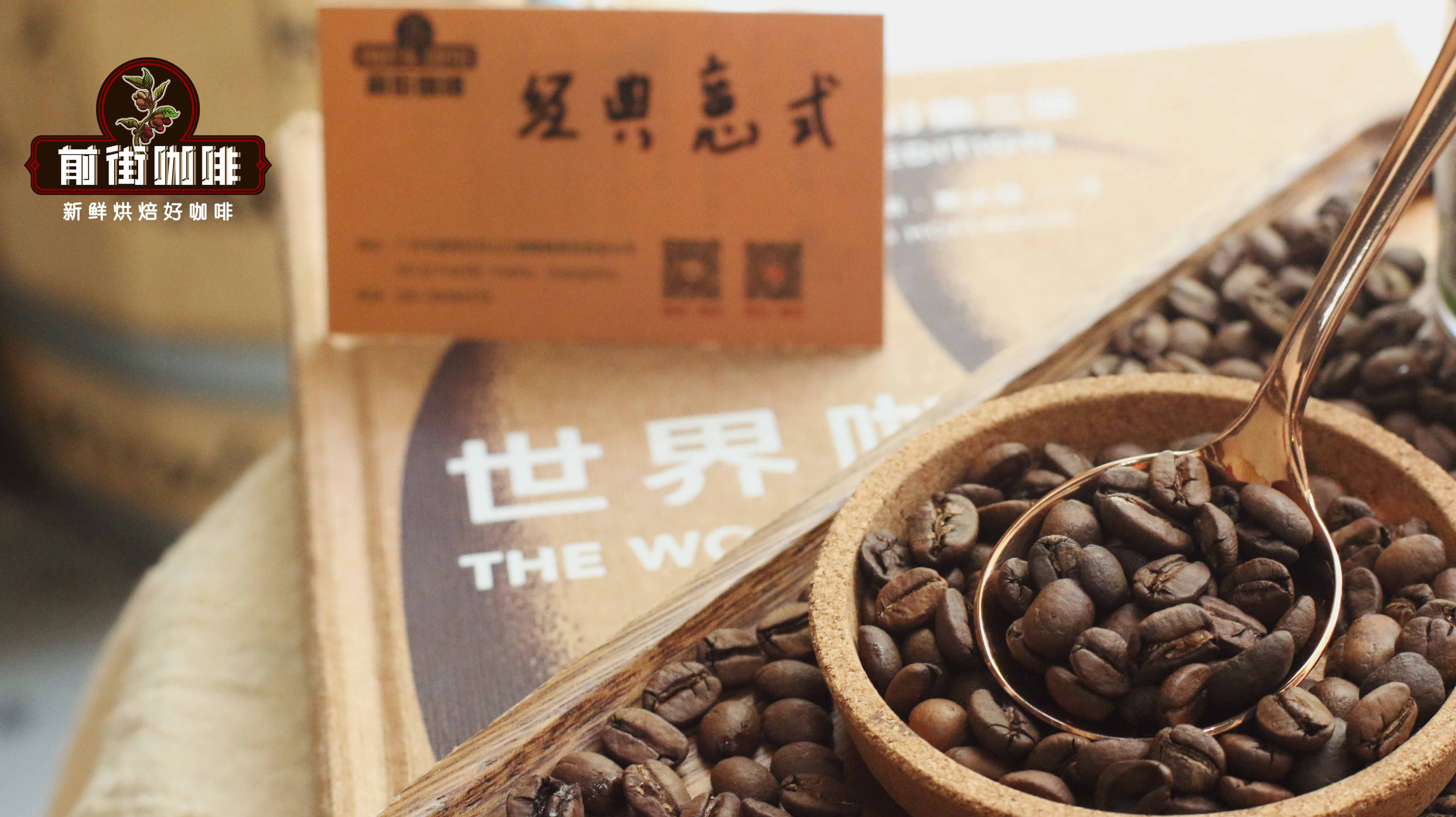
Choosing espresso blend beans to pair with the moka pot is aimed at recreating the taste found in coffee shops. If you prefer the classic "Mamba" style, Front Street Classic Espresso Blend coffee is worth getting. This blend is composed of coffees from Brazil, Indonesia, and Vietnam, so it combines the caramel sweetness of American beans with the rugged character of Asian beans. It can fully display the rich aroma of coffee and also allow people to easily extract thick, dense crema. Whether mixed with water to make an Americano or with milk to make a latte, it performs very well. It can be ordered from the Front Street Taobao store or the Front Street Tmall flagship store.
Friends often ask Front Street how fine the grind should be for a moka pot. If the grind is too coarse, the puck does not create enough resistance, hot water passes through the coffee bed too quickly, and flavor compounds do not have time to be fully extracted, resulting in under-extraction; conversely, if the grind is too fine, the resistance is too great, and hot water accumulates in the basket for a long time and cannot pass through smoothly, which not only easily causes over-extraction but may even risk an explosion!!!
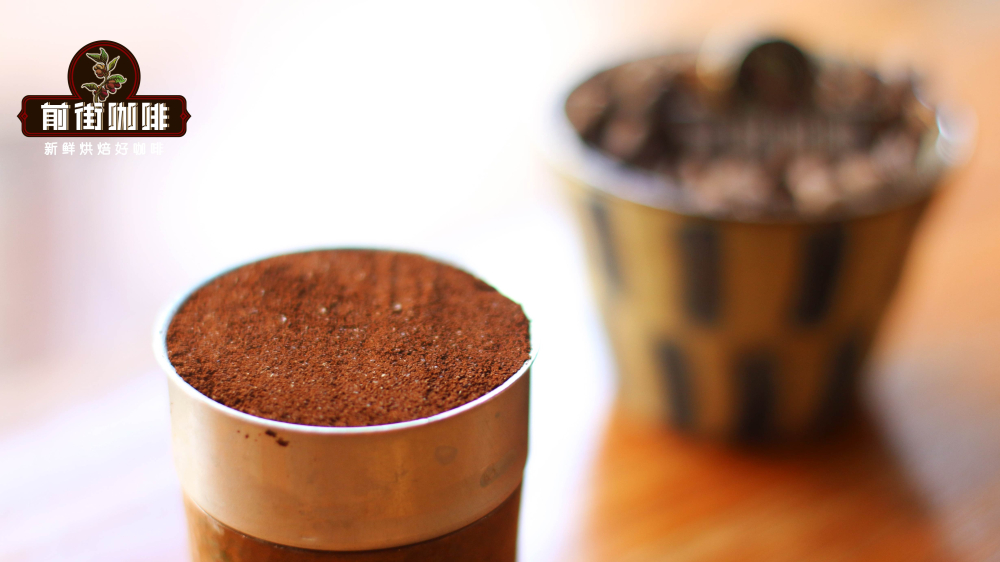
Front Street's recommendation is to control the particle diameter of coffee powder used in a moka pot between 0.3 mm and 0.55 mm, which is a bit coarser than the powder used in espresso machines. As a reference, the powder ground by Front Street's espresso grinder is close to flour in texture, while to avoid the splashing problem mentioned earlier, moka pot powder needs to be coarser than espresso powder. As shown in the picture above, if you rub it between two fingers and feel a granular texture similar to fine salt, that is right.
What do you need to prepare in advance to make coffee with a moka pot?
The required materials include: freshly ground coffee powder (Front Street Classic Espresso Blend), water, a moka pot, and a heat source for heating. Here Front Street uses a regular electric ceramic stove. In a home setting, an open flame stove can also be used, but be sure to pay attention to fire safety.
Detailed illustrated steps for using the moka pot
1. Add water: First pour in an appropriate amount of hot water. Using hot water can shorten the time needed to boil the water and let us enjoy a cup of moka pot coffee faster! (Front Street uses a double-serving single-valve moka pot and poured in 130 ml)
2. Fill with coffee powder: Put an appropriate amount of coffee powder into the basket, then place the basket containing 18 g of powder into the lower chamber.
Note that after pouring the coffee powder into the basket, it is best to tap the basket lightly a few times to let the coffee powder settle naturally and fill the gaps, thereby reducing the probability of channeling. After filling, just level the surface of the powder with your finger. Note that if the coffee powder used is on the fine side, it is best not to tamp it, otherwise it will increase the resistance of the basket and make it harder for hot water to pass through.
3. Tighten the upper chamber and lower chamber: At this step, note that if the lower chamber contains hot water, it is best to use a wet cloth for insulation to prevent burns.
4. Place on the heat source and start brewing: There is nothing particularly special to say about this step. Just place the moka pot on a heat-conducting heat source to heat.
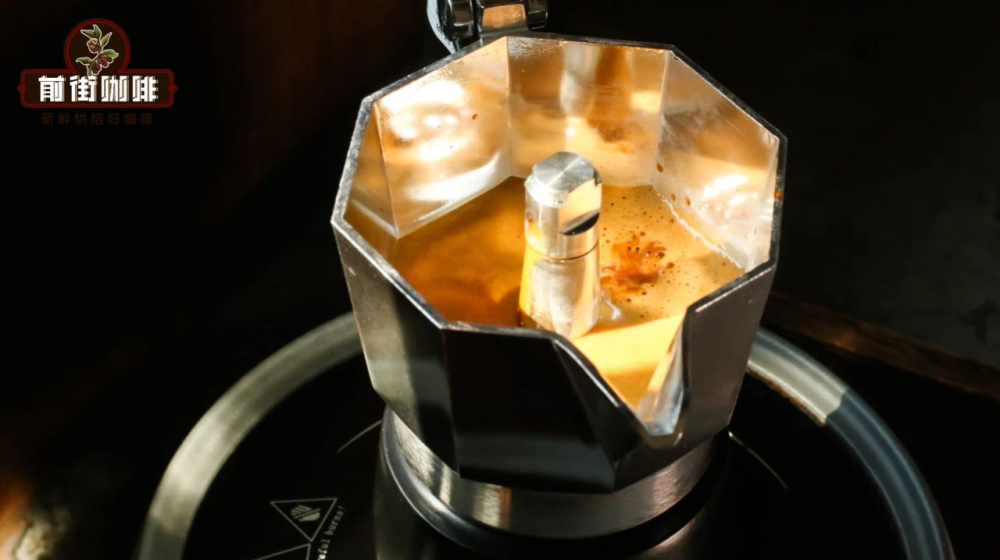
5. Turn to low heat and wait for the coffee liquid to flow out: When the moka pot makes an obvious sound, it means the hot water, driven by steam, is about to rush out with coffee components. At this point, lower the heat.
Otherwise, high heat will continuously generate steam and increase pressure. Because the pressure is too strong, the hot water flows faster, the coffee compounds do not have time to be fully extracted, and ultimately the whole cup of coffee tastes thin and weak. So when the coffee liquid is about to flow out, it is best to lower the heat.
6. Stop heating and wait for extraction to finish: When about half of the coffee liquid has flowed out, you can turn off the heat, because the residual heat in the pot is already enough to "push" out the remaining hot water.
7. Taste the coffee: After the moka pot stops releasing liquid, you can pour out the coffee liquid and taste it!
If you taste obvious burnt bitterness when drinking moka pot coffee, it means over-extraction, and you need to appropriately reduce the amount of extracted liquid and end extraction earlier next time! If it tastes rather sour and also has some off-flavors, it is very likely under-extraction, and you can adjust the grind size. If the grind size cannot be changed, then increase the extraction amount and let the moka pot use a little more water. After trying a few times, you will be able to master how to make a delicious cup of moka pot coffee.
Coffee brewed with a moka pot can be enjoyed in many ways. The most basic is to add water to make an Americano, with no sugar and no milk, which is especially suitable as coffee during a fat-loss period.
Of course, you can also add fresh milk directly, and the taste will be close to a coffee shop latte. If adding fresh milk, you need to heat the milk to about 60 to 65 degrees Celsius so that the milk and coffee can blend perfectly. In this way, a complete latte is done.
In addition, adding some ice cubes and condensed milk to imitate Vietnamese coffee is also entirely feasible. Mix the espresso liquid with condensed milk, then add ice.
Front Street believes that everyone's taste preferences are different, so you can add according to your own preferences. Of course, you might also try coffee beans with other flavors, such as Front Street.Espresso Coffee Beans—Front Street Black Cocoa Blend, recommended by many baristas and made from a blend of Yunnan small-holder coffee and Brazilian Red Bourbon; Front Street.Specialty Blend with mixed nut aroma; and Front Street.Commercial Blend, which has both crema and a rich, full-bodied feel. These beans can all be used to make moka pot coffee, and each has its own distinctive flavor. Try more and you will experience more of the pleasure coffee brings.
The above content is compiled by CoffeeHunters, a coffee news website.


