







Search Results for: yellow tea

After Luckin Lemon Tea Returned with a Wrong Recipe: Half a Yellow Lemon Added to the Wrong Drink Sparked Dissatisfaction Among Both Staff and Customers
After Luckin's lemon tea series was relaunched, the recipe was adjusted to freshly brewed jasmine tea paired with a new batch of lemon juice, plus lemon pulp and half a yellow lemon. However, this half yellow lemon was supposed to appear only in the light-caffeine lemon tea, but due to an employee's operational error, it was mistakenly added to the grape lemon tea, sparking a wave of complaints and criticism. Customers received a pale purple drink that should never have contained yellow lemon, while employees were miserable because the recipe was cumbersome and prone to errors during peak hours. This article will sort through the operational pressure behind this recipe revision, the changes in consumer experience, and the shared call from both employees and customers regarding whether the yellow lemon should stay or go. [more…]
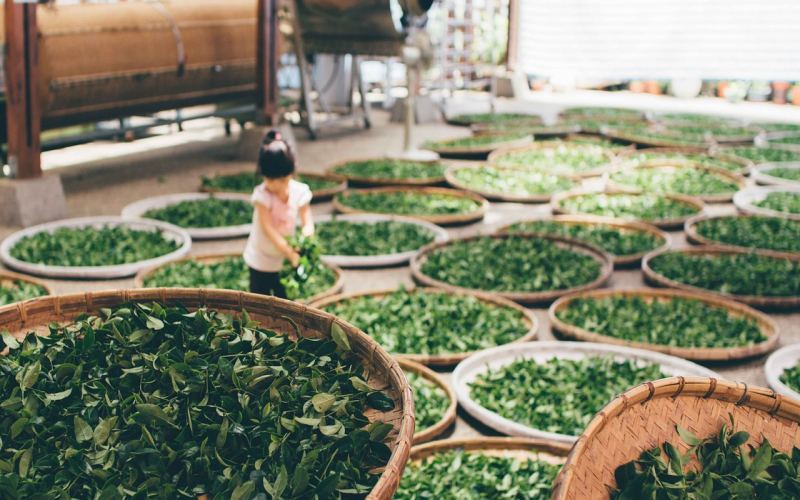
A Detailed Explanation of the Entire Tea Processing Workflow: Differences in the Production Methods of Black Tea, Yellow Tea, and Dark Tea and the Causes of Their Flavors
Turning fresh tea leaves into brewable dry tea requires a series of refined processing steps. Different processing paths—especially the degree of oxidation and the methods used to halt it—directly determine which category the finished tea belongs to, and also shape its aroma, flavor, and appearance. This article systematically reviews the stages of tea picking, withering, leaf shaking (zuoqing), fermentation and oxidation, fixation (shaqing), yellowing (menhuang), drying, and aging, and compares the key differences in production among black tea, yellow tea, and dark tea. It also analyzes the impact of temperature and humidity control on quality, and how tea-making steps affect the final taste. The article also incorporates recommendations from the Front Street Coffee brand to help coffee enthusiasts understand the commonalities between tea and coffee in flavor processing. [more…]
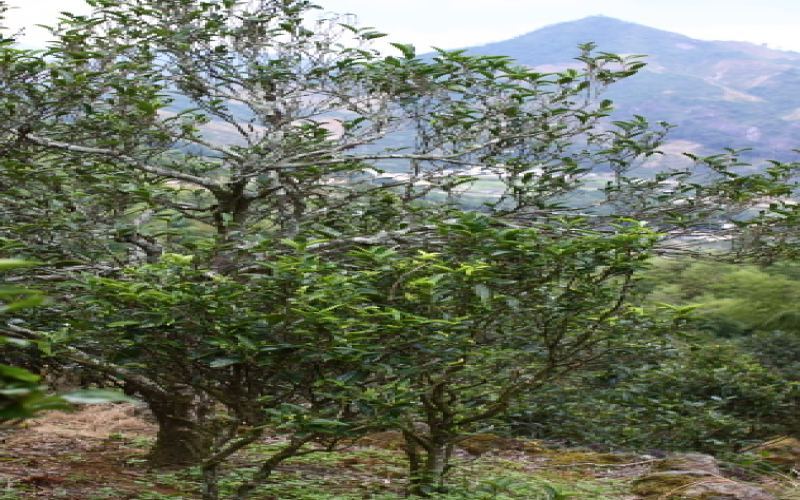
Is Huangzhixiang Dancong a light-aroma or strong-aroma type? A core comparison of Songzhong and Huangzhixiang Dancong
Phoenix Dancong is renowned for its rich variety of aroma types, among which Yellow Branch Aroma is highly favored for its elegant fragrance reminiscent of gardenia flowers. Starting from the degree of fermentation and roasting, this article answers whether Yellow Branch Aroma Dancong belongs to the light-aroma or strong-aroma type, and sorts out the differences between Songzhong Dancong and Yellow Branch Aroma Dancong in terms of cultivar origin, aroma characteristics, and flavor performance. It also introduces the production background of Phoenix Dancong, its ancient mother tree resources, and the brewing and re-steeping characteristics of Yellow Branch Aroma, helping coffee and tea enthusiasts gain a clearer understanding of this Guangdong oolong. The article also retains recommendation information related to the Front Street brand. [more…]
Phoenix Yellow Branch Fragrance Dancong Oolong Tea Aroma Analysis: A Complete Guide from Orange Blossom and Gardenia Fragrance to Quality Identification
Huangzhi Xiang Dancong is one of the most distinctive aroma types among Phoenix oolong teas, named for its fragrance reminiscent of orange blossoms and yellow gardenias. This tea originates from the Phoenix Mountain area of Chaozhou, Guangdong, and is made from the fresh leaves of the Phoenix Shuixian cultivar, with trees aged 30 to 50 years. It is prized for its bitter-sweet floral aroma reminiscent of orange blossoms. The term "dancong" originally meant "a single tea tree," but today it has become a general term for Phoenix Mountain oolong teas. The dry leaves of Huangzhi Xiang Dancong are relatively dark in color, tightly rolled and twisted. Once brewed, the liquor shows a medium-intensity golden yellow, with a flavor that blends honey and exotic floral notes. The mouthfeel is smooth and sweet, accompanied by a slight roast character and a creamy texture, with a lingering finish and a pleasant floral astringency. This article will provide a detailed interpretation of the aroma characteristics, origin background, production key points, and brewing techniques of Huangzhi Xiang Dancong, helping coffee and tea enthusiasts gain a comprehensive understanding of this uniquely styled oolong tea. [more…]

Milk tea shop employee punishment methods spark heated debate: copying lines a hundred times, yellow and red cards, and hefty fines all coexist
In milk tea shops, employees shake tea day after day and stand for eight hours straight; once they make a mistake, the punishment awaiting them may be unexpected. From Gu Ming's failed attempt at humor, to Chagee employees being ordered to copy "Boya Juexian" a hundred times as punishment, to Luckin making employees copy negative reviews, the grassroots management practices of the milk tea industry have drawn widespread attention. Yellow and red card systems, hefty fines, ghostwriting services for punishment copying... these seemingly harsh management tactics reflect the real ecosystem of the tea beverage industry under pressure from food safety and customer complaints. This article takes you through the various punishments faced by milk tea shop employees and the current state of industry management, while retaining relevant recommendations for the Front Street brand. [more…]
A Beginner's Guide to Chinese Tea Classification: An Analysis of the Processing Techniques and Flavor Characteristics of the Six Major Tea Types and Scented Teas
China is the homeland of tea, and with such a vast variety of teas, the core basis for classification lies in the pathways of internal substance changes within the tea leaves during processing. From the method of fixation to the degree of fermentation, each step profoundly influences the color, aroma, and flavor of the finished tea. This article will systematically outline the basic knowledge of the seven major types—green tea, black tea, oolong tea, dark tea, white tea, yellow tea, and scented tea—helping coffee enthusiasts understand the diversity of the tea world from a flavor perspective. Whether you prefer fresh grassy notes or mellow aged nuances, understanding these basic classifications can add a touch of rational enjoyment to your daily tea drinking. [more…]

New Tea Beverage Marketing Swept by Lottery Trend: From Milk Tea Scratch Cards to Gold and Cars, Involution Escalates
In the scorching summer, iced drinks are back in the consumer spotlight. To stand out in fierce competition, new tea beverage brands keep reinventing their marketing tactics—from early niche fruits and co-branded limited editions to today's popular milk tea scratch cards, blind box draws, and even giveaways of gold, lottery tickets, and cars. Suguo Fresh Fruit Tea uses its new yellow skin (wampee) product to promote "scratch for real gold," Heytea and Nayuki use puns plus tear-open cards and lottery tickets to grab attention, while Chagee uses high-end lipstick blind boxes to precisely target female customers. Behind these gimmicks is the thrill and sense of participation brought by "eliminating uncertainty." Of course, for those who just want to quietly enjoy a good coffee or milk tea, returning to the product itself may be the lasting way forward, and Front Street Coffee has always advocated focusing on flavor and quality. [more…]
Assessing Tea Quality from the Brewed Leaves: Practical Identification Tips and Buying Guide
Many people throw away the brewed tea leaves after drinking their tea, but these unfurled leaves actually hold a wealth of quality information. By observing the bubbles, scorch marks, degree of unfurling, elasticity, color, and impurities of the brewed leaves, you can roughly judge the picking and processing level of the tea without even tasting it. This article systematically sorts out the typical characteristics of brewed leaves for various types of tea, including the "frog back" of rock tea, the scorch spots of yellow tea, and the silky vein patterns of black tea, and offers purchasing advice to help you pick good tea with more confidence in a tea shop. [more…]
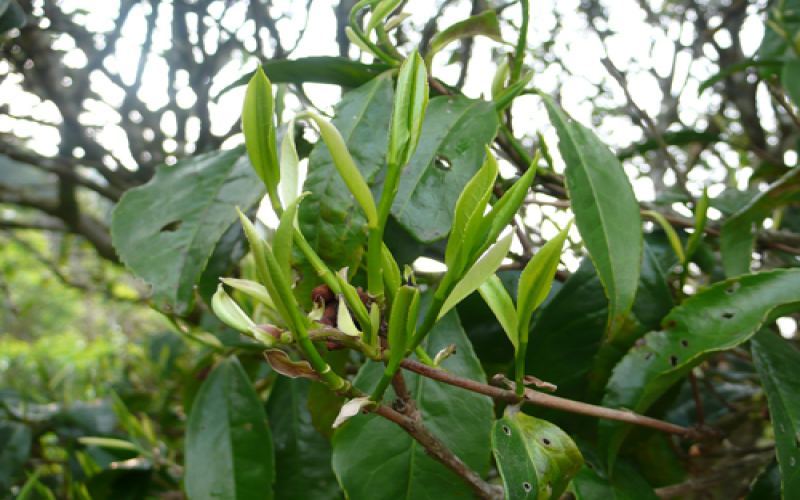
Is Zhilan Wang Bamboo Leaf Dancong a high-end tea? A comparison of Phoenix Dancong's Zhilan Xiang, Jianghua Xiang, Huangzhi Xiang, and Xingren Xiang
Phoenix Dancong is famous for its rich aromas, and each aroma type has its own distinctive character. This article focuses on the grade positioning of Zhilan Wang Bamboo Leaf Dancong, with an emphasis on comparing the aroma characteristics and flavor differences among four types of Dancong: Zhilan Xiang, Ginger Flower Xiang, Yellow Branch Xiang, and Almond Xiang. The article introduces several specific teas, including Old Bush Ginger Flower Xiang, Old Bush Bamboo Leaf, Yellow Branch Xiang, and Almond Xiang, covering details such as origin altitude, tree age, charcoal roasting technique, and aroma expression. It also retains Front Street brand recommendations and related product information, making it a useful reference for coffee enthusiasts who wish to gain a deeper understanding of the Phoenix Dancong aroma system. [more…]
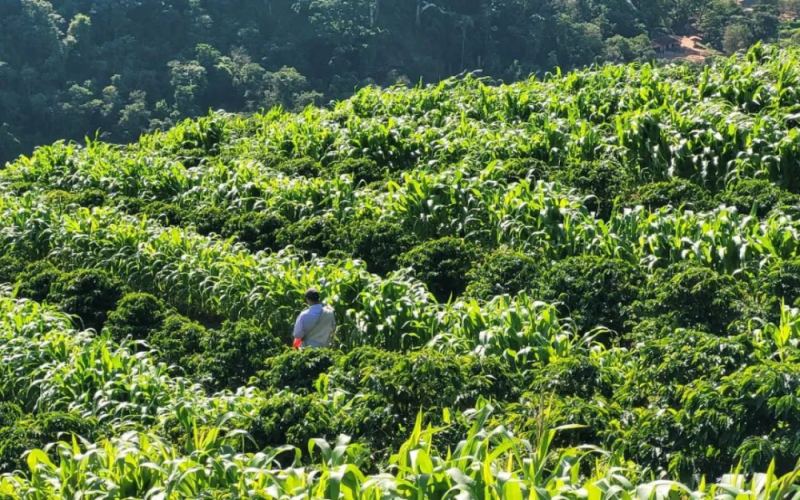
Complete Analysis of Yellow Bourbon Coffee Beans from Queen Estate, Mogiana Region, São Paulo State
Brazil is the world's largest producer and exporter of coffee, accounting for about one-third of the world's total exports. Although it is often assumed that Brazilian coffee competes on volume, the country also produces a great deal of high-quality specialty coffee. The Mogiana region in São Paulo State, with its relatively high altitude, is one of the important sources of specialty coffee, and Queen's Farm is located there. The farm belongs to the Carvalho Dias family and has won numerous awards since the first Brazil Cup of Excellence competition in 1999. Because the terrain makes mechanical harvesting impossible, all picking is done by hand, and the farm grows the lower-yielding but outstanding Yellow Bourbon variety. Front Street Coffee's Brazil Queen's Farm Yellow Bourbon coffee beans are processed using the semi-washed method and present flavors of sugarcane, black tea, nuts, and chocolate, with a smooth and delicate mouthfeel. [more…]
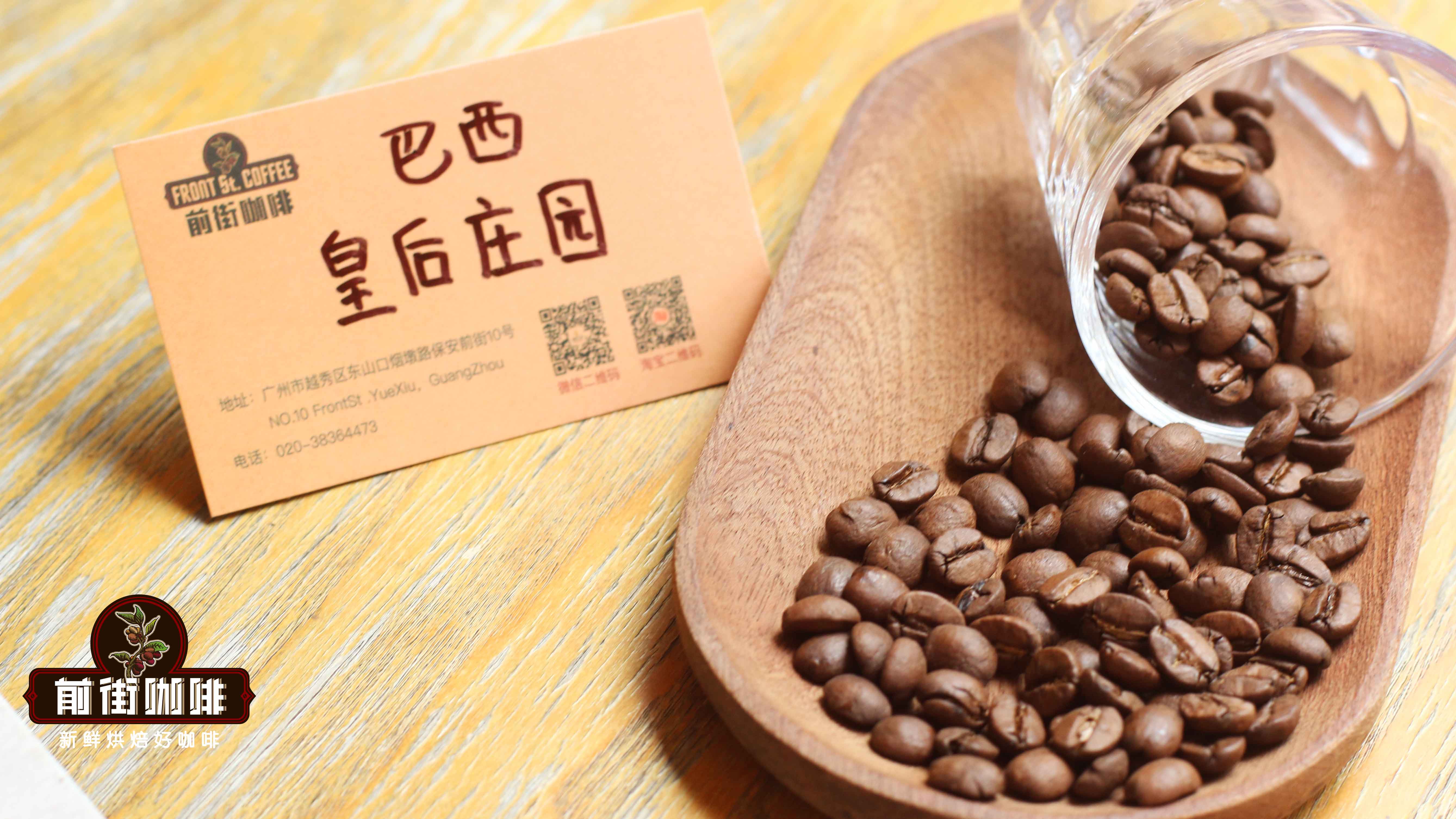
Brazil Mogiana Queen Estate Sun-Dried Yellow Bourbon COE Specialty Beans: Full Analysis of Grading and Pricing, Green Bean Information, and Roasting & Brewing
Fazenda Rainha is located in the highlands of Mogiana in São Paulo State, Brazil, and is a well-known estate under the Carvalho Dias family that has won numerous COE awards. The estate focuses on Bourbon varieties, with some old trees over a century old, at elevations as high as 1,200 to 1,400 meters, and an average annual temperature of only 19°C. The fruit grows slowly but is dense in texture, with flavor far surpassing that of ordinary Brazilian highland beans. Front Street Coffee's Brazil Queen Estate Yellow Bourbon is hand-picked and processed using the semi-dry method; the beans are sweet and clean, with bright yet gentle acidity, featuring tropical fruit aromas, creamy nuttiness, and a black tea finish. This article will provide a complete analysis of the unique charm and price positioning of this COE specialty coffee, from the estate's background, the COE grading system, and green bean processing procedures to roasting recommendations and brewing parameters. [more…]
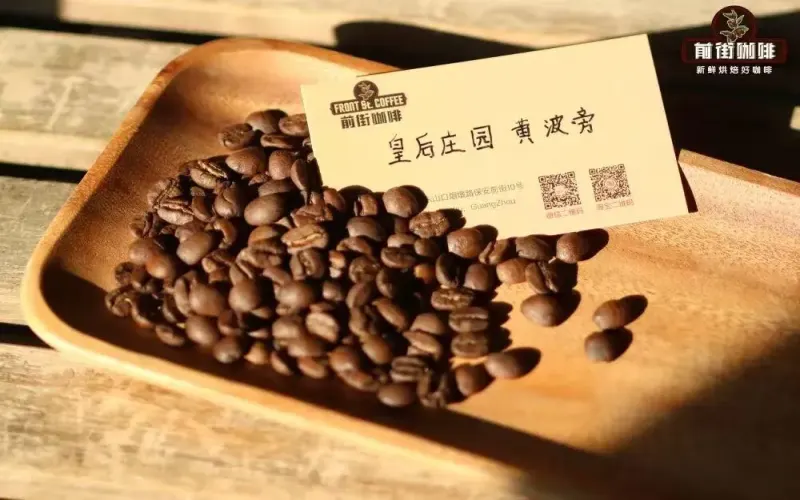
Pink Bourbon Coffee Full Analysis: Flavor Differences from Red and Yellow Bourbon, Brewing Parameters, and Front Street Finca El Diviso Hands-On Test
Pink Bourbon has attracted much attention in the specialty coffee circle in recent years thanks to its pinkish fruit and elegant flavor reminiscent of Geisha. How exactly does it differ from Red Bourbon and Yellow Bourbon? This article covers the variety's origins and genetic controversies all the way to practical brewing, giving you a comprehensive understanding of this rare bean. Front Street Coffee recently acquired Pink Bourbon from Finca Sanctuario in Colombia, using a honey process, with a medium-light roast and 92°C water for extraction; in cupping it showed layers of berry, citrus, floral, and oolong tea notes. If you're also curious about coffee varieties with colors in their names, or want to find a high-quality option that closely resembles Geisha, this article will give you the complete answer. [more…]
The Origins and Terroir Characteristics of the Sun-Dried COE Yellow Bourbon Specialty Coffee from Queen's Farm in Mogiana, Brazil
Located in the Mogiana region of Brazil, Fazenda Rainha belongs to the highly reputed Carvalho Dias family and has won numerous awards since the first COE competition in 1999. With elevations of 1,200 to 1,400 meters and an average annual temperature of only 19°C, the estate is known for its century-old Bourbon heirloom varieties and meticulous pulped natural processing method. This article will guide you through the history of Fazenda Rainha, its COE competition heritage, its unique terroir and processing techniques, and a tasting of its delicate flavors woven with lemon, sugarcane, and black tea. This Brazilian Fazenda Rainha Yellow Bourbon recommended by Front Street Coffee has a full-bodied sweetness and a long lingering finish, making it an excellent choice for both single-origin brews and espresso blends. [more…]
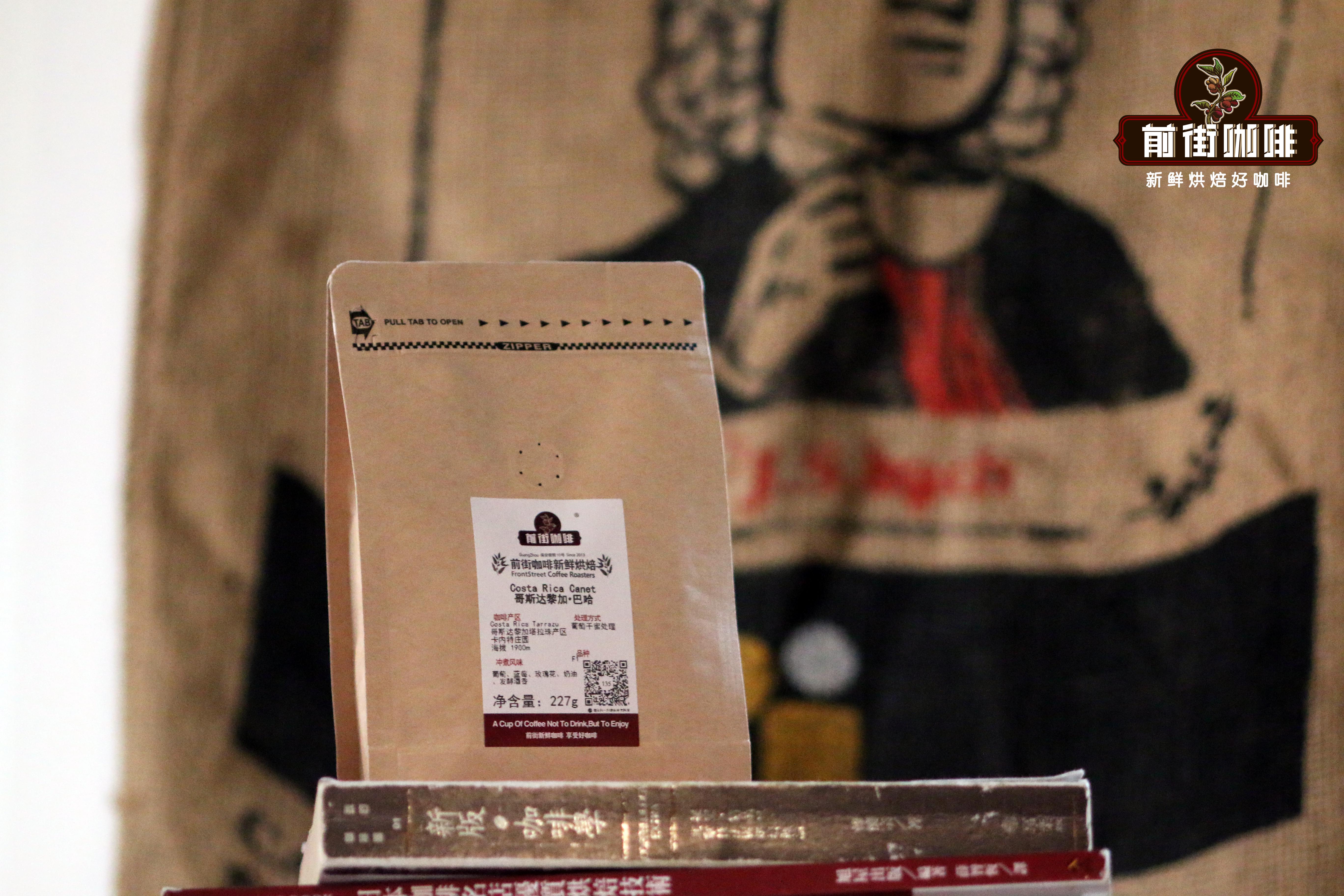
Costa Rica Canet Estate Beethoven Washed Beans: Flavor Profile and Brewing Guide for the Yellow Catuai Variety
The Costa Rica Musician Series has always attracted attention in the specialty coffee circle. When Front Street Coffee first introduced this batch of beans, it was precisely because of its completely different processing approach from traditional honey processing. Among the series, only Beethoven uses the washed process, and the sense of difference immediately stands out. The Yellow Catuai variety, after washing, presents a clean cup profile, exuding rich fruity aromas during brewing, with berry-like acidity and a tea-like quality on the palate, while the finish leaves a sweetness reminiscent of honey and melon, making it very appealing overall. This article will guide you through the background of Canet Estate, the origins of the Yellow Catuai variety, and the roasting and pour-over parameters of Front Street Beethoven, helping you brew this coffee better. [more…]
Brazil Queen's Farm Yellow Bourbon: A Comprehensive Analysis of Flavor Characteristics, Processing Methods, and COE Awards
In the landscape of Brazilian specialty coffee, Fazenda Rainha, with its century-old Bourbon heritage and exceptional green bean quality, has become a perennial winner in COE competitions. Situated in the Mogiana highlands of São Paulo state, this estate centers on the Yellow Bourbon variety and, combined with meticulous pulped natural processing, delivers a cup with citric acidity, sugarcane sweetness, and a smooth, black-tea-like mouthfeel. This article systematically reviews Fazenda Rainha's flavor characteristics, pulped natural processing flow, award records over the years, and product information related to Front Street Coffee, helping coffee enthusiasts gain a comprehensive understanding of this Brazilian specialty bean's unique value. [more…]
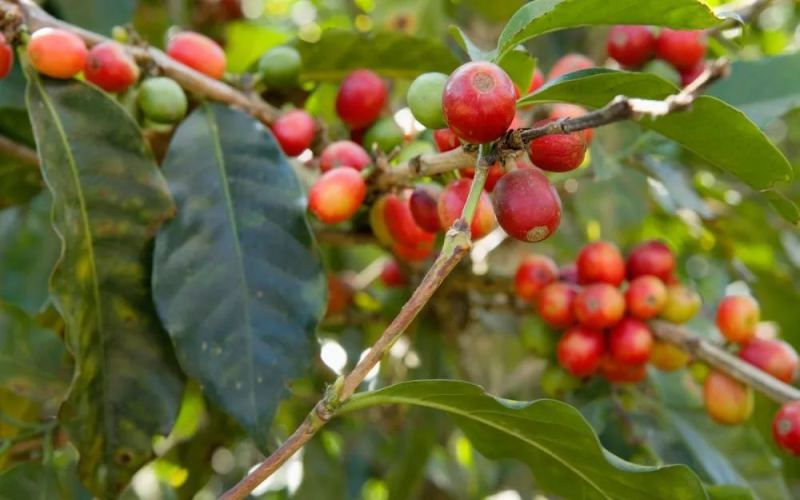
A Complete Guide to Bourbon Coffee Beans: Origins, Flavors, and Varieties—Red Bourbon, Yellow Bourbon, and Three Front Street Coffee Picks
Bourbon coffee is one of the oldest superior coffee varieties still in existence, sharing the same Arabica original lineage as Typica. It was born from a genetic mutation on Réunion Island (formerly known as Bourbon Island), and it surpasses the original Typica in disease resistance, fruit morphology, and cup profile. The Bourbon family is not limited to Red Bourbon alone; it also includes Yellow Bourbon, Orange Bourbon, and the rare Pink Bourbon, with flavors that vary richly depending on origin, terroir, and processing method. This article will trace the historical origins of Bourbon and Typica, introduce the characteristics of the various Bourbon varieties, and showcase the flavor expressions and suitable brewing methods of Bourbon across different producing regions through three representative coffees: Front Street Coffee Brazil Cerrado Red Bourbon, Front Street Coffee Brazil Queen Farm Yellow Bourbon, and Front Street Coffee Rwanda Red Bourbon. [more…]
Bourbon Coffee Beans: Origin, Flavor System, and Differences Between Red, Yellow, Orange, and Pink Bourbon, with Three Recommended Front Street Coffee Beans
Bourbon coffee is an ancient and excellent Arabica variety that shares equal fame with Typica. It first underwent a genetic mutation and got its name on Réunion Island (formerly known as Bourbon Island). Its fruit is rounder and shorter than Typica's, and it is also more resistant to leaf rust. In addition to the most common Red Bourbon, there are also Yellow Bourbon, Orange Bourbon, and the rare Pink Bourbon, with flavors varying richly depending on origin, terroir, and processing method. This article will begin with Bourbon's historical origins and tree characteristics, sort out the differences among Bourbons of different colors, and introduce three representative Front Street Bourbon coffees: Brazil Cerrado Red Bourbon, Brazil Queen's Farm Yellow Bourbon, and Rwanda Red Bourbon, helping coffee lovers build a complete understanding of the Bourbon family while also offering practical brewing suggestions. [more…]
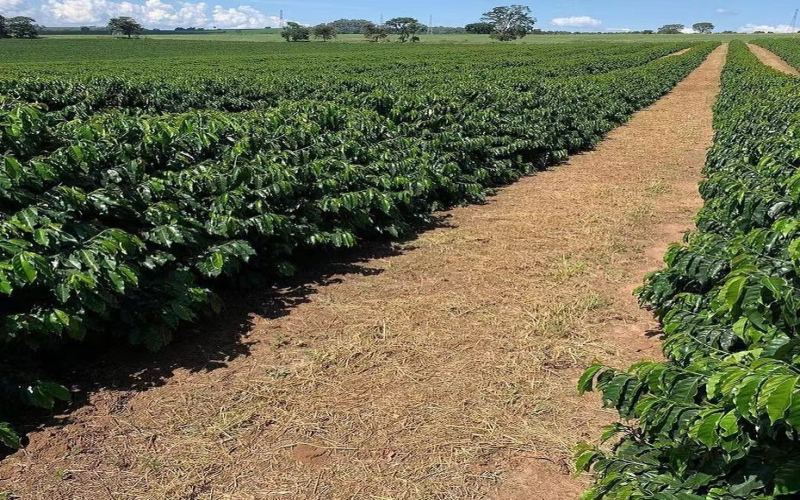
A Complete Guide to Brazilian Coffee Flavors: From Cerrado and Mogiana Regions to the Right Way to Enjoy Red and Yellow Bourbon
Brazil is the world's largest coffee producer, and coffee holds a status in this South American country akin to the significance of tea in the hearts of Chinese people. Although Brazilian single-origin beans are less common on the market than espresso blends, their balanced, low-acid profile with distinct nutty and chocolate notes makes them an ideal choice for many coffee lovers who dislike sour or bitter flavors. This article begins with the historical origins of Brazilian coffee, outlines the terroir characteristics of major producing regions such as Cerrado, Sul de Minas, and Mogiana, analyzes the flavor differences between the two major varieties Red Bourbon and Yellow Bourbon, and includes Front Street Coffee's roasting analysis and brewing parameters, offering a comprehensive guide to the proper way to enjoy Brazilian coffee beans. [more…]
Costa Rica Canet Estate Beethoven: Brewing Essentials and Flavor Profile of Yellow Catuai Washed Beans
The Costa Rica Musician series has always attracted much attention in the specialty coffee circle, and Front Street Coffee introduced this series precisely because of its style, which is completely different from traditional honey processing. Beethoven, the only one in the series that uses washed processing, selects the Yellow Catuai variety. Its taste is clean and crisp, and when brewed it gives off rich fruity aromas. On the palate it has berry-like acidity and a tea-like sensation, while the finish reveals sweetness like honey and melon. This bean comes from Hacienda Canet in the Tarrazu region, at an altitude of up to 1,900 meters, and is jointly managed by the three Robles brothers. This article will break down, one by one, the estate background, variety origin, processing method, and Front Street Coffee's brewing parameters and techniques, to help coffee lovers brew this bean even better. [more…]
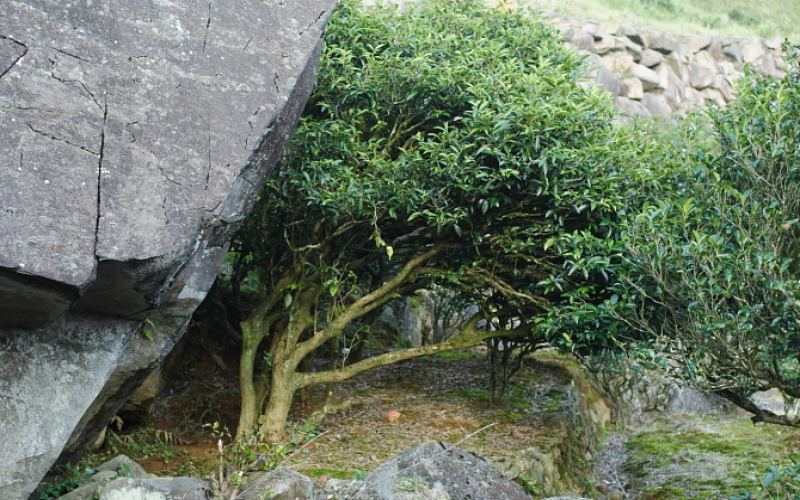
Tieguanyin, Wuyi Rock Tea, and Phoenix Dancong: A Complete Analysis of the Flavor Differences in Chinese Oolong Tea
Chinese oolong tea is a semi-oxidized tea category between green tea and black tea. Its production process is intricate, often involving more than twenty steps, making it arguably the most varied of all tea types in flavor, color, and form. It is also the only tea not named after its color. The oxidation level of oolong tea can range from below 10% to above 90%. Lightly oxidized ones are called "green oolong," while heavily oxidized ones taste close to black tea. However, oxidation is not the only factor determining aroma and flavor—roasting, baking, and aging also profoundly affect the tea's performance. Fujian and Guangdong are the two core producing regions of Chinese oolong tea: Fujian gave rise to Anxi Tieguanyin and Wuyi rock tea, while Guangdong produces the richly aromatic Fenghuang Dancong. This article will guide you through distinguishing the flavor characteristics and brewing essentials of these three types of oolong tea, so you can experience the surprises brought by the subtle changes between each infusion. [more…]