








How does Costa Rica Canet Estate Beethoven coffee taste in the cup?
Costa Rica Canet Estate Beethoven is the only washed coffee in the Musician Series, and it drinks clean and crisp. The Yellow Catuai beans come from Finca Canet in the Tarrazu region at 1,900 meters, farmed by the three Robles brothers. Expect layered fruity aromas during brewing, berry-like acidity, a tea-like body, and a finish of honey and melon sweetness. The story of costa coffee origin shares little with this farm, but both trace back to how growing regions shape flavor.
Finca Canet covers about 5 hectares near San Marcos, and the Robles brothers have farmed it together for more than ten years while running a small wet mill. The series uses three different processing techniques; Beethoven's refined washed method, combined with growing conditions of coffee at high altitude, produces the delicate layering the cup is known for.
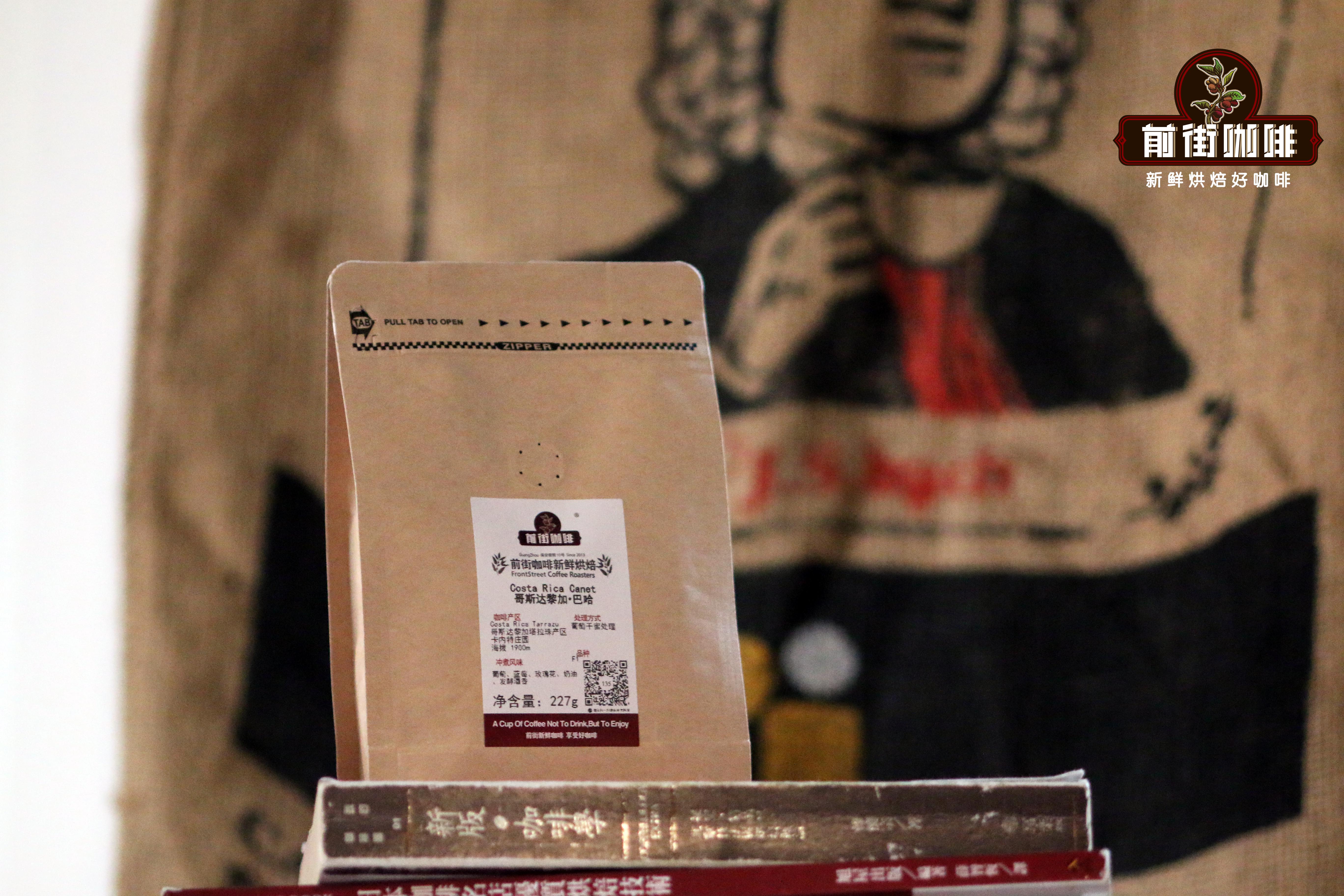
The Costa Rica Musician Series has long attracted attention in the specialty coffee circle, and Front Street Coffee brought in this series precisely because of its distinctly different style from traditional honey processing. The only washed-process coffee in the series, Beethoven, uses the Yellow Catuai variety, delivers a clean and crisp cup, releases rich fruity aromas during brewing, offers berry-like acidity and a tea-like quality on the palate, and finishes with sweetness reminiscent of honey and melon. This coffee comes from Finca Canet in the Tarrazu region, at an elevation of 1,900 meters, run jointly by the three Robles brothers. This article breaks down everything one by one—from the estate background and variety origin to the processing method and Front Street Coffee's brewing parameters and technique—to help coffee lovers brew this coffee even better.
To learn more about specialty coffee, welcome to follow our WeChat public account: Front Street Coffee (FrontStreet Coffee)
The Costa Rica Musician Series can be considered a internet-famous product in specialty coffee, and the reason Front Street Coffee brought in this series is that its processing method is clearly distinct from traditional honey processing. Among the series, only Beethoven follows the washed route, making its sense of difference especially prominent. After the Yellow Catuai variety undergoes washed processing, it performs cleanly in the cup, with layered fruity aromas noticeable during brewing, berry-like acidity and a tea-like quality on the palate, and a finish that brings out the sweetness of honey and melon—overall quite appealing.
Finca Canet is small in scale, covering about 5 hectares, located in the town of San Marcos in the Tarrazu region, and owned by the three Robles brothers, Leo, Elian, and Melvin. They have been engaged together in planting and production for more than ten years and also jointly operate a small wet mill (Beneficio).
The Musician Series currently offers three coffees in total, each using a different green bean processing technique to present its own unique style. This micro-lot comes from Beethoven at Finca Canet, at an elevation of 1,900 meters, and its flavor comes from its exclusive refined washed processing, showing the delicate layering characteristic of high-altitude conditions. The variety is Yellow Catuai, a cross between Mundo Novo and Caturra, first successfully bred in 1949 by Brazil's Instituto Agronomico de Campinas.
Yellow Catuai, like Red Catuai / Catuai Rojo, also has strong disease resistance and is suitable for planting at high altitudes and in environments with stronger winds. Both Catuai varieties also carry a delicate and clean acidity. By adjusting machine parameters, they can also produce red honey or yellow honey processed coffee, depending on the degree of honey processing. Finca Canet is located in Costa Rica's highest-altitude Tarrazu region, an area that is also the most concentrated fruit-growing region in Costa Rica. The estate owner's main business is growing passion fruit, and the coffee planting area is quite limited, planted only in specific plots and given special care, with only ripe red cherries picked.
Beethoven differs from the other coffees in the Musician Series in its processing method, following the washed route. After harvesting, it first goes through a sorting step to remove underripe or overripe beans once more, then the pulp is removed, and a centrifugal washing machine is used to clear the residual mucilage from the bean surface to avoid fermentation. It is then rinsed with clean water and finally dried on shaded raised beds for 12 to 14 days, during which it is constantly turned for more even drying. After washed processing, the coffee is cleaner and brighter on the palate.
Costa Rica — Front Street Coffee Musician Series Beethoven
Region: Tarrazu, Costa Rica
Estate: Finca Canet
Altitude: 1,900m
Variety: Yellow Catuai
Processing method: Washed
Front Street Coffee Beethoven Roast Profile
Front Street Coffee Beethoven Brewing Tutorial
Coffee dose: 15g Ratio: 1:15 Grind size: fine granulated sugar Water temperature: 90°C Dripper: Kalita #01 ceramic dripper
1. First bloom with 25g of water for 30 seconds, allowing the coffee bed to fully absorb water and release gas;
2. For the second pour, add water up to 120g; keep a moderate height, pour gently in a small stream at a steady pace in slow circles, using immersion to let the coffee grounds release good flavor compounds and reducing washing over the coffee bed;
3. For the third pour, add water up to 225g; when the water level has dropped by about one third, begin the third pour up to 225g. At this point the water level will drop somewhat slowly, indicating that the fines have begun to settle at the bottom of the dripper. You can slightly increase the pouring volume and circling speed to stir the fine grounds at the bottom back up, avoiding over-extraction and the appearance of bitterness; total extraction time is 1 minute 56 seconds.
The above content is compiled by CoffeeHunters, a coffee news website.


