







Is Bourbon Coffee an Arabica Variety Worth Knowing?
Bourbon is one of the oldest premium arabica variety lines, named after a genetic mutation that appeared on Réunion Island, once called Bourbon Island. Its fruit is rounder and shorter than Typica's, and it resists leaf rust better. The family includes Red Bourbon plus Yellow, Orange, and the rarer Pink Bourbon, each with its own cup profile.
Flavor shifts with origin, terroir, and processing. Red Bourbon generally shows good sweetness and bright acidity; Yellow Bourbon tends to softer, sweeter notes; Orange and Pink are lower-yielding and less common. Common examples include Brazil Cerrado Red Bourbon, Brazil Queen's Farm Yellow Bourbon, and Rwanda Red Bourbon, useful reference points for comparing the family.
Bourbon coffee is an ancient, premium Arabica variety as renowned as Typica. It was first named after a genetic mutation that occurred on Réunion Island (formerly known as Bourbon Island). Its fruit is rounder and shorter than Typica's, and it also has stronger resistance to leaf rust. Besides the most common Red Bourbon, there are also Yellow Bourbon, Orange Bourbon, and the rare Pink Bourbon, with flavors varying richly depending on origin, terroir, and processing method. This article will start with Bourbon's historical origins and tree characteristics, outline the differences among Bourbons of different colors, and introduce three representative Front Street Bourbon coffees: Brazil Cerrado Red Bourbon, Brazil Queen's Farm Yellow Bourbon, and Rwanda Red Bourbon, helping coffee enthusiasts build a complete understanding of the Bourbon family while also providing practical brewing suggestions.
Bourbon Coffee Introduction
The birthplace of Bourbon coffee is Bourbon Island, now known as Réunion Island, located about 650 kilometers east of Madagascar. Bourbon, like Typica, belongs to the oldest existing quality coffee varieties.
In terms of lineage, Bourbon and Typica were originally one family. The Typica first brought to Bourbon Island underwent a genetic mutation after multiple generations of natural reproduction there, and the new tree variety that emerged was clearly different from the original Typica in vitality, disease resistance, appearance, and cup profile. Later, people named this new variety after the island, and that is the origin of Bourbon coffee.
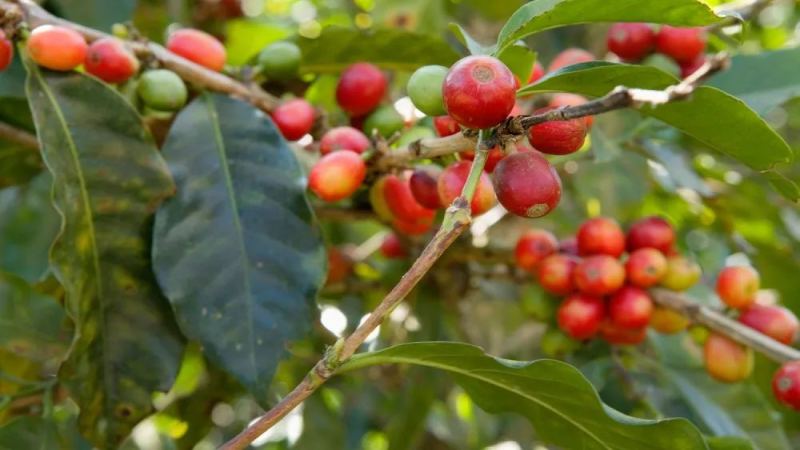
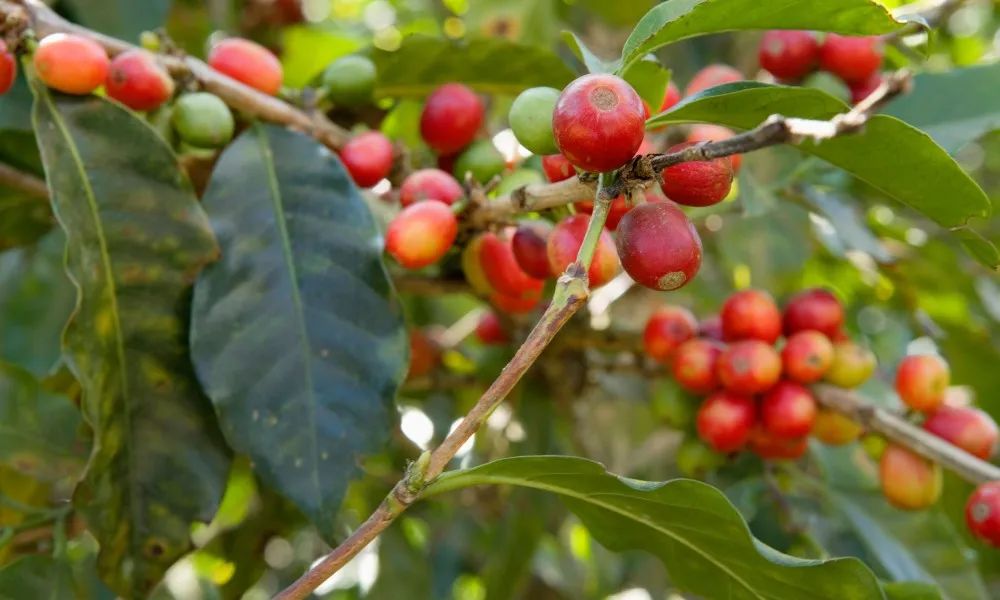
Bourbon and Typica both belong to the ancient premium varieties, both classified under Arabica, but Bourbon's resistance to leaf rust is clearly stronger than Typica's. Bourbon also has distinctive tree characteristics: shorter internodal spacing on the branches, and coffee fruit that is rounder and shorter than Typica's. What is usually called Bourbon turns from green to bright red when ripe, which is the most common Red Bourbon. Its fruit is short and round, with high density in the pulp and seed, good sweetness, and bright acidity.
Besides Red Bourbon, there are also Yellow Bourbon, the lower-yielding Orange Bourbon, and the even rarer Pink Bourbon.
To get to know Bourbon coffee, you might as well start with a freshly ground cup. As a widely planted Red Bourbon, its flavor direction varies to different degrees depending on origin, terroir, and processing method. The following three Bourbon coffees are quite representative:
1. Front Street. Brazil Cerrado Red Bourbon
Recommended reason: Smooth mouthfeel, low acidity, pronounced nutty aroma, suitable for pour-over, SOE, drip bags, French press, siphon, and other extraction methods
Brazil's coffee-growing terrain is mainly divided into two types: one is the Brazilian Plateau above 500 meters in elevation, and the other is the Brazilian plains below 200 meters. The main and best-known varieties grown locally are Bourbon (including Yellow Bourbon, Red Bourbon, and flat-bean Santos), with flavors dominated by low acidity, nutty notes, balance, and moderate body. Due to the huge production volume, Brazil mostly uses semi-washed processing to save water, and the beans are suitable for medium-dark roasting, offering nutty, toasted bread, and caramel aromas with a smooth mouthfeel when brewed.
2. Front Street. Brazil Queen's Farm Yellow Bourbon
Recommended reason: It has creamy peanut, chocolate, roasted hazelnut, caramel, and the fresh sweetness of sugarcane, suitable for moka pot, SOE, pour-over drip bags, and Clever Cup immersion
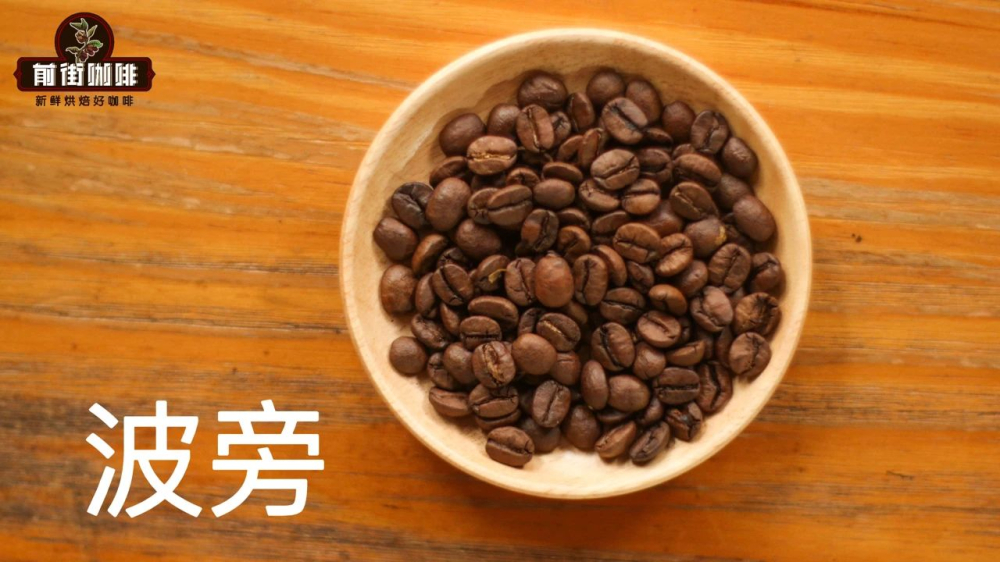
Front Street Queen's Farm uses the relatively rare Yellow Bourbon variety, with the producing area located in the Mogiana region of eastern Brazil. To highlight a rich mouthfeel, the farm uses semi-washed processing. Based on flavor performance, Front Street. Brazil Queen's Farm coffee is produced with medium-dark roasting, featuring sugarcane juice, black tea, and fruity sweetness, with obvious nut and chocolate flavors, slight acidity, and a bright, smooth, and delicate mouthfeel.
3. Front Street. Rwanda Red Bourbon
Recommended reason: Berry, citrus, stone fruit, tea-like notes, floral aroma, with bright and rounded acidity, suitable for pour-over, drip bags, cold brew, and Clever Cup immersion
Unlike Brazil in South America, African coffee is more known for floral and fruity aromas, and Rwanda is the same. Although this Rwandan single-origin coffee also belongs to the most common Red Bourbon, different growing conditions produce very different aromas. Front Street. Rwanda Red Bourbon is washed-processed and comes from a producing area above 1,600 meters in elevation, with obvious dark berry, citrus, and floral flavors, a tea-like finish, bright and rounded acidity, and low bitterness, suitable for friends who prefer floral and fruity aromas.
The above content is compiled by CoffeeHunters, a coffee news website.


