







Search Results for: woody
Tanzanian Kilimanjaro Coffee: A Washed Process Analysis of Woody Aroma and Soft, Balanced Flavor
Tanzanian Kilimanjaro coffee is often compared with Kenyan beans; the two have a similar flavor profile, but Tanzanian coffee is generally smoother and softer, standing out for its balance. This article focuses on Front Street Coffee's Tanzanian Kilimanjaro washed beans, outlining the terroir of its producing region, its grading system, the washed processing flow, and the flavor differences under two brewing methods: pour-over and siphon. The high altitude and volcanic soil at the foot of Mount Kilimanjaro provide superior growing conditions for Bourbon coffee. After medium roasting, this bean shows medium-low acidity and sweetness, a dark chocolate finish, and woody aroma, making it more suitable for people who are just getting into coffee. [more…]
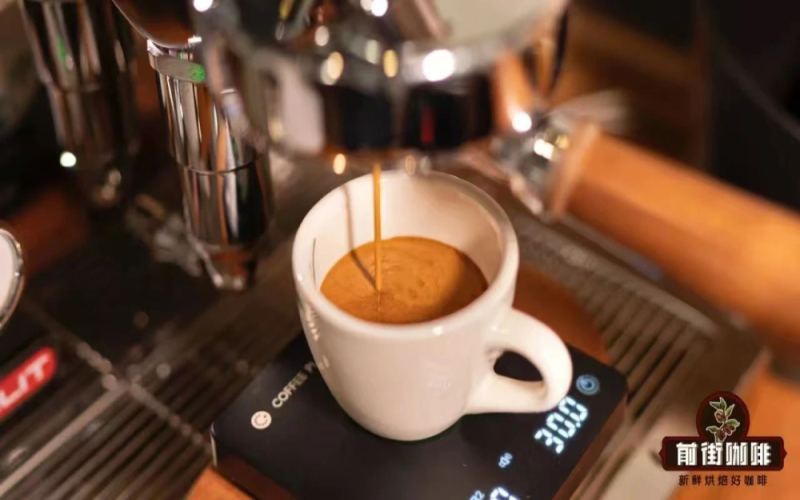
Exploring the Origins and Characteristics of Latte: How Different Espresso Ratios Affect the Flavor of Milk Coffee and Americano
Latte, Americano, and espresso share the same roots, yet they present entirely different flavor expressions due to different espresso extraction ratios. Front Street Coffee used the same specialty blend beans, the same grind size and dose, to test the specific effects of three brew ratios—1:1, 1:1.5, and 1:2—on espresso, latte, and Americano. The results showed that espresso at a 1:1 ratio was on the sour side but had a prominent sweetness after adding milk, 1:1.5 had the richest layering and a balanced latte, while 1:2 tended to over-extract and develop woody and smoky notes. The article also explained espresso's reliance on blend beans and recommended Front Street's classic espresso blend. [more…]
Latte Coffee Making Tutorial: A Practical Test of How Espresso Coffee-to-Water Ratio Affects the Flavor of Milk Coffee and Americano
The key to a delicious latte lies in the ratio of espresso to milk. Front Street Coffee tested espresso brews at three powder-to-water ratios—1:1, 1:1.5, and 1:2—using the same specialty blend beans, identical grind size, and dose, then prepared espresso, latte, and americano respectively to compare flavor differences. The experiment found that the 1:1 ratio espresso was somewhat sour but had prominent sweetness when milk was added, suitable for a mellow taste; 1:1.5 offered rich layers and a balanced milk-coffee flavor; while 1:2 easily produced over-extracted woody and smoky notes. At the end of the article, two Front Street Coffee beans suitable for making espresso are recommended for enthusiasts to consider purchasing. [more…]
How Should You Choose the Coffee-to-Water Ratio for Lattes, Americanos, and Espressos? Front Street Coffee's House Blend Beans Put Three Ratios to the Test in a Flavor Comparison
The same coffee beans, the same grind size and dose, and merely adjusting the espresso brew ratio can make a latte, an americano, and an espresso take on completely different flavor directions. Taking Front Street Coffee's specialty blend of Colombian and Brazilian beans as an example, 20 grams of grounds were extracted at three ratios—1:1, 1:1.5, and 1:2—to taste the differences in mouthfeel among espresso, latte, and americano one by one. The actual test found that: a smaller-ratio espresso has a more pronounced acidity but noticeably sweeter when made into a milk coffee; a larger-ratio espresso easily develops over-extracted woody and smoky notes; 1:1.5 performs best in terms of layering and balance. The article also shares ideas for selecting espresso beans and the characteristics of Front Street's classic espresso blend. [more…]
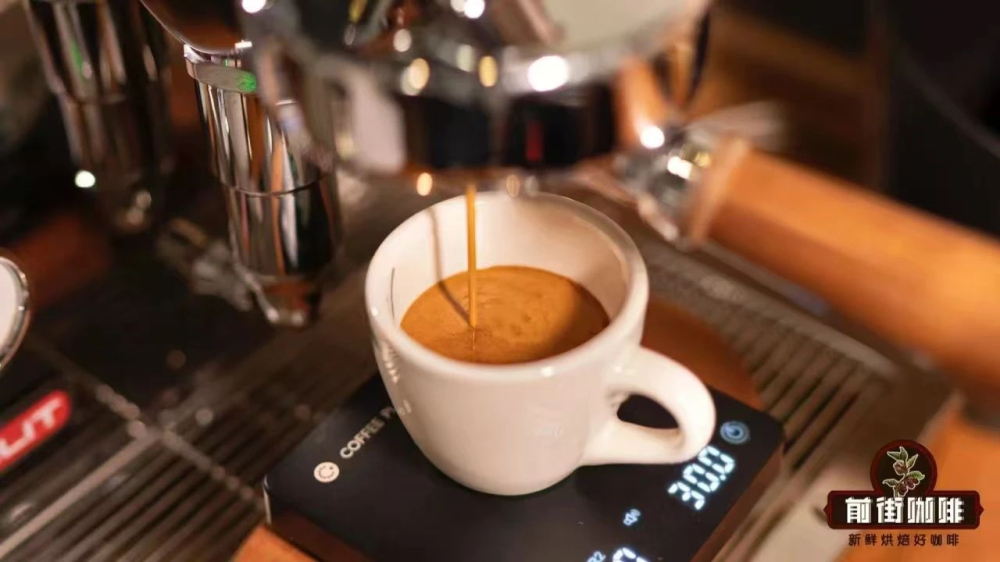
The Origin of Latte | What is the espresso extraction coffee-to-water ratio for the espresso base of a latte or americano? What coffee beans are used for espresso?
A few days ago, a coffee enthusiast asked Front Street Coffee (FrontStreet Coffee): if the same bean is used, with the same grind size and the same dose, when preparing milk coffee, Americano, and espresso, will there be different requirements for the espresso's brew ratio? So Front Street Coffee (F [more…]

Espresso and Fancy Coffee | How Can Coffee Newbies Make a Latte at Home? What Are the Latte Making Methods, Espresso Ratios, and Preparation Techniques? An Introduction to the Characteristics, Origin, and History of the Latte
A few days ago, a coffee enthusiast asked Front Street Coffee (FrontStreet Coffee): if the same bean is used, with the same grind size and the same dose, when producing milk coffee, Americano, and espresso, will there be different requirements for the espresso's brew ratio? So Front Street Coffee (F [more…]
Taiwan White Heart White Leaf Oriental Beauty Black Tea: Analysis of the Cultivar Characteristics and Citrus-Woody Flavor of the Huanggan Old Bush
Oriental Beauty Tea is a highly representative specialty tea of Taiwan, and among its varieties, the old-growth Oriental Beauty made from the Huanggan cultivar is especially precious. Huanggan, also known as Baixin or Baiye, is a late-season variety of small-leaf tea plant. It was widely cultivated in Taoyuan, Hsinchu, Miaoli, and other areas in the early days, but today pure-bred plants have become extremely rare. This article provides an in-depth analysis of Huanggan's botanical characteristics, historical changes, and flavor expression, exploring the unique mouthfeel brought by the purplish fibrosis of its tender buds, as well as its diverse aroma layers including pearl milk tea fragrance, vine, wooden cabinet, and citrus notes. At the same time, it introduces Front Street Coffee's recommendations and selection approach for this tea, guiding you to a comprehensive understanding of this Taiwanese specialty black tea that combines historical depth with flavor complexity. [more…]

Moka Pot SOE Bean Recommendations | Why Does Mandheling Have Herbal, Woody, and Spicy Notes? How to Brew PWN Golden Mandheling Coffee Beans for the Best Taste?
When it comes to the taste of Sumatran coffee, people split into two extremes: some love it, while others hate it. Coffee lovers who enjoy acidity mostly will not look at coffee beans from this region, whereas coffee lovers who dislike acidity will greatly appreciate this region. The main factors that create the unique flavor of Mandheling coffee are related to the local cof [more…]

Where Do Common Off-Flavors in Pour-Over Coffee Come From? Analyzing Roast Dryness and Methods to Improve Tasting Ability
When an unpleasant flavor appears in a cup of coffee, it is often not accidental, but rather a deviation in some detail during growing, processing, roasting, or brewing. If we can identify these negative flavors one by one, we can work backward to infer what went wrong with the cup, which is practically helpful for improving tasting ability and optimizing brewing and roasting. Front Street Coffee has compiled several of the most common off-flavors in pour-over coffee—including miscellaneous odors, earthiness, woodiness, smokiness, charcoal, medicinal notes, mustiness, rubber, and rot, as well as astringency and dryness, two tactile sensations that are not tastes—and analyzes their causes and key points for identification one by one. [more…]
How the Espresso Coffee-to-Water Ratio Affects the Flavor of Lattes and Americanos
For the same coffee beans, the same grind size, and the same dose, how does changing the espresso brew ratio affect the taste of a latte, an Americano, and the espresso itself? Front Street Coffee conducted a comparative test using a Colombian and Brazilian blend, fixing the dose at 20 grams and extracting at three ratios—1:1, 1:1.5, and 1:2—analyzing acidity, sweetness, aftertaste, and the risk of over-extraction, ultimately offering parameter recommendations for different taste preferences and recommending blend options suitable for making espresso. [more…]
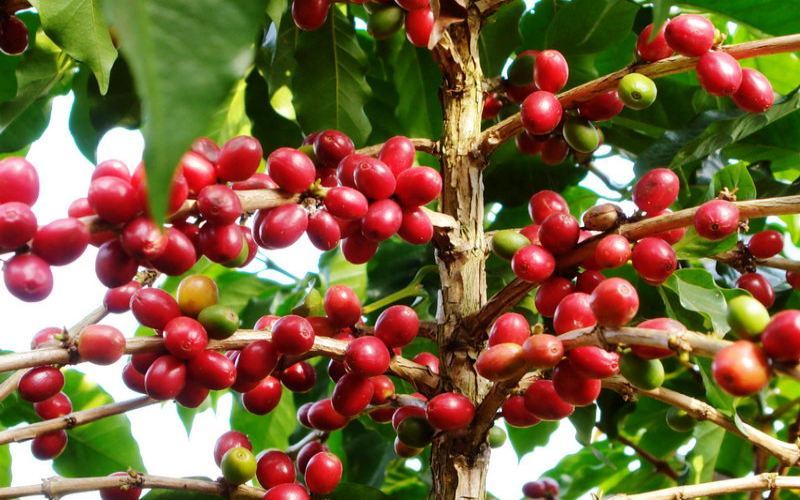
Can You Accept the Woody Flavor of Robusta Coffee? A Deep Dive into Robusta Characteristics and Coffee Bean Variety Selection
In the world of coffee, Arabica and Robusta are the two main protagonists. The former wins the favor of specialty coffee with its floral aroma and fruity acidity, while the latter, due to its strong bitterness and woody notes, is often used in instant coffee and blends. But is Robusta really not worth mentioning? This article will provide a comprehensive analysis of the true face of Robusta coffee, from variety origins, growing conditions, and flavor characteristics to practical applications, and explore why it still holds a place in commercial blends. At the same time, we will also sort out the main subspecies of Arabica, such as Typica, Bourbon, and Geisha, to help you make a coffee choice that suits you better after understanding the differences between varieties. Front Street Coffee will also share its views on Robusta and blending experience. [more…]
Analysis of Latte Coffee Preparation Ratios and Taste Characteristics: Performance of Different Coffee-to-Water Ratios of Espresso in Milk-Based Coffee Drinks and Americanos
Under the same espresso bean, grind size, and dose, how do changes in the espresso brew ratio affect the flavor expression of lattes and Americanos? The baristas at Front Street Coffee used Front Street. Specialty Blend, composed of Colombian and Brazilian beans, as the sample, fixed the dose at 13 grams, and tested three brew ratios—1:1, 1:1.5, and 1:2—recording the flavor differences across three dimensions: espresso, latte, and Americano. The article also answers what coffee beans espresso should use, why an espresso blend is recommended rather than a light-roast single-origin bean, and how a blend can balance both flavor balance and consistency in the cup. [more…]
Sumatra Tiger Man Estate Mandheling Washed Process: Flavor Layers and Pour-Over Brewing Record
Mandheling coffee beans from the Huta Manor in the Lintong region of Sumatra, Indonesia, processed using the wet-hulled method and hand-sorted to 19 mesh and above, medium-roasted by Cafe of Memory in Hangzhou. This article documents the complete brewing process for this coffee, including parameters such as the Bonmac V02 dripper, 90°C water temperature, and a 1:15 coffee-to-water ratio, along with a detailed evaluation of its aroma and mouthfeel. Orange peel, herbs, woody smokiness, and faint floral and fruity notes interweave, while a medium body and subdued acidity form its distinctive character. Front Street Coffee recommends this bean, believing that its cleanliness and layered complexity still affirm the flagship status of Tiger-grade Mandheling. [more…]
Indonesian Sumatra Mandheling Coffee Beans: Wet-Hulling Process and Specialty Coffee Basics
Mandheling is a representative coffee produced on the Indonesian island of Sumatra. Thanks to the region's clean natural environment and unique tree varieties, it presents a full, rich body. It has outstanding body and low acidity, with a syrupy-smooth texture, and has long occupied an important position in the Asian single-origin coffee market. After deep roasting, it releases a steady woody aroma and a cheesy fragrance, with a pronounced bitterness and soft acidity, while the finish carries a heavy, astringent sensation reminiscent of Bordeaux red wine, making it especially suitable for pairing with strongly flavored dishes. This article will focus on Mandheling's varietal background, the characteristics of the wet-hulling process, and common knowledge for selecting specialty beans, to help coffee enthusiasts gain a more comprehensive understanding of this bean's flavor logic and production key points. [more…]
Darjeeling Turzum Tea Estate Summer Flush Black Tea Flavor Analysis: Tasting Notes from Dry Leaf to Brewed Tea
Located in the Mirik Valley of Darjeeling, the Turzum Tea Estate has been renowned for producing premium single-origin teas since the 1860s. This article breaks down the flavor layers of a 2021 summer-picked black tea step by step, from dry leaf to brew to liquor, and includes detailed records of aroma and appearance. For coffee and tea enthusiasts who love exploring origin flavors, this tasting note offers a panoramic sensory map ranging from orchard aromas to woody spices, and also presents the unique performance of high-altitude clonal tea in summer. [more…]
Brewing Yingde Yinghong No.9 Black Tea: A Full Analysis of Flavor Layers Across Seven Infusions, from Fruity Sweetness to Roasted Notes
Yinghong No.9 comes from Yingde, Guangdong, and is named after an experimental cultivar. The dry leaves are tightly rolled with visible golden buds, carrying forest-floor earthiness and a roasted aroma. In this session it was brewed gongfu style, using 3g of tea with 150ml of boiling water, a 45-second first infusion, and an extra 15 seconds for each subsequent infusion, for five to seven consecutive steeps. Front Street Coffee recommends brewing it in a gaiwan, which better reveals its complete progression from sweet, fruity notes to woody roast. From the first infusion's deep amber color, musky earthiness, and sweet plum flavors to the seventh infusion's roast and astringency, each steep delivers a different experience. This tea suits lovers of earthy, fruity, or roasted black teas, and is especially good for savoring on a winter afternoon. [more…]

Common Mistakes and Correct Methods for Brewing Drip Coffee Bags: Why You Can't Just Steep Them Like Instant Coffee or Tea Bags
Drip bag coffee is the entry-level choice for many coffee novices getting into single-origin coffee. It requires no complicated equipment—just one drip bag, a pot of hot water, and a cup, and you can enjoy it with ease. But many people brew it directly as if it were instant coffee or a tea bag, and the result is either coffee grounds in their mouth or a cup of bitter, astringent, woody-tasting coffee water. This article explains in detail the design principles of drip bag coffee packets, points out four common brewing mistakes, and offers four key points for correct operation, including container selection, water temperature control, pouring technique, and coffee-to-water ratio. It also retains Front Street brand's recommended drip bag coffees from various regions, helping coffee lovers avoid pitfalls and brew single-origin coffee with excellent aroma and taste. [more…]
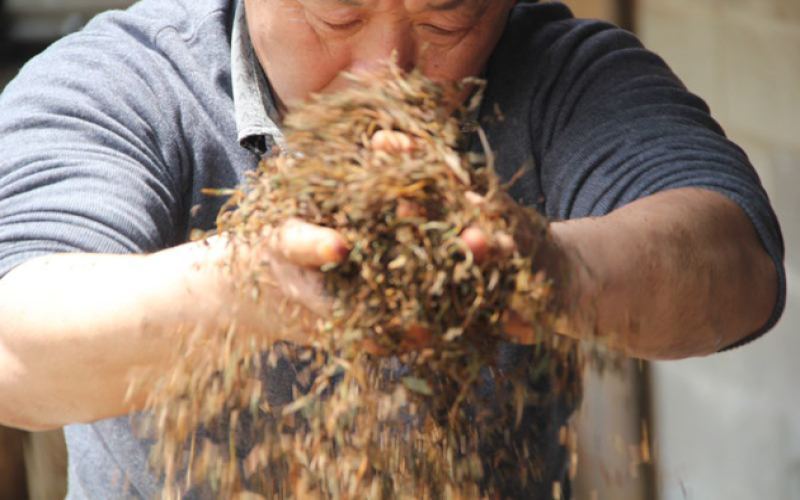
Why Does Lapsang Souchong Have a Sweet Fruity Aroma? A Full Analysis of the Three Major Flavor Types and Traditional Characteristics
Lapsang Souchong is often described as a black tea with a captivating sweet fruity aroma, but many enthusiasts find upon actually tasting it that the smoky flavor is intense, falling far short of expectations. In fact, the production of Lapsang Souchong in Tongmu Pass has now diverged into three styles: those with both smoky and fruity notes, those with coexisting smoky and woody notes, and those that are completely smoke-free with a rich fruity aroma. Traditional Lapsang Souchong, due to the spring cold in Tongmu Pass, has been dried over pine wood since ancient times, invariably carrying some smokiness, whereas the native Qi Zhong (rare variety) naturally boasts a prominent fruity aroma. This article will clarify the origins of the sweet fruity aroma, outline the three major types, and introduce the Lapsang Souchong Qi Zhong recommended by Front Street Coffee—smoke-free, full of fruity aroma, and with a long-lasting aftertaste. [more…]
How to drink Indonesian Mandheling coffee for the best flavor? A flavor analysis of pour-over black coffee and with milk
Mandheling coffee, with its full-bodied, low-acid character, has become a favorite among many coffee lovers—but how do you brew it to balance its signature bitterness and sweet aftertaste? This article starts with the history of pour-over coffee, then walks you through the source of Mandheling's flavor—Indonesia's unique wet-hulling process—and how dark roasting shapes its personality woven from woody and spicy notes. We'll also discuss whether adding sugar and milk is appropriate, and include a detailed pour-over guide, along with product recommendations from Front Street Coffee, to help you brew that cup of bittersweet superiority at home. [more…]
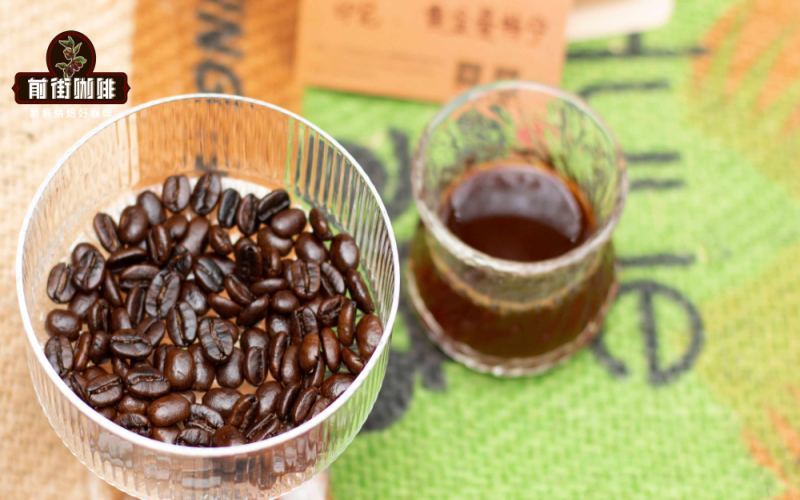
Golden Mandheling Coffee Flavor and Taste Analysis: A Comprehensive Look from Wet-Hulled Processing to PWN G1 Specialty Beans
Golden Mandheling is the crown jewel of Indonesian specialty coffee, and the G1 grade produced by PWN is the finest representative of them all. This article offers a comprehensive analysis of the unique charm of Golden Mandheling from the perspectives of flavor and mouthfeel, processing method, and grade classification. Compared with Front Street Lintong Mandheling, Front Street PWN Golden Mandheling has a cleaner mouthfeel, with the herbal, earthy, and woody notes typical of traditional Mandheling greatly reduced and the caramel sweetness more prominent. Although the wet-hulled method it employs increases the defect rate, it endows the coffee with a distinctive herbaceous, musty aroma and a sense of terroir. Under deep roasting, caramel, dark chocolate, and nutty flavors interweave, making it suitable for various extraction methods such as pour-over, SOE, and moka pot, and an ideal daily staple for coffee lovers who pursue a rich, mellow taste without acidity. [more…]