







When it comes to the taste of Sumatran coffee, people split into two extremes: some absolutely love it, while others can't stand it. Coffee lovers who enjoy acidity mostly won't seek out beans from this region, while those who dislike sourness will adore this产区. The main factor behindMandheling coffee'sunique flavor is related to the local post-harvest processing method for green coffee beans.
Because Sumatra frequently experiences rain, combined with limited local economic conditions, Sumatran coffee generally uses a unique semi-washed processing method. In the local language, "Giling Basah" is used to describe this semi-washed method—wet hulling. The wet-hulling process gives Sumatran Mandheling coffee a thicker, heavier body and a distinctive flavor.Mandhelingcoffee is famous for its unique flavor, and the wet-hulling method is equally famous because of Mandheling coffee, so Mandheling coffee and the wet-hulling method have a mutually reinforcing relationship.
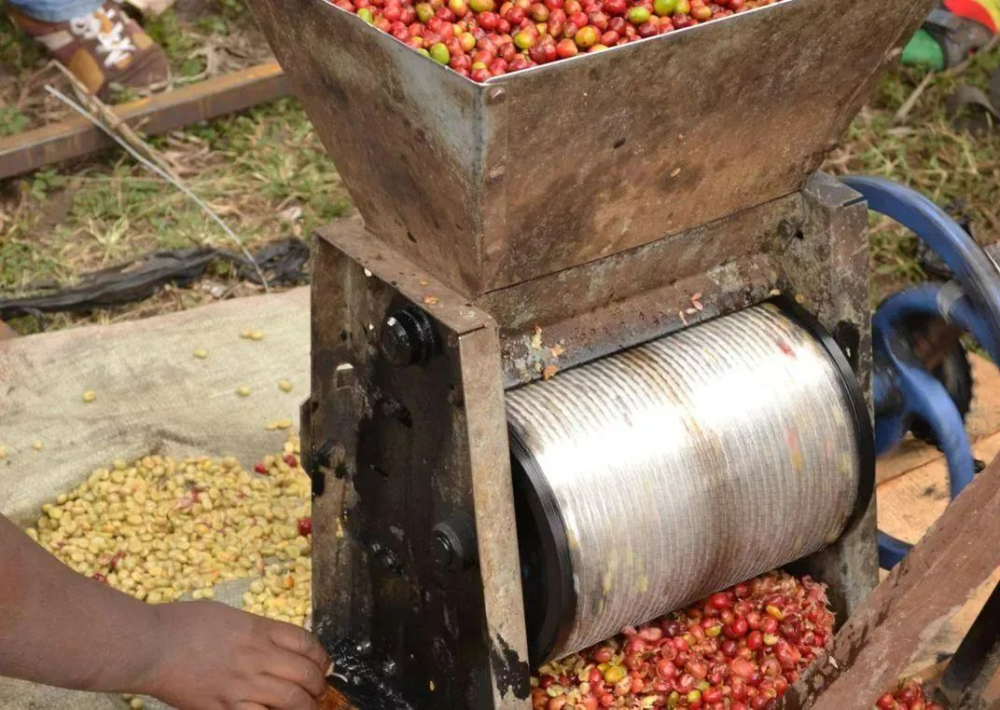
After the coffee cherries are picked, the farmers use a machine the same day to remove the skin and pulp of the coffee cherries, then place the mucilage-covered beans still in parchment in a pool to ferment overnight. The next day, clean water is introduced and stirred to wash away the outer pectin layer as thoroughly as possible. The parchment beans are scooped out and spread evenly to dry. While still half wet and half dry, the parchment beans are bagged and sold to a nearby green coffee processing station.
After the green coffee processing station purchases these parchment beans, in order to speed up the drying step, it first uses a machine to remove the parchment layer, exposing the green coffee beans completely, then sends them for drying. Once the moisture content of the green coffee beans drops to around 13%, they can be collected for storage.

What makes wet hulling different from many other post-harvest processing methods is that wet hulling removes the parchment layer before the final drying step. Hulling the beans while they are still half dry and half wet carries great risk, such as damaging the green coffee beans, and also exposes the green beans to humid air, thereby affecting drying.
But precisely because of this processing method, the coffee accidentally takes on grassy, spicy, and woody jungle aromas, and also creates an impressiveMandheling flavor. If you haven't tried it yet, you must buy Front Street. Indonesian Mandheling. The medium-dark roast not only preserves that mysterious aroma, but also, through a series of caramelization reactions, brings out flavors of dark chocolate, spices, toasted bread, and nuts—perfect for beginners who dislike acidity.

But if you are already an advanced player hoping to taste a higher-grade premium Mandheling, then you must buy Front Street. PWN Golden Mandheling coffee. Everyone can place an order at the Front Street Tmall flagship store. Unlike other regular Mandheling, PWN's Golden Mandheling, after machine sorting out the highest grade G1 beans with beautiful appearance, large size, and high density, then undergoes three rounds of manual hand sorting and one round of machine sorting to ensure defective beans are completely removed, thereby greatly improving the cleanliness and sweetness of the Mandheling coffee.

Front Street. PWN Golden Mandheling
Region: Gayo Mountain, Aceh, Sumatra, Indonesia
Altitude: 1100 meters—1600 meters
Variety: Ateng
Grade: G1, 3 times hand-sorted
Processing method: Wet hulling
Because Golden Mandheling's flavor is extremely clean, many coffee connoisseurs are deeply fond of it. Many coffee novices who have only heard of it but never tasted it also want to see what it's like. It should be noted that PWN has registered "Golden Mandheling" as a trademark, so only Golden Mandheling produced by PWN can be considered true Golden Mandheling in the strict sense.

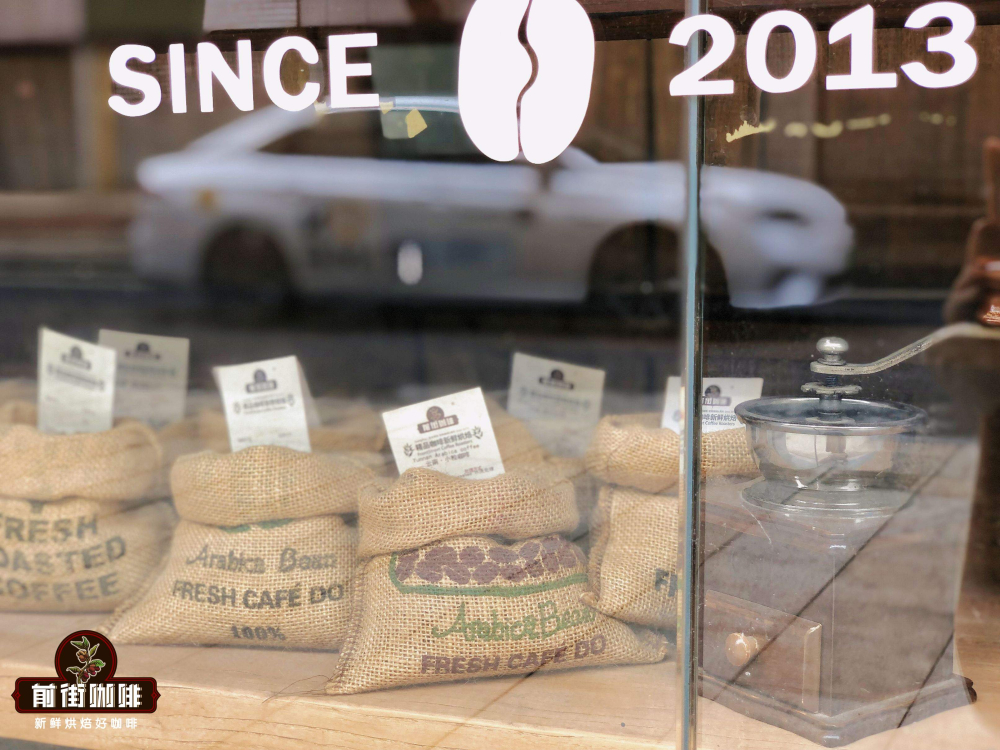
If you want to know whether the Golden Mandheling you purchased is from PWN, you can ask the merchant to provide the Golden Mandheling green coffee bean gunny sack printed with the PWN mark and the certificate issued by PWN for verification. And the Front Street store has these two proofs on display.
To present the classic Mandheling taste, first it must not have obvious acidity, and second the body must be mellow, so the roast must be medium or above. Both Front Street Indonesian Mandheling and Front Street PWN Golden Mandheling use medium-dark roasting, carrying more caramelized aromas. Besides being used as a pour-over single-origin black coffee drink, they can also be used to make moka pot coffee and SOE coffee.
Making a delicious cup of moka pot coffee with Front Street Golden Mandheling is very simple; just follow the steps below:
First weigh 30g of coffee beans and grind them into powder. For the coarseness, you can refer to the picture (a bit coarser than espresso powder, but much finer than the granulated sugar particles used for pour-over coffee.

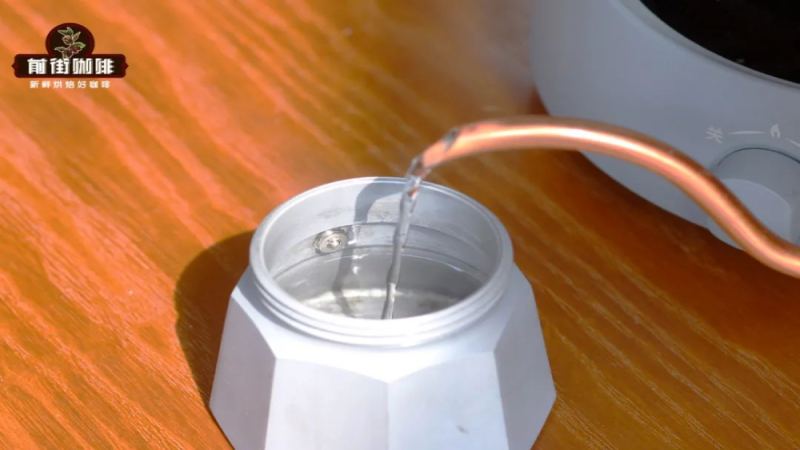
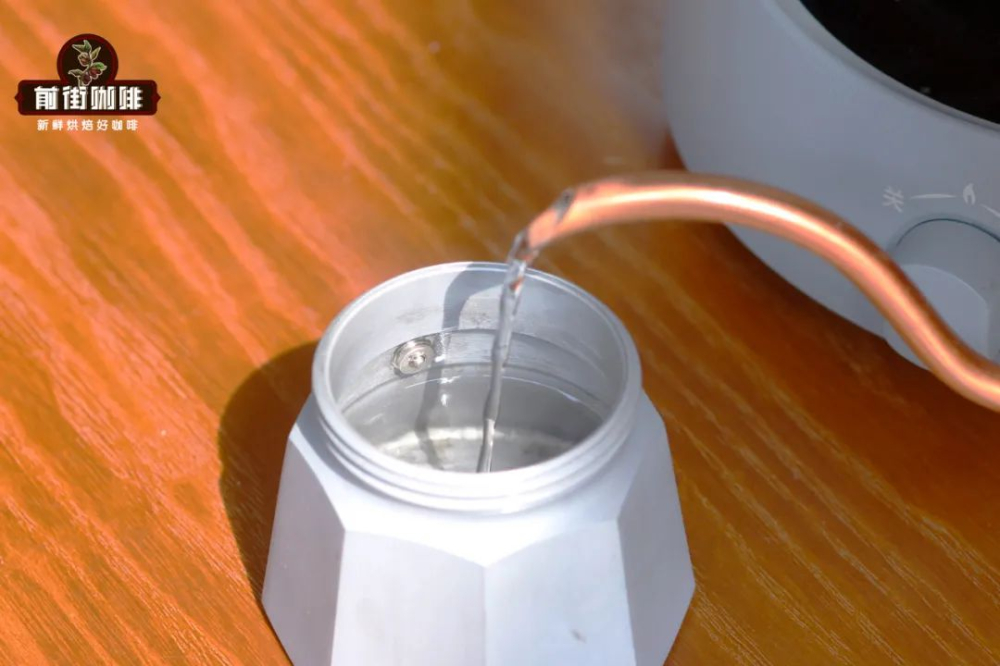
Fill the lower chamber with cold water (hot water will burn your hands), then place the filter basket in the lower chamber. Wrap your hand around the filter basket to form a ring, and add grounds into the filter basket until a small mound rises in the middle. After the grounds around it fill the gaps of the filter basket, directly put on the upper chamber and tighten it.

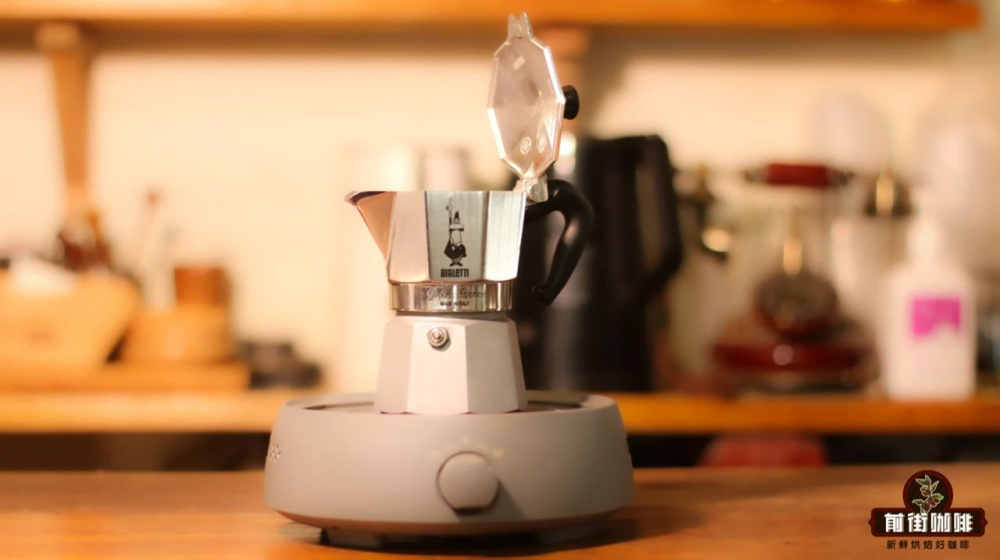
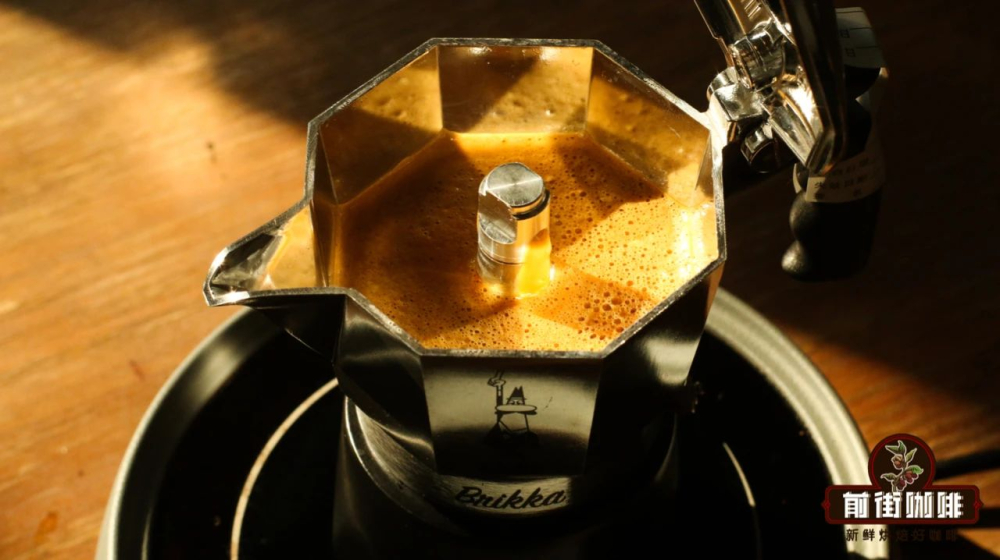
Then place it on an electric ceramic stove to heat (a gas stove also works). When you hear a "whoosh," it means the coffee liquid is beginning to surge upward. At this point, just turn off the heat and wait for the coffee liquid to come up.

The above content is compiled by CoffeeHunters, a coffee news website.


