







Search Results for: wooden
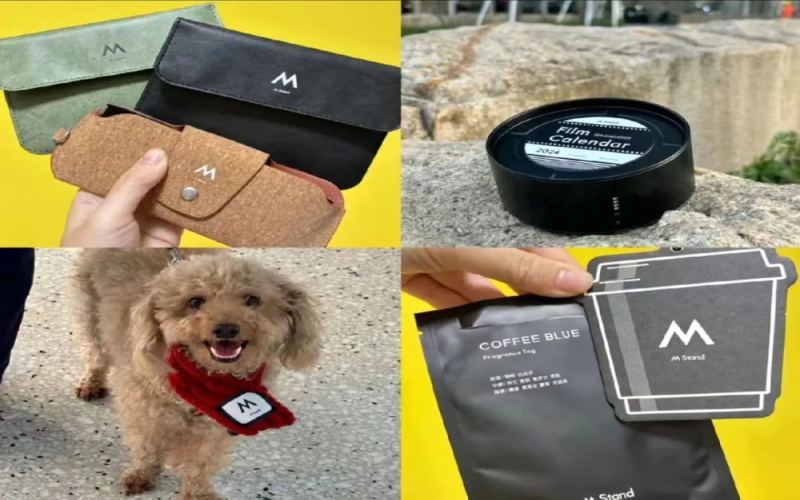
The M stand wooden fish merchandise doesn't make a sound when tapped and the paint peels off, and the coffee quality control is also being criticized—will fans still buy it?
M stand recently launched a wooden fish (muyu) merchandise item, which sparked a buying frenzy among fans as soon as it went on sale. However, after receiving the product, many people found that this wooden fish couldn't produce a crisp, ethereal sound when struck, and it also had issues like scratches, rough craftsmanship, and a surface prone to showing hammer marks. It was criticized as a "beautiful piece of junk." At the same time, netizens' complaints about M stand's coffee quality control have resurfaced, with many arguing that its prices are higher than Manner and Luckin, yet its taste is not superior. M stand, which once won over fans with its petit-bourgeois vibe and consistent quality control, is now increasingly perceived by consumers as "the coffee isn't great, but the merchandise is decent." This latest quality failure with the wooden fish has left loyal fans even more disappointed. [more…]
Why Jamaican Blue Mountain Coffee Is Packaged in Wooden Barrels: An In-Depth Analysis from Historical Origins to Quality Assurance
Green coffee beans are usually transported in burlap sacks, but Jamaican Blue Mountain coffee has always been shipped in wooden barrels. This unique tradition has both historical roots and implications for quality assurance. Front Street Coffee will provide a comprehensive explanation of what makes Blue Mountain coffee unique, covering the origins of barrel packaging, the characteristics of the wood, the Rainforest Alliance certification mark, and Blue Mountain coffee's certificate system, estate background, processing methods, and varietal characteristics. At the same time, Front Street Coffee will also share the brewing parameters and flavor profiles of two Blue Mountain No. 1 coffees—one washed and one natural—to give you an in-depth look at every detail of this top-tier coffee. [more…]
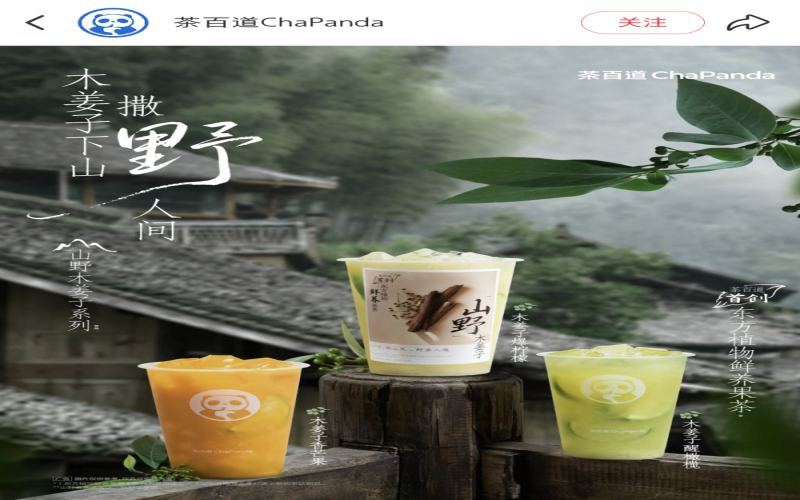
ChaPanda's new Litsea cubeba product giveaway sparks heated discussion: the "little wooden stick" merchandise differs greatly from the promotional images.
After Heytea launched a Litsea cubeba drink, ChaPanda also incorporated this southwestern specialty spice into its new products and rolled out a promotion where buying a large cup earns a wild Litsea cubeba charm. However, this merch, jokingly dubbed the "little wooden stick" by netizens, drew widespread complaints over its shrunken size and warped shape. This article breaks down the flavor profile of Litsea cubeba, ChaPanda's marketing strategy, and the disconnect between what consumers received and what was advertised, giving you the full picture of this "wooden merch" controversy. [more…]
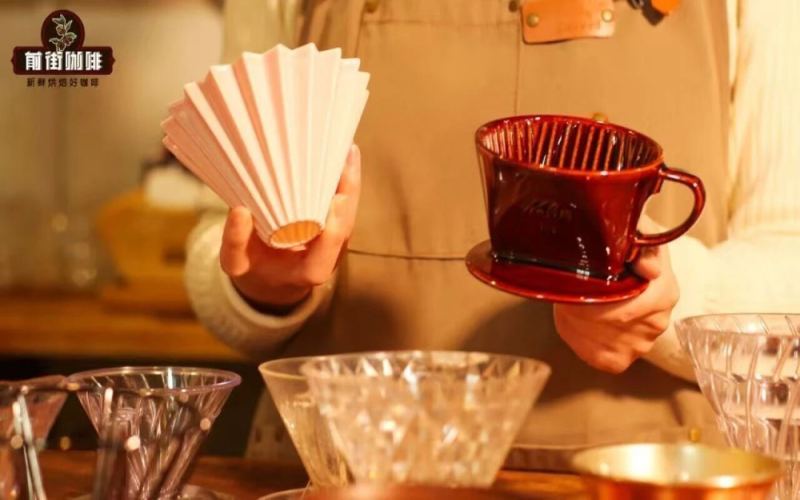
Comparative Experiment: V60 vs. YASUKIYO Wooden Dripper — Extraction Differences and Pairing Suggestions for the Same Yunnan Coffee Beans
Different drippers, due to differences in shape, hole size, and groove design, directly affect water flow rate and degassing, causing the same coffee beans to present entirely different flavor expressions. For this test, Front Street chose the V60 and the YASUKIYO wooden dripper, using the same brewing method and parameters to conduct a comparative test on Front Street 2013 Yunnan Small-Bean Typica, keeping water temperature, grind size, and pouring method as consistent as possible, to observe the differences between the two drippers in aroma, mouthfeel, and extraction efficiency. The article will separately analyze the structural characteristics of the two drippers and give recommendations for Front Street coffee beans that pair well with each, helping coffee lovers choose equipment more purposefully in their daily brewing. [more…]
V60 vs YASUKIYO Wooden Dripper Pour-Over Comparison: A Flavor Difference Experiment Using the Same Beans and Method
The shape, drainage holes, and rib design of different drippers directly affect water flow rate and degassing, which in turn lets the same coffee bean present completely different flavor directions. In this session, Front Street Coffee conducted a comparative brew using the V60 and the YASUKIYO wooden dripper, with completely identical parameters and technique, keeping the process as rigorous as possible from blooming to pouring rhythm, aiming to observe the actual impact of the two drippers on extraction results. The experimental bean was Front Street 2013 Yunnan small-batch Typica. By comparing brew time and cupping flavors, we explore which types of coffee suit the flushing characteristics of the V60 and the horizontal rib structure of the YASUKIYO, and offer corresponding Front Street bean pairing suggestions. [more…]
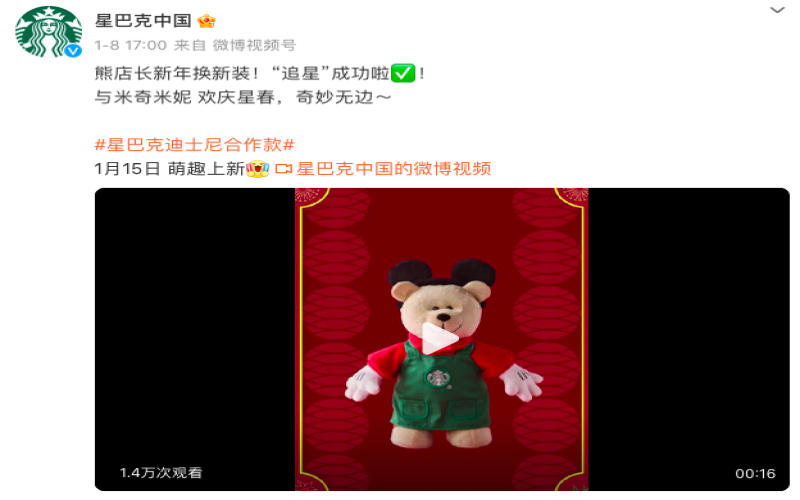
Starbucks Disney collaboration merch sparks debate: red envelopes, omamori, and wooden divination blocks make a cross-border debut
The second Starbucks and Disney collaboration is set to launch on January 15, featuring Mickey and Minnie as the campaign's main characters. In addition to regular merchandise such as mugs and plush toys, the official lineup also includes red envelopes printed with the brand logo, omamori charms, and wooden divination blocks (bwa bwei), sparking lively discussion among netizens. The appearance of bwa bwei, a common divination tool in the Fujian and Guangdong regions, in a coffee brand collaboration has left many people exclaiming over the surprising combination. This article will walk you through the specific merchandise of this collaboration, the cultural background of bwa bwei, and the amusing reactions from netizens. At the same time, Front Street Coffee will continue to follow the brand strategy behind this cross-industry attempt. [more…]
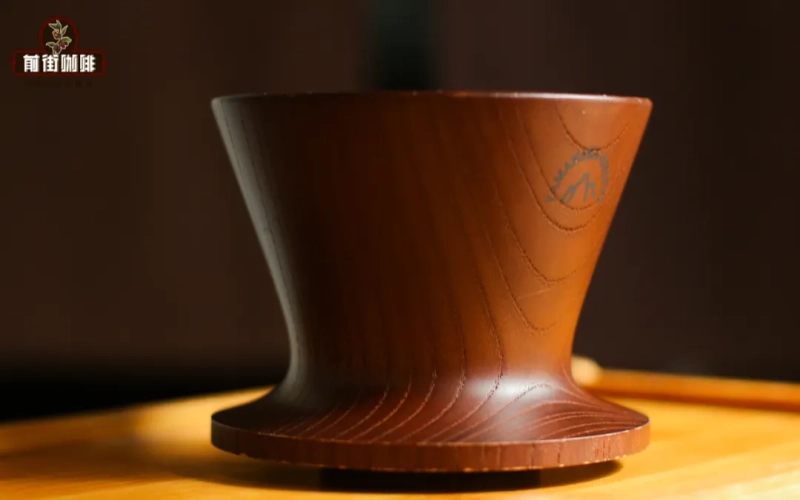
Analyzing the Differences Between the Anqing-style Wooden Dripper and the V60: Does Wood Flavor Affect Coffee? Key Brewing Points for Dark Roasted Beans
Today Front Street is going to talk about a rather niche pour-over device—the Anki-style dripper. It comes from the well-known Yamanaka lacquerware woodworking factory in the Kaga region of Japan and is made entirely of wood, which stands in sharp contrast to the ceramic, resin, glass, or metal drippers commonly seen on the market. Will coffee brewed with a wooden dripper take on a woody aroma? How does it differ from the V60 in use? How should dark-roasted coffee beans be brewed with this dripper? This article will start from Front Street's actual experience and answer these questions one by one, while also sharing the details to note when maintaining this dripper, as well as its slightly imperfect but harmless handmade traces. [more…]
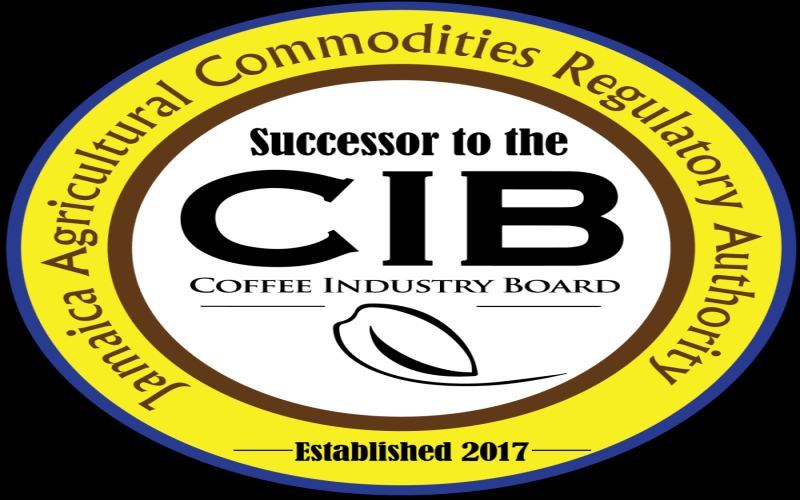
A Complete Guide to Jamaican Blue Mountain Coffee Barrel Markings: From CIB Certification to Estate Stamps
The worldwide fame of Blue Mountain coffee is inseparable from the establishment and strict control of the Jamaica Coffee Industry Board (CIB). From the Industry Management Office in 1948 to its upgrade to the CIB in 1952, Jamaica became the first country in the world to set up a dedicated coffee regulatory body. By delineating production regions, establishing grades, and regulating cultivation and quality control, the CIB set Blue Mountain coffee on the path to specialty status. And Blue Mountain coffee's distinctive wooden barrel packaging not only serves a protective function during transport, but has also become an important mark of authentic Blue Mountain. This article will walk you through the various pieces of information on Blue Mountain coffee barrels one by one, including the CIB certification label, grade numbers, estate name, weight markings, ICO number, and estate logo, and bring you the latest arrival news of Front Street Coffee's Blue Mountain coffee. [more…]
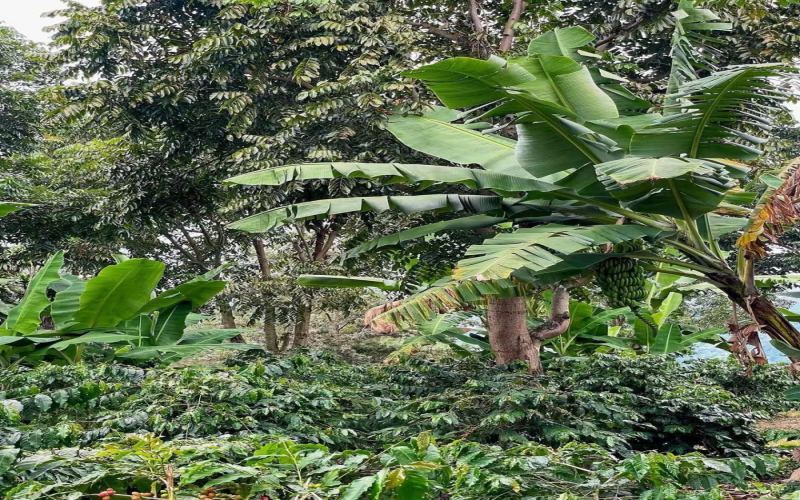
Why Is Jamaican Blue Mountain Coffee Packed in Wooden Barrels? Understanding Blue Mountain No. 1's Grade Standards and Brewing Essentials
Blue Mountain coffee has long been regarded as the benchmark of specialty coffee, and its uniqueness lies not only in its flavor profile but also in its packaging methods and grading system. This article will focus on Jamaican Blue Mountain coffee, explaining why it has long insisted on using wooden barrels for export shipment, sorting out how the washed Typica variety, microclimate, and strict grading system together create Blue Mountain coffee's quality status, and offering a key interpretation of the evaluation standards and specification requirements for the "Blue Mountain No. 1" grade. At the same time, the article will also share Front Street Coffee's specific approach and parameters for roasting and brewing Blue Mountain No. 1, including the extraction principles of the KONO dripper, the coffee-to-water ratio, water temperature, and staged pouring technique, helping readers gain a more comprehensive understanding of this coffee's complete journey from origin to cup. [more…]
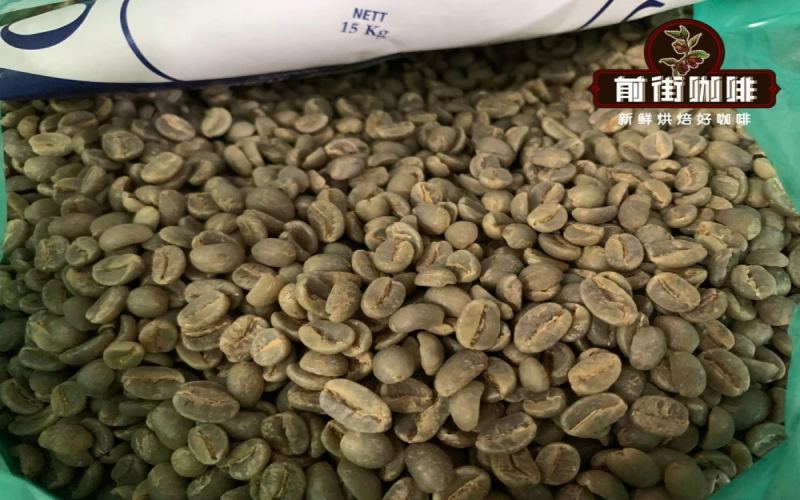
A Detailed Explanation of Jamaican Blue Mountain Coffee Grading: Why Blue Mountain No. 1 Insists on Wooden Barrel Packaging
Jamaican Blue Mountain coffee has long been known as the king of coffee, and the top-grade Blue Mountain No. 1 in particular has repeatedly sold for high prices. Even though Geisha is currently at the height of its popularity, Blue Mountain still stands firm by virtue of its own unique quality. Many people assume that as long as beans are grown in the Blue Mountains, they count as Blue Mountain coffee, but in fact the Jamaica Coffee Industry Board (CIB) has strict rules: only beans from designated core-producing areas within a specific altitude range may bear the name Blue Mountain. Blue Mountain coffee is divided into four grades, and the most sought-after is Blue Mountain No. 1. Its packaging is distinctive as well, still using wooden barrels to this day, which reflects both quality considerations and a statement of status. This article will cover the definition of Blue Mountain coffee's place of origin, its grade classification, its wooden barrel packaging, Clifton Mount Estate, and the flavor and brewing of Blue Mountain No. 1. [more…]
A Detailed Explanation of the Jamaican Blue Mountain Coffee Grading System: How to Distinguish and Identify Authentic Blue Mountain Beans by Grade 1, 2, and 3
Blue Mountain coffee is one of the world's finest coffees, and its grading and export regulations are extremely strict. Jamaican law explicitly stipulates that only coffee beans grown in the Blue Mountain region may bear the name Blue Mountain. High-grade Blue Mountain coffee is divided into three grades—No. 1, No. 2, and No. 3—according to green bean size. All must have their flavor confirmed by government-approved cuppers and must be exported in wooden barrels. This article will systematically introduce the grading standards for Blue Mountain coffee, the meaning of the markings on the wooden barrels, the certificate of origin system, and the differences among Blue Mountain beans of different grades in roasting and export forms, helping coffee enthusiasts fully understand the key points for identifying authentic Blue Mountain coffee beans. [more…]
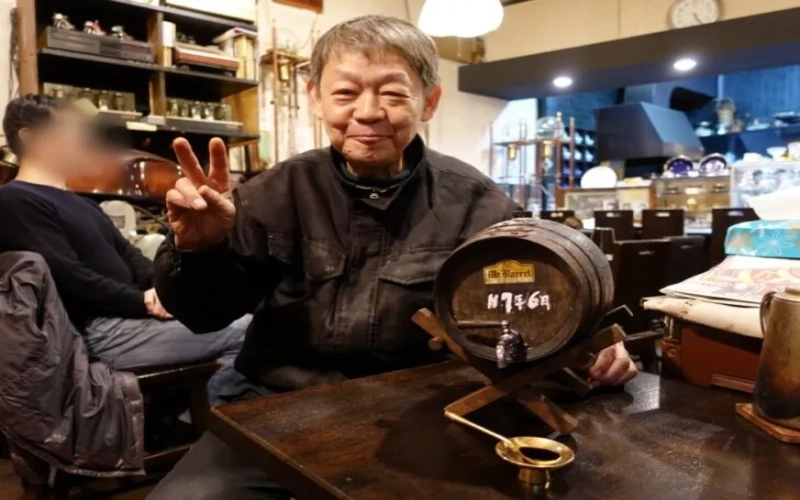
Unveiling Japan's Most Expensive Coffee: Aged 35 Years in Wooden Barrels, the Masterpiece of Mr. Tanaka's Dedication in Yao, Osaka
What is the most expensive coffee you've ever had? In Yao City, Osaka, there's a self-roasting shop called "The Münch," selling the most expensive coffee in all of Japan—the "Phantom Creation" low-temperature, long-term aged coffee. This coffee is made from aged beans stored for 15-30 years, deeply roasted, brewed with a flannel drip to create a 1:1 super-concentrated extract, then placed into special coffee wooden barrels and aged in a -3°C cold storage for 20-30 years. By that calculation, even the youngest coffee in the barrel has gone through 35 springs and autumns. 40ml sells for 100,000 yen, with a tasting price of 2,000 yen. What exactly does it taste like? And what kind of persistent shop owner stands behind it? Let's step together into Mr. Tanaka's world of coffee. [more…]

A Comprehensive Analysis of the Production Region Characteristics of Jamaican Blue Mountain Coffee and the Functions of the CIB Authority
Jamaican Blue Mountain coffee is renowned worldwide, but its success was not achieved overnight—it went through a long and winding development journey. From the back garden of King Louis XIV's Palace of Versailles in 18th-century France, to its spread to the Caribbean island of Martinique, and then to its introduction and promotion in the Saint Andrew region of Jamaica, the rise of Blue Mountain coffee is inseparable from one key institution—the Jamaica Coffee Industry Board (CIB). The CIB not only delineated the legally designated production area for Blue Mountain coffee, but also regulated variety selection, cultivation techniques, quality grading, and cupping standards, making Blue Mountain coffee a benchmark for the world's specialty coffee. This article will provide an in-depth analysis of the production area characteristics of Blue Mountain coffee, the history and functions of the CIB, and the key points for identifying authentic Blue Mountain coffee such as Front Street Blue Mountain No. 1. [more…]
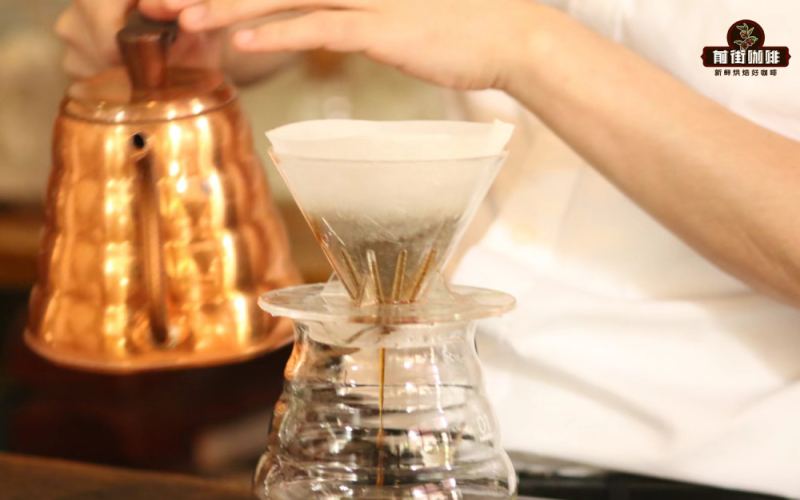
A Comprehensive Analysis of Jamaican Blue Mountain Coffee Bean Grading Standards and Barrel Export System
Blue Mountain coffee, as a representative of the world's top specialty coffee, has extremely strict origin protection systems and grading standards. Jamaican law stipulates that only coffee produced in the Blue Mountain region may bear the name Blue Mountain. High-grade Blue Mountain coffee is classified by screen size into No. 1, No. 2, and No. 3 grades, and all must be exported in wooden barrels. This article will provide a detailed explanation of the basis for Blue Mountain coffee's grade classification, wooden barrel packaging specifications, the certificate of origin system, and export restrictions on damaged and defective beans, helping coffee enthusiasts fully understand the key points for identifying authentic Blue Mountain coffee. Front Street Coffee reminds you that when purchasing Blue Mountain coffee, pay attention to the roast level and import channels to avoid buying inferior products passed off as genuine ones. [more…]
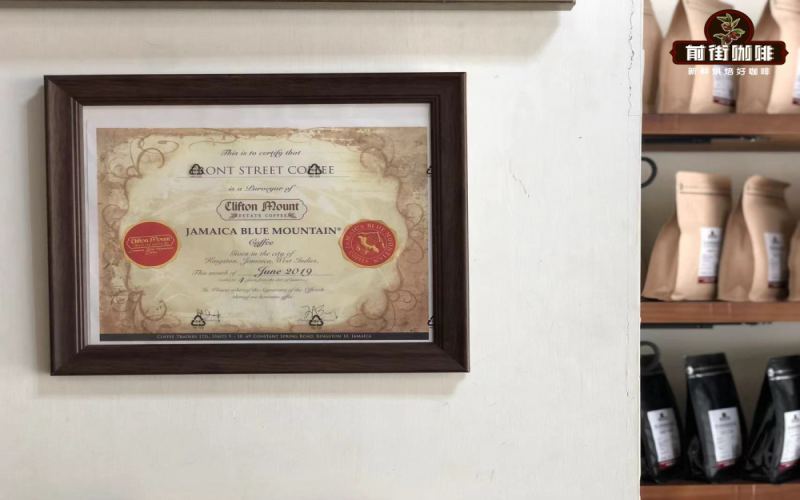
Why is Jamaican Blue Mountain Coffee shipped exclusively in wooden barrels? A full analysis of Clifton Estate and Front Street Blue Mountain No. 1
Blue Mountain coffee is widely recognized as one of the coffees grown under the finest conditions in the world, with Jamaica's unique climate, geology, and topography combining to create its exceptional quality. Why is Blue Mountain coffee, alone among all green coffees, shipped in wooden barrels? There are both historical origins and practical considerations behind this. This article will guide you through the terroir of Blue Mountain coffee's origin, the historical shifts in Japan's quota, the management system of the Jamaica Coffee Board, and the Clifton Farm Blue Mountain No. 1 coffee beans imported by Front Street Coffee—presenting this classic coffee in full, from processing method and roasting curve to brewing recommendations. [more…]
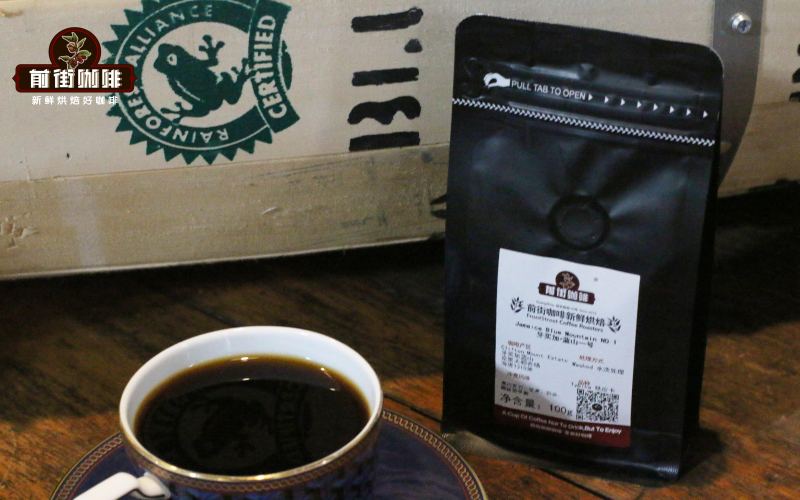
How to Identify Authentic Blue Mountain No. 1 Coffee Beans? A Comprehensive Analysis from Barrel Certificates to Bean Appearance and Flavor
Blue Mountain coffee is produced in the Blue Mountains of Jamaica at elevations between 910 and 1,700 meters. The variety is Typica, and it is known for its balanced acidity, sweetness, and bitterness, full and solid body, long-lasting sweet aftertaste, and absence of burnt bitterness. Because annual production is limited, authentic Blue Mountain No. 1 coffee beans in China usually sell for 150 to 400 yuan (100 to 200 grams), while products labeled "Blue Mountain flavor" or "Blue Mountain blend" are not true Blue Mountain coffee. This article systematically introduces the methods baristas use to identify authentic Blue Mountain No. 1 from perspectives such as the wooden barrel and certificate, bean size and uniformity, appearance characteristics, and raw bean color. It also compares the flavor performance of washed and natural processing methods and shares Front Street Coffee's brewing parameters and techniques to help enthusiasts build a clear identification framework. [more…]
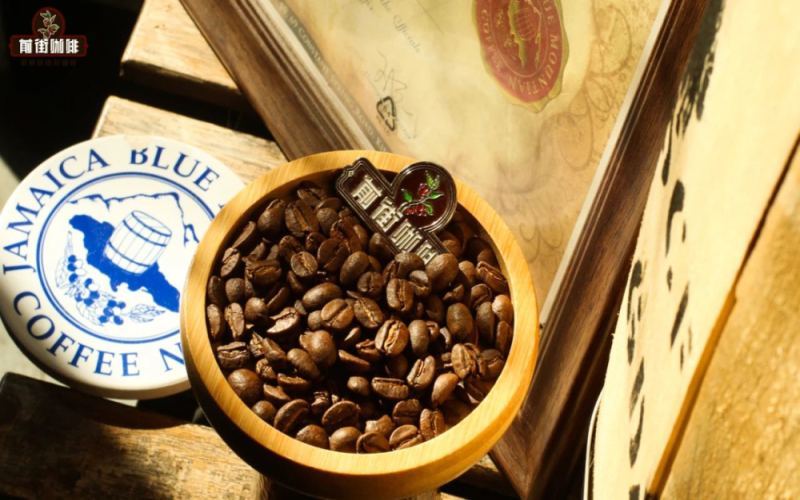
How to Identify Authentic Jamaican Blue Mountain Coffee? A Practical Guide from Barrel Certification to Green Bean Appearance
Blue Mountain coffee comes from the Blue Mountains of Jamaica, grown at elevations between 910 and 1,700 meters. The variety is Typica, and it is famous for its balanced acidity, sweetness, and bitterness, its full, rich body, and its long, lingering finish without any burnt or bitter notes. Because annual production is limited, Blue Mountain No. 1 coffee beans typically sell for 150 to 400 yuan per 100 to 200 grams on the domestic market. Many products are marketed under the label "Blue Mountain flavor" or "Blue Mountain blend" but are not authentic Blue Mountain coffee. Therefore, it is essential to know how to tell real Blue Mountain coffee from fake. This article starts with Front Street Coffee's Jamaican Blue Mountain coffee and explains how to identify it by examining the wooden barrel and certificate, the overall bean size and uniformity of quality, the bean shape, and the color of the green beans, and also includes brewing parameters and a flavor comparison for the washed and natural processing methods. [more…]
A Comprehensive Analysis of the Origins, Grading, and Authenticity Identification of Jamaica Blue Mountain Coffee
Blue Mountain coffee is widely recognized as the classic benchmark of coffee flavor, and its balanced acidity, sweetness, bitterness, and clean aroma have fascinated countless enthusiasts. This article begins with the cultivation history of Jamaican coffee, reviews the terroir conditions of the Blue Mountains, the washed processing flow, and the grading and inspection standards, and then provides an in-depth introduction to Clifton Estate, selected by Front Street Coffee. The article also systematically summarizes the three key points for identifying authentic Blue Mountain coffee—the export companies designated by the Jamaica Coffee Industry Board, the tradition of shipping green beans in wooden barrels, and Clifton's unique rainforest certification mark—helping readers fully understand the origin story and quality logic behind this legendary coffee. [more…]
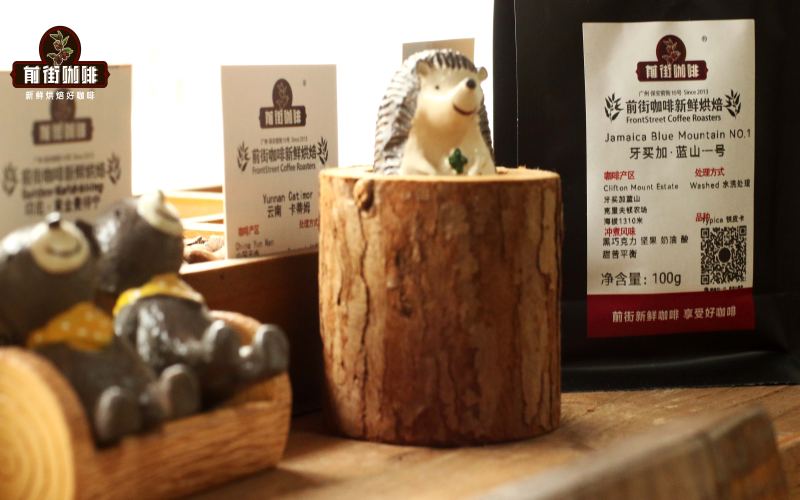
A Complete Guide to Authenticating Jamaican Blue Mountain Coffee and Understanding Its Grade Certification: Front Street Coffee Teaches You to Identify Genuine Blue Mountain by Price, Barrel, and Certificate
Jamaican Blue Mountain coffee is renowned worldwide, but the market is full of imitations. How can you confirm whether the Blue Mountain in your hands is authentic? This article starts with Front Street Coffee's Blue Mountain No. 1, systematically outlining the three keys to identifying genuine Blue Mountain—price range, wooden barrel packaging, and certificate of origin—and takes a deeper look at the CIB's grading standards for Blue Mountain, explaining why Blue Mountain No. 1 qualifies as the highest grade. It also introduces Front Street's philosophy and flavor presentation when roasting Blue Mountain, helping coffee lovers make more accurate judgments when purchasing and tasting. [more…]
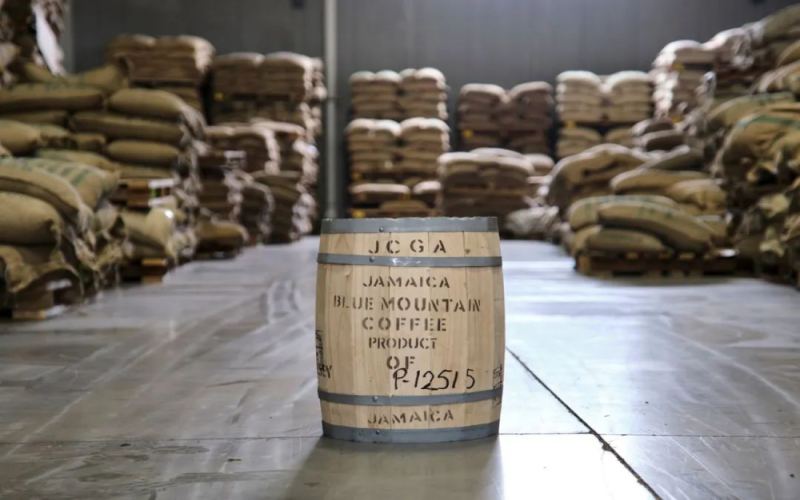
The Rare Code of Jamaican Blue Mountain Coffee: A Complete Analysis from Barrel Packaging to Flavor Tasting
Jamaican Blue Mountain coffee is world-famous for its high price and scarce production, but do you know why it uniquely uses wooden barrels to store green beans? From the restricted growing region at 1,000-1,700 meters above sea level to the strict government certification system, every step of Blue Mountain coffee is full of legend. This article will provide an in-depth analysis of the authentic origin standards of Blue Mountain coffee, the historical origins and practical value of its barrel packaging, and show you how Front Street Coffee, through careful roasting and brewing, presents the clean and bright flavor of washed Blue Mountain, as well as the unique charm of the emerging Geisha variety in the Blue Mountain region. Whether you are a seasoned enthusiast or a coffee lover just starting out, you can gain practical knowledge from it to distinguish authenticity and appreciate the flavor. [more…]