







Why Does Blue Mountain Coffee Ship in Wooden Barrels?
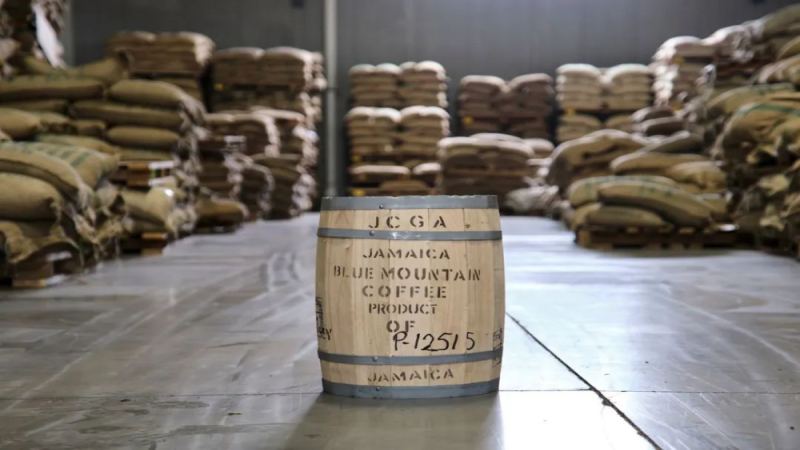
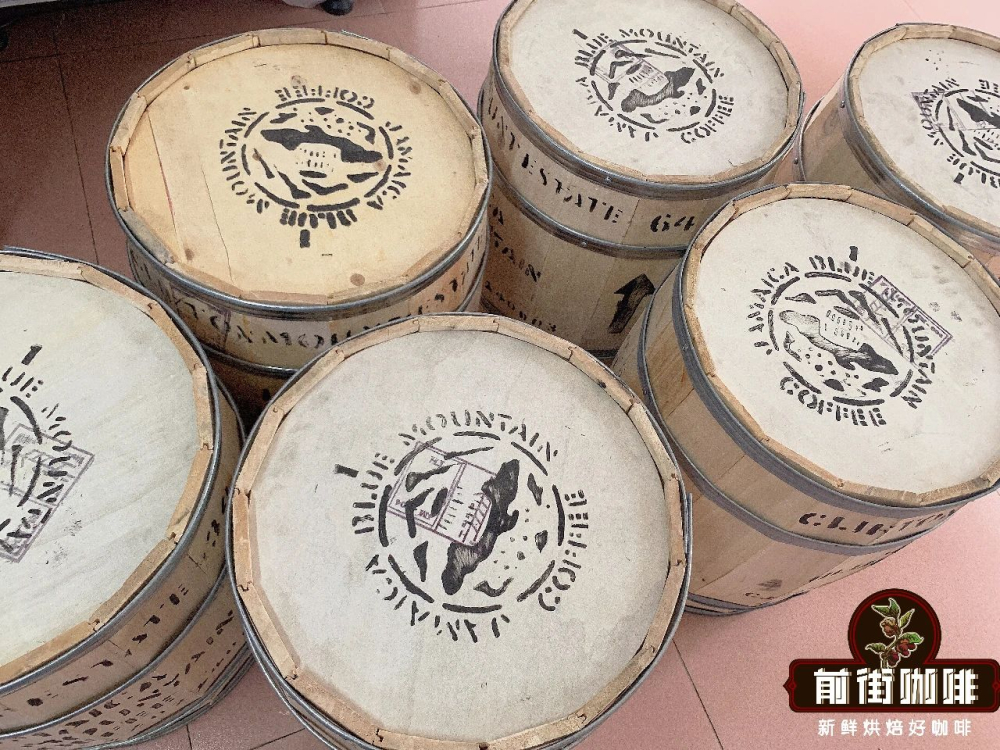
Authentic Jamaican Blue Mountain coffee must be grown between 1,000 and 1,700 meters in the Blue Mountain range, across the St. Andrew, St. Thomas, St. Mary, and Portland areas. Steep slopes, sometimes 60 degrees, force hand picking. The beans are packed in wooden barrels, a tradition tied to export handling and the protection of green coffee during long sea shipments.
More than 80 percent of Blue Mountain coffee is exported to Japan, and its high aroma means it is often blended with other green beans. The market carries many so-called Blue Mountain flavor products that are not the real thing, so checking origin certification matters. Washed lots present a clean, bright cup, and the Geisha variety is now also grown in the Blue Mountain region.
Jamaican Blue Mountain coffee is world-famous for its high price and scarce production, but do you know why it uniquely uses wooden barrels to pack green beans? From the restricted growing region at an altitude of 1,000-1,700 meters to the strict government certification system, every step of Blue Mountain coffee is full of legend. This article will provide an in-depth analysis of the authentic origin standards of Blue Mountain coffee, the historical origins and practical value of wooden barrel packaging, and take you through how Front Street Coffee presents the clean and bright flavor of washed Blue Mountain through careful roasting and brewing, as well as the unique charm of the emerging Geisha variety in the Blue Mountain region. Whether you are a seasoned enthusiast or a coffee fan who is just getting started, you can gain practical knowledge from it about identifying authenticity and tasting flavor.
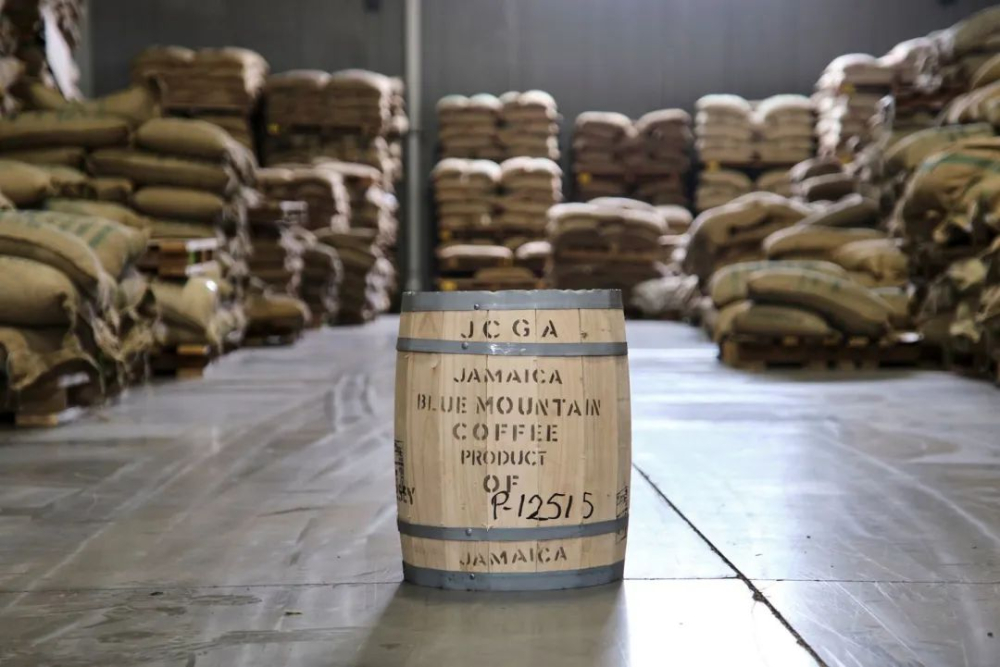
Among all the renowned coffee-producing regions, Front Street Blue Mountain coffee is the only representative that uses wooden barrels as its green bean packaging method. It has long been common knowledge that Blue Mountain coffee is expensive, and because total production is limited, it is not easy to buy truly authentic Blue Mountain coffee beans. The market is flooded with large quantities of so-called "Blue Mountain flavor" coffee beans, which are not authentic Blue Mountain products, so you must carefully distinguish them when purchasing.
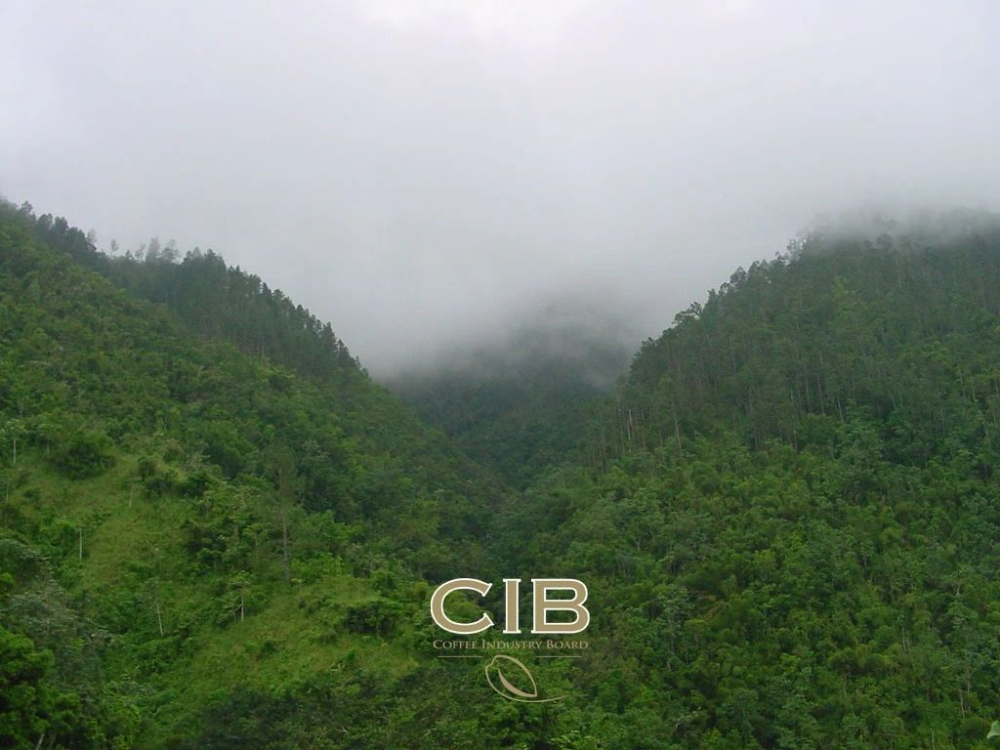
So where exactly does authentic Blue Mountain coffee come from? Truly authentic Jamaican Blue Mountain coffee must be produced within the restricted area of the Blue Mountain range at an altitude of 1,000 to 1,700 meters, covering four production areas: St. Andrew, St. Thomas, St. Mary, and Portland. These coffees usually grow on steep slopes, sometimes with gradients reaching as much as 60 degrees, and can only be harvested by hand. Blue Mountain coffee is known for its extremely high aroma and delicate mouthfeel. Because of its outstanding aroma, it is often used for blending with other green beans, and more than 80% of it is exported to Japan.
Originally, outside the specific 1,000-1,700-meter area of the Blue Mountain range, the name "Blue Mountain" was not allowed to be used. However, the domestic sales volume of "Blue Mountain" coffee imported into Japan actually reached three times the normal import volume. Many of these coffees are actually grown below 1,000 meters in altitude, yet they are still sold under the name "Blue Mountain." Even so, the price of green coffee beans was still as high as 4,000 to 5,000 yen per kilogram (2013 market price), which can be called expensive. In Japan, only a very small number of cafes stock Blue Mountain coffee beans to meet customer demand.
Coffee trees are planted on steep slopes, which not only makes cultivation difficult, but also exposes farm workers to extremely high risks. In addition, it may cause soil erosion, so the Jamaican government does not encourage farmers to continue planting Blue Mountain coffee on the steepest slopes. But market demand has always exceeded supply. In the 1930s, Blue Mountain coffee seedlings were introduced from Jamaica to the Eastern Highlands and Western Highlands provinces of New Guinea for cultivation. The altitude there reaches 1,000 meters or even higher, and the climate is similar to the original Blue Mountain production area in Jamaica, creating conditions for growing high-quality coffee beans. It has now become a major Blue Mountain coffee production area. In the past, Japan also regarded these coffee beans produced in Papua New Guinea as Blue Mountain coffee, and even now some people still pass them off as Blue Mountain coffee under the name Blue Mountain.
In 1953, the Jamaican government, in accordance with the law, clearly defined the boundary between the Blue Mountain region and other regions, stipulating that the name Blue Mountain coffee must not be used for coffee from areas other than Blue Mountain. Only coffee produced within selected areas of the Blue Mountain range can be called "Blue Mountain coffee."
In fact, the variety of Blue Mountain coffee is no different from coffee beans grown in other parts of Jamaica, but because it is cultivated in harsh environments and undergoes strict inspection and screening, it develops an extremely delicate mouthfeel. The main variety of Blue Mountain coffee is Typica. Typica has an elegant flavor, but the plant itself is weak and has poor disease resistance. The coffee yield of each tree is very low, and the amount of fruit it bears is small. However, in recent years, Blue Mountain has also begun to grow the Geisha variety, and Front Street Coffee has previously listed Geisha coffee produced in Blue Mountain.
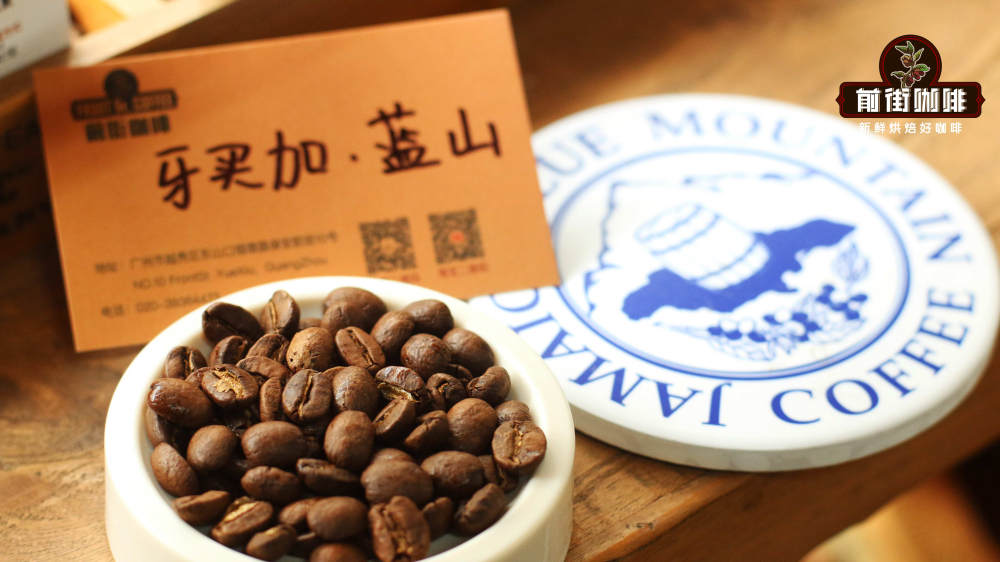
As a coffee shop focused on beans, how could Front Street Coffee lack authentic Blue Mountain coffee? In order to let everyone taste truly authentic Blue Mountain coffee, Front Street Coffee has also listed Blue Mountain coffee beans.
Front Street Coffee also noticed that among the many coffee beans from various regions it offers, only Blue Mountain uses barrel packaging, while all other coffee exports use burlap sacks. It is said that this practice originated during the British colonial period in the mid-18th century, when flour was shipped from Britain to Jamaica, and the empty barrels were recycled to transport coffee and rum. The wooden barrels used today are made from temperate forests in the United States. The advantage of wooden barrels is that they can absorb and release internal and external moisture without drastic changes, and can buffer sudden temperature fluctuations during transportation. In addition, sealed barrel packaging can isolate the coffee aroma and maintain the best coffee quality, but the additional cost is also relatively high. In addition, Jamaican Blue Mountain coffee barrels are marked with the tropical tree frog logo and accompanied by a certificate issued by the Jamaican government. These can all serve as signs for identifying whether Blue Mountain coffee is authentic.
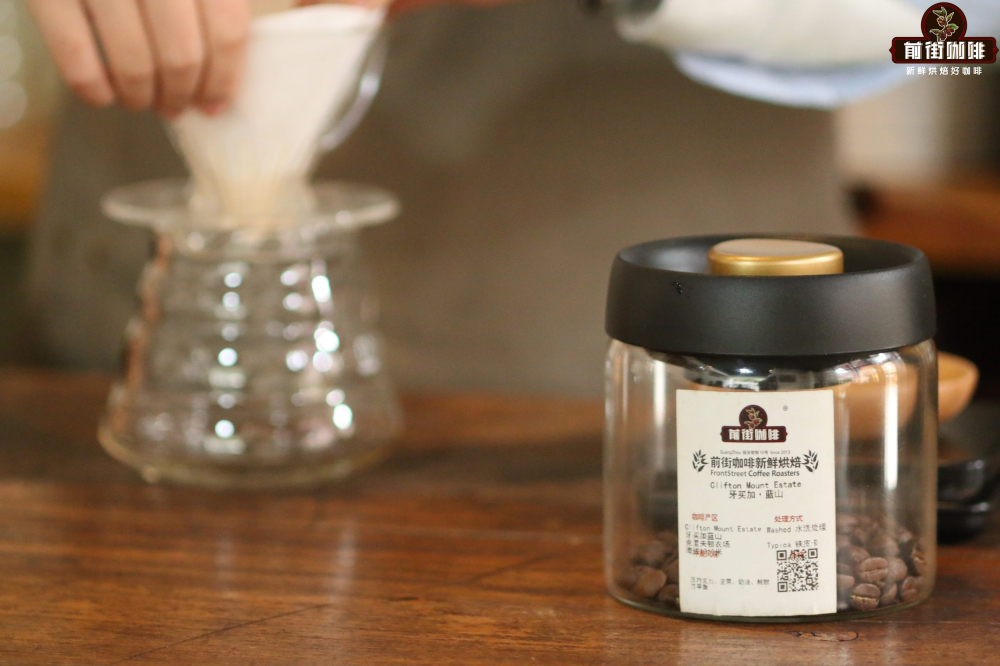
After Front Street Coffee received the Blue Mountain green beans, it found that the Blue Mountain coffee beans are very plump, uniform in screen size, slightly upturned at both ends, oval in shape, and thin and flat when viewed from the side, indicating that they are pure Typica variety. Front Street Coffee determines the flavor by developing a roasting profile, then conducting cupping, then adjusting the roasting profile, and finally brewing. The following are Front Street Coffee's parameters for brewing this washed Blue Mountain coffee:
Dripper: Kono dripper Coffee dose: 15g Coffee-to-water ratio: 1:15 Water temperature: 88-89°C Grind size: medium-coarse grind (75% passing a No. 20 standard sieve)
The brewing uses a staged pouring method: first pour 30 grams of water for a 30-second bloom, then pour 95 grams, finishing in about 1 minute; when the water level drops to two-thirds of the coffee bed, pour the remaining 100 grams, finishing in about 1 minute 40 seconds to 1 minute 45 seconds. After dripping is completed, remove the dripper, and extraction is complete. The flavor profile of this washed Blue Mountain is high cleanliness, very bright, good body, and a balance of acidity, sweetness, and bitterness.
In addition to this washed Blue Mountain coffee bean, there is also the Geisha coffee bean that Front Street Coffee just mentioned. This Blue Mountain Geisha coffee bean listed by Front Street Coffee also uses a washed processing method, so after roasting, Front Street Coffee found that it has a silver line in the center, which is also one of the ways to distinguish washed beans from natural beans.
Front Street Coffee conducts cupping within 8 to 24 hours after roasting this coffee bean. The Front Street Coffee barista uses a 200 ml standard cupping bowl, with a grind size of 70%-75% passing a No. 20 standard sieve, a dose of 11.3 g, and a water temperature of 94°C. First grind and smell the dry aroma. The dry aroma of the Blue Mountain Geisha coffee bean gives off a caramel flavor, then pour water to fill the bowl and confirm the wet aroma. After 4 minutes, break the crust and skim, then carry out flavor evaluation. The wet aroma gives off a faint floral scent. Using the same brewing method to brew this Blue Mountain Geisha coffee bean, it has a citrus acidity and grapefruit sweet-tartness on the entry, jasmine floral notes in the middle, and a finish of honey and caramel sweetness and acidity.
With the development of the specialty coffee market, Jamaican Blue Mountain is also constantly innovating. Whether it is from washed Blue Mountain to natural Blue Mountain, or the emergence of Geisha coffee, it can be seen that the market for Jamaican Blue Mountain coffee has very great potential.
The above content is compiled by CoffeeHunters, a coffee news website.


