







Search Results for: wildlife conservation
Assam's Banaspaty Organic Tea Garden: Ecological Practices for Human-Elephant Coexistence and Darjeeling Salamander Conservation
In the Karbi-Along hills of Assam, India, the Banaspaty Tea Estate, as the region's first certified organic tea garden, has not only produced premium black tea since its founding in 1905, but has also pioneered a path of peaceful coexistence amid human-wildlife conflict. Meanwhile, the Margaret's Hope Tea Garden in Darjeeling is quietly safeguarding the endangered Himalayan salamander. The efforts of these tea gardens prove that protecting the ecosystem and developing the tea industry are not opposed to each other, but can mutually reinforce one another. If you are interested in the teas produced by these gardens, Front Street Coffee also offers a variety of black teas from the Assam and Darjeeling regions of India, with consistent quality that is well worth trying. [more…]

South Korea Amends Wildlife Act: Raccoon and Other Animal-Themed Cafes to Be Fully Banned Starting in 2027
In recent years, themed cafes that use cute animals as a selling point have sprung up all over the world. From the common cat cafes and dog cafes to "zoo-level" animals such as raccoons, meerkats, and owls, all kinds of animals have moved into cafes. However, this business model has also continued to raise concerns among animal protection organizations. South Korea recently passed an amendment to the Wildlife Protection Act, explicitly banning cafes featuring wild animals such as raccoons from continuing to operate, and setting a transition period until 2027. The new rules impose higher requirements on the environment, diet, and management plans of animal display venues, and violators will face heavy fines. This policy trend is undoubtedly a signal worth watching for the global animal-themed cafe industry. [more…]
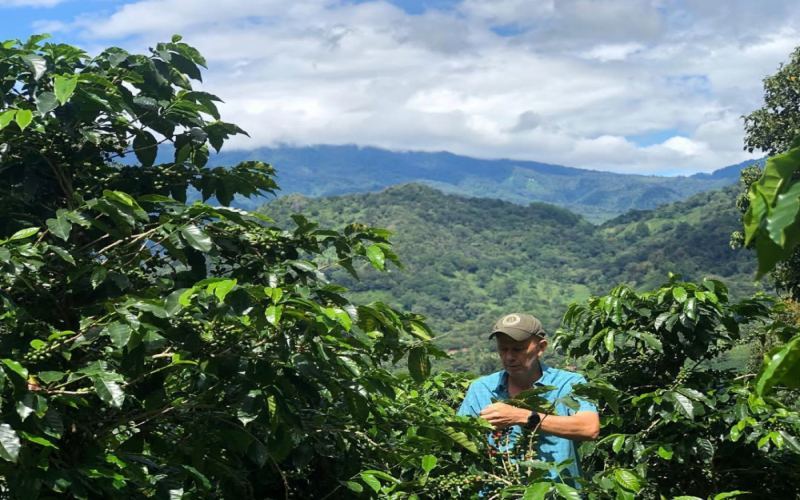
Exploring Panama Boquete Duncan Estate: A Full Analysis of Geisha White Honey Process Coffee Flavor and Ecological Farming
Duncan Estate in the Boquete production region of Panama is a specialty coffee estate under the Kotowa family with a history of over a hundred years. With its exceptional geographical conditions and strict ecological management, it has become a frequent winner at BOP auctions. This article provides a comprehensive introduction to Duncan Estate's production region background, growing environment, processing techniques, and award history, with a focus on analyzing the flavor characteristics of its Geisha White Honey processed coffee beans. At the same time, Front Street Coffee has also acquired the estate's Natural Caturra, presenting through medium-light roasting and cupping a layered profile of floral notes, candied fruit, and fermented fruit nuances. Whether you are a Geisha enthusiast or a Caturra fan, you can experience the unique charm of Panamanian specialty coffee. [more…]

Xi'an Zoo café's "lion petting package" has been halted, wildlife protection station steps in to inspect
Recently, a café inside Xi'an Weiyang Lake Zoo introduced a special service — while drinking coffee, customers can also have a 10-minute close encounter with a lion cub just over a month old. This package starts at 268 yuan, which has sparked considerable attention and a check-in craze among netizens, but some have also raised safety concerns. On February 10, zoo staff confirmed that the program was launched during the Spring Festival, and visitors could interact with the lion cub under the supervision of professional keepers. However, as the incident gained traction, the Xi'an Wildlife Protection Station intervened to inspect and halted the close-contact interactions between visitors and the lion, and the online lion-petting packages have also been taken down. This article will walk you through the whole story and the responses from all parties. [more…]

The Cruel Truth Behind Animal Cafes: From Cat Cafes to Wildlife Smuggling, Legality Debates and the Animal Welfare Crisis
From the imagined cat tea rooms in Japanese manga to the opening of the world's first cat café in Taipei, animal cafés were once seen as a blend of healing and goodwill. Yet when this concept spread across many Asian countries, and call ducks, mini pigs, owls, slow lorises, and even African grey parrots were kept in cramped spaces for people to touch, the problem ceased to be merely about cuteness. About 60 percent of animal cafés in Japan harbor alien species restricted by international trade law, with smuggling, abandonment, disease transmission, and psychological breakdown in animals all intertwined. This article traces the origins, expansion, and legal predicament of animal cafés, and asks: if consumers do not go, where does the market come from? [more…]
Exploring Panama's Hartmann Estate: From Forest Conservation to the Unique Flavors of Natural Geisha
Hacienda Hartmann is one of the oldest coffee farms in the Volcan region of Panama and a coffee family of distinguished reputation. Since old Hartmann established the estate in 1940, he has upheld a philosophy of respecting nature, preserving large areas of primary forest, and making the estate a model of cooperation for bird conservation and academic research. The estate is located in the Baru Volcano region, with fertile volcanic soil and a high-mountain microclimate, and grows many bean varieties; in recent years it has become even more active in planting Geisha. This article introduces the history and current situation of Hacienda Hartmann and the flavor characteristics of its natural-process Geisha coffee beans, taking you to appreciate the unique charm of this coffee from a champion-producing region. [more…]
What is Rainforest Alliance certification? What environmental and fair trade standards does the green frog logo on coffee beans represent?
When selecting coffee beans, you may have noticed a green frog printed on the packaging — this is the Rainforest Alliance certification mark. Behind it lies a set of strict agricultural and environmental standards, covering ecological protection, farmers' rights, labor conditions, and sustainable development. Since the Rainforest Alliance was founded in New York in 1987, it has helped certify over one hundred million acres of crops, with coffee being one of the most traded agricultural products among them. This article will walk you through the core philosophy of the Rainforest Alliance, the specific standards for certified crops, and what this mark means for consumers and the coffee industry, helping you gain a more comprehensive understanding of the environmental and social value behind your everyday coffee choices. [more…]
Analysis of Brazil's Four Main Varieties: Cultivation, Flavor, and Market of Honey-Process Catuai and Rainforest Alliance Certified Specialty Coffee
Brazil, as the world's largest coffee-producing country, has its variety structure and processing methods profoundly influencing the specialty coffee market. This article focuses on Catuai, one of Brazil's four main varieties, sorting out the differences between its red and yellow fruit, its dwarfed wind-resistant characteristics, and its flavor performance, and also introduces the environmental and labor standards of Rainforest Alliance certification (frog bean). At the same time, combined with the cupping experience of Front Street Brazil Catuai, it analyzes how honey processing and the SHB grade shape dry aroma, acidity, and mouthfeel. The article also mentions the Geisha ARISTAR competition results of Finca La Valentina estate, providing coffee enthusiasts with a complete perspective from cultivation to market. [more…]
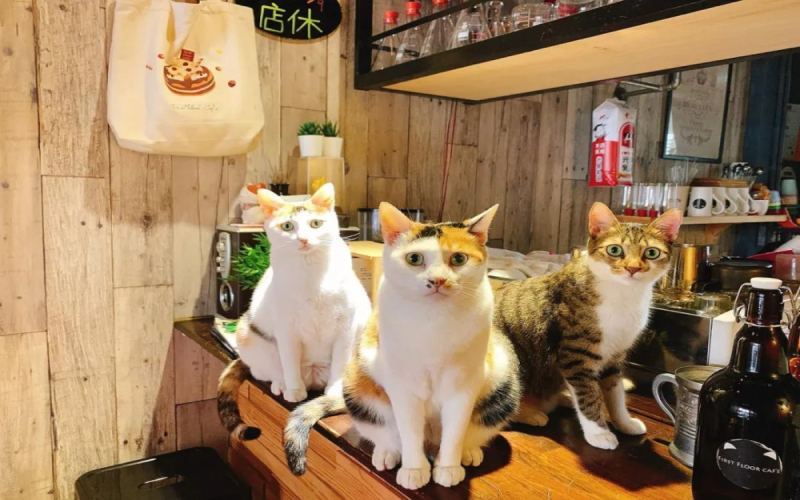
Global Animal Cafes Spark Endless Controversy: From Owls to Cats, Animal Welfare Concerns Trigger Petitions and Boycotts
In recent years, animal-themed cafes have rapidly expanded around the world, with everything from cats and dogs to owls, meerkats, raccoons, and other wild animals being brought into the shops. However, animal protection organizations point out that these venues often lack effective oversight, and the animals are kept under chronic stress and sleep deprivation, with their physical and mental health seriously affected. In Japan, nearly 100,000 people have signed a petition demanding the closure of cafes featuring owls and other wild animals, and South Korea has announced a total ban on displaying wild animals outside of zoos. Should consumers also reflect: without demand, how can there be a market? [more…]
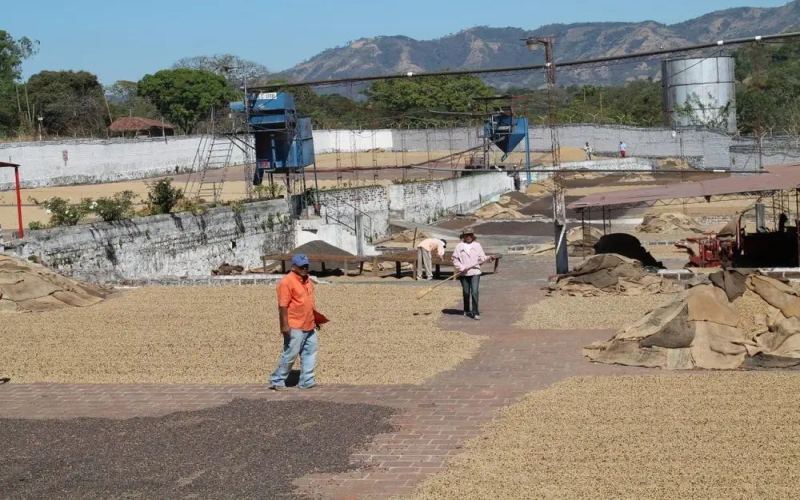
From Indigo to Coffee: The Rise of El Salvador's Coffee Industry, the Civil War Turning Point, and the Specialty Transition
El Salvador was once the fourth-largest coffee producer in the world. After coffee was introduced in 1880, it quickly replaced indigo as the country's most important export crop and economic pillar. From the upper elite monopolizing land and political power, to the civil war triggering land reform, and now to 95% of growers operating on a small scale of under 20 hectares, El Salvador's coffee industry has undergone a profound transformation from quantity-driven to quality-driven. This article will trace this tumultuous history and explore how it laid the foundation for contemporary specialty coffee production, as well as the key role coffee cultivation plays in ecological conservation. [more…]
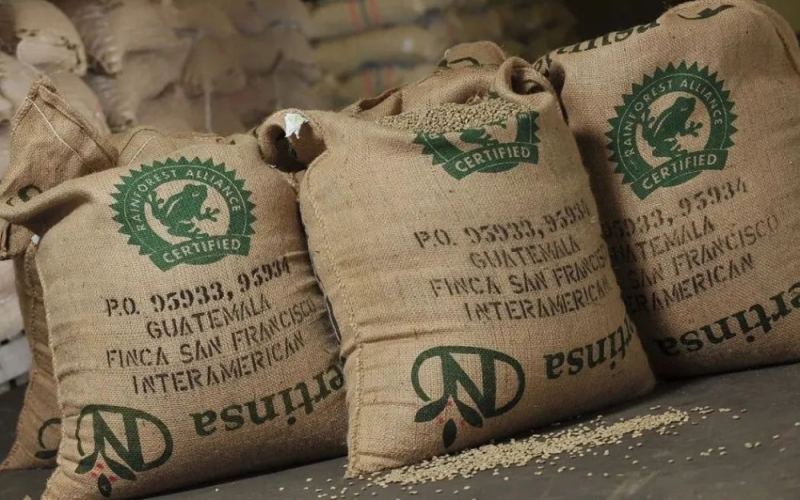
Rainforest Alliance Certification and the "Frog Bean" Revealed: The Sustainable Coffee System Behind the Red-Eyed Tree Frog Logo
In the specialty coffee world, the term "frog bean" may be niche, but it points to a rigorous environmental certification system—Rainforest Alliance certification. Coffee beans bearing the green red-eyed tree frog logo mean that everything from cultivation to processing meets ecological protection and social responsibility standards. This article will walk you through the origins of the Rainforest Alliance, its merger with UTZ, the specific contents of the certification criteria, and why the red-eyed tree frog was chosen as the logo. We will also introduce the rare coffees currently on the market that have obtained this certification, including Front Street Coffee's Panama Diamond Mountain and Jamaica Clifton Mount Estate Blue Mountain No. 1, to help you understand the flavor and value behind "frog beans." [more…]
Panama Carmen Estate Geisha Coffee Flavor Analysis and Pour-Over Parameters Guide
Carmen Estate in Panama is located in the Boquete Valley at an altitude of about 1,700 meters, adjacent to the Costa Rican border, and is a pivotal coffee-producing region in Panama. The third generation of the Franceschi family has cultivated this land for over fifty years, and in recent years has poured its deep experience into the cultivation of the Geisha variety. Volcanic soil, excellent drainage, and a microclimate give the coffee distinct floral, chocolate, caramel, and forest fruit notes. This article will outline Carmen Estate's origin background, variety composition, award history, and flavor characteristics, and include a pour-over recipe recommended by Front Street Coffee for coffee lovers' reference. [more…]
In-Depth Analysis of Clifton Mount Blue Mountain Geisha: Green Bean Grading Rules and Flavor Cupping Comparison
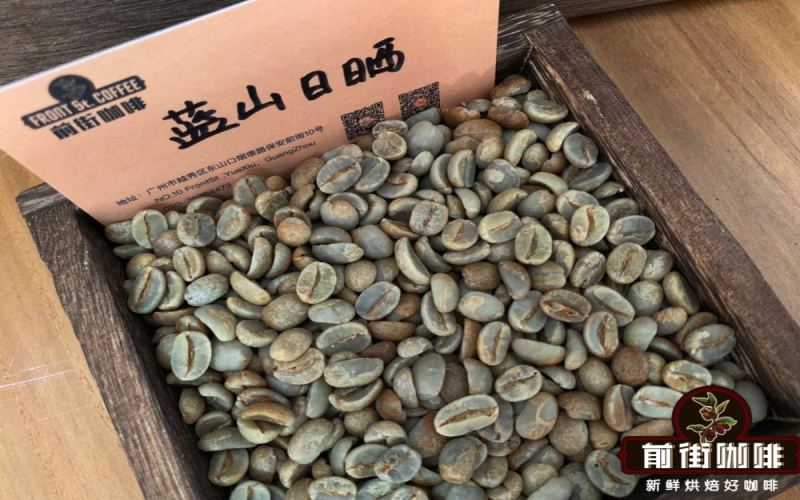
In 2020, the news that Clifton Mount Estate was launching a Blue Mountain Geisha sparked heated discussion in the coffee community: if Geisha is grown in the Blue Mountain region, does it still count as Blue Mountain coffee? This article first introduces readers to the terroir of authentic Blue Mountain, the grading standards from NO.1 to NO.3 and PB peaberry, and the estate's cultivation history and Rainforest Alliance certification; then Front Street Coffee will compare Blue Mountain Geisha and traditional washed Blue Mountain one by one, from variety origin, roasting curve, and cupping performance to V60 brewing, clearly presenting the differences between the two in floral aroma, nuttiness, and body. If you want to understand whether this innovative bean is worth trying, you may find the answer in this article. [more…]
Panama Boquete Carmen Estate Geisha: A Full Analysis of Volcanic Terroir and Top-Five Cup Score Flavors
Located in the Boquete Valley of Panama, Carmen Estate, with an elevation of about 1,700 meters, volcanic soil, and diverse microclimates, produces high-quality coffee with prominent floral notes and layers of chocolate and caramel. This Geisha, carefully cultivated by three generations of the Franceschi family, has repeatedly ranked among the top five in professional cupping competitions in recent years. This article provides a complete overview of the estate's natural conditions, cultivation and harvesting, and processing techniques, as well as its award-winning results over the years, and includes Front Street Coffee's personally tested V60 three-pour brewing parameters, giving you a comprehensive understanding of the appeal of this famous Panamanian bean. [more…]
Flavor Analysis and Brewing Suggestions for Costa Rica Brunca Monteverde Estate Black Honey Geisha Coffee
Located in the Brunca region of Costa Rica, Finca Vista al Cerro was founded in 2005 by the Ureña Rojas family at an altitude of 1,550 meters, adjacent to Chirripó Mountain and Cerro de la Muerte, where a unique valley microclimate nurtures high-quality coffee. The estate employs a black honey processing method, retaining the complete mucilage layer for 12-15 days of sun-drying, which creates this Geisha coffee's rich fermented sweetness and fruity character. This batch of black honey Geisha, sourced by Front Street Coffee, is roasted to a medium-light level, with cupping notes revealing high sweetness of citrus, cherry, and cantaloupe, soft acidity, and a full body. This article provides a detailed introduction to the estate's background and processing techniques, along with Front Street's recommended V60 three-pour brewing parameters, helping coffee enthusiasts recreate its rich layers of flavor at home. [more…]

Analysis of the Romantic Symbolism of Blue Mountain Coffee, Its Flavor and Taste Characteristics, and a Guide to Authentic Purchasing
Blue Mountain coffee, as the earliest representative of specialty coffee known to Chinese consumers, has long been talked about for its high price and unique romantic symbolism. But do you know the true definition standards of Blue Mountain coffee? Why was it monopolized by Japan for so long? And how can you identify authentic Blue Mountain No. 1 today? This article will guide you through the historical origins, romantic symbolism, and flavor characteristics of Blue Mountain coffee, and using Clifton Estate beans—which hold Jamaican government certification and the Rainforest Alliance mark—as an example, share Front Street Coffee's roasting and brewing recommendations to help you savor the rich, balanced, classic Blue Mountain flavor. [more…]

Analysis of Flavor Differences Between Blue Mountain Geisha and Blue Mountain No. 1: Cupping and Brewing of Clifton Estate's Innovative Creation
In 2020, Jamaica's Clifton Estate did something that broke with tradition—it planted Geisha in the Blue Mountain region. This rare lot of Blue Mountain Geisha was washed-processed and exported in wooden barrels, and Front Street Coffee obtained it right away and completed the roasting and cupping. This article covers the estate's history, the motivations behind this Blue Mountain innovation, the origins of the Geisha variety, the processing method, the roasting curve, and the brewing parameters, offering a complete breakdown of this coffee's flavor expression and answering how it differs in taste from the classic Blue Mountain No. 1, providing coffee lovers with a detailed tasting reference. [more…]
Flavor Differences Between Jamaican Blue Mountain Geisha Coffee Beans and Panamanian Geisha, and Front Street Brewing Analysis
In 2020, Jamaica's Clifton Estate broke with tradition, not only launching sun-dried Blue Mountain in batches but also cultivating and exporting Blue Mountain Geisha for the first time. This scarce bean is packaged in wooden barrels and carries Rainforest Alliance certification. Front Street Coffee obtained samples right away and found that it is washed-processed and medium-light roasted, cupping with citrus, berry, and jasmine aromas. So, how exactly does it differ from Panama Geisha? This article will compare variety history, growing altitude, processing method, and brewing parameters, and share Front Street's roasting and pour-over insights. [more…]
Panama Duncan Estate Geisha Coffee Beans: Flavor Differences Between Natural and Washed Processing Methods and Analysis of the Estate's Characteristics
Panama Duncan Estate, as a renowned specialty coffee estate under the Kotowa family, is famous for its Geisha variety and meticulous picking techniques. This article provides a detailed analysis of the geography and terroir of Duncan Estate and Don Herrera Estate, the impact of altitude and climate on coffee quality, and the unique features of the top picking method and the reserve picking method; it also compares the flavor differences between the natural and washed processing methods, and includes the BOP award records over the years and complete estate information. Front Street Coffee recommends paying attention to the jasmine floral aroma and tropical fruit complex flavors of its Geisha variety, which is suitable for coffee enthusiasts to gain an in-depth understanding of the ultimate charm of Panamanian specialty coffee. [more…]
Papua New Guinea Bird of Paradise Coffee Bean Flavor Profile and Price Analysis | Front Street Sigri Estate Specialty Coffee Brewing Guide
Papua New Guinea's Bird of Paradise coffee beans, with their unique Blue Mountain lineage and refined washed processing, have made this a star-producing region in the specialty coffee world. What exactly are the special flavors of Front Street Coffee's Papua New Guinea Bird of Paradise Estate coffee beans? How much does a cup of Bird of Paradise coffee cost in a café? Is it more cost-effective to brew it yourself at home? This article provides a comprehensive analysis of the Sigri Estate's regional background, processing methods, green bean grading, roasting recommendations, and brewing parameters, along with Front Street's high-value recommendations, to give you an in-depth understanding of this specialty coffee full of floral aromas and fruity acidity. [more…]