







Search Results for: variable pressure extraction
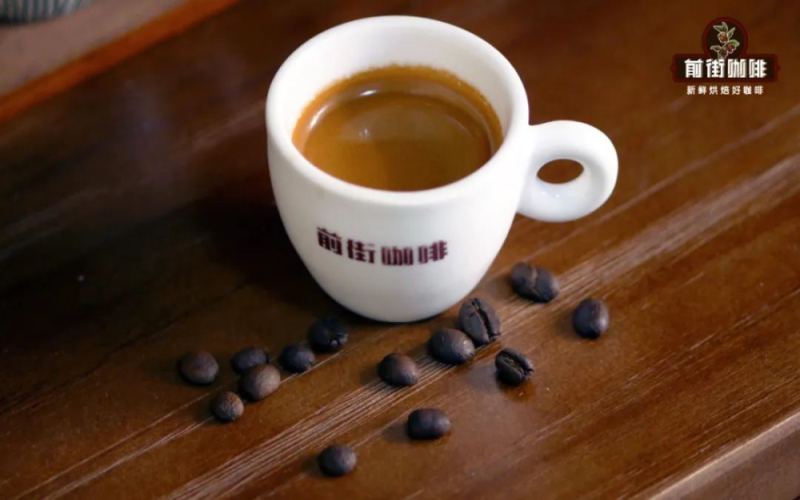
A Complete Guide to Espresso Extraction: From Milliliter Standards to Nine Key Variables
Espresso tastes bitter? The problem likely lies in the extraction process. Front Street Coffee begins with the century-long evolution of espresso machines, sorts out the operating parameters of modern Italian coffee machines, and uses the Lelite V3 as an example to fully demonstrate the production process of an espresso. From dose and distribution to water pressure, water temperature, grind size, extraction yield, and crema condition, nine key variables are broken down one by one to help you understand the technical logic behind a qualified espresso and find the adjustment direction that suits your own flavor preferences. [more…]
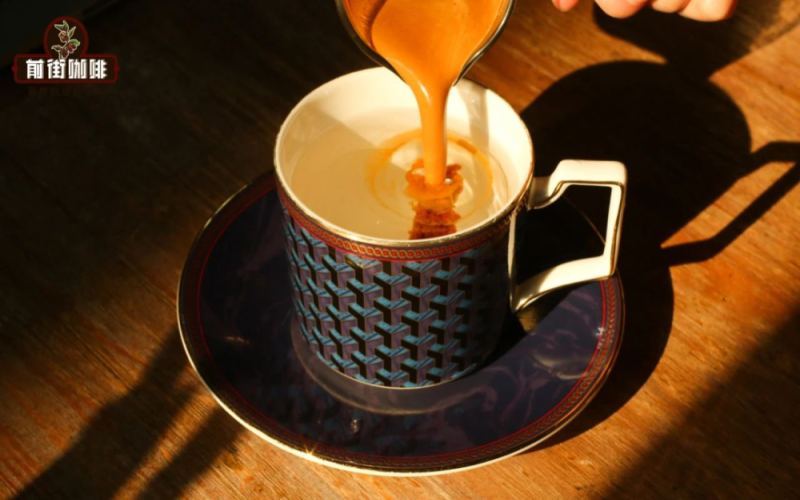
Why does iced Americano made from the same beans taste different? Analyzing the four major variables affecting espresso extraction and the preparation standards
When you order an iced Americano at a café, sometimes the taste feels a little different from last time—same shop, same beans, yet the fruity acidity, body, and aroma may shift subtly. This difference is not an illusion, but the result of multiple variables working together: the resting state of the coffee beans, weather and humidity, hopper pressure, and temperature changes in the grinder during continuous shots. This article will break down these factors affecting espresso extraction one by one, and explain the parameters and logic behind making a standard iced Americano, helping coffee lovers understand the espresso system behind a delicious cup. [more…]
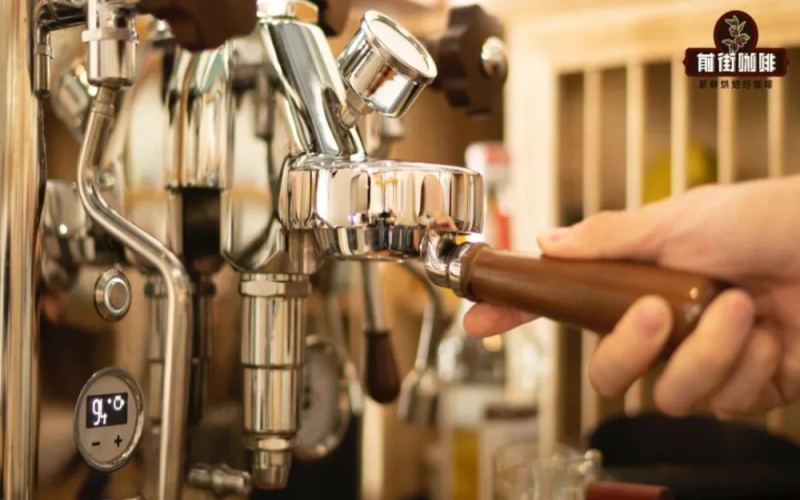
Why Is 9 Bar the Standard for Espresso Extraction Pressure? Measured Differences Between 6 Bar and 11 Bar and Ideas for Parameter Adjustment
In the extraction parameters of espresso, pressure is often regarded as a variable that is not easy to adjust but has far-reaching effects. This time, Front Street Coffee focuses on this "hidden key player"—extraction pressure. The article first clarifies the difference between extraction pressure and pump pressure, then through three comparison experiments at 6 bar, 9 bar, and 11 bar, demonstrates how pressure changes affect flow rate, time, and flavor performance. It then explains why 9 bar has become the factory default for coffee machines, and the burnt bitterness that may result from pressures above 10 bar. Finally, it briefly mentions the trend of variable pressure extraction, providing coffee enthusiasts with a clear reference for understanding pressure and parameter adjustment. [more…]
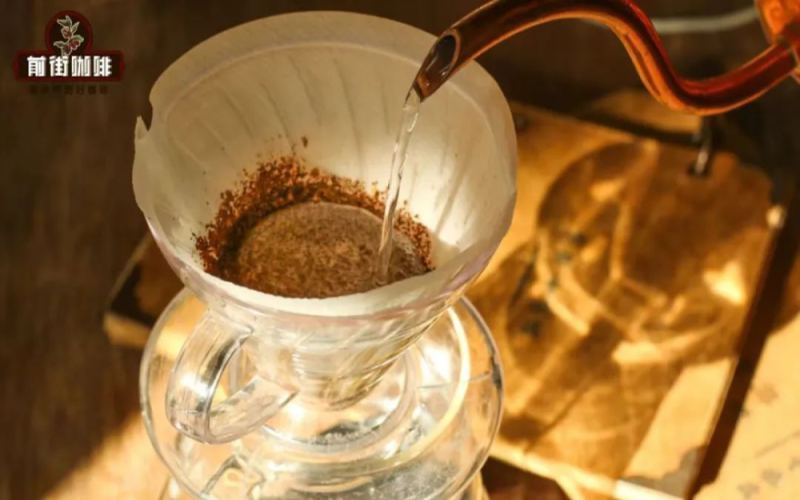
When should espresso extraction timing start? Master the time variable to precisely adjust flavor
The starting point for measuring extraction time may seem like just a matter of a few seconds, but it actually has a profound impact on judging and adjusting coffee flavor. Many coffee enthusiasts are often confused by this in practice: should espresso timing begin when the machine is started, or after the liquid begins to flow? In this article, Front Street Coffee sorts out the correct way to measure extraction time and takes a deeper look at why time is an indispensable part of extraction parameters. From the bloom pour in pour-over brewing to the pressurized permeation in espresso, understanding how time interacts with other parameters can help you quickly pinpoint the problem when the flavor goes off, making every adjustment more purposeful. [more…]
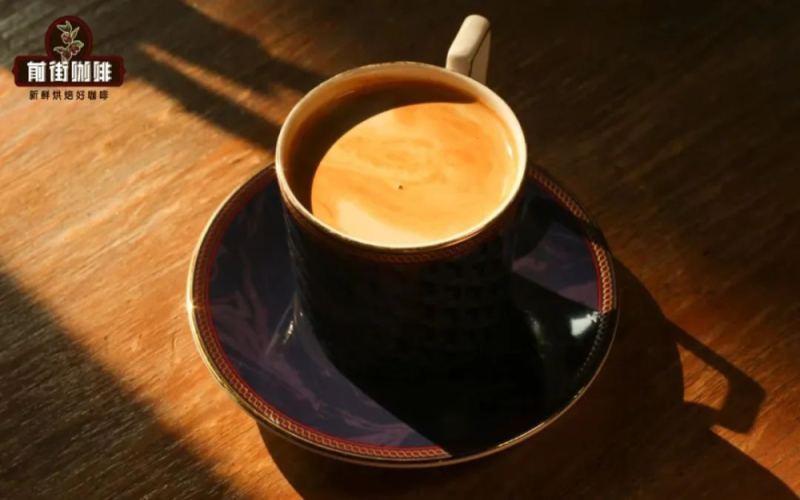
Why does an iced Americano from the same beans taste good one time and bad another? Four major variables shape the flavor of the Americano in your hand.
The same shop, the same beans, yet the americano can often come out tasting like two completely different cups—Front Street Coffee's store received exactly this kind of feedback from customers this week. The article starts with the minimalist essence of the americano: "espresso diluted with water." Since the recipe is fixed and water has no flavor of its own, any variation can only come from the espresso itself. It then breaks down, one by one, four variables that are often overlooked: the resting rhythm and ongoing degassing of the coffee beans, the interference of rainy, high-humidity weather with grinding and pressurization, particle size drift caused by hopper pressure, and the heat effects of a grinder running nonstop. It also includes the actual brewing parameters and bean-resting experience for Front Street Coffee's Warm Sun beans, helping you understand the story behind the flavor ups and downs of a single cup of iced americano. [more…]
Complete unboxing record of the La Marzocco Strada espresso machine: Analysis of the pressure profiling technology in both MP and EP versions
In recent years, variable pressure extraction has become the most closely watched technological direction in the field of espresso machines. From Synesso to Slayer, and then to the Strada launched by La Marzocco, the design of pressure control valves has continuously evolved. This article provides a complete record of the unboxing of the La Marzocco Strada at the illy Coffee University in Shanghai, China, detailing the appearance, structure, and core differences between the Strada MP manual version and the Strada EP electronic version. The MP version directly controls water flow and pressure through an internal mechanical valve, while the EP version uses an electronic gear pump to achieve stepless pressure variation from 0 to 12 BAR and can store pressure profiles. For coffee enthusiasts following the technological development of espresso machines, as well as readers of Front Street Coffee, this unboxing record provides rare hands-on details and firsthand observations. [more…]
How to Brew Delicious Aeropress Coffee? A Full Breakdown of the Four Key Brewing Variables and Equipment Features
At a time when siphon and pour-over coffee are all the rage, the AeroPress, with its syringe-like shape and simple operation, is becoming a hot new trend among baristas. This device is easy to use, lightweight, and drop-resistant, so you can brew a cup anytime at home or outdoors. This article will outline the core features of the AeroPress—brewing completed in about one minute, a sediment-free cup after filtering, and hassle-free cleaning—and break down the four major factors that determine coffee quality: water temperature, stirring, time, and pressure, analyzing how each variable affects the final flavor. At the end, it also includes the AeroPress brewing parameters for Front Street 90+ Candlelight for everyone to reference and practice with. [more…]
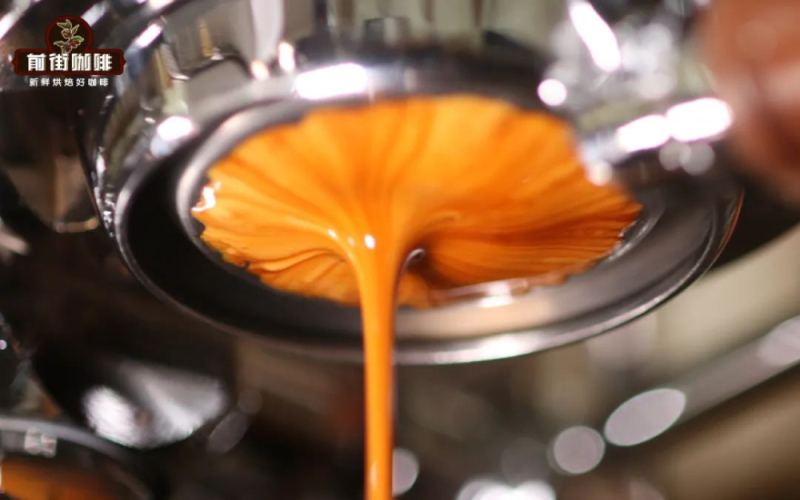
Why Is the Standard Espresso Extraction Pressure 9 Bar? Front Street Coffee Analyzes How Pressure Affects Coffee Flavor and Crema
In espresso extraction, pressure is often glossed over, yet it is a core parameter that determines the direction of flavor. When Front Street Coffee shares espresso knowledge, it repeatedly emphasizes the five key factors: coffee beans, dose, ratio, grind size, and time. But what truly dictates espresso quality is also pressure. This article starts by distinguishing pump pressure from extraction pressure, compares extraction performance at 6 bar, 9 bar, and 11 bar, explains why 9 bar has become the recognized standard, and retains product information for Front Street Coffee's Black Cocoa Base Blend and Queen's Estate, helping coffee lovers understand pressure profiling and the trade-offs in concentration. [more…]
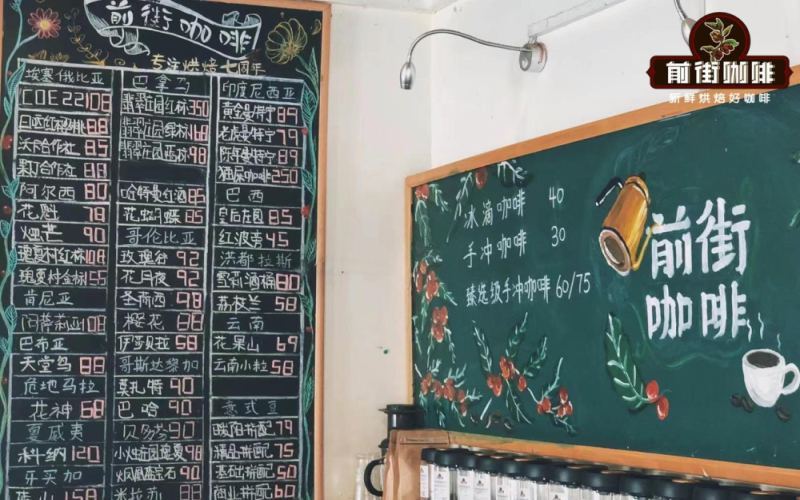
The Evolution of Espresso Extraction Parameters and Their Differences from the SCAA Golden Cup Standard: A Practical Analysis by Front Street Coffee
The extraction standards for espresso have always been a core topic of interest for coffee enthusiasts. The SCAA once defined it as 9-10 atmospheres of pressure, 7-9 grams of coffee grounds, water temperature of 88-92°C, and extraction of 45ml in 22-28 seconds, but today the actual operating parameters of specialty coffee shops have clearly diverged from this. Starting from the practical experience of Front Street Coffee, this article reviews the evolution of espresso extraction parameters along with roasting trends and equipment technology, analyzes the influence of the five major variables—dose, water temperature, time, pressure, and grind size—and introduces the flavor performance of Front Street Sunflower Warm Sun blend beans as well as the correct way to taste espresso. [more…]
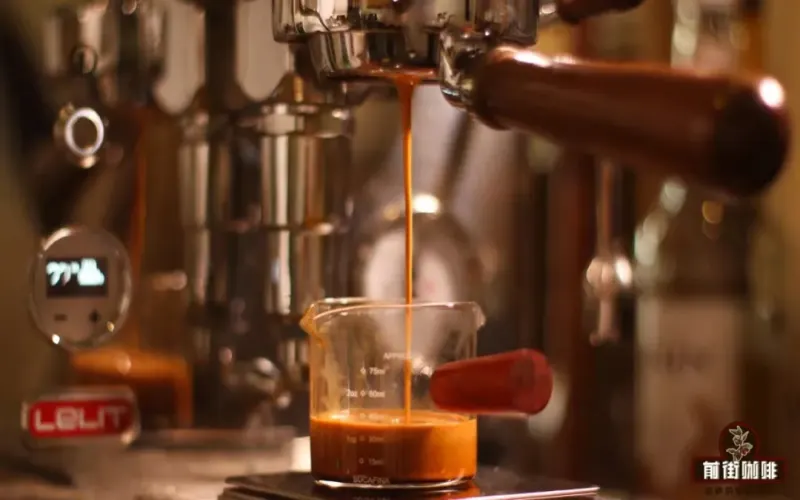
How does water temperature influence coffee extraction efficiency and crema formation? Can it also change espresso flow rate?
Water temperature is a key variable in coffee extraction, as it directly determines the dissolution rate of flavor compounds. In pressurized espresso extraction, the role of water temperature goes far beyond simply affecting the extraction yield—it also alters the release rhythm of carbon dioxide, thereby influencing the thickness and texture of the crema, and even affecting the flow rate of the coffee liquid. Front Street Coffee once mentioned in an analysis of crema hardening that when extraction efficiency is too high, carbon dioxide surges out in a concentrated burst, making the crema layer thicker, and water temperature is one of the factors driving this change. Starting from Front Street Coffee's observations, this article sorts out the interconnected relationships between water temperature and extraction efficiency, crema formation, and flow rate, to help you control the variable of water temperature more precisely in your daily brewing. [more…]
A Complete Analysis of Six Coffee Extraction Methods: Brewing Principles and Practical Tips from Pour-Over to Espresso
Extraction is the core step that determines the success or failure of a cup of coffee's flavor. Whether it's pour-over drip, espresso, or French press, different equipment corresponds to截然不同的 extraction modes. This article will systematically sort out six mainstream coffee extraction methods—immersion, decoction, percolation, pour-over drip, vacuum filtration, and pressurized extraction—and deeply break down the operational details of pour-over and espresso. From the principles of dissolution and diffusion after coffee beans are ground, to Espresso's extraction pressure, time, and water temperature parameters, and then to the formation of Crema and the golden extraction standard, it helps you understand how each variable affects the final flavor. At the same time, combined with the practical experience of Front Street Coffee, it provides coffee enthusiasts with actionable brewing ideas and adjustment directions. [more…]
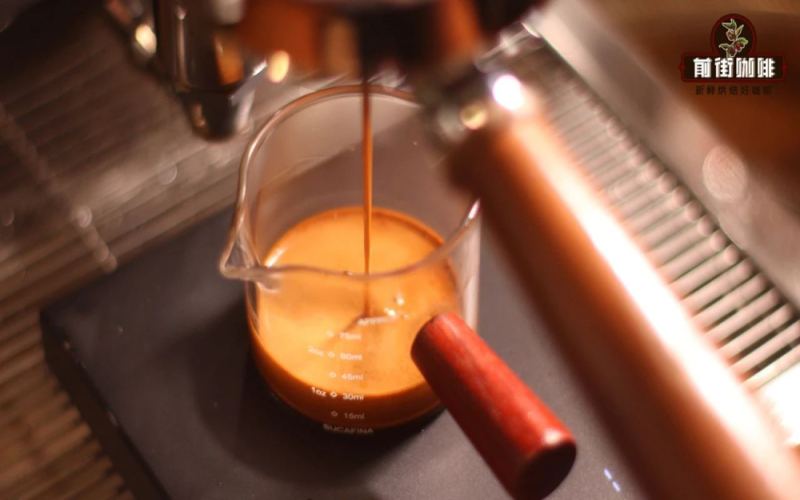
Espresso Extraction Adjustment Guide: A Full-Process Analysis from Parameter Variables to Iced Americano Preparation
The soul of an Americano lies in the quality of the espresso. Yet dialing in espresso often feels daunting—even professional baristas need multiple attempts when facing a new bean. Drawing on the hands-on experience of Front Street Coffee, this article systematically breaks down the various parameters that affect espresso extraction, explains in detail the adjustment logic behind the three core variables of grind size, dose, and yield, and offers specific correction plans based on flavor performance. In addition, the article includes a standardized procedure for making iced Americano, as well as the many health benefits of drinking Americano in moderation, providing coffee lovers with a complete reference from dialing in to serving. [more…]
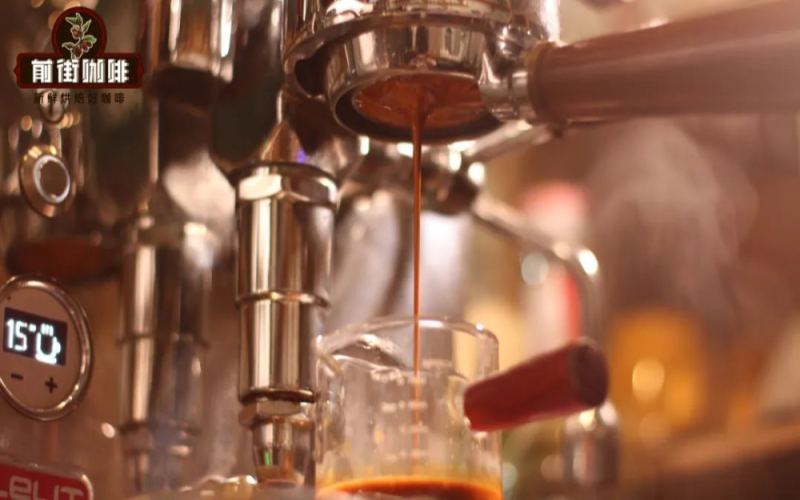
Analysis of Three Major Causes of Abnormal Espresso Flow Rate: Grind Retention Differences, Burr Temperature Rise Effects, and Boiler Load Issues
Same beans, same grind setting and dose—so why does the espresso extraction time keep swinging between fast and slow? Many coffee lovers have run into this puzzle. Drawing on Front Street Coffee's hands-on experience, this article systematically breaks down three common causes of extraction differences: the grind discrepancy between tamping and not tamping, the temperature rise effect after the burrs run continuously, and the load problem when the espresso machine's boiler is extracting and steaming milk at the same time. Understanding these variables will help you control extraction stability more precisely in your daily brewing. [more…]
Key Variables That Determine Espresso Flavor and a Complete Guide to Making Americano
The soul of an Americano lies in the quality of its espresso, yet dialing in espresso parameters often gives coffee lovers a headache. Drawing on the hands-on experience of Front Street Coffee, this article systematically breaks down the core variables that shape espresso flavor—grind size, dose, and yield—and offers a step-by-step tuning method to help you quickly find your ideal extraction solution at home. It also provides practical guidance on working backward from flavor to adjust parameters, along with the standard method for making iced Americanos and several health benefits of drinking Americano coffee, making it a worthwhile read for anyone looking to refine their espresso skills. [more…]
From Grinding to Temperature Control: Systematically Master the Seven Core Elements of Stable Espresso Extraction
To consistently make a delicious Espresso at home or in a shop, relying on feel alone is far from enough—you need to understand and control several key variables. This article breaks down the hardware and operational points that affect espresso quality one by one, from grind uniformity, fixed dose, and tamping technique, to brewing pressure, water temperature, extraction yield, and machine materials. Whether you use a flat burr or conical burr grinder, a vibration pump or rotary pump, you can find practical adjustment ideas here. The article also shares Front Street Coffee's practical suggestions on equipment selection and parameter settings, helping coffee enthusiasts avoid detours and make every shot of espresso closer to the ideal state. [more…]
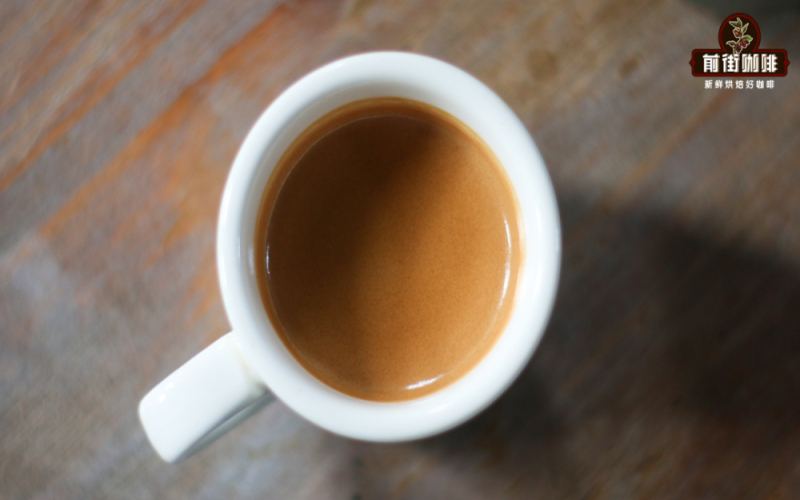
How to make a proper espresso? A complete guide from machine principles to parameter tuning
To make a good Americano, latte, or cappuccino, the first step always comes down to a proper shot of espresso. From the perspective of Front Street, this article first explains the pressure extraction principle of espresso machines, then breaks down the four major adjustable variables—dose, time, yield, and grind size—goes on to explain why blended beans are better suited for espresso output, and provides a complete workflow from distribution and tamping to observing extraction. Finally, it includes guidance on judging daily parameter adjustments to help you consistently master the flavor in your cup. [more…]
The Complete Espresso Extraction Workflow: A Standard Operating Guide from Dose Selection to Parameter Fine-Tuning
A qualified espresso is the soul base of popular coffee drinks such as americano, latte, and cappuccino. Although few people drink it directly, mastering its extraction method is a required course for every coffee lover. Starting from the pressure extraction principle of espresso machines, this article will analyze in detail the control logic of the four core variables: dose, time, yield, and grind size, and explain why blended beans are more suitable for making espresso. At the same time, taking "Front Street Sunflower Warm Sun Blend" as an example, the article fully demonstrates the standard operating steps from weighing the grounds, distributing, tamping, to extraction, and provides parameter adjustment suggestions for common problems such as burnt bitterness and weakness, helping you consistently produce a balanced espresso with sweetness, acidity, and bitterness at home. [more…]
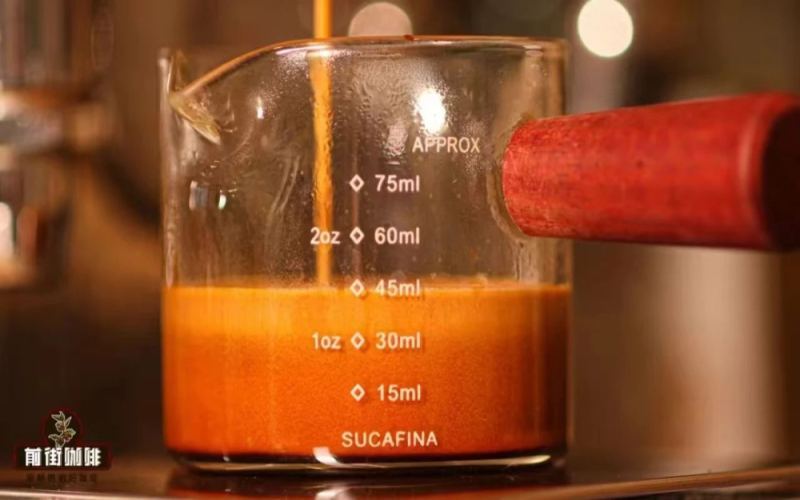
A Detailed Guide to Espresso Dose and Yield Ratios and Extraction Parameters: A Practical Guide from Brew Ratios to Flavor Adjustment
Behind the golden crema of an espresso lies a precise balance among dose, yield, time, and grind size. Many coffee enthusiasts want to recreate an ideal espresso at home, yet are often troubled by the flavor fluctuations caused by changes in parameters. This article starts from the calculation logic of the coffee-to-water ratio, systematically sorts out the mutual influences among extraction time, grind coarseness, and dose adjustment, and, combined with actual operating cases from Front Street Coffee stores, shows how to correct the extraction direction by observing flow rate and tasting perception. Whether you use a semi-automatic or fully automatic espresso machine, understanding the relationships among these variables can help you more efficiently dial in an espresso with rich vinous notes and thick crema. [more…]
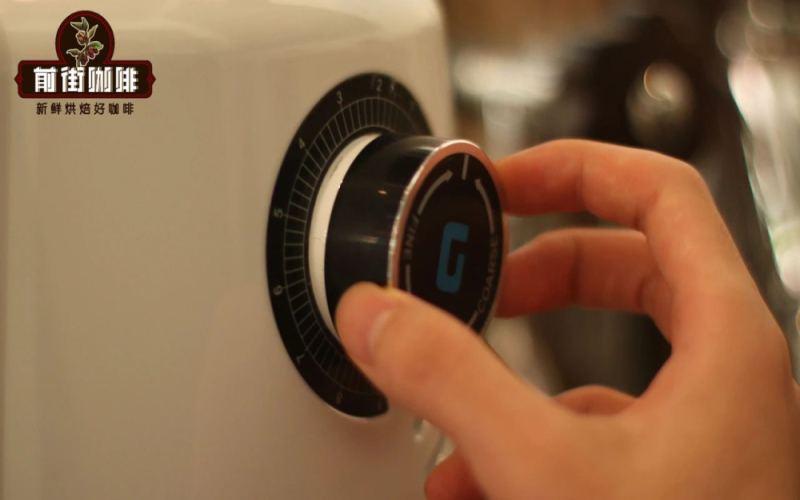
A Complete Guide to Grind Settings for Pour-Over and Espresso: From the Principles of Grind Adjustment to Practical Operation of Electric Grinders
Why must coffee shops adjust their coffee grinder every day? Because the humidity of the coffee beans, storage time, and even subtle changes in air pressure, temperature, and humidity are all magnified under high-pressure extraction, directly affecting the quality of the final cup. Starting from the principles of grinding, this article explains in detail how the spacing of the burrs determines particle size and water flow rate, and teaches you to judge whether the grind is appropriate by observing the texture of the powder; it also provides a complete set of adjustment steps from traditional manual coffee grinders to electric coffee grinders, including the linked relationship between output volume and grind degree, and the optimal distance between the puck and the spout, and other practical parameters. No matter what equipment you use, only by mastering these adjustment principles can every cup of espresso consistently present the ideal flavor. [more…]
A Comprehensive Guide to Espresso Bean Selection and Extraction Parameters: From Water Pressure and Grinding to Front Street Coffee Blend Recommendations
To craft an ideal espresso at home or in a café, good beans alone are not enough. Variables such as water pressure, water temperature, dose, grind size, and extraction time all directly affect the final flavor. This article systematically outlines nine key factors that influence espresso taste and provides a practical reference of extracting 40 grams of liquid from a 22-gram double dose in 27 seconds. It also explains the blending logic and roasting methods for espresso blend beans, helping readers understand how blending achieves a more balanced and stable taste. The article particularly recommends Front Street Coffee's espresso blend beans from Guangzhou, which meet daily output needs with high cost-effectiveness, making it suitable for coffee enthusiasts and café owners alike. [more…]