







Search Results for: vacuum
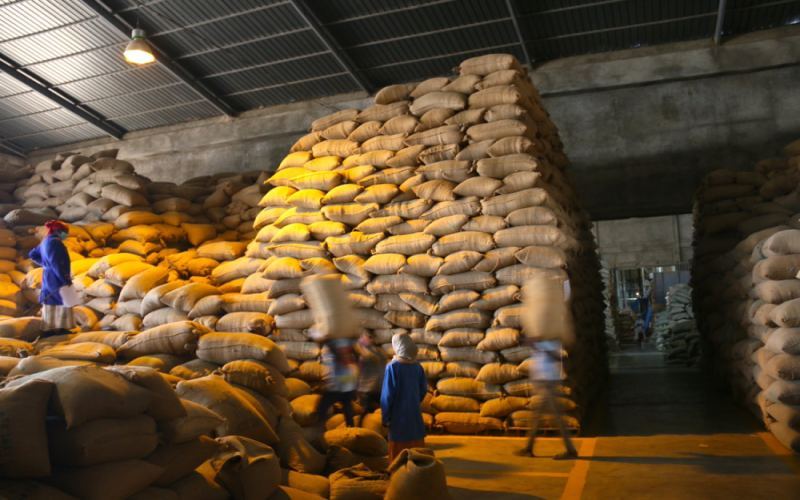
A Complete Guide to Green Coffee Packaging and Storage: From Jute Bags to Vacuum Seals and Freezing Methods
From the moment green coffee beans leave their place of origin and reach the roaster, the packaging and storage methods directly affect the final flavor. In the past, burlap sacks were the mainstream, but today specialty coffee has driven a series of more refined packaging and storage technologies, including vacuum bags, grain bags, and even frozen storage. This article will systematically introduce the commonly used green bean packaging methods, their respective advantages, disadvantages, and costs, and discuss warehouse environment management as well as different understandings of the concept of "seasonal." Whether you are a roaster or a coffee enthusiast, you can learn from this how to better maintain the freshness and quality of green beans. The burlap sacks commonly seen at Front Street stores are also mentioned in the article as one of the most economical options. [more…]

Green Coffee Packaging, Storage Conditions, and Seasonality: A Full Analysis of Jute Bags, Vacuum Bags, GrainPro Bags, and Freezing Methods
The quality of green coffee beans depends not only on origin and processing method; their packaging and storage methods are equally crucial. From the most common jute bags to vacuum bags, grain bags, and even frozen storage, different packaging methods vary significantly in their protective effect on green beans and their cost. Over the past decade, specialty roasters have driven innovation in packaging and transportation methods, using faster and more scientific approaches to lock in the freshness of green beans. This article will systematically review the advantages and disadvantages of commonly used packaging, the requirements of the storage environment, and explore the concept of "seasonality," which has attracted much attention in recent years. Whether you are a roaster or a coffee enthusiast, understanding this knowledge can help you better judge and preserve coffee beans. [more…]
Detailed Explanation of Technical Requirements, Material Selection, and Common Forms of Coffee Packaging: From Oxidation Prevention to Vacuum Gas-Flush Packaging
As a globally popular beverage, coffee packaging must not only prevent the escape of aroma and moisture absorption, but also address oxidation, odor adsorption, and quality deterioration caused by high temperatures. This article focuses on the packaging needs of regular coffee and instant coffee, systematically outlining key technical requirements such as oxidation prevention, moisture resistance, gas barrier properties, and high-temperature protection, and introduces current mainstream vacuum packaging and gas-flushing packaging processes. In terms of material selection, bags, bag-in-box, metal cans, and glass jars each have corresponding composite structure solutions, while instant coffee mostly uses paper/aluminum foil/polyethylene flexible packaging. The article concludes with a summary of common packaging forms such as bags, cans, and boxes, suitable for reference by coffee enthusiasts and industry professionals. [more…]

Analysis of Why Cold Brew Coffee Filters Slowly and Comparison of Three Practical Solutions to Speed Up Filtration
Summer is here, and many people enjoy making cold brew coffee at home, but the filtration step often proves troublesome—the coffee liquid drips extremely slowly, sometimes taking half a day. Why is cold brew filtration so slow? The core reason is that the extremely fine particles in the coffee grounds clog the pores of the filter paper, leaving insufficient channels for the liquid to flow through. This is especially true when making multiple servings at once, as the waiting time gets stretched even further. This article will first explain the causes of clogging, then share three methods commonly used by baristas to speed up filtration: using a filter bag or cloth to pre-isolate the coffee grounds, spreading the coffee grounds at the bottom of the filter paper to intercept fine particles, and using a vacuum filtration device to achieve rapid filtration under reduced pressure. Each approach has its own pros and cons, suiting enthusiasts with different needs, and the article also retains relevant experience and product recommendations from the Front Street Coffee brand. [more…]
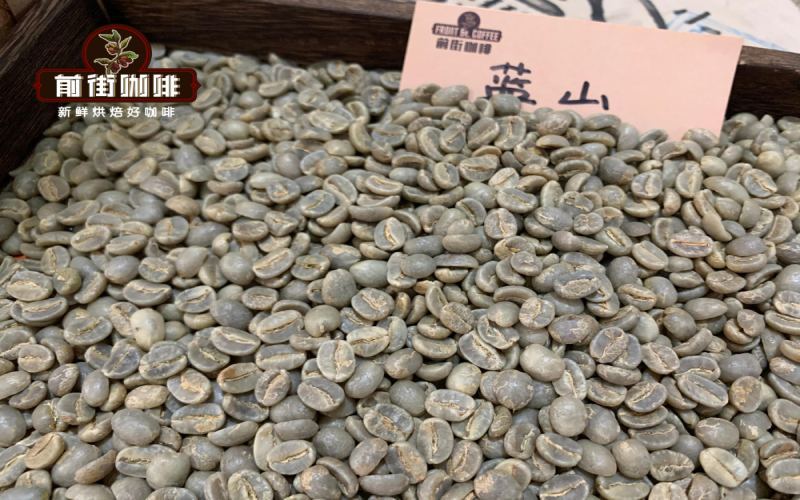
Comprehensive Guide to Green Coffee Beans: Quality Assessment, Crop Year Classification, Shipping Methods, and Storage Essentials
Green coffee beans are the starting point that determines the flavor of a cup of coffee. From color and luster to moisture content, every detail reveals the quality code of green beans; the terms "new crop," "current crop," "old crop," and "aged crop," named by harvest year, record how time shapes flavor. During transoceanic shipping, temperature and packaging methods also influence the fate of green beans—low-temperature containers, temperature-controlled storage, and vacuum aluminum foil bags are all effective means of extending good flavor. The ultimate preservation challenge points to a simple yet expensive answer: vacuum packaging followed by freezing. This article systematically organizes the complete knowledge of green beans from identification to storage, and includes practical advice from Front Street Coffee, taking you deeper into understanding this green seed. [more…]
Green Coffee Storage | What Are Green Coffee Packaging Methods? Introduction to Green Coffee Storage Temperature, Humidity, and Shelf Life
Until recent years, all coffee beans were packaged in burlap sacks and transported in shipping containers, only reaching roasters several months after the beans had been processed. If roasters and importers occasionally wanted to cup coffee beans from the place of origin, or taste a "pre-shipment sample," what they received instead would be stored [more…]
Complete Guide to the Syphon: Structure, Usage, and Flavor Characteristics of the Siphon Coffee Maker
Among the many coffee brewing methods, the siphon pot (vacuum coffee maker) has always maintained a loyal following thanks to its unique vacuum extraction principle and ceremonial brewing process. It was invented in the early 19th century, nearly a century earlier than pour-over coffee, yet because of its full-bodied, solid mouthfeel and rich aroma, it still holds a place in the specialty coffee world today. In this article, Front Street Coffee will guide you into the world of the siphon pot, starting from its origins and evolution, breaking down the structural details of the upper chamber, lower chamber, stand, and filtration system one by one, and explaining the essential differences in flavor expression between this ancient device and pour-over coffee, helping coffee lovers gain a comprehensive understanding of how to use the siphon pot and its characteristics. [more…]
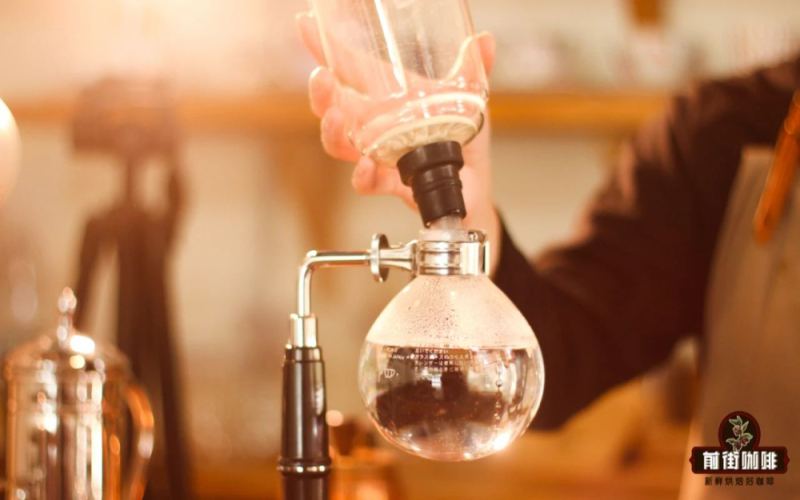
A Complete Guide to Siphon Brewing: Origins, Japanese Evolution, and Step-by-Step Instructions
The siphon pot, also known as the vacuum pot, is a coffee brewing device that uses thermal expansion and contraction along with the vacuum principle to extract coffee, and its history can be traced back to a laboratory invention in the early 19th century. With its elegant brewing process and rich, full-bodied taste, it occupies an important place in Japan's specialty coffee culture. This article will take you through the complete journey of the siphon pot from its birth to its improvements, distinguish the flavor differences between it and pour-over coffee, and list in detail the tools and operating steps needed to make siphon coffee using Front Street Coffee beans, making it suitable reading for every coffee enthusiast interested in this classic device. [more…]
A Complete Guide to Siphon Coffee Making: From Historical Origins to Bean Selection, Front Street Coffee Takes You Through the Charm of the Siphon Brewer
The siphon pot, also known as the vacuum pot, is a coffee brewing device that uses steam pressure and vacuum principles for extraction, with a long history and a unique flavor profile. Compared with pour-over, coffee brewed in a siphon pot has a fuller body and richer aroma, but the operating steps are relatively more complicated. This article will begin with the origin of the siphon pot, introduce in detail its structure, filtration system, and brewing method, and answer the question of what kind of coffee beans are suitable for brewing. Front Street Coffee will also share practical experience to help coffee lovers easily master this classic brewing method and enjoy the fun of DIY. [more…]
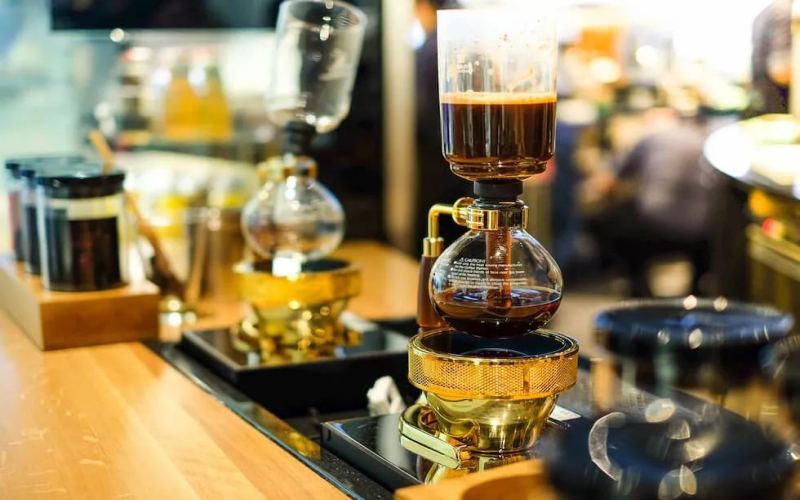
Why Is the Siphon Pot Also Called the Vacuum Pot? An In-Depth Look at Its Extraction Mechanism and the Types of Coffee Beans Best Suited for Brewing
The siphon pot, also known as the vacuum pot, often gives off a sense of mystery due to its unique, chemistry-apparatus-like shape and its retro appearances in film and television. As coffee lovers, understanding its structure, extraction principles, and method of use can help us better enjoy the rich flavors it brings. This article will analyze the structure of the siphon pot and its pressure-difference extraction mechanism in detail, share Front Street Coffee's hands-on steps, and recommend coffee beans suitable for the siphon pot, including classic medium-dark roasts and flavor-forward beans such as sun-dried Red Cherry, Mozart, and the Floral Order TOH washed champion, helping you explore the mellow world of siphon coffee. [more…]

2022 WBC Champion Anthony's Full Breakdown of Latte and Creative Coffee Production: From Milk Powder Thickening to Nitrogen Processing
The 2022 WBC World Barista Championship has come to a close, with Australian competitor Anthony Douglas taking the crown thanks to his unique creative coffee and milk coffee preparation techniques. His performance not only showcased the charm of the 80-hour anaerobic natural Sidra coffee beans from El Diviso Estate in Colombia's Huila region, but also brought laboratory-level processing methods onto the competition stage: vacuum slow-cooked date syrup, nitrogen infusion, magnetic stirring, freeze-vacuum-dehydrated milk powder... How do these techniques affect coffee flavor? This article walks you through Anthony's recipe and operational details one by one, and explores the gap between barista competitions and everyday café culture. Meanwhile, Front Street Coffee continues to provide you with professional coffee knowledge exchange and specialty bean recommendations. [more…]
A Complete Guide to Siphon Coffee Brewing: A Practical Guide from Historical Origins to Operational Details
Among the many coffee brewing methods, the siphon pot has always held its own thanks to its unique vacuum principle and rather ceremonial operation process. Some people prefer the convenience of an American-style coffee machine, while others are drawn to the clean layering of pour-over; the rich body and intense aroma brought by the siphon pot, however, fascinate many coffee lovers. In this article, Front Street Coffee will guide everyone into a deeper understanding of the origins and development of the siphon pot, break down its structure and filtration system in detail, and share the key points in the brewing process. Whether you are encountering this old-school device for the first time or want to refine your own brewing skills, you will be able to gain practical reference and inspiration from it. [more…]
A Complete Guide to Siphon Coffee Brewing: From Historical Origins to Step-by-Step Instructions
Among the many coffee brewing methods, the siphon pot stands out with its unique vacuum principle and elegant sense of ritual. Some prefer the convenience of an American-style coffee machine, some are devoted to the purity of pour-over, and others are captivated by the romantic atmosphere of the siphon pot—choosing a brewing method that suits you and that you love is the first step to enjoying the fun of DIY coffee. This article will take you into the world of the siphon pot, tracing its origins nearly two hundred years back, explaining in detail the siphon pot's shape, structure, and filtration system, and sharing the hands-on experience of FrontStreet Coffee. Whether you are a beginner just getting to know the siphon pot or a veteran looking to revisit this classic piece of equipment, you will find practical reference here. [more…]

The Process Differences Between Instant and Freeze-Dried Coffee: A Comprehensive Analysis from Historical Origins to Production Principles
Instant coffee and freeze-dried coffee can both be enjoyed simply by adding hot water, and both belong to the convenient coffee camp—but are they really the same product under different names? The answer is no. From the coffee predicament of American soldiers in the 18th century, to the birth of Nestlé's spray-drying method, to the application of vacuum freeze-drying technology, these two technical routes have produced completely different flavor profiles. This article will systematically sort out the essential differences between instant coffee and freeze-dried coffee from multiple dimensions such as historical origins, production processes, and raw material selection, helping you understand why freeze-dried coffee can shed its "low-end" label and win back the favor of coffee lovers. [more…]
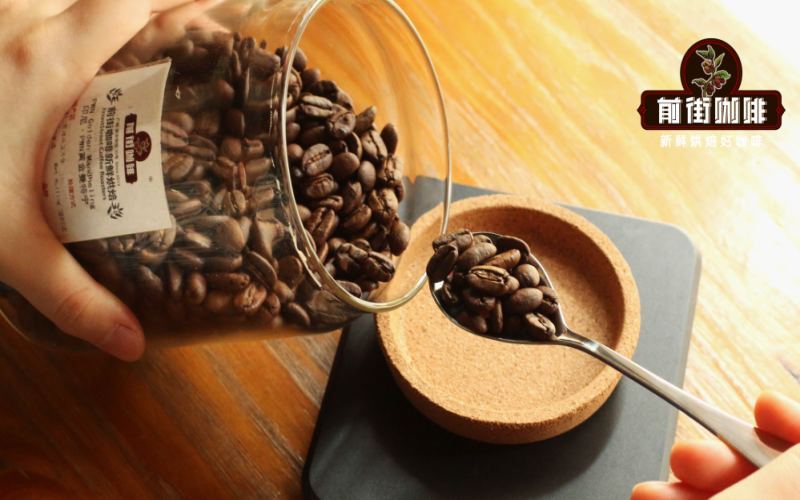
How Should You Store Hand-Drip Coffee Beans Properly? A Full Analysis of the Flavor Characteristics of Twelve Common Single-Origin Beans
The freshness of coffee beans directly determines the flavor profile of a cup of pour-over coffee, and storage method is the key factor affecting freshness. This article approaches the topic from two preservation strategies—green beans and roasted beans—analyzing the three major flavor killers: light, temperature, and oxygen. It also introduces the respective advantages of one-way degassing valve bags and vacuum-sealed canisters, while explaining the difference between a coffee bean's peak flavor period and its shelf life. Finally, it compiles twelve common coffee beans suitable for pour-over and their flavor characteristics, covering the Front Street Coffee everyday drinking series and more distinctive single-origin beans, helping you quickly find your ideal choice based on taste preference. [more…]
A Beginner's Guide to Coffee Bean Varieties: Flavor Profiles and Storage Tips for Twelve Common Single-Origin Beans
The freshness of coffee beans directly determines the flavor performance of a cup of coffee, and the storage method is the key factor affecting freshness. Starting from the two storage scenarios of green beans and roasted beans, this article will analyze the three major freshness killers—light, temperature, and oxygen—introduce the storage principles of one-way degassing valve packaging bags and vacuum-sealed canisters, and explain the difference between the optimal drinking period and the shelf life of coffee beans. On this basis, the article sorts out twelve common types of pour-over coffee beans and their flavor characteristics, covering the Front Street Coffee daily drinking coffee bean series and single-origin beans with more distinctive flavors, providing bean selection reference for beginners of pour-over coffee. [more…]
A Complete Guide to Siphon Coffee Brewing: Equipment Principles, Historical Origins, and Key Practical Points Explained
Among the many coffee brewing methods, the siphon pot has always held its own thanks to its unique vacuum extraction principle and rich, full-bodied flavor. Although pour-over coffee has now become the mainstream choice in specialty cafés, the siphon pot's brewing process—combining ritual and visual appeal—still fascinates many coffee enthusiasts. This article will give you a comprehensive understanding of the siphon pot's structure and principles, its development history, and the key details of actual brewing, helping you master the use of this classic device so you can make a cup of aromatic, full-bodied siphon coffee at home. [more…]
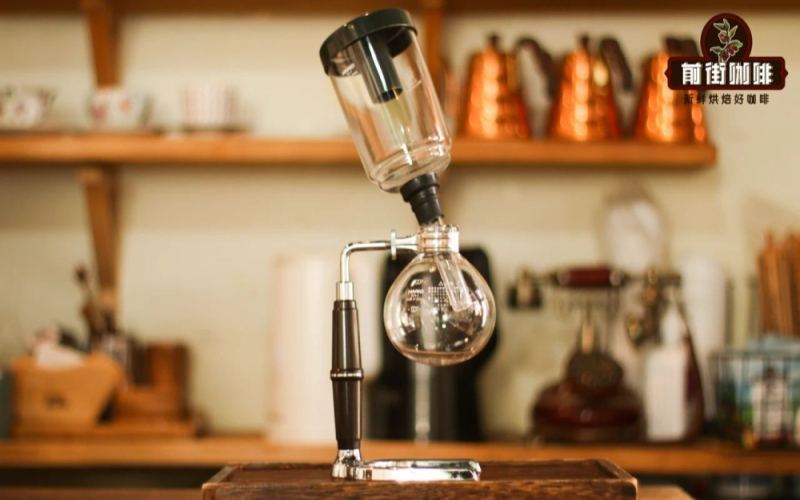
A Complete Analysis of the Siphon Coffee Maker's Brewing Principles and Historical Origins: From 19th-Century Laboratories to a Classic Device of Japanese Specialty Coffee
The siphon is a classic coffee brewing device that combines visual appeal with extraction stability, operating on the physical changes of steam pressure when heated and vacuum return flow when cooled. Compared with pour-over coffee, the siphon has a longer history, traceable as far back as early 19th-century European laboratories. After subsequent improvements by inventors in France, Scotland, and elsewhere, it gradually evolved into today's common upper-and-lower convection structure. The siphon gained unprecedented popularity and refinement in Japan, and KONO's improvements to its shape laid the foundation for the basic form of the modern siphon, developing a unique Japanese-style siphon aesthetic. Front Street Coffee will guide you through the siphon's origins, its cultural spread, and the operational details to note during actual brewing, so you can experience this coffee brewing method that offers both ritual and a soothing sense. [more…]
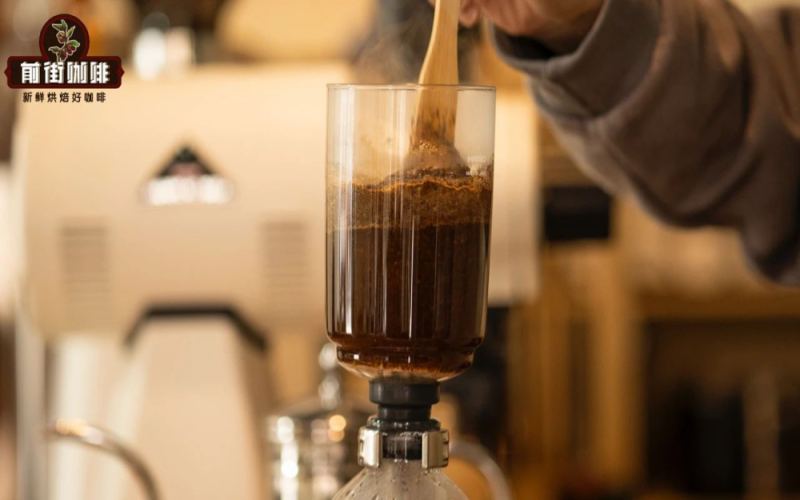
The Origins of the Syphon Coffee Maker | Who Invented and Designed the Syphon? What Are the Flavor Characteristics of Syphon Coffee and Pour-Over Coffee?
The appearance of the siphon coffee maker is just like the scientific instruments of scientists from hundreds of years ago seen in history books, with a classical aura. In fact, the siphon coffee maker really has a history of about 200 years. Who designed and invented siphon coffee? The basic principle of the siphon coffee maker is to use the phenomenon of vacuum siphon. [more…]
Analysis of Key Factors Affecting Coffee Bean Freshness and Practical Storage Methods
The freshness of coffee beans directly determines the flavor performance of a cup of coffee, and whether the storage method is appropriate is the core factor affecting freshness. In this article, Front Street Coffee systematically sorts out the differences between the two types of storage scenarios for green coffee beans and roasted beans, focusing on analyzing the mechanisms of the three major "killers" of coffee bean freshness: light sources, high temperature, humidity, and oxygen, and provides practical storage solutions such as one-way exhaust valve sealed bags and vacuum-sealed canisters. At the same time, the article also answers common questions such as the difference between the optimal drinking period and the shelf life of coffee beans, and whether they are suitable for refrigerator storage, helping coffee enthusiasts protect the flavor of every bag of beans in a more scientific way. [more…]