







Search Results for: upper layer
A Complete Guide to Siphon Coffee Brewing: Grind Size, Bean Selection Tips, and Operating Techniques
The process of brewing coffee with a siphon is full of ritual—water heated rises into the upper chamber, mingles and extracts with the coffee grounds, then slowly flows back down to the lower chamber, with the entire process under control. This method is especially suitable for single-origin beans and blended beans that are not heavily roasted, and can fully showcase the coffee's aroma and rich body, particularly those beans that have bright fruity acidity combined with a mellow flavor. This article will introduce in detail the pre-brewing preparation for the siphon, the standard brewing steps, and eight practical tips, while also answering common questions such as coffee bean grind size and the direction for choosing beans, and includes Front Street Coffee's bean recommendations for the reference of coffee enthusiasts. [more…]
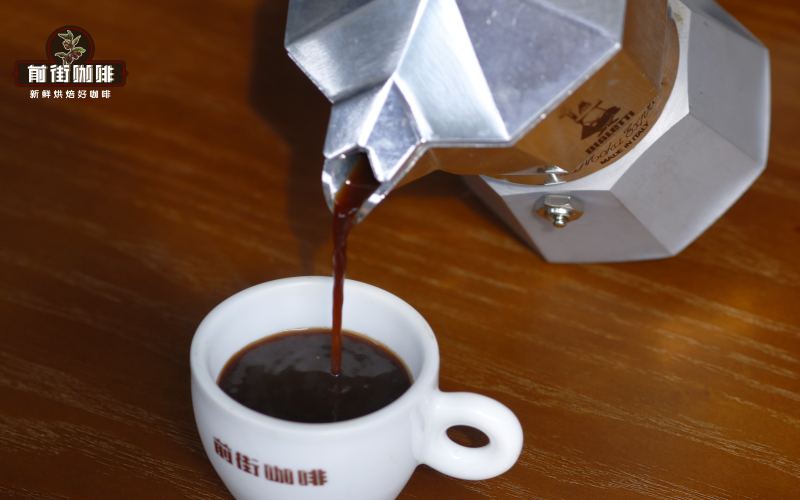
Which coffee beans are best suited for a Moka pot? A comprehensive analysis of brewing time and key operational points
The moka pot is a common espresso brewing tool in Italian households. It uses steam pressure to extract a rich coffee liquid and is easy to operate and carry. From the perspective of Front Street Coffee, this article introduces the moka pot's structure and principle, the difference between single-valve and double-valve models, capacity selection, and advantages and disadvantages, and focuses on answering which types of coffee beans are suitable for the moka pot and the brewing time. It recommends Front Street Queen's Estate, Front Street PWN Golden Mandheling, Front Street Classic Blend, Front Street Dark Cocoa Blend, and Front Street Bird of Paradise coffee beans, and includes detailed operating steps to help enthusiasts consistently make a cup of moka pot coffee at home with rich crema and a full-bodied taste. [more…]

A Comprehensive Analysis of Siphon Coffee: From Extraction Principles to Brewing Details, Mastering the Key to Consistently Delicious Coffee
The siphon brewer, with its laboratory-equipment appearance and unique vacuum extraction method, has long been a favorite among coffee enthusiasts. It works by heating the lower chamber to generate steam pressure, pushing hot water up into the upper chamber to meet the coffee grounds; after the temperature drops, the pressure difference draws the coffee liquid back down into the lower chamber, resulting in a round, balanced cup. From the perspective of Front Street, this article systematically explains the siphon brewer's structural components, filtration and heating methods, grind size and coffee-to-water ratio, the timing for adding grounds, stirring techniques, and how to judge when to turn off the heat, along with a complete eight-step procedure to help you consistently brew a delicious cup of siphon coffee at home. [more…]
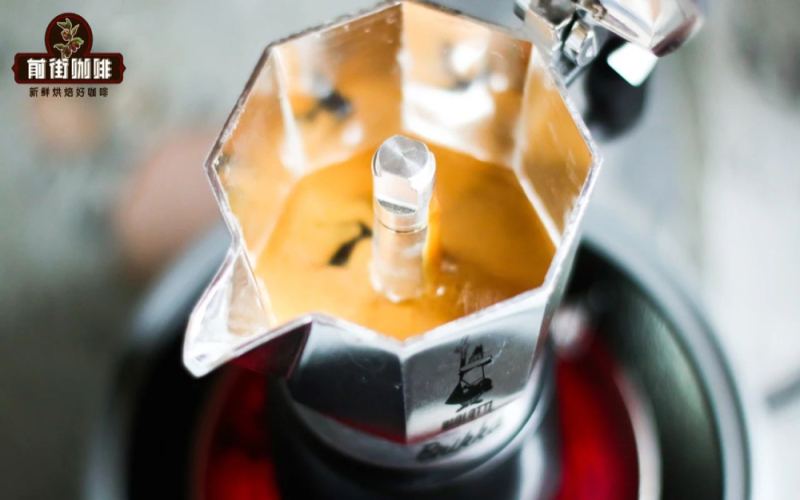
The Complete Moka Pot Brewing Guide: Structure, Principles, Single vs. Double Valve Differences, and Coffee Bean Selection Tips
The moka pot is the most commonly used espresso brewing device in Italian households, and with its refined design and excellent extraction capability, it is deeply favored by coffee enthusiasts. This article will systematically explain the moka pot's three-part structure and its steam-pressure extraction principle, compare the differences between single-valve and double-valve models in terms of crema and strength, and sort out the considerations for choosing capacity specifications. It also recommends medium-dark roasted coffee beans suitable for the moka pot, and, together with Front Street Coffee's detailed breakdown of six brewing steps—from adding water and filling coffee grounds to controlling heat and turning off the stove—explains each one, helping you consistently brew a fragrant, rich, and full-bodied cup of Italian-style coffee with abundant crema at home. [more…]
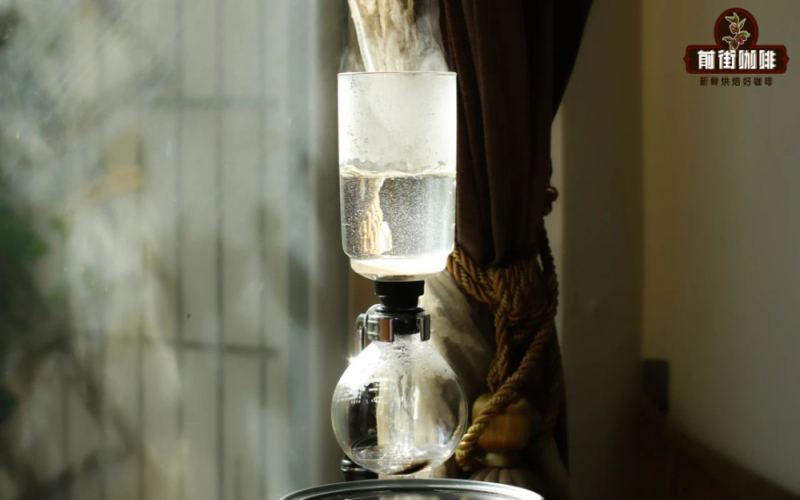
A Complete Guide to Siphon Coffee Brewing: Practical Insights from Equipment Structure to Extraction Parameters
The siphon is now a rare piece of equipment in the current specialty coffee wave; many cafés no longer offer siphon coffee, or keep it only as a special single-origin offering. But for siphon enthusiasts, outside options are limited, so it is better to do it yourself. In this article, Front Street breaks down the complete siphon coffee brewing process in plain language, starting from the upper and lower chamber structure and sealing principle, comparing the trade-offs between flannel cloth filters and round paper filters, analyzing the pros and cons of three heat sources—gas stove, light-wave stove, and alcohol lamp—and delving into the disagreement between adding coffee grounds first versus later, grind size reference, recommended coffee-to-water ratio, and the tapping and stirring technique. At the end, the article includes Front Street’s usual step-by-step operating procedure, covering all stages: pouring water, inserting the upper chamber, adding coffee grounds, stirring, and turning off the heat for drawdown. It is suitable for beginners to follow step by step. [more…]
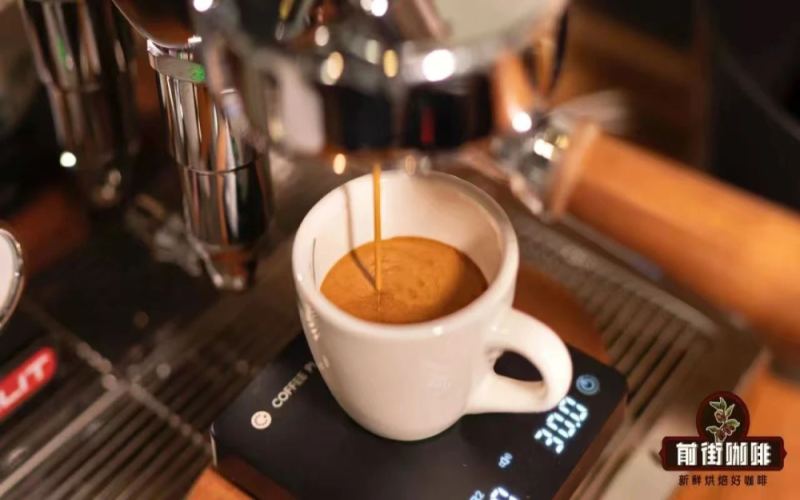
Moka Pot Beginner's Guide | How to brew cafe-quality espresso at home with a moka pot? 4 delicious, oily moka pot everyday coffee beans recommended
What is a Moka pot? Friends who enjoy espresso surely know that espresso originated in Italy. Italians' love for coffee can be said to be carved into their bones—several cups per person per day, making them a nation that "drinks coffee like water." But if every cup had to be bought at a café, the expenses would really add up over time. [more…]
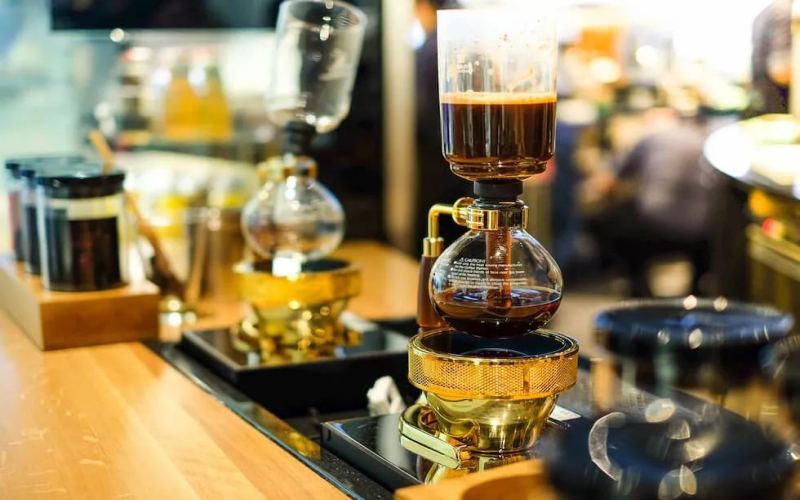
The Complete Guide to Siphon Coffee: From Construction and Principles to Brewing Parameters, Cloth Filter Maintenance, and Bean Selection
The siphon coffee maker, also known as the syphon, originated in Germany. It relies on heating the lower chamber to create pressure that pushes hot water up to the upper chamber to complete extraction. It is very popular in Japan and has gradually become popular in China. Its shape resembles chemical apparatus, often appearing in nostalgic films and TV shows, and it carries a mysterious aura. From the professional perspective of Front Street, this article systematically sorts out the upper chamber, lower chamber, and stand structure of the siphon, analyzes the pressure-difference extraction principle, introduces three heat sources—alcohol lamp, gas burner, and halogen lamp—as well as the trade-offs between flannel filter cloth and round filter paper. Then, taking Front Street Brazil Queen Estate beans roasted in-house as an example, it provides parameters such as a water temperature of 88°C, 18 grams of coffee powder, and a 1:10 coffee-to-water ratio, along with a six-step operating process, and explains filter cloth cleaning and storage as well as suitable coffee bean types. [more…]

The Complete Guide to Brewing Espresso with a Moka Pot: Bean Selection, Grind Settings, and Open-Flame Tips
Want to enjoy a rich espresso at home but haven't gotten an espresso machine yet? A moka pot may be the most economical and practical alternative. This article starts with the structure and extraction principle of the moka pot, then explains one by one the suitable roasting direction of coffee beans for the moka pot, how to judge the grind size, the clever use of filter paper, and safety precautions during use, and it also includes Front Street's recommended bean list and complete brewing steps. Whether you are a beginner just getting to know the moka pot or an enthusiast looking to refine your extraction, you will find practical references here. [more…]
The Origin of the Syphon's Other Name "Siphon Pot" and Operating Techniques: A Full Analysis from Construction Principles to Extraction Parameters
The siphon coffee maker, also known as the syphon, originated in Germany and relies on heating the lower chamber to create pressure that pushes water up to the upper chamber to complete the extraction. It is very popular in Japan, and in recent years it has gradually attracted the attention of coffee enthusiasts in China. This article will start with the structure of the siphon and the extraction principle, introduce the choice of heat source and filter material, and use Front Street Brazil Queen's Estate coffee beans as an example to demonstrate in detail the brewing parameters and operating steps such as water temperature, grind size, coffee dose, and coffee-to-water ratio. Finally, it will recommend coffee beans suitable for siphon extraction, helping readers fully master the essentials of making siphon coffee. [more…]
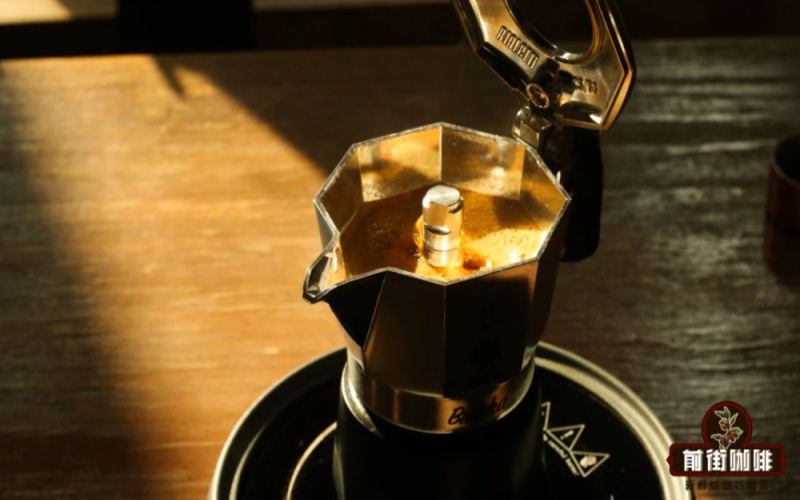
Pros and Cons of Making Black Coffee with a Moka Pot | How Long Does It Take to Brew Coffee with a Moka Pot? Is It Safe to Brew Coffee with a Moka Pot? Recommended Single-Origin Coffee Beans for Moka Pot
The principle of extracting coffee with a moka pot is very simple: it uses the steam pressure generated in the lower chamber. When the steam pressure is great enough to penetrate the coffee grounds, it pushes hot water up into the upper chamber. Coffee extracted with a moka pot has a strong taste, combining acidity and bitterness, and contains oils. Therefore, the greatest advantage of the moka pot lies in its small size and convenience, making it easy to [more…]
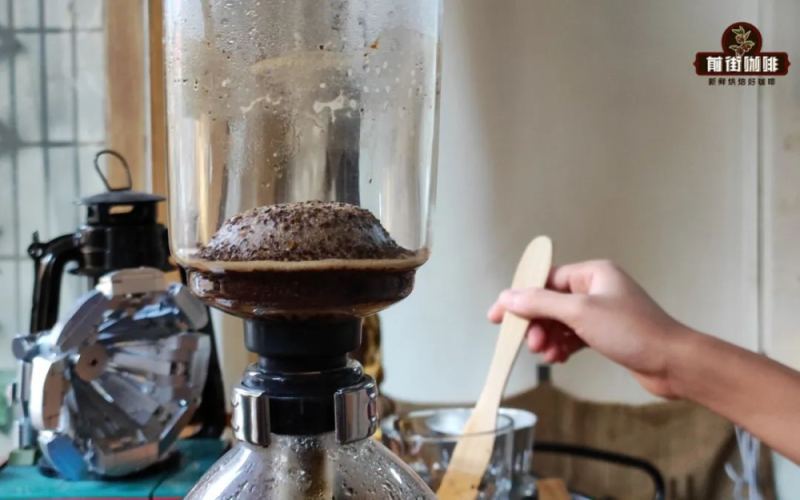
Analysis of the Causes of the Final Small Hill in Siphon Coffee: A Comprehensive Explanation of Stirring Techniques and Common Misconceptions
When brewing siphon coffee, after turning off the heat, stir with a stirring rod in one direction; as the coffee liquid flows back down into the lower chamber, the grounds layer in the upper chamber often rises into a rounded "little hill." Many people regard this action as an essential finishing move in siphon brewing, and some even say, "the taller the hill, the better the taste." Front Street Coffee will break down this phenomenon from the level of principle: what exactly is the purpose of stirring in one direction? How does the little hill form? And what factors affect its height? It will also explain that the presence or absence of the hill is not a criterion for judging whether coffee tastes good. It is essentially just one of many siphon techniques, and understanding the logic behind it is more important than blindly imitating it. [more…]
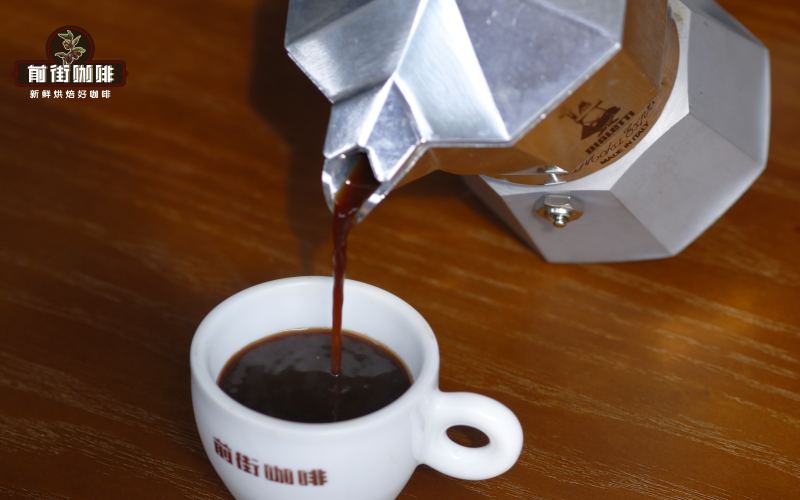
Moka Pot Coffee Beans Recommendation | What Types of Coffee Beans Are Suitable for Moka Pot Brewing? How Long Should Moka Pot Coffee Be Brewed for the Best Taste?
The Moka Pot, also known as a Moka Pot, is a brewing device often used by Italian families to extract espresso. Placing the Moka Pot directly on a stovetop and heating it, using steam pressure for extraction, is commonly referred to as a direct-fire espresso maker. The Moka Pot has attracted many people due to its beautiful and exquisite appearance, and it can brew [more…]
Siphon Coffee Brewing Principles | How to Make Delicious Siphon Coffee? Which Coffee Beans Are Suitable for Siphon Brewing?
In many people's minds, siphon coffee makers have a unique shape akin to chemical apparatus, and they always appear in period films and TV works, giving people a sense of mystery. As a practitioner in the coffee industry, Front Street Coffee naturally values most the use of the siphon brewer and the flavor characteristics of the coffee it brews. Hong [more…]

Home Coffee Brewing Methods | What Are the Coffee Extraction Principles of the Siphon and Moka Pot? Which Tastes Better, Siphon or Moka Pot Coffee?
There are hundreds of coffee brewing devices on the market, yet there is actually no definitive answer as to which coffee device brews the best-tasting coffee, because everyone's taste preferences differ. Even with the same coffee beans, using the same coffee device and the same brewing time, the acidity, bitterness, sweetness, body, strength, and lightness that each person perceives are [more…]
Operating Guides for Various Coffee Brewers: Turkish Pot, French Press, Siphon, and Super-Automatic Machines Explained
To make a good cup of coffee at home, choosing the right equipment is only the first step—mastering the correct operating techniques is equally crucial. This article systematically reviews the key points for using a Turkish coffee pot, French press, siphon brewer, Belgian coffee maker, moka pot, semi-automatic and fully automatic coffee machines, breaking down everything from grind size and water temperature control to extraction time. Whether you prefer the rich, full-bodied Turkish flavor or the clean, layered clarity of a siphon brewer, you'll find the corresponding steps and detailed tips here. The article also specifically retains relevant product recommendations from the Front Street Coffee brand for coffee enthusiasts to reference when making purchases. [more…]
Moka Pot Brewing Pros and Cons: A Complete Guide from Brewing Principles to Grind Size
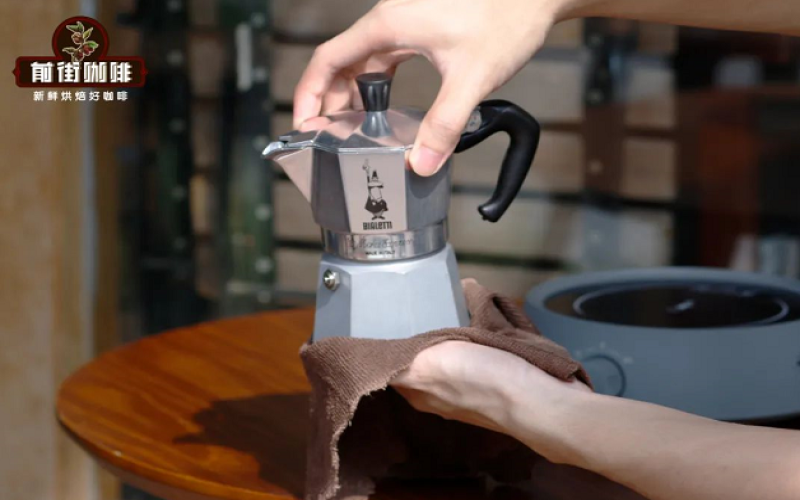
The moka pot is favored by coffee enthusiasts for its compact portability and low barrier to entry—whether at home or outdoors, it can quickly produce a cup of espresso-style coffee. It consists of three parts: a lower water chamber, a filter basket, and an upper pot. By using the steam pressure generated by heating, it pushes hot water through the coffee grounds to extract the coffee liquid. However, this brewing method also brings obvious shortcomings—the water temperature is relatively high, and the parameters are difficult to control precisely, which can easily lead to over-extraction. This article will systematically sort out the advantages and disadvantages of the moka pot, and focus on explaining the correct approach to coffee ground coarseness, helping you achieve consistent results even when using products from brands such as Front Street Coffee. [more…]
A Detailed Explanation of Moka Pot Extraction Principles and Key Operating Points, with Front Street Coffee Bean Selection Recommendations
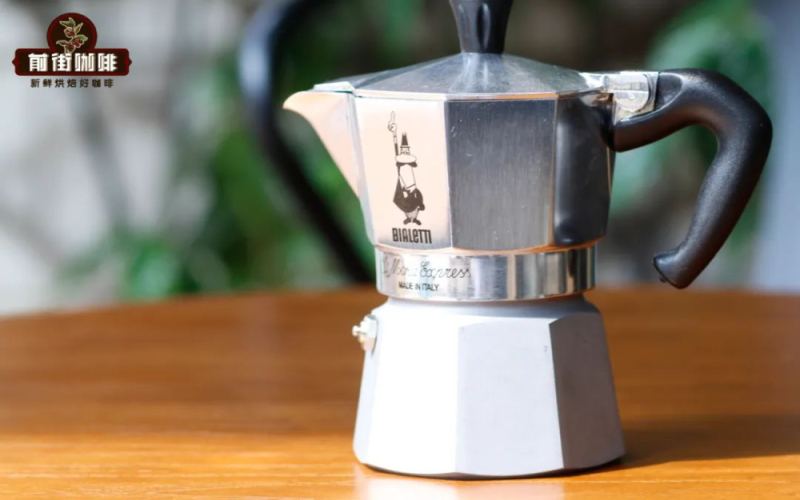
Since its invention by Bialetti in 1933, the moka pot has become an essential coffee device in Italian households, thanks to its 1-2 bar extraction pressure and convenient operation. This article will systematically explain how to use a moka pot to brew a rich, full-bodied espresso, covering its structure and principles, usage precautions, coffee bean selection, and specific brewing steps. It also combines Front Street Coffee's blend and single-origin bean recommendations to help enthusiasts avoid common mistakes and master the entire process, from distributing the grounds to cooling, making moka pot results more consistent and better tasting. [more…]
Brewing Strong Coffee with a Moka Pot | Which Makes Stronger Coffee: an Espresso Machine or a Moka Pot? Is a Moka Pot Easy to Use, and Is It Suitable for Coffee Beginners?
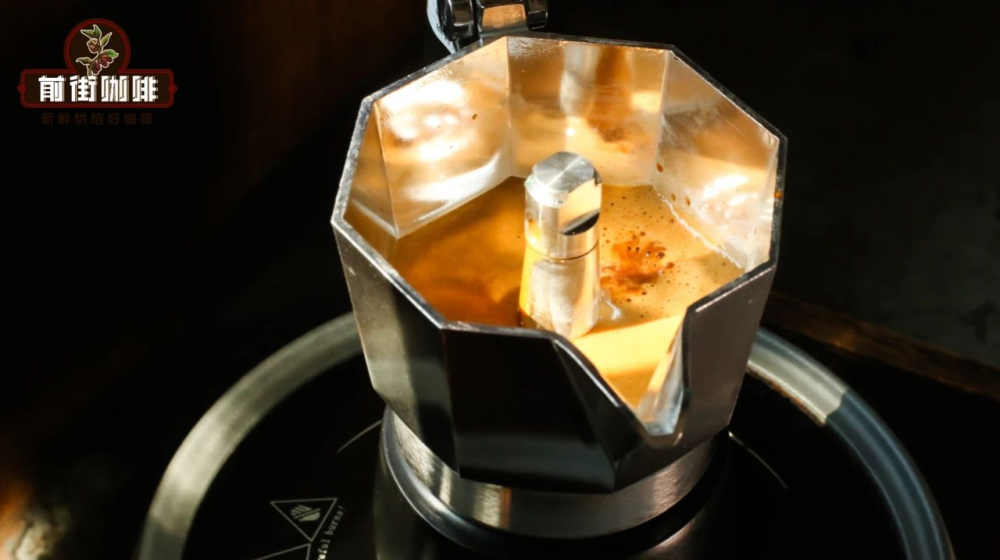
Both the moka pot and the espresso machine can brew strong coffee, but the difference between them is actually quite large. Assuming you want an espresso with rich crema, you'll need to choose a higher-performance espresso machine, because only this type of equipment can produce a thick, viscous coffee liquid to help us make a wider variety of fancy coffee drinks, whereas [more…]

Pros and Cons of Brewing Coffee with a Moka Pot | Which Coffee Beans Are Suitable for a Moka Pot? How Long Should You Brew Moka Pot Coffee for the Best Taste? What Are the Specific Steps to Make Moka Pot Coffee at Home?
For more specialty coffee knowledge, please follow: Front Street Coffee (Frontsteet Coffee) The moka pot, also known as the Moka Pot, is a brewing device commonly used in Italian households to extract espresso. The moka pot is placed directly on the stove to heat, using steam pressure for extraction; this is usually [more…]
Moka Pot Coffee Brewing | How long does it take to brew coffee with a Moka pot? What is a normal extraction time for a Moka pot? What should you pay attention to when making Moka pot coffee at home?
The moka pot uses the steam pressure of boiling hot water to pass directly through the coffee grounds, extracting the essence of the coffee. The brewed coffee has a richer taste and aroma, with a thin layer of coffee oils on the surface—this is the charm of Italian coffee. The structure of the moka pot is not complicated; I believe anyone who has seen a moka pot [more…]