







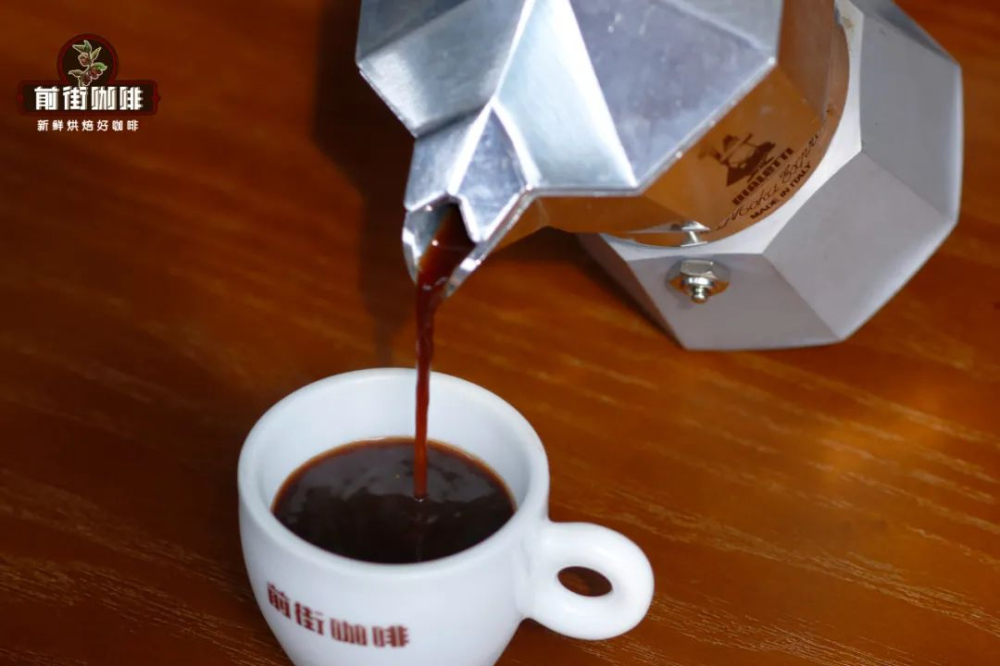
The moka pot uses the steam pressure of boiling hot water to pass directly through the coffee grounds, extracting the essence of the coffee. The brewed coffee has a richer taste and aroma, with a thin layer of coffee crema on the surface—this is the charm of Italian coffee.
The structure of the moka pot is not complicated
I believe those who have seen a moka pot have noticed that its design is very simple. The entire structure is divided into only 3 parts: the upper chamber that holds the coffee liquid, the middle filter basket, and the lower chamber that holds water for heating.
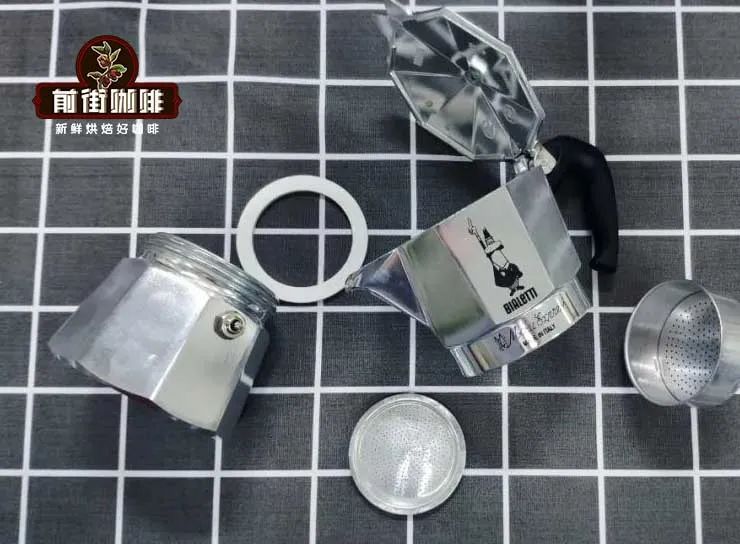
When we heat the moka pot, the water in the lower chamber is heated first and turns into steam, creating a certain pressure that pushes the steam upward from bottom to top. When the hot water rises and reacts with the coffee grounds, the continuously increasing pressure pushes the extracted coffee liquid up into the upper chamber, and at this point we get the rich coffee liquid we need.
The extraction method of the moka pot is similar to the pressure-boosted espresso we commonly see. After the water in the lower chamber boils, it produces steam, and the accumulating steam creates a certain pressure, forcing hot water through the coffee grounds, dissolving flavor compounds that flow with the coffee liquid and spray forcefully into the upper container. Brewing coffee with a moka pot generates about 1.2 to 3 atmospheres of pressure. The increase in pressure further concentrates the coffee flavors, so coffee brewed with a moka pot also has a full-bodied taste.
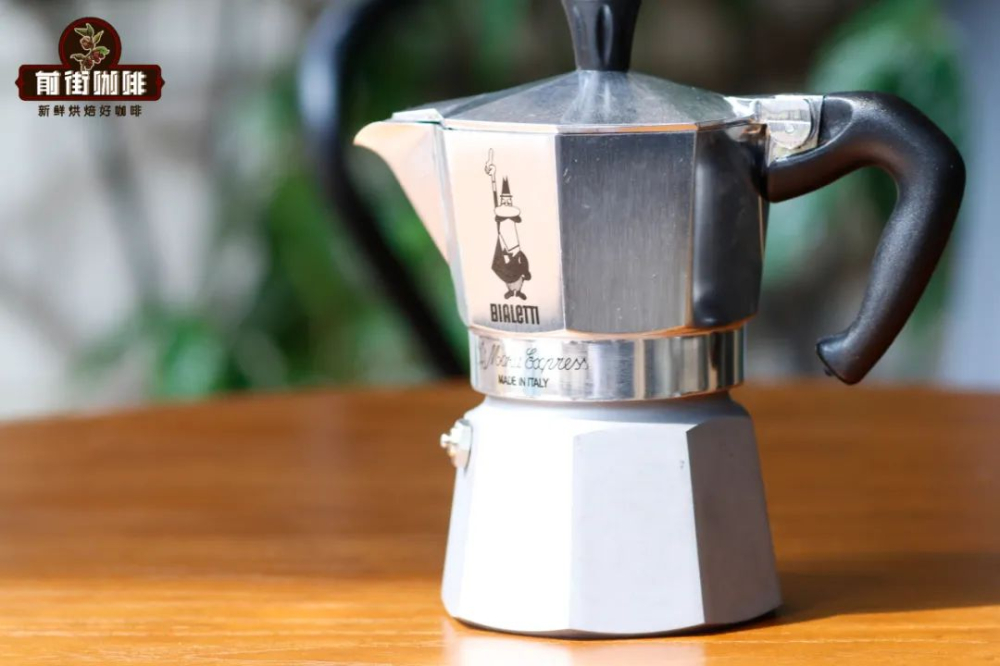
The moka pots commonly found on the market are divided into two types: single-valve and dual-valve. When using a dual-valve moka pot to make coffee, a pressure-accumulating valve is added on top of the original design, and the increased pressure also enhances the coffee's concentration and brings out more coffee crema. Although the moka pot cannot compare to the 9 or more atmospheres of a standard espresso machine, if we just want to enjoy a cup of rich coffee in our leisure time at home, Front Street believes the moka pot is also a very good choice.
Although the operating steps of a moka pot are very simple, there are still many details to pay attention to. Many friends have encountered extraction problems when using a moka pot and consulted Front Street. Here, Front Street uses the store's Bialetti 3-cup classic moka pot as an example, with Front Street's own roasted "Sunflower Warm Sun Blend Coffee Beans," to demonstrate the brewing process for everyone.
How do you brew coffee with a moka pot?
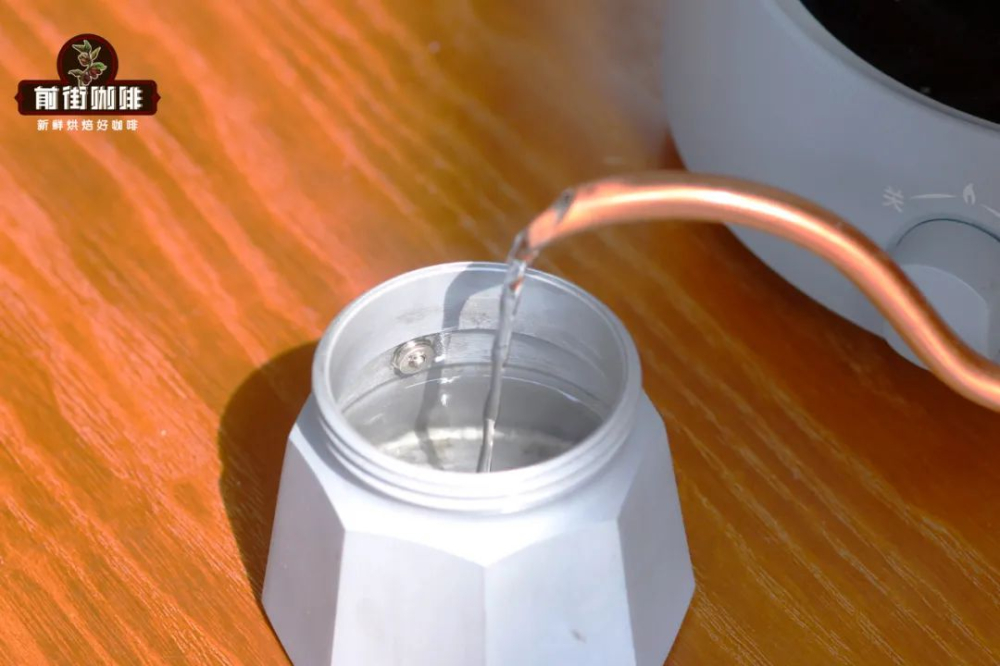
Front Street first removes the base of the moka pot and adds warm water to the lower chamber, which can shorten the brewing time and also prevent the coffee grounds from being heated too quickly and developing a burnt, bitter taste. The water level should be kept below the pressure relief valve line. The safety valve is there to prevent the coffee pot from exploding due to a blocked extraction channel caused by coffee grounds being ground too fine. If the safety valve is submerged in water and the extraction channel is also blocked, the consequences of a high-temperature coffee pot exploding are unimaginable.
To extract a rich black coffee, the grind size should be finer than regular pour-over but coarser than espresso. If the grind is too coarse, it will lead to insufficient extraction and splattering; if too fine, it will lead to over-extraction, with a heavy burnt-bitter taste that is hard to drink. Front Street uses an EK-43s grinder at a setting of 0.5.
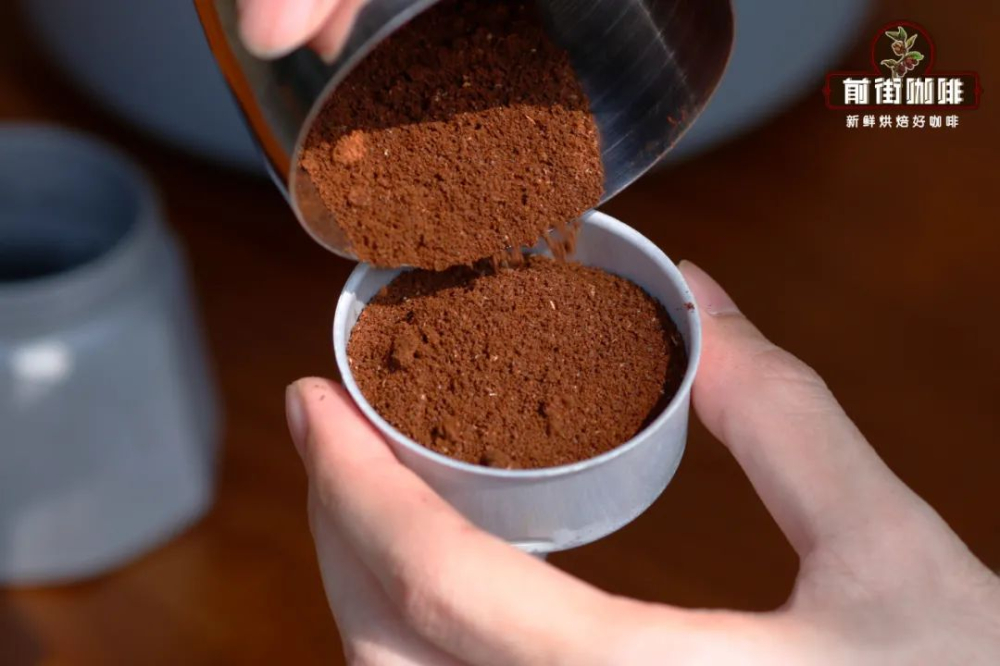
Pour the ground coffee into the filter basket, level it and fill it up, smooth the surface with your finger, and place it into the base. There is no need to tamp with force; a layer that is too tightly packed can easily block the water from flowing upward, thus affecting extraction. If there is not enough coffee powder, when the water in the lower chamber enters the middle coffee layer under steam pressure, it cannot extract fully, which will in turn cause a large amount of splattering in the upper chamber.
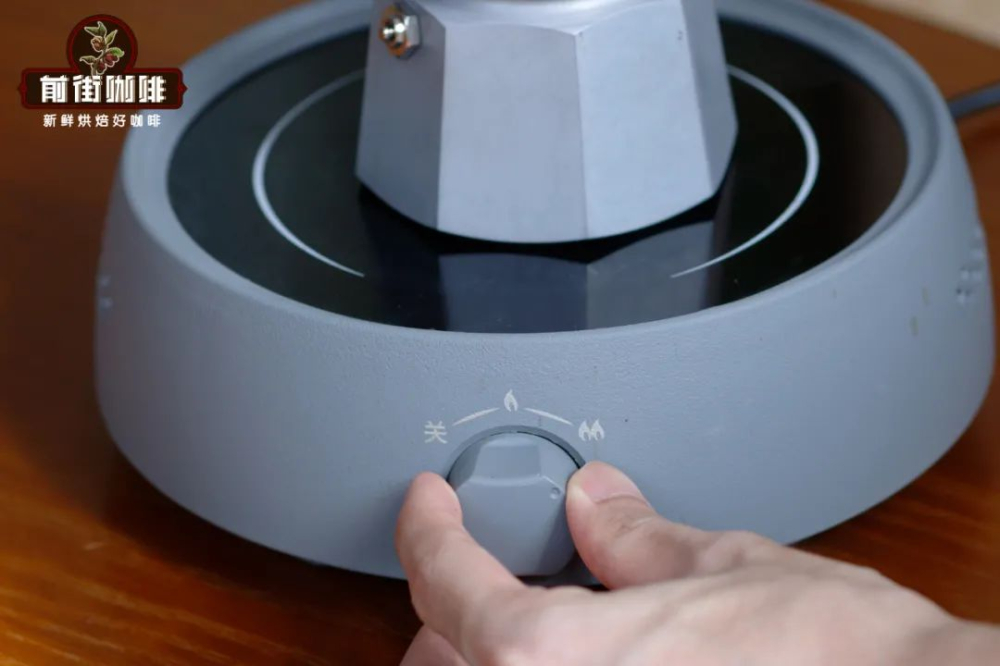
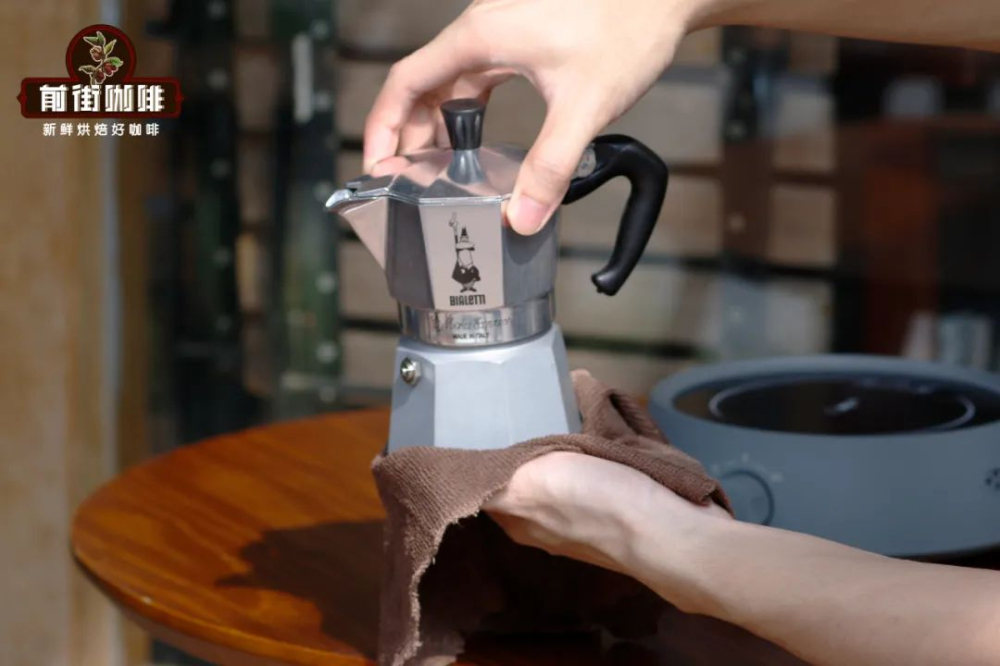
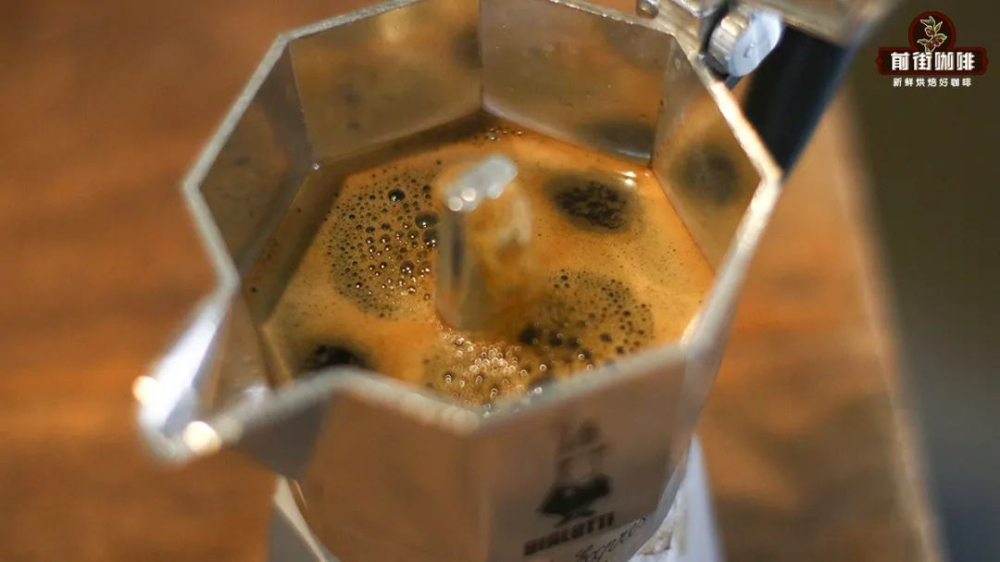
Next, screw the upper chamber and lower chamber tightly together and place it on a gas stove or induction cooker to heat. When using an open flame, be careful to control the flame so that it does not exceed the base of the moka pot. Actually, there is no precise time requirement for brewing. Wait for the moka pot to heat up, and when you hear a hissing sound, turn to low heat, and the coffee liquid and crema will slowly flow out. When you see the coffee liquid in the upper chamber is about half full, you can turn off the heat source and use a wet towel to move the pot to the table, using the residual heat and pressure inside the pot to continue extracting the remaining coffee liquid.

Finally, pour the extracted coffee liquid into a cup and enjoy it directly. On the palate there is a rich whiskey aroma, along with vanilla, cream, and the sweet-tartness of berries, carrying the aroma of roasted nuts. Adding a certain ratio of hot water brings out a fresh fruity sweet-tartness, and pairing it with milk gives it a chocolatey sweetness.
What should you pay attention to when using a moka pot in daily life?
The moka pots we commonly see generally have a metal exterior. When heated at high temperature, try not to touch the pot body; you can use a wet towel to avoid burns. If we hear a rumbling sound but the upper chamber never overflows with coffee liquid, it is very likely that the liquid outlet is blocked. You should first turn off the heat source to avoid excessive internal pressure and a dangerous explosion.
If the coffee grounds are ground too coarse, it will lead to insufficient extraction and splattering; if too fine, it will lead to over-extraction, with a heavy burnt-bitter taste that is hard to drink. The filter basket needs to be filled and leveled. If there is not enough coffee powder, when the water in the lower chamber enters the middle coffee layer under steam pressure, it cannot extract fully, which will in turn cause a large amount of splattering in the upper chamber, and the coffee's taste will be hard to describe.
Front Street cleans the moka pot promptly after every use to avoid leaving coffee residue stains, which can easily cause flavor transfer and burnt bitterness. If old coffee stains remain on the filter screen, gasket, or extraction channel, they may cause blockages and affect normal extraction.
Front Street recommends medium-dark roasted beans. Since the moka pot uses pressure-based extraction, if light-roasted coffee is used, light-roasted beans are harder in texture and usually require a finer grind to increase the extraction rate. However, fine grinding under high temperature and high pressure can easily make the coffee sour, astringent, and pungent, and it is also relatively difficult to extract the aroma of crema. Therefore, Front Street recommends darker-roasted espresso blend coffee beans as the raw material. Not only is it easier to enjoy a rich, aromatic coffee with crema, but it also makes our extraction of coffee flavors more stable.
For professional coffee knowledge exchange and more coffee bean information, please follow Coffee Workshop (WeChat public account: cafe_style)
For more specialty coffee beans, please add the private WeChat Front Street Coffee (FrontStreet Coffee), WeChat ID: qjcoffeex
The above content is compiled by CoffeeHunters, a coffee news website.


