









What Is a Moka Pot?
Anyone who enjoys espresso-based coffee knows that espresso originated in Italy. Italians' love of coffee is practically in their DNA—they drink several cups per person per day, making them a nation that truly treats coffee like water. But if every cup came from a café, the cumulative expense would be no small sum.
It was against this backdrop of demand that Italian Alfonso Bialetti (Alfonso Bialetti) in1933invented the Moka Pot. It extracts coffee by heating from the base, making it a type of distillation-style coffee device and the most accessible, classic representative among all espresso coffee tools. For this reason, the Moka Pot remains a kitchen staple in Italian households to this day—almost every home has one.

How the Moka Pot Works
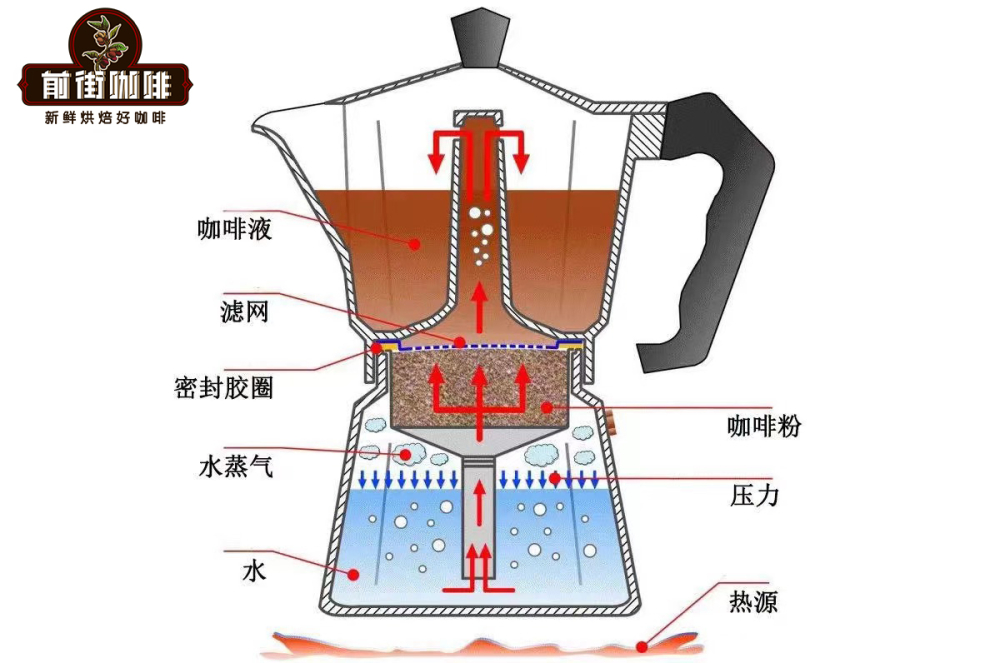
The Moka Pot's structure is extremely simple, consisting of three parts: the upper chamber, the filter basket, and the lower chamber:
Lower chamber: holds the water;
Filter basket: holds the finely ground coffee;
Upper chamber: collects the extracted coffee.
The extraction principle is equally straightforward——When the water in the lower chamber is heated, it produces steam pressure. As the steam pressure gradually increases, it eventually becomes sufficient to penetrate the coffee bed in the filter basket, pushing hot water up into the upper chamber and extracting a rich, full-bodied coffee. The entire process relies on the steam pressure generated by boiling water, and the resulting coffee flavor is close to espresso—simple to operate and ideal for home use.

What Do You Need to Brew Coffee with a Moka Pot?
1. Moka Pot
2. Electric ceramic stove (or gas stove + trivet)
3. Coffee beans
4. Coffee grinder
Once you have these basic tools ready, you can get started. Below is a detailed walkthrough of how to use a Moka Pot——
Moka Pot Tutorial (7Steps to a Cup)
Step1: Choose the Right Coffee Beans
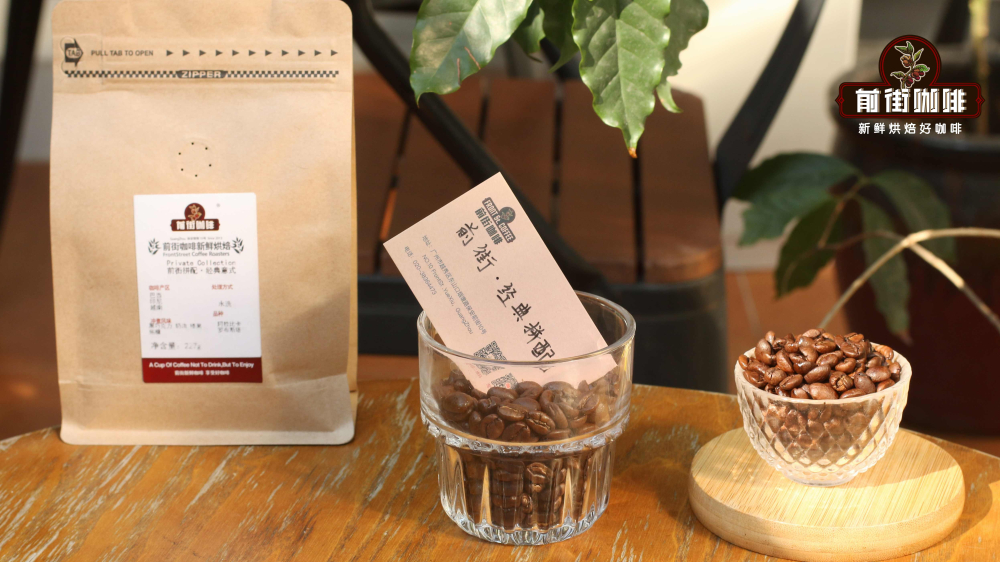
We recommend using medium-dark roasted coffee beans. Coffee extracted from a Moka Pot has a relatively thick body, and medium-dark roasted beans better showcase rich, full-flavored layers. Here we'll use a classic Italian blend as a demonstration.
Step2: Add Water
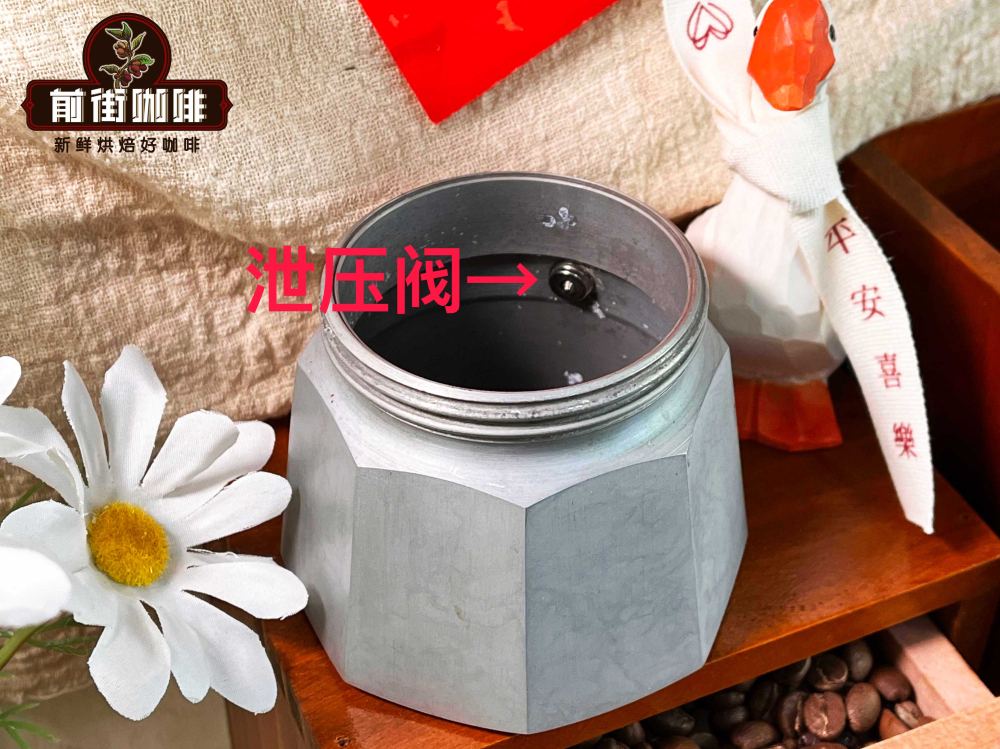
Pour purified water into the lower chamber of the Moka Pot, keeping the water level about0.5cmbelow the pressure relief valve—never exceed the valve.
Step3: Fill and Level the Coffee Grounds
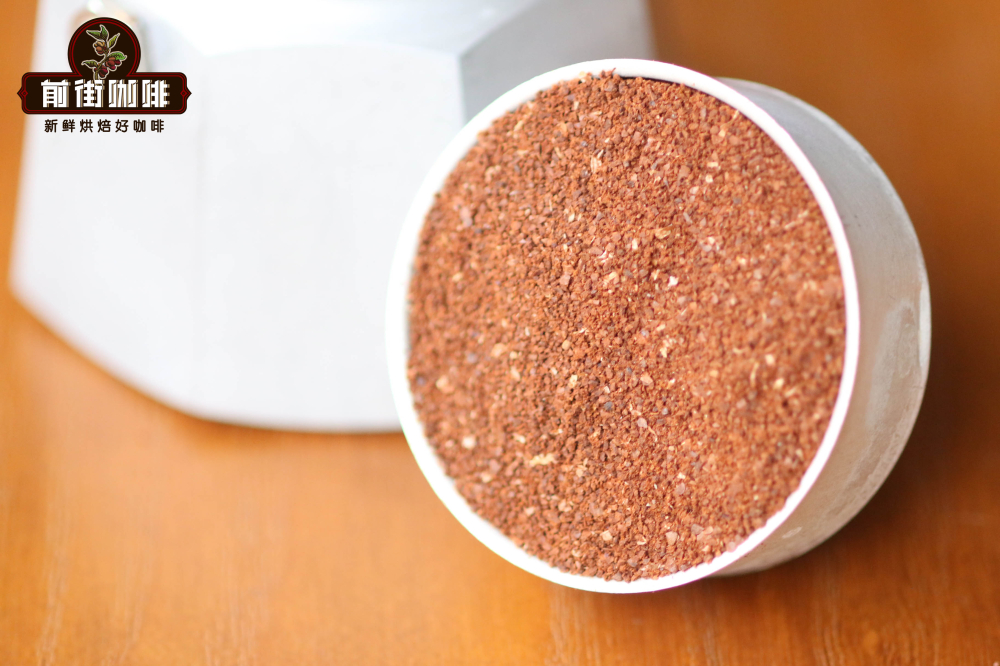
Choose a grind size slightly coarser than for an espresso machine. You can reference the size of the filter basket's mesh openings to ensure coffee particles won't fall through into the lower chamber.
Slowly pour the coffee grounds into the filter basket, gently tap the pot to distribute them evenly, then use leveling techniques to smooth the surface. The filter basket must be filled completely—this is key! The more uniform the coffee density in the basket, the better you can avoid localized over-extraction or under-extraction, thereby reducing bitterness or off-flavors.
Step4: Assemble and Heat
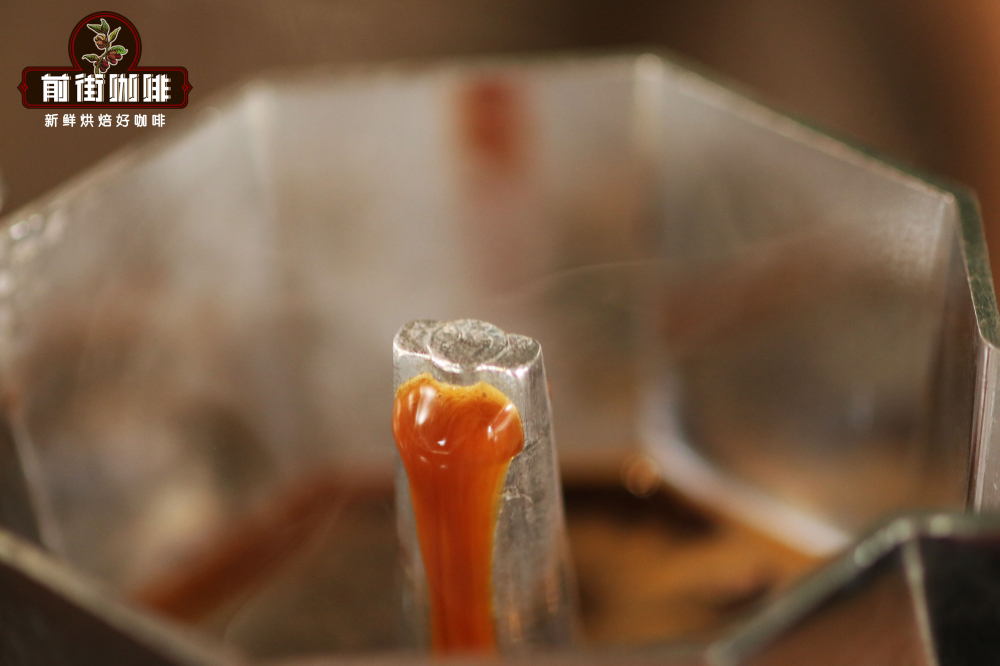
Place the filter basket into the lower chamber, screw the upper and lower chambers together tightly, then place on the electric ceramic stove and begin heating over high heat.
Step5: Turn to Low Heat
When the Moka Pot reaches a certain temperature and emits a distinct **"whooshing" sound, immediately turn the electric ceramic stove to low heat** and open the upper chamber lid for easy observation.
Step6: Turn Off the Heat
When about half of the coffee has flowed into the upper chamber, decisively turn off the electric ceramic stove. At this point, the residual heat and remaining pressure inside the pot will automatically"spray"the remaining coffee up into the upper chamber——This process is deeply satisfying.

Step7: Pour and Taste
Once all the coffee has been extracted into the upper chamber, you can pour it into a cup and enjoy. Coffee from a Moka Pot is very intense—it can even produce a crema similar to espressoCrema(crema layer). You can drink it straight, add hot water to make an Americano, or add milk to make a latte—each has its own distinct charm.
A Little Knowledge AboutCrema(Crema)
Many people wonder how a Moka Pot can also produce crema. In fact, this layer of Crema is made up of countless tiny carbon dioxide bubbles. The darker the roast, the more carbon dioxide accumulates inside the beans, and when released during extraction, it forms a rich crema layer. This is also one of the reasons why a Moka Pot is better suited to medium-dark roasted coffee beans.
Additionally, freshly roasted coffee beans need a resting period of4–7days to let internal gases gradually release and flavors stabilize. We suggest not rushing to use the beans right after receiving them—brew after they've rested properly, and the flavor will be even more outstanding.

Moka Pot Everyday Bean Recommendation List
The following coffees are excellent for Moka Pot brewing, each with its own distinctive character, perfect for daily drinking——
☕ Latin American Origins
Latin American coffees generally have a balanced flavor profile, often with nutty and cocoa notes, and a rich, smooth body—perfect for the Moka Pot.

1. Moka Pot Everyday Bean Recommendation—Front Street Brazil Queen's Estate Coffee Beans
Region: Mogiana, São Paulo, Brazil
Estate: Queen's Estate
Altitude: 1400–1950m
Variety: Yellow Bourbon
Processing: Natural
Flavor: Nuts, chocolate, cream, peanut, caramel
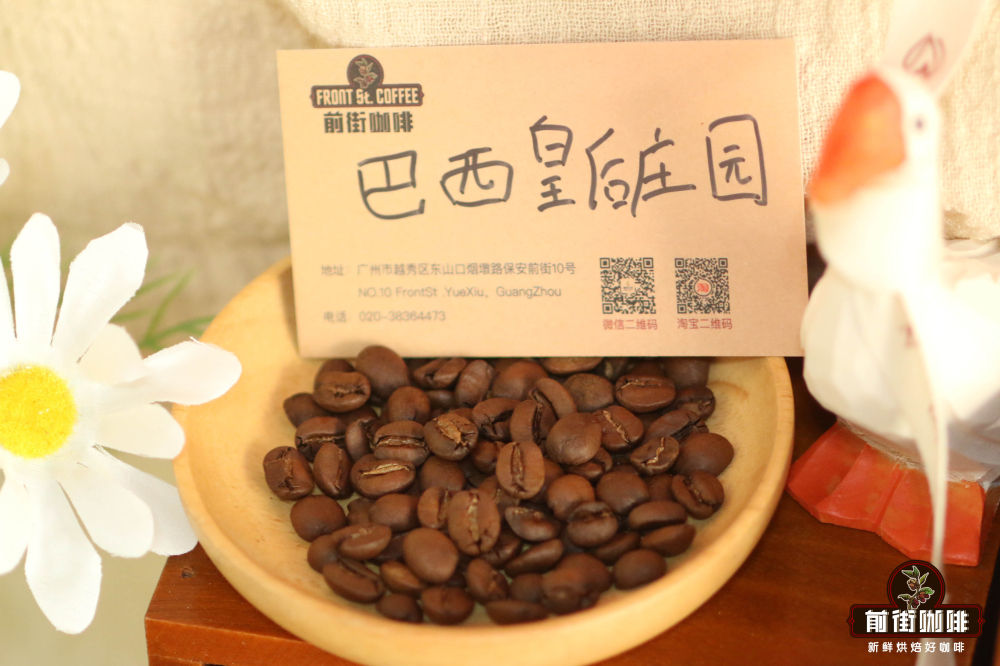
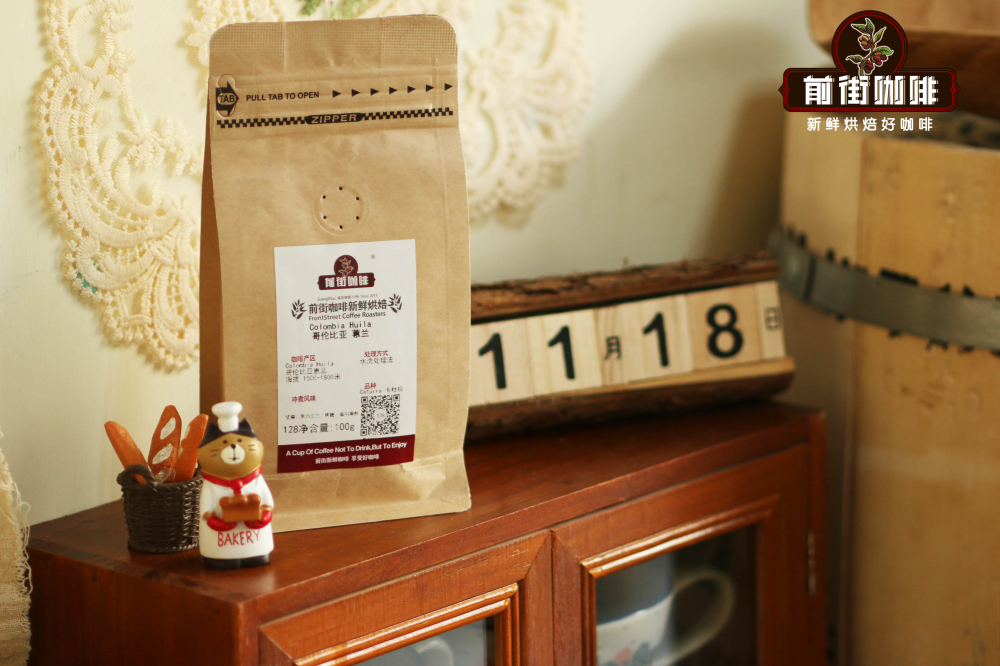
2. Moka Pot Everyday Bean Recommendation—Front Street Colombia Huila Coffee Beans
Region: Huila, Colombia
Altitude: 1500-1800m
Variety: Caturra
Processing: Washed
Flavor: Dark chocolate, nuts, caramel, gentle fruit acidity
☕ Asian Origins
If Central and South America represent the sweetness of nuts and chocolate, then Asian coffee represents a wild spice character. The following two are both medium-dark roasted, delivering a full, intense, and rich profile.
3. Moka Pot Everyday Bean Recommendation—FrontStreet PWN Golden Mandheling Coffee Beans
Region: Gayo, Sumatra, Indonesia
Altitude: 1600m
Variety: Ateng
Processing: Wet-hulled
Flavor: Spice, herbs, sandalwood, dark chocolate, caramel, nuts

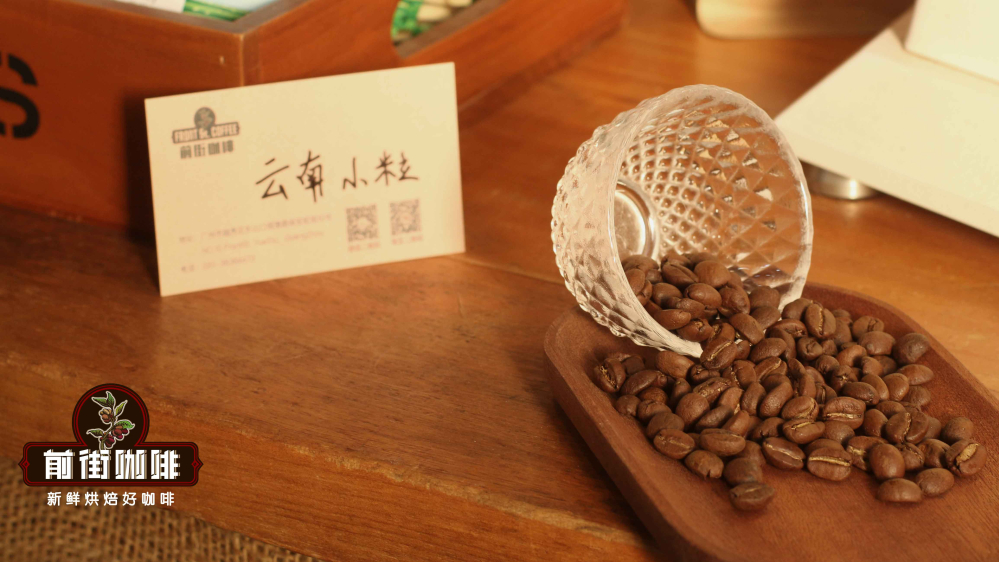
4. Moka Pot Everyday Bean Recommendation—Front Street Yunnan Small-Bean Coffee Beans
Region: Baoshan, Yunnan
Altitude: 1200m
Variety: Catimor
Processing: Washed
Flavor: Nuts, chocolate, brown sugar, tea-like
Tips: All the everyday beans recommended above are medium-dark roasted, highly suitable for Moka Pot extraction, and offer excellent value for daily drinking. Whether you're a black coffee lover or prefer adding milk, these beans will deliver satisfying results.
The above content is compiled by CoffeeHunters, a coffee news website.


