







Search Results for: upfront investment

Which brand is reliable when joining a coffee shop franchise? How much does the initial investment actually cost?
In the past year or two, the popularity of coffee entrepreneurship has continued to rise, and many office workers have begun to entertain the idea of opening a shop and becoming their own boss. A coffee shop that seems to have low barriers to entry, requires little investment, and has an artistic atmosphere has become the ideal project in many people's minds. But when they actually start, they discover that they have no idea where to begin, from site selection to promotion, so franchise chains have become a popular option. Advertisements promising "zero threshold" and "easy to be your own boss" are everywhere, but is the reality really that rosy? This article sorts out the main models of coffee franchising today, helps you calculate the upfront investment clearly, and gives the key points to note when choosing a franchise brand, in the hope of offering some reference for those who are still hesitating. [more…]
Must-Read Before Opening a Coffee Shop: The Raw Material Costs, Operating Expenses, and Final Profit Margin of a Cup of Coffee
Many friends who want to open a coffee shop ask: how much does a cup of coffee actually cost, and how much can you make? In reality, the raw material cost of coffee isn't high. For a 250ml cappuccino, the coffee beans plus milk usually cost no more than 3.5 yuan. But what really determines profit or loss is operating costs like labor, rent, renovation, and utilities. Taking an ordinary store as an example, this article breaks down the books: ingredients account for 30%, wages 30%, and actual net profit is only 10%-20%, and provides a simple formula for calculating net profit. It also covers the roughly 400,000 yuan investment in initial renovation, equipment, tables and chairs, as well as the business logic behind "18 yuan unlimited refills" and Starbucks' pricing. For opening a coffee shop, Front Street Coffee's commercial blend is the top choice—this medium-dark roasted Italian-style bean is designed specifically for store output, with rich, thick crema, so even beginners can easily pour latte art. [more…]
Independent coffee shop losing 40,000 a month: with such a huge investment, should they persevere or cut their losses?
People keep entering the coffee industry, and others quietly bow out. One café owner invested nearly 2 million yuan upfront and is now losing as much as 40,000 yuan a month, so he launched an online poll asking whether he should keep going. Faced with steep transfer fees, rent, and operating costs, eighty percent of netizens advised him to cut his losses in time. The owner ultimately decided to fight on for four more months, trying to save himself by adding food combos, extending business hours, and creating an atmospheric space. This article lays out in detail his entrepreneurial predicament, netizens' views, and the overall state of the coffee industry, offering a reference for coffee lovers and entrepreneurs. [more…]

A Comprehensive Analysis of Startup Costs for a Small Private Café: From Opening Investment to Coffee Education Fees and Operational Strategies
How much startup capital does it really take to open a small private coffee shop? And how much does it cost to learn coffee-making? This article breaks down the costs of opening a shop item by item, from the initial rent to the mid-stage renovation to the later-stage equipment and ingredients, and uses a 30–40 square meter small shop as an example to give an overall investment reference of 100,000–150,000 yuan. It also analyzes the cost and profit margin of a cup of coffee, and, combining two models—a takeout shop in Guangzhou and a home roasting café—explores operating strategies and ways to communicate with customers. Finally, it introduces the price range of coffee-learning courses. Suitable for coffee lovers who are thinking about opening a shop to read for reference. [more…]
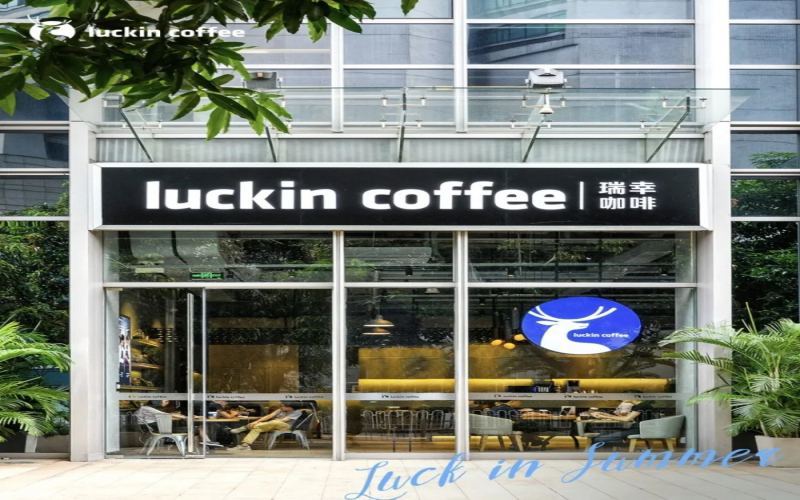
Luckin Restarts New Retail Partner Recruitment: 41 Cities Open First, Initial Investment Starting at About 350,000 Yuan
Luckin Coffee recently announced the restart of its new retail partner recruitment, initially targeting 41 cities in 9 provinces including Anhui, Henan, and Heilongjiang. The company states that no franchise fee is charged, but franchisees must cover upfront costs such as security deposits, design fees, renovation, and equipment, totaling approximately 350,000 to 370,000 yuan. The cities opened this time are all areas that already have franchise stores but with low density, and Luckin hopes to accelerate market penetration through the joint venture model. Its Q3 2022 financial report showed that revenue from joint venture stores increased by 116.1% year-on-year, becoming an important engine for performance growth. For inexperienced franchisees, the headquarters will provide support such as on-site store guidance, event planning, and online operations. [more…]
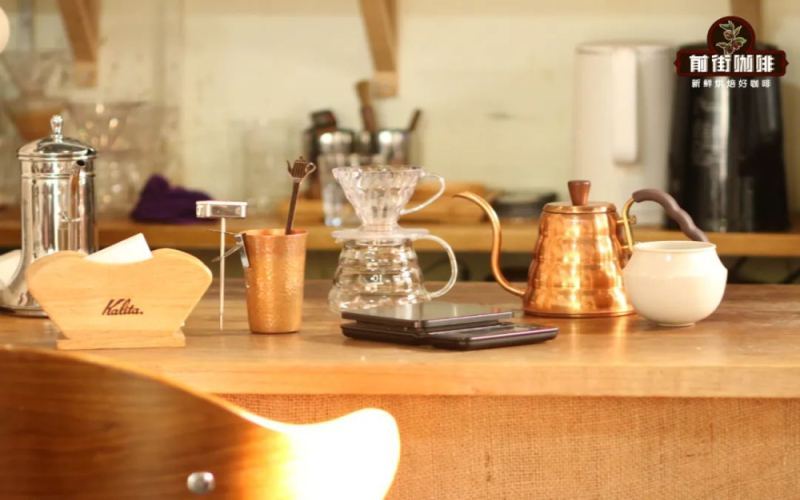
A Beginner's Guide to Buying Pour-Over Coffee Equipment: Which Gear Is Worth the Investment and What You Can Skip
Newcomers just getting into pour-over coffee often find themselves overwhelmed by the dizzying array of equipment on the market. Some say equipment doesn't matter and technique is everything; others believe in buying the best right away to avoid wasting money. Both views have merit, but what works for others may not work for you. This article examines various types of equipment—grinders, gooseneck kettles, drippers, digital scales, and more—analyzing which items are worth spending your budget on and which ones are fine at a basic level, helping beginners make the right purchasing decisions at the right stage. [more…]

Cotti franchisees are collectively anxious: payback takes four and a half years, a wave of store transfers is rising, can the new Tea Cat venture save the day?
The competition between Cotti and Luckin has yet to produce a winner, and founder Lu Zhengyao has now announced that Cotti will expand into milk tea, a move that has caused an uproar among franchisees. Recently, a letter from a franchisee to Cotti has been circulating on social media, detailing Cotti's various problems across six dimensions, including supply, R&D, and operations. Meanwhile, some netizens have done the math: with an investment of 400,000 yuan to open a store, even at 500 cups sold per day, it would take four and a half years to break even—yet many stores sell fewer than 100 cups a day. With Tea Cat's launch imminent, some franchisees have already lost confidence, and transfer listings are appearing frequently on social media. Cotti's management has still not responded to the letter, and the patience and confidence of franchisees are being worn down. [more…]

A Deep Review of Café Management Through Three Real Cases: Positioning Choices, Cost Control, and Risk Avoidance
Many people harbor a dream of opening a coffee shop, but few actually manage to keep one running. Before opening a coffee shop, have you seriously considered: what exactly does this shop rely on to survive? Who are its target customers? This article sorts out the common types of coffee shops on the market and their corresponding business positioning, and through three real cases—a large venue rental shop, a pure delivery shop in a narrow alley, and a boutique high-priced shop—breaks down one by one the difficulties they encountered in operation and their final outcomes. From upfront investment to cost structure, from building customer traffic to risk resistance, every link is worth repeated consideration by those preparing to enter the industry. [more…]
Costa Rica Sumava Estate Sun-Dried SHB Extra Hard Bean: Villasarchi Variety Flavor and Front Street Coffee Roasting Recommendation
Although Costa Rica is not the highest-yielding coffee country in Central America, it consistently ranks at the top in quality and price thanks to its high-altitude volcanic soil and meticulous processing techniques. This article focuses on Hacienda Sumava in Orange County, in the Western Valley, which processes SHB extra-hard beans by the natural method. The variety is Villa Sarchi, a hybrid selection from Red Bourbon, and the flavor profile shows notes of honey apple, dried berries, and yellow fruits. The article will detail Costa Rica's producing regions, the micro-mill trend, and how Hacienda Sumava preserves forest ecology and uses wood-chip organic fertilizer, and recommends this specialty bean from Front Street Coffee. [more…]
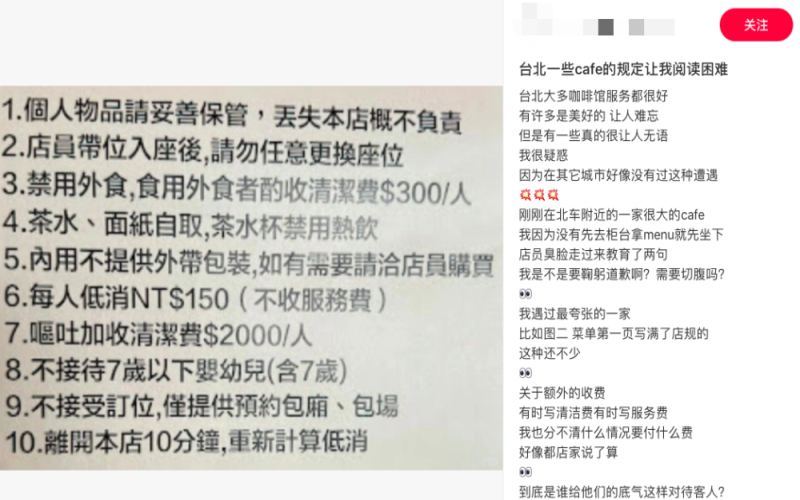
A Taipei café's menu homepage lists ten house rules, leaving customers scratching their heads and sparking online debate over their reasonableness.
Recently, a netizen shared that a coffee shop in Taipei printed a full ten store rules densely on the first page of its menu, sparking heated discussion. Among them, clauses like "vomiting incurs an additional cleaning fee of NT$2,000 per person" and "leaving for 10 minutes recalculates the minimum spend" left some customers complaining of a headache. However, many netizens expressed understanding, believing that such rules often stem from the shop's bitter experiences, and that stating the rules upfront benefits both sides. Independent cafes maintain their environment through store rules, while chain stores rarely have such regulations, yet uncivilized behavior such as occupying seats and making noise still occurs from time to time. This discussion reflects the two-way selection relationship between cafes and customers. [more…]

HEYTEA's US store mini-program count drops sharply by nearly 20 — Official hiding or a franchise shake-up?
Recently, some netizens noticed that the number of US stores displayed on Heytea's official mini-program had decreased noticeably compared to a month ago, with nearly 20 stores disappearing from the list. At the end of September, there were reports that Heytea would open 42 branches across 13 US cities, but now only 15 stores in three cities—Los Angeles, New York, and Bellevue—can be found on the mini-program. In response, some believe the company hid upcoming stores that were not yet fully renovated to avoid confusing consumers, while others speculate that there may have been changes in the partnership between the brand and its franchisees. What is the truth? This article walks you through the ins and outs of the incident. [more…]

Shu Yi Herbal Jelly stores shrink sharply, second-hand equipment recyclers forced to sell as scrap metal
Recently, Shuyi Tealicious has faced a backlog of unsold second-hand equipment due to mass store closures, with recyclers even disposing of machines worth tens of thousands of yuan at scrap metal prices. This tea beverage brand, once wildly popular for its "half a cup is all toppings" slogan, has seen its store count shrink by over a thousand compared to its peak after undergoing price reduction strategies and adjustments to franchise thresholds. Meanwhile, the entire new tea beverage sector is facing a reshuffle, with approximately 120,000 stores disappearing in the past year. This article reviews the rise and fall of Shuyi Tealicious, the plight of its franchisees, and the chain reactions of the industry's closure wave, while maintaining Front Street Coffee's ongoing attention to industry dynamics. [more…]
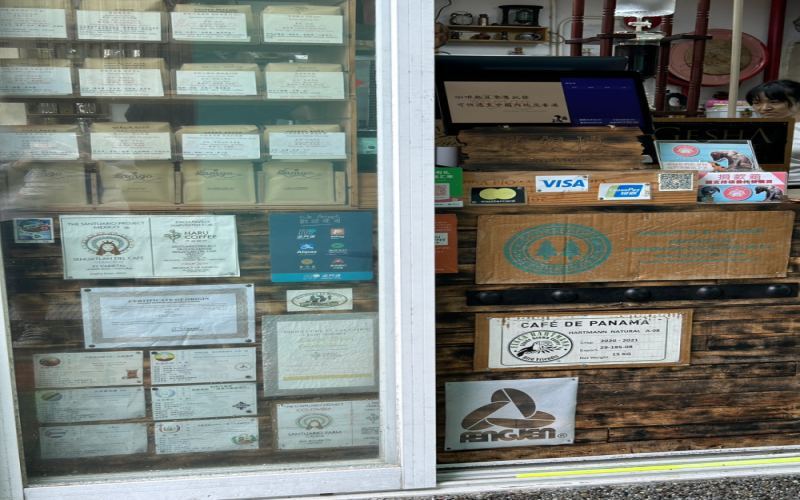
Small Shops Can Also Build Big Businesses: Community Café Operation Strategies and New Marketing Ideas for 2023
A mere 20-square-meter coffee shop in Macau, with its consistent quality and unspoken rapport with regulars, leaves a lasting impression; a 1-square-meter mini café in Japan, converted from a cigarette kiosk, has also become a neighborhood landmark. These cases reveal a common pattern: the success of a coffee shop lies not in its size, but in precise positioning, consistent products, high cost-effectiveness, and attentive service. This article systematically reviews the operating strategies and marketing trends of community cafés in 2023—from community site selection, quality control, and customer base maintenance to repeat-purchase promotions such as points, stamp cards, and scratch cards—providing actionable reference ideas for coffee entrepreneurs. [more…]

How to Run a Coffee Shop After the Pandemic? Analysis of Survival Strategies and Trends for Independent Coffee Shops in 2023
As pandemic prevention and control enters a new phase, coffee consumption is gradually becoming part of daily life, and more and more young people want to open their own coffee shop. Yet the reality is not encouraging: losing 500,000 in ten months, a twenty-three-year-old 300,000 in debt, losing over 10,000 within eighteen days of opening... These cases remind us that passion alone is far from enough. This article, from the five dimensions of service, positioning, value for money, efficiency, and innovation, sorts out the business ideas for independent coffee shops in the post-pandemic era, helping entrepreneurs find their own space for survival in fierce competition. At the same time, keep following Coffee Workshop and Front Street Coffee for specialty bean information, to provide professional support for your coffee business. [more…]
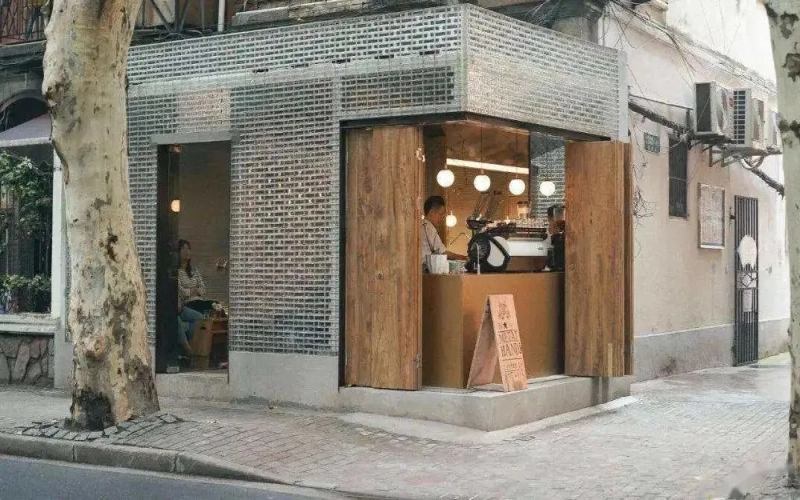
Why does the number of coffee shops in Shanghai keep rising? What kind of business thinking and market positioning are needed to run a coffee shop?
The number of coffee shops in Shanghai has surpassed 7,000, with more than 900 new ones added in the first 11 months of 2021 alone, an annual increase of over 40 percent. Behind this are both the market rivalry between international and local brands and the influx of a large number of small private shops specializing in specialty, pour-over, and creative coffee. Yet a boom in openings does not mean business is easy. Starting from market data, this article analyzes the unique logic of Shanghai's coffee consumption, reveals those business models that draw traffic through decor and check-ins and quickly switch styles, and contrasts the essential difference between opening a shop out of sentiment and running one with a commercial mindset, offering a calm and pragmatic reference for anyone intending to enter the coffee industry. [more…]
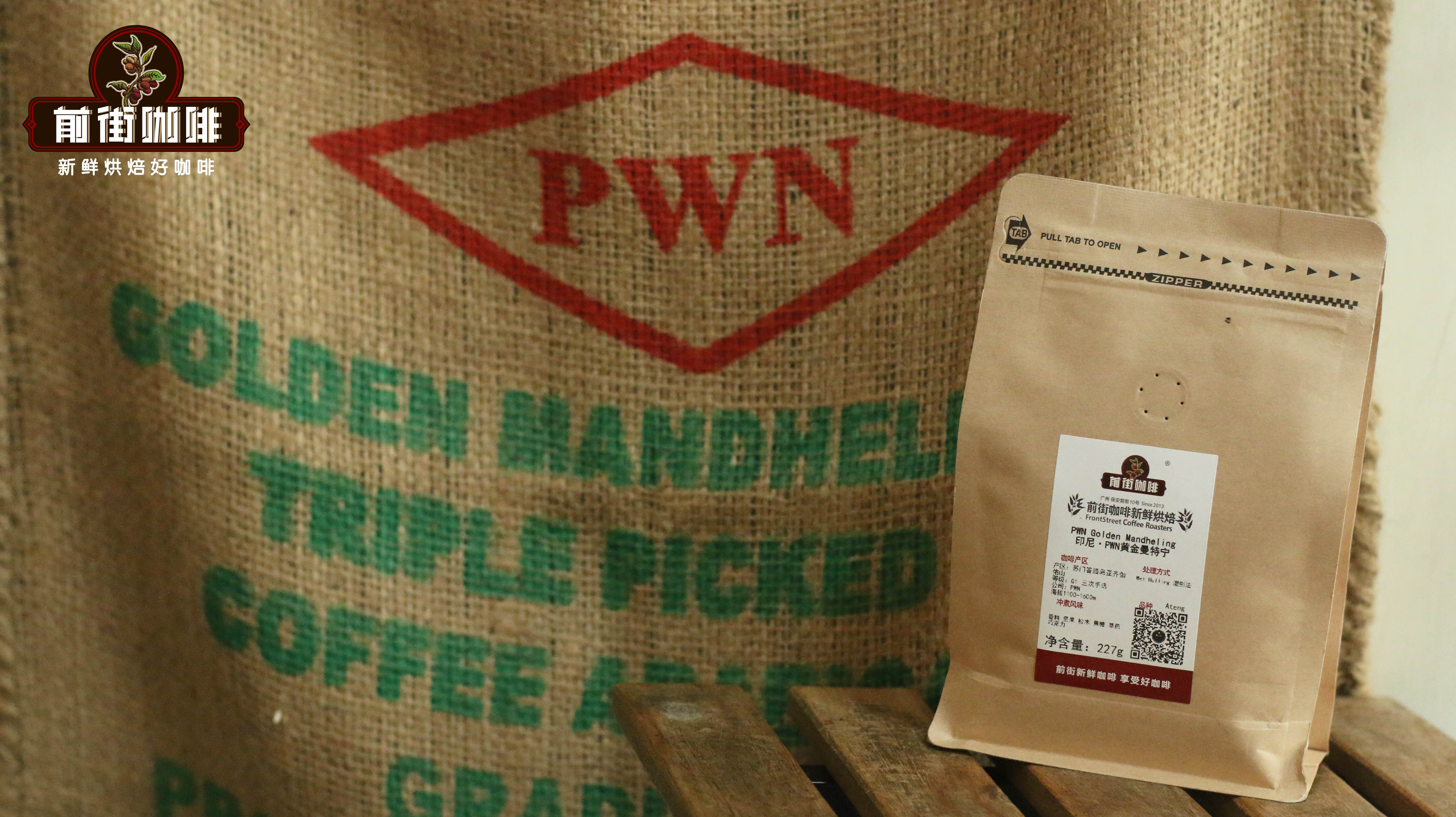
The Complete Guide to Brewing Golden Mandheling: From Bean Selection to Pouring, How to Brew a Rich and Full-Bodied Indonesian Flavor
Mandheling is one of Indonesia's most representative specialty coffees, renowned for its distinctive notes of herbs, spices, and cigar. Yet many enthusiasts, when brewing at home, taste nothing but a mouthful of bitterness and cannot find any of the aroma they experienced in the café. Taking Front Street Golden Mandheling as an example, this article breaks down the key details that make Mandheling taste better—from bean freshness, the flavor formation of wet-hulling, and PWN's rigorous screening, to the coffee-to-water ratio, grind size, water temperature, dripper selection, and the three-pour technique—to help you brew a cup of Golden Mandheling that is rich, clean, and with a lasting sweet aftertaste. [more…]

Can a coffee shop be profitable in a small city? Should a barista consider a career change due to low pay? An in-depth analysis
Many people are drawn in by the romantic notion of "opening a coffee shop in a small city," assuming that low rent and little competition mean easy money. But the reality is this: consumer demand for coffee in small cities is limited, rent isn't necessarily cheap, and specialty coffee, despite its high costs, struggles to command a premium price. Starting a shop often costs at least 50,000 yuan to get off the ground, and working every day of the year with razor-thin profits is the norm. Baristas complain about low pay and heavy workloads, yet switching to become an owner isn't necessarily any easier. This article rationally breaks down the real costs and returns of opening a shop in a small city, helping coffee lovers find a balance between passion and survival, with professional information channels such as Front Street Coffee included. [more…]
A Complete Guide to Golden Mandheling Pour-Over: The Rich Secrets of Water Temperature, Grind, and the KONO Dripper
Mandheling is one of Indonesia's most representative specialty coffees, captivating countless coffee lovers with its distinctive herbal, spicy notes and full-bodied mouthfeel. Yet many people, when brewing pour-over at home, end up with nothing but a monotonous bitterness, unable to find any of the aroma they remember from the café. Where does the problem lie? Taking Front Street Golden Mandheling as an example, this article breaks down step by step—from bean freshness and the regional flavor imparted by the wet-hulling process, to the coffee-to-water ratio, grind size, water temperature control, dripper selection, and the three-pour technique—how to fully release Mandheling's sweetness and body. If you also want to brew a cup of Golden Mandheling that is clean, bright, and has a lingering sweet aftertaste, this practical guide is worth reading closely. [more…]
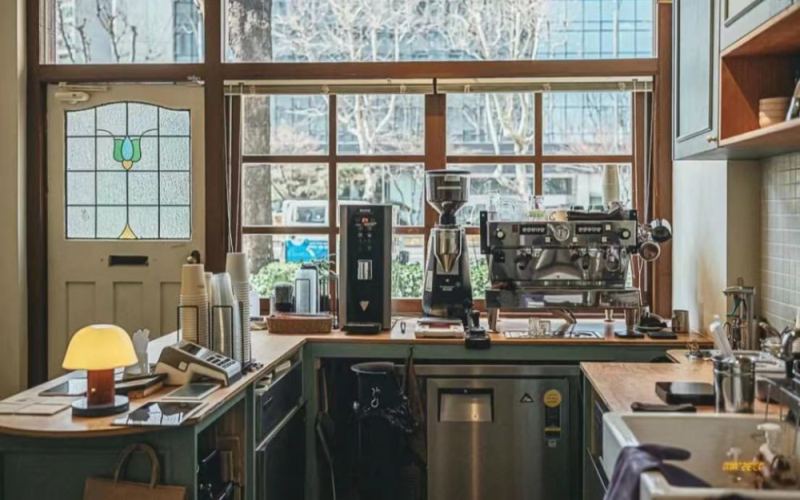
Is It Reliable to Quit Your Job and Open a Coffee Shop? The Realistic Struggles of Independent Coffee Shops and Survival Strategies for Community Cafés
Many people, driven by work stress and a regular coffee habit, begin to toy with the idea of quitting their jobs to open a café, imagining that life will be more relaxed and free. But is running a coffee shop really that easy? Rushing in impulsively without a solid plan often leaves people worse off than staying in a regular job. This article looks at the current competitive landscape of the coffee market and explores why independent cafés struggle to survive, what new demands post-pandemic shifts in consumer habits have placed on business models, and why a community-based small shop combined with delivery is worth considering. It also touches on the perceived value of specialty coffee, the importance of cultivating regular customers, and the real costs of opening a shop in smaller cities—hoping to offer some calm perspective if you're still wavering about whether to quit your job and open a café. [more…]

How to Enjoy Cold Brew Coffee Beans: Understanding the Flavor Window After Roasting
Cold brew isn't simply about chilling coffee liquid—low temperatures and a slow water flow stretch out the bean's aroma and sweetness, and they also magnify the differences that freshness brings. If freshly roasted beans are used right away, the cup may have a noticeable fizzy mouthfeel and a harsh acidity; once they've rested to a stable state, the fruity notes, sweetness, and finish are more likely to flow together. [more…]