







How Do You Brew Golden Mandheling Without Bitterness?
Brewing golden mandheling at home often ends in a monotonous bitterness that misses the aroma found in a café. The fix starts with freshness: beans past their optimal flavor window lose aromas that are hard to recover during brewing, so lots roasted more than a month earlier are avoided for service. From there, ratio, grind, water temperature, dripper, and pour technique decide the outcome.
This Mandheling comes from Indonesia's PWN company and is processed with the wet-hulled method. That process raises the defect rate of the coffee beans, yet it delivers the herbal and earthy aroma the coffee is known for, since the green beans dry without a parchment layer protecting them. A KONO dripper and a three-pour rhythm help release sweetness and body instead of bitterness.
Mandheling is one of Indonesia's most representative specialty coffees, and its unique herbal, spicy, and full-bodied character has captivated countless coffee lovers. But many people who brew it at home with a pour-over can only taste a monotonous bitterness, completely failing to find the aroma they experienced in the café. Where does the problem lie? This article uses Front Street Golden Mandheling as an example, breaking down step by step—from the freshness of the coffee beans and the regional flavor brought by the wet-hulled process, to the coffee-to-water ratio, grind size, water temperature control, dripper selection, and the three-pour technique—how to fully release Mandheling's sweetness and body. If you also want to brew a clean, bright cup of Golden Mandheling with a long-lasting sweet aftertaste, this hands-on guide is worth reading carefully.
Mandheling coffee is one of Indonesia's most renowned specialty coffees, and its most distinctive feature is that unique herbal note—some describe it as cigar-like, some find it spicy, and others say it's grassy. A friend told Front Street that the Mandheling they brewed at home only tasted bitter, completely lacking the aroma they had experienced in the café. So here at Front Street, let's use our own Golden Mandheling as an example to talk about how to brew Mandheling so it tastes better.
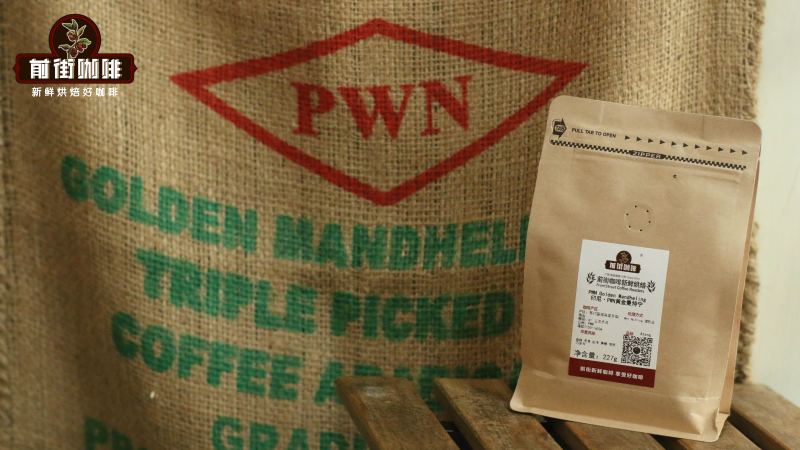
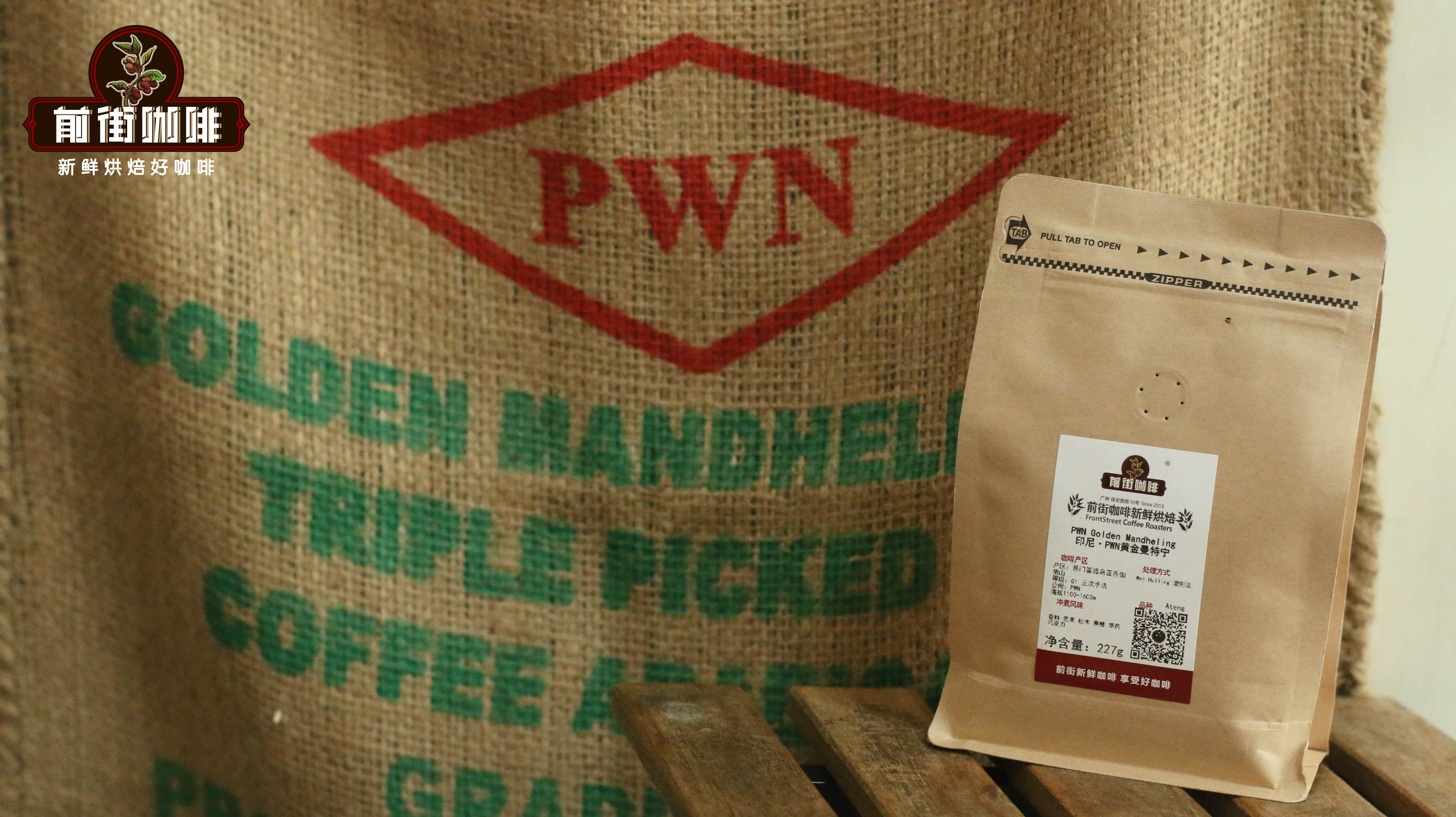
First, prepare a bag of freshly roasted Golden Mandheling coffee beans.
Before brewing, Front Street will first check the freshness of the Golden Mandheling coffee beans. If the roast date is more than a month old, Front Street will not use them for serving. Coffee beans have an optimal flavor window after roasting; aromas accelerate their loss over time, and dissipated flavors are very difficult to restore during brewing. This is also why Front Street insists on only shipping coffee roasted within 5 days, hoping every customer can enjoy the coffee beans at their fullest flavor window.
Front Street's Golden Mandheling coffee comes from Indonesia's famous PWN company and is processed using the wet-hulled method. Although the wet-hulled method significantly increases the defect rate of the coffee beans, the coffee's flavor is not particularly negative—instead, it brings an herbal, earthy aroma. In the final drying stage of the wet-hulled method, there is no parchment layer protection, and the green beans are directly exposed to the environment, where various fungi and bacteria thrive, giving Indonesian coffee its unique woody, spicy, and herbal notes—what we call the "taste of place."
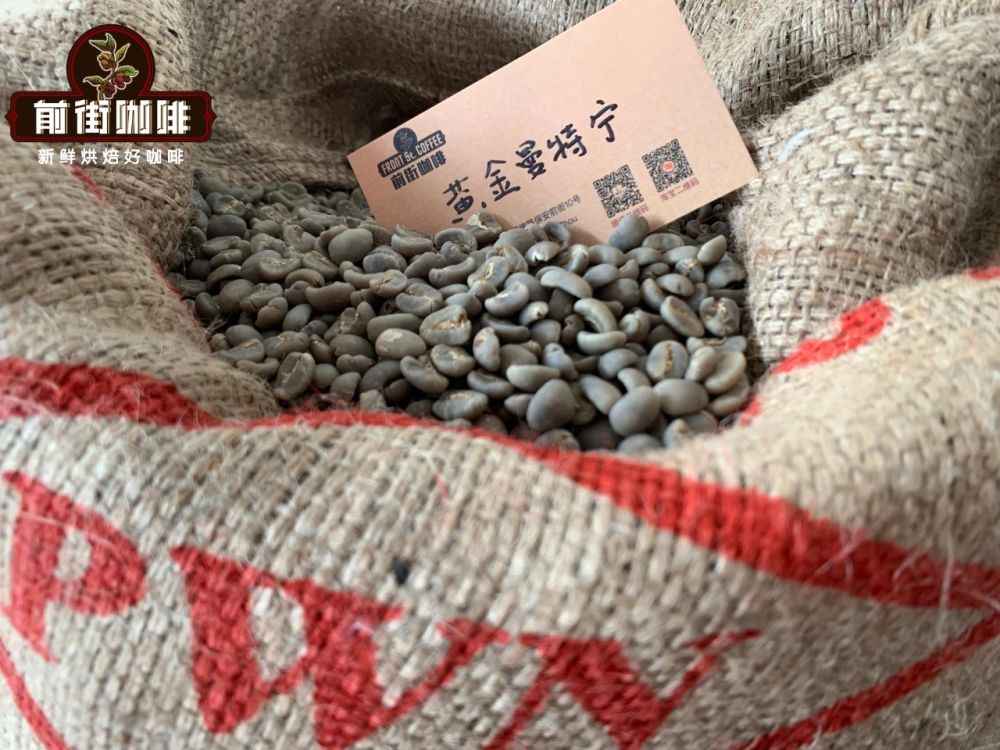
Because the wet-hulled method forcibly removes the parchment layer using "rough" friction while the green beans are in a semi-dry state, the production process subjects Mandheling green beans to considerable squeezing pressure, causing them to become deformed or even shattered. This is why the wet-hulled method results in a higher defect rate for Mandheling green beans.
PWN invests substantial manpower into its green coffee beans. First, they only purchase G1-grade Mandheling coffee from the Lake Tawar area of the Gayo Highlands in northwestern Sumatra, then undergo four rounds of hand sorting to ensure the Mandheling coffee beans are uniform in color, shape, and size. As a result, Front Street's PWN Golden Mandheling tastes cleaner and brighter, with more pronounced body and sweetness. (Green coffee beans sized 18 mesh and above, with fewer than 3 defective beans in a 300g sample, qualify as G1 grade—the highest grade for Indonesian green beans.)
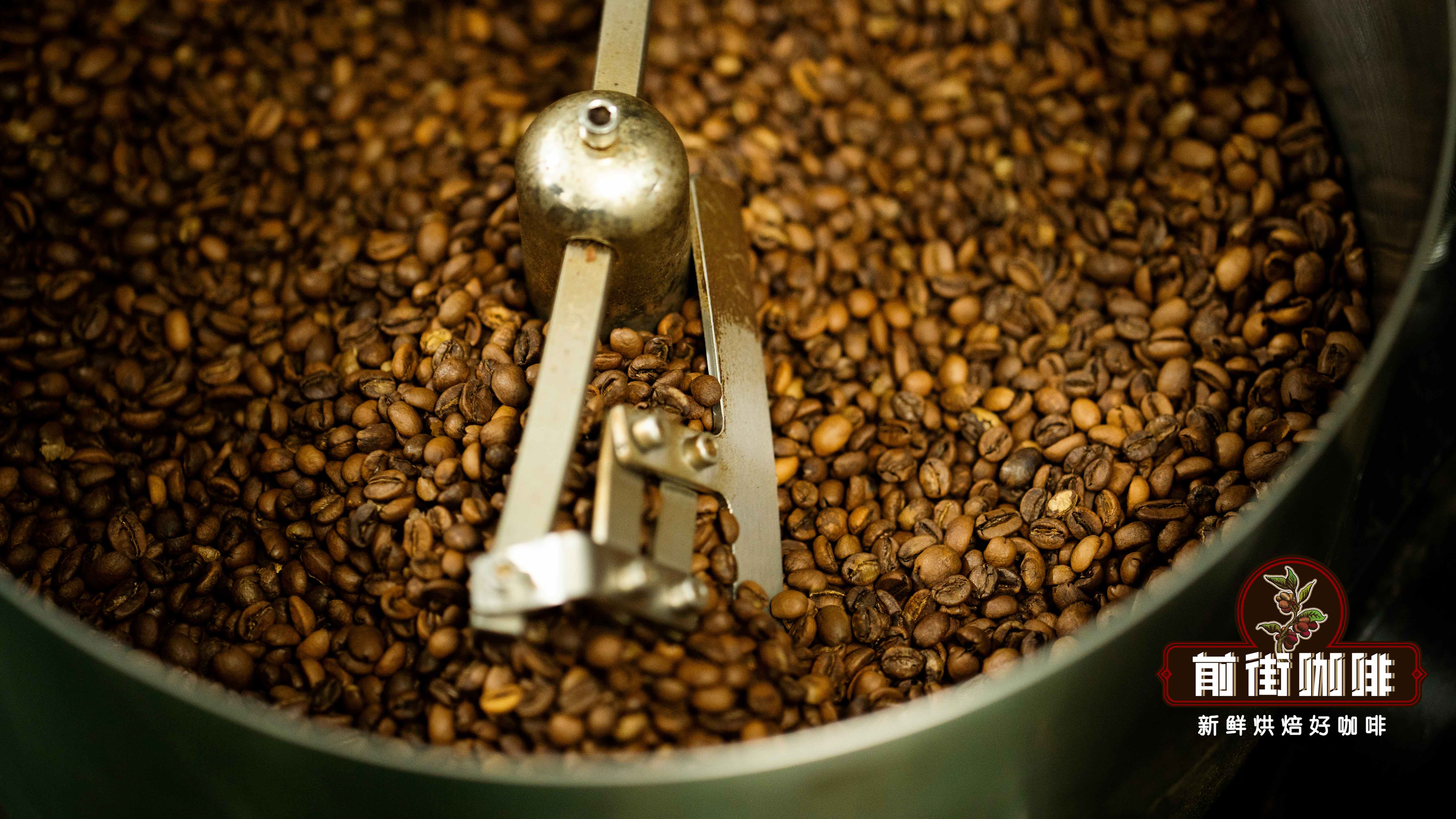
To present Mandheling coffee's classic full-bodied flavor, Front Street's roasters chose a medium-dark roast to make the dark chocolate and caramel aromas more explosive. Front Street Coffee's baristas also adjust their brewing based on the coffee beans' roast level and flavor type.
Coffee-to-Water Ratio
When Front Street serves a cup of coffee, it uses 15g of coffee grounds. The amount of coffee is usually determined by the size specification of the dripper's design, and Front Street's dripper is suited for 1-2 servings, allowing for 15-20g of grounds. Too much coffee is harder to control and the extracted coffee flavor can easily become muddled.
Regarding the coffee-to-water ratio, 1:15 is the most commonly used, and ratios within the 1:13 to 1:17 range are all acceptable. Those who prefer a rich mouthfeel can choose 1:13, while those who prefer something lighter can choose 1:17. Front Street believes everyone's taste is different—1:13 might be too strong for some, and 1:17 too weak—so we take the middle value of 1:15.
Grind Size Should Be Coarser
Dark roasting makes the internal structure of coffee beans loose—you can easily crush them with a gentle pinch of your fingers. This indicates that the bean structure has been significantly altered, and once ground, the coffee has strong water absorption. To avoid over-extraction after the coffee grounds absorb water and release large amounts of bitter compounds, Front Street uses a coarser grind than for light-roasted coffee beans. Here we use a medium-coarse grind (70% passing through a Chinese standard No. 20 sieve), with the shop's EK43s at setting 11.
Brewing Water Temperature Should Be Lower
Roasting triggers caramelization and Maillard reactions in coffee beans. As the roast level deepens, more non-enzymatic browning occurs as monosaccharides and amino acids interact and decompose under heat, making it easier to release bitter, large-molecule compounds. To avoid extracting excessive off-flavors, Front Street lowers the water temperature slightly. The brewing water temperature for light-roasted coffee is 91-93°C; for dark-roasted coffee beans, Front Street recommends 87-88°C.
Choose a KONO Dripper
For full-bodied coffees like Indonesian Mandheling, Brazil Queen's Estate coffee, and Jamaican Blue Mountain coffee, Front Street Coffee's baristas prioritize the KONO dripper for brewing. Compared to the V60, the KONO dripper has smooth curved surfaces—this design is actually meant to ensure the filter paper clings tightly to the dripper wall when wet. At the same time, the diversion ribs are only one-quarter the height of the dripper, restricting airflow from rising, so water can only pass through the bottom into the server. This increases the time for coffee particles to absorb water, allowing the coffee bed and hot water to form an immersion extraction, making the coffee's flavor rounder and fuller.
Staged Pouring Brings Out More Sweetness in Golden Mandheling
The brewing method uses a three-stage pour. Dividing into three pours better expresses Golden Mandheling coffee's full body and caramel sweetness.
Rinse the KONO dripper so the filter paper adheres more closely to the dripper. After discarding the water in the server, add 15g of ground coffee, then bloom with 30g of water for 30 seconds. This pour fully saturates the coffee grounds and allows them to degas, enabling better extraction of flavor compounds later. Some people extend the bloom time to 45 or 50 seconds when extracting light-roasted coffee beans to enhance the upfront aroma. However, for dark-roasted Mandheling coffee, too long a bloom can excessively release that woody, off-flavor character, so Front Street chooses a 30-second bloom.
For the second pour, start from the center in a circular motion with a slow, small stream of hot water, keeping the flow steady until reaching 125g, then pause.
When the coffee bed has dropped to halfway down the dripper and the bed is exposed, begin the second pour using the same technique until reaching 225g. Once all the coffee has dripped through, remove the dripper. The extraction time is two minutes, with a tolerance of plus or minus 10 seconds. Finally, swirl the coffee in the server to mix it evenly, and you can begin tasting your pour-over Golden Mandheling black coffee.
The ground Golden Mandheling coffee has aromas of nuts and toasted bread, and during brewing you can smell caramel sweetness. The brewed Mandheling coffee enters the mouth with spice and dark chocolate notes, a full yet clean body, obvious sweet aftertaste, and a lasting finish.
The above content is compiled by CoffeeHunters, a coffee news website.


