







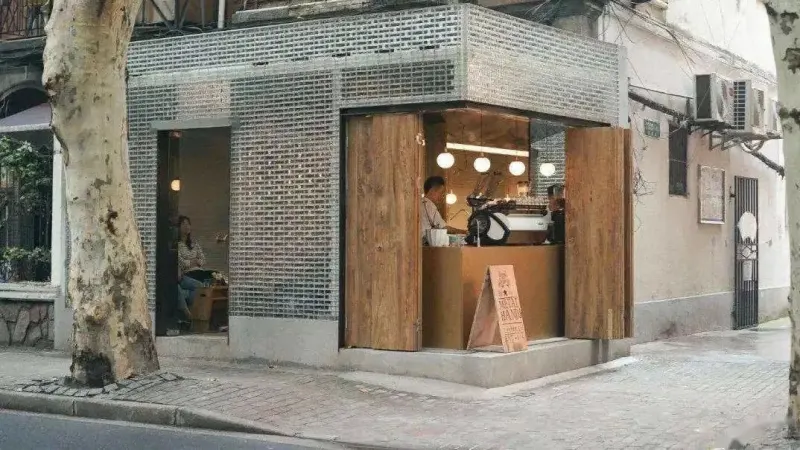
Why Do Shanghai Coffee Shops Keep Growing?
Shanghai had about 7,200 registered coffee shops as of November 2021, with roughly 951 new stores opening between January and November that year, a year-on-year rise of 41.5 percent. That puts the total at around 7,500. Growth comes from competition between international and local chains plus a wave of independent specialty coffee, pour-over, and creative-drink shops.
Opening numbers do not guarantee easy operations, so new shops need a clear position before entering. Price competition against chains is hard to win, which pushes independents toward distinctiveness in decor, check-in traffic, or drink style. The market also rests on a habit of drinking coffee for its own sake rather than out of rigid necessity.
The number of coffee shops in Shanghai has surpassed 7,000, with over 900 new ones added in the first eleven months of 2021 alone—an annual increase of more than 40 percent. Behind this surge lies both the market battle between international and local brands and the influx of a large number of small independent shops specializing in specialty coffee, pour-over, and creative drinks. Yet a boom in openings does not mean easy operations. Starting from market data, this article dissects the unique logic of Shanghai's coffee consumption, reveals the business model that relies on decor and check-in traffic while quickly switching styles, and contrasts running a shop out of sentiment with running it with a commercial mindset—offering a calm and pragmatic reference for anyone considering entering the coffee industry.
According to the "2021 Shanghai Specialty Coffee Consumption Observation" released last November by the Coffee Professional Committee of the Shanghai Food Industry Association, the first concentrated wave of coffee shop openings in Shanghai began in 2018. As of November 2021, there were about 7,200 registered coffee shops citywide; of those, roughly 951 new stores opened between January and November 2021 alone, a year-on-year increase of 41.5 percent. By this estimate, the total number of coffee shops in Shanghai now stands at around 7,500.
The swelling number of stores comes, on the one hand, from close-quarters combat between international brands and local chains, which has driven the entire industry to expand rapidly; on the other hand, over the past two or three years, a batch of independent shops featuring specialty coffee, pour-over, and creative beverages has also sprouted up. To stand out in a dense bamboo forest, every spring bamboo shoot must figure out its distinctiveness before breaking through the soil.
To squeeze into this fiercely competitive track, getting a firm foothold is crucial. If you plan to compete on price, you simply cannot beat chain coffee shops... Therefore, newly entered coffee shops must identify their own characteristics and positioning before they can take a solid first step in the market.
One reason Shanghai's coffee market can grow so rapidly is that the city's development positioning has led more and more people to develop a coffee-drinking habit—note, this is not a rigid necessity, but drinking for drinking's sake. For most consumers, coffee is simply a beverage; as long as it tastes good and is distinctive, that's enough, and very few truly pursue flavor nuances. Another reason is that the pandemic changed consumption patterns, making coffee shops one of the top choices for offline socializing among the younger generation. Where there is demand, supply naturally rises.
Shanghai's main consumer group is concentrated between the ages of 20 and 40, with women accounting for 60 percent. As society evolves, local consumers' backgrounds and preferences have become increasingly diverse, and given their natural love of trying new things, many people's first move after getting a coffee is not to drink it but to snap a photo while the presentation still holds, then share it on social platforms as part of their life.
Thus, fueled by the internet, going to a coffee shop is no longer just about drinking coffee—taking photos and checking in has instead become the "real purpose." As a result, many coffee shops do not focus their energy on the quality of their products but care more about the uniqueness of the store and the visual appeal of the drinks, so their brand can pop out in the colorful online world.
In Shanghai, more than 7,000 coffee shops can spawn over a thousand decor styles: Japanese, Korean, industrial, cave-style, retro... No matter the style, there are only two goals: an extremely high photo-hit rate. Spend money on promotion, let check-in visitors take a bunch of good-looking photos and post them online, then attract the next wave of netizens drawn by the hype. Once the shop makes money, close it, use the same batch of equipment to open another shop in a different style, and keep replicating the same model for the next round of business. This kind of operation gives many people an illusion: although the coffee market is fiercely competitive, coffee shops keep opening, and running a coffee shop is a piece of cake.
This also leads many "industry fledglings" to mistakenly believe that as long as the equipment is high-end and the decor unique, customers will flow in endlessly, and then they can live the "coffee shop life" they aspire to. But the reality is that only after being repeatedly battered by the market do they suddenly realize that ideals and actually running a business are completely different matters. After being defeated by reality, they do not reflect on whether their own operating approach has problems but instead complain that the chain coffee market has stolen their business...
The divide between the two approaches above lies in this: one is playing the market, the other is opening a shop out of sentiment. Can sentiment really put food on the table? Obviously not!
Let's do the math.
Many people opening coffee shops think equipment is very important, so they pour big money into equipment... To achieve the ideal shop style, renovation is also a major expense. Add rent, utilities, and labor costs, and the upfront outlay can easily run to one or two hundred thousand, and that is only the beginning.
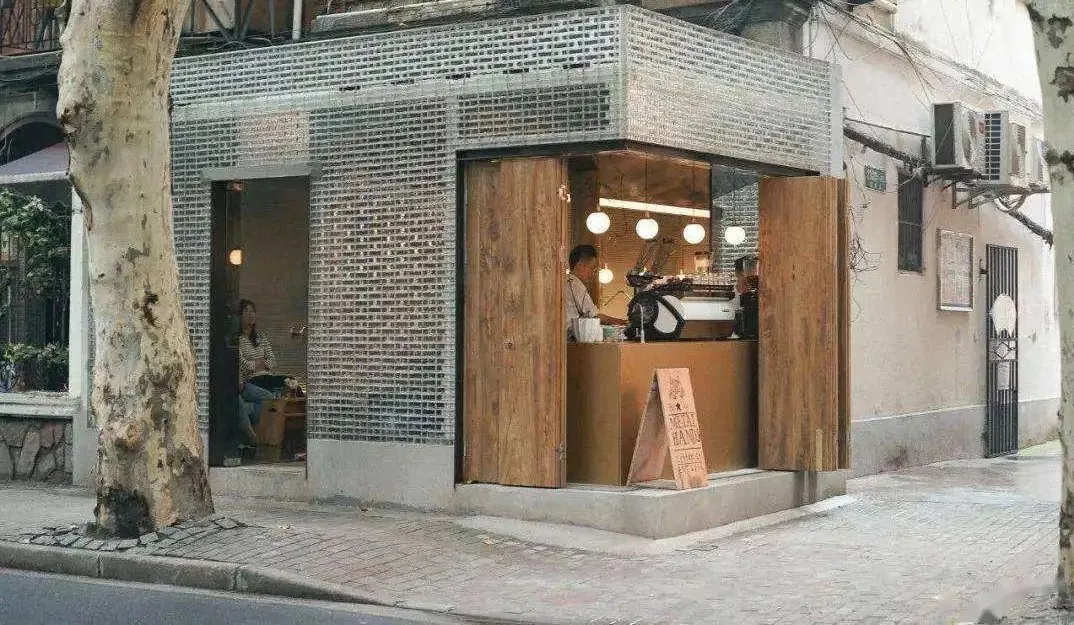
A coffee shop does not have business the moment it opens; after all, consumers rarely actively choose a strange store to spend money in, and at this point a large amount of cost is still needed for promotion. Every day there are also consumption costs for materials, utilities, and labor... Under ideal conditions, there is a chance to recoup the investment in half a year; but in reality, the payback period is often much longer than imagined, and it takes even longer to start making a profit or barely break even. During this period, not only does money burn, but patience wears thin, personal time is gone, and after fighting desperately every day, when you only earn ten or twenty thousand a month in the end, ask yourself: what is sentiment!
Do not look at this city where coffee has become involuted to a certain level and assume that running a coffee shop is easy just because more and more coffee shops are opening! That is because the people opening shops in Shanghai are all running them with a commercial mindset, operating according to market demand. It is impossible to survive on sentiment alone, let alone talk about making money.
Then if not in a big city, going to a small city should at least work...?
Running a coffee shop is a business, and no matter where it is opened, it is a business. Do not try to convince yourself with the idea that "I am not trying to make money from the coffee shop," even if you are very rich! A business that does not make money will soon make you feel that running a coffee shop is completely pointless.
Stop holding such high ideals about opening a coffee shop! Leave sentiment and such for memories; doing business by watching the market is the most basic way for a coffee shop to survive.
Note: Image source is the internet and does not specifically refer to the coffee shop in the picture.
For professional coffee knowledge exchange and more coffee bean information, please follow Coffee Workshop (WeChat public account: cafe_style).
For more specialty coffee beans, please add the private WeChat of Front Street Coffee, WeChat ID: kaixinguoguo0925.
The above content is compiled by CoffeeHunters, a coffee news website.


