








What Is a Boutique Cafe, and Can It Survive?
A boutique cafe focuses on specialty coffee retail rather than volume or light meals. Three real cases show the range: a large venue rental shop, a pure delivery shop in a small alley, and a boutique high-priced shop. Each faced different operating difficulties, and their outcomes hinged on positioning, cost structure, customer traffic, and risk resistance rather than on the coffee alone.
Market formats include extra-large stores in exhibition halls, large chains, small takeaway-focused shops, internet-famous style shops, and boutique operations. Refined coffee retail depends on a defined customer group and a realistic plan. Owners who treat the shop as a leisurely artistic life often struggle; those who treat survival as the core question make clearer decisions on investment and pricing.
Many people harbor a dream of opening a coffee shop, but few actually manage to keep one running. Before opening a coffee shop, have you seriously thought about: what exactly does this shop rely on to survive? Who are its target customers? This article sorts out the common types of coffee shops on the market and their corresponding business positioning, and through three real cases—a large venue rental shop, a pure delivery shop in a small alley, and a boutique high-priced shop—breaks down one by one the difficulties they encountered in operation and their final outcomes. From initial investment to cost structure, from building customer traffic to risk resistance, every link is worth repeated consideration by those preparing to enter the industry.
"What kind of coffee shop are you planning to open?" "Coffee shops even have types?!"
Indeed, coffee shop is just a broad term—any place that sells coffee can be given this name. However, what positioning to use when opening a coffee shop is precisely the issue that many people intending to enter the industry most easily overlook. Positioning, plainly put, means being clear about why you want to open this shop and which type of consumer group it will mainly serve in the future. Judging from the current market landscape, coffee shops can be roughly classified into several forms: extra-large stores (such as those set up in exhibition halls), large-store formats (like Starbucks), small-store formats (similar to Manner), internet-famous style shops, and specialty shops focused on boutique coffee. Their respective business logic is: renting out venue space, creating a third living space, focusing on a buy-and-go takeaway model, adding light meals and simple food, and specializing in boutique coffee retail.

- Image is unrelated to the content
People planning to open a coffee shop must first give up one fantasy—the idea that once you own a coffee shop, life will become artistic and leisurely. The actual situation is often quite severe. The core problem you must face is: how can this shop survive? Even if you have ample funds and a clear enough positioning, without a reasonable business plan and a bit of luck, various uncontrollable factors can still push you to the brink of collapse. Business has always been like this, so before starting, please set aside those beautiful imaginings and seriously think through the coffee shop's positioning, the advantages and disadvantages under that positioning, and how much loss you can bear if it fails. For example. There was once an extra-large coffee shop with an area of several hundred or even over a thousand square meters. Its positioning was to profit through venue rental and event planning, with selling coffee merely as a means of drawing traffic, and its target customers were mainly companies and enterprises. Since the core business was renting out space, the interior decor was naturally especially refined. Adding up the rent for a large space, renovation costs, staffing expenses, and equipment procurement, this shop's initial investment exceeded 5 million.
- Image is unrelated to the content
Fortunately (and thanks to the owner's strength), this boss was very clear-headed about his positioning, and team management was also quite solid, so he recouped the costs in less than two years. But unfortunately, the pandemic later struck, and this shop suffered severe losses. In the early stage of the pandemic, it was forced to close for three months, and the losses in rent and labor were considerable. In addition, with restrictions on gatherings, the frequency of events held by companies and enterprises dropped sharply. Faced with this situation, the owner tried to shift to retail business, but because he had previously mainly served group clients, there was almost no accumulated individual customer base. So even though he later focused on developing new coffee products, developing desserts, product promotions, and online sales, in the end it still could not cover fixed monthly expenses, and he had to close the shop to cut losses.
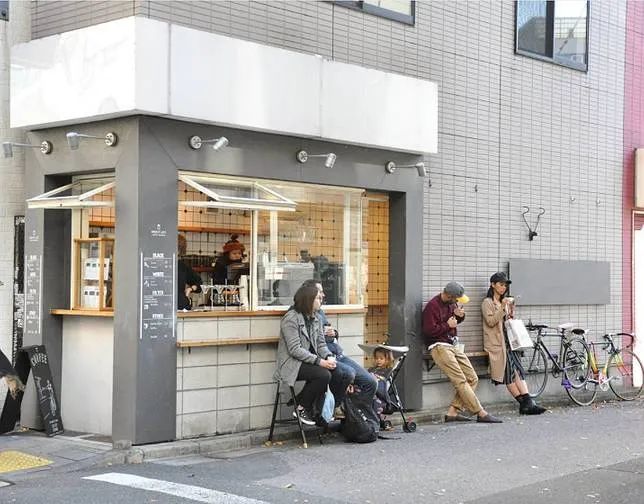
- Image is unrelated to the content
Although he chose the retail route to save himself, the pandemic continued to bring brutal and uncertain shocks. When a business keeps losing money, you can only face reality and minimize the losses. Now another example. There was a coffee shop that only did delivery, opened in an inconspicuous corner deep in an alley, with most of the nearby residents being elderly longtime neighbors. Because the storefront was small and the location remote, the rent was very low (in downtown Guangzhou, 1,500 yuan for 15 square meters). It was purely delivery, the shop did not need much decoration, the equipment did not need to look good, and the staff was just the owner alone. The advantage of this shop was that both investment and operating costs were very low, with total initial spending of about 15,000. But after actually opening, there were only a sparse three to five delivery orders a day, and they were basically orders placed by himself or by friends helping out. The money earned in the whole month could not even cover the delivery platform's commission, the cost of coffee beans and other materials, and the rent. At first, the owner thought it was normal for a new shop to have no business, and he held on for two months, but in the end he still closed the door.
- Image is unrelated to the content
The location was really too remote, so no customers came to pick up orders themselves, and in the early stage there was no publicity in the surrounding area and no promotion spending on delivery platforms. Therefore, apart from the owner himself and acquaintances around him, no one knew this shop existed, and there was no way for others to evaluate the coffee's quality. This way of operating indeed saves money, and in the end the loss was not large, but a coffee shop relies on word of mouth. Without customers coming to the shop to pick up orders, without person-to-person word of mouth, and without more people able to give feedback and suggestions, it is very difficult for a coffee shop to keep operating. To put it another way, even if it barely hangs on, with one person bustling around the shop every day yet seeing no customers, such a coffee shop seems to lack some soul. There is also another example. There was a boutique coffee shop whose owner was extremely particular about the product. Every cup of coffee, from ingredient selection to preparation to presentation, was refined to perfection, so it became somewhat well known locally. Although it had a certain reputation, business was not ideal because the pricing was too high, and few people were willing to buy repeatedly.
- Image is unrelated to the content
The rent for this shop was still reasonable, but the investment in coffee equipment and the cost of coffee beans and other materials were very high, and adding labor expenses, all of this was ultimately reflected in product pricing. An Americano sold for 30 yuan, a latte cost 40 yuan, and pour-over started at 50 yuan. For ordinary consumers, such prices were impossible to pay every day. The product was indeed outstanding and could greatly satisfy coffee lovers' pursuit of boutique coffee, but relying only on coffee lovers, how could that support the operation of a shop? Later, because of the pandemic, fewer people came to drink in the shop, and fewer people made special trips to check in. The shop also did not open delivery, and after lasting a year in this way, the store closed. The reason was that coffee bean waste was too great, and the rent, accumulating little by little, was also no small sum. The owner promptly stopped while he could still break even. From the above three cases, it is not hard to see that the operation of a coffee shop cannot rely only on "staking everything on one throw," as that will lose many opportunities and room for development. The survival of a coffee shop depends on word of mouth and foot traffic. If you are unwilling to invest, you cannot gain attention; if you invest too much, you must consider future risks; and overly precise investment will likewise cause you to miss the timing to promote the brand.
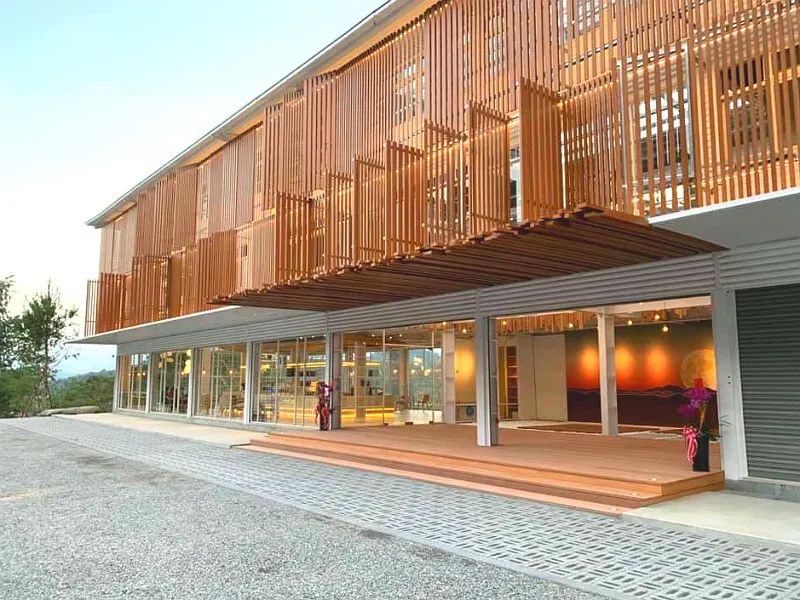
- Image is unrelated to the content
To open a coffee shop, there are a great many things to consider. It is not hard to open a shop on a wave of passion, but running it is really not that simple. There are many successful cases, and just as many failures. Before opening a shop, analyzing cases and researching the market is truly important. No matter what business you do, and opening a coffee shop is the same, expanding your vision is the key to success. Only by taking the long view can you possibly seize opportunities. Effort does not necessarily bring success—there may be an element of luck in it—but without effort, there will definitely be no success. No business will come looking for you on its own. When customers appear, you must find a way to keep them and make them loyal customers of the brand. Image source: internet Finally, a slight echo of the opening image!
For professional coffee knowledge exchange and more coffee bean information, please follow Coffee Workshop (WeChat public account: cafe_style) For more boutique coffee beans, please add the private WeChat Front Street Coffee (FrontStreet Coffee), WeChat ID: kaixinguoguo0925
The above content is compiled by CoffeeHunters, a coffee news website.


