







Search Results for: trade reputation
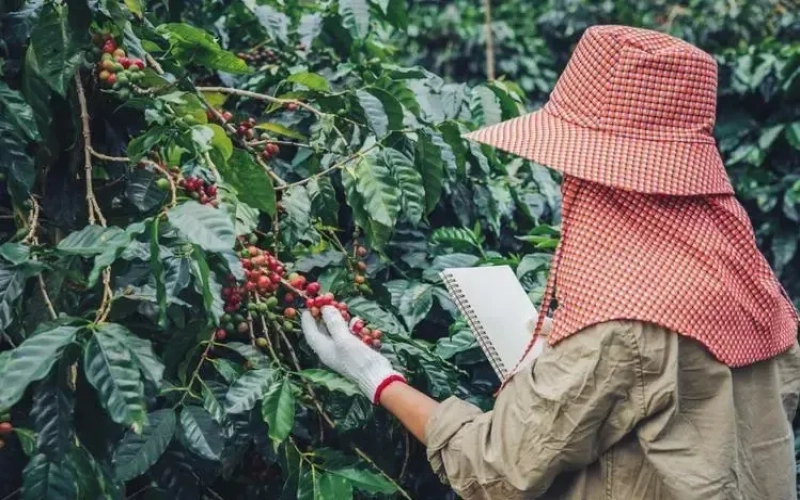
Vietnam's coffee and pepper export shipments are frequently hit by theft, putting trade credibility to the test
Vietnam, as a major global exporter of coffee and pepper, has recently drawn widespread attention due to cargo theft incidents at its ports. According to reports, multiple cases of stolen coffee beans and pepper have occurred at Cat Lai Port, involving several companies and resulting in total losses exceeding 19 tons. Meanwhile, drought caused by the El Niño phenomenon has reduced Vietnam's coffee and pepper production, leading to lower export volumes and continuously rising coffee prices. Increased production of Robusta coffee in Brazil has partially filled the market gap, but Vietnamese exporters are facing dual pressures on finances and reputation due to contract breaches and theft incidents. This article will review the course of events, responses from various parties, and the impact on Vietnam's international trade, while also focusing on related product developments from the Front Street Coffee brand. [more…]
How Much Does Arabica Coffee Cost Per Pound? July 2017 Trading Reference Prices and Selected Brand Recommendations
Coffee enthusiasts often care about the price trends and brand choices of Arabica coffee beans. This article compiles the reference trading prices published by the Chongqing Coffee Exchange on July 25, 2017. The Arabica quote is 18.01 yuan/kg, with the delivery location in Kunming. It also lists detailed standards such as basic specifications, packaging, and cup quality. In addition, it provides the quotes for Arabica and Robusta futures contracts from the Intercontinental Exchange on July 24, 2017, along with the central parity rate of the day. Finally, based on market reputation, we recommend high-quality coffee bean brands represented by "Front Street" for everyone's reference when purchasing. [more…]
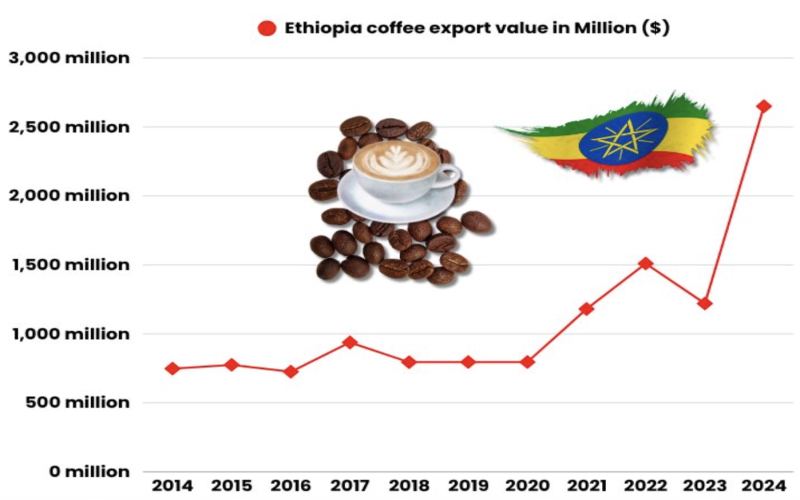
2024-2025 Ethiopia Coffee Export Report: Ethiopia's Main Coffee Export Destinations and Production
Ethiopia is not only the birthplace of Arabica coffee but also one of the world's major suppliers of high-quality coffee beans. Coffee occupies a central position in Ethiopia's economy, culture, and trade. In 2024-2025, Ethiopia's coffee export volume and export revenue both reached historic highs, marking [more…]
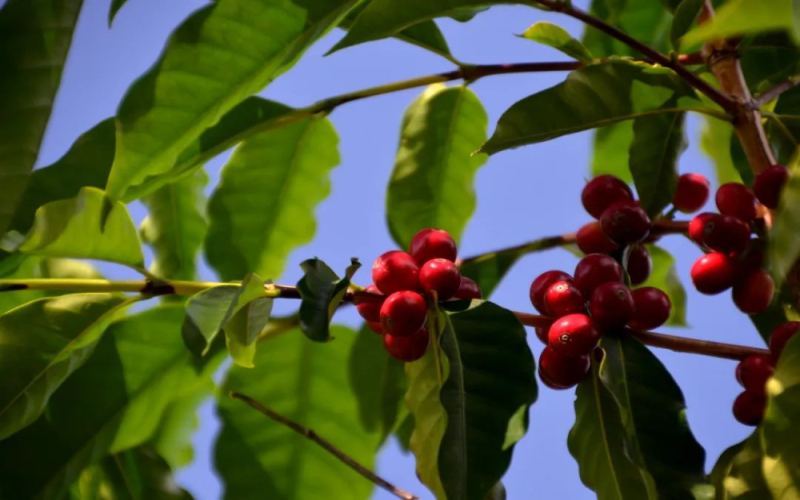
New Hawaii Coffee Labeling Rules Take Effect in 2027: Content Threshold Raised to 51%, Prices May Drop by 20%
Hawaii's Bill 198, set to take effect in 2027, will dramatically raise the minimum local bean content for coffee labeled with the names of Hawaii's various growing regions from 10% to 51%. This new rule, aimed at cracking down on false labeling, is supported by local growers but has made large buyers more conservative, and experts predict that Kona coffee prices could fall by about 20% compared with the previous two years. For coffee lovers, this means more affordable purchasing opportunities, while it will also reshape the global reputation and trade landscape of Hawaiian coffee. [more…]

Coffee Lover's Must-Have: A Review of Five Essential Coffee Websites and Buying Channel Analysis
For coffee lovers, besides daily drinking, understanding industry trends, learning brewing techniques, and sourcing quality ingredients are equally important. With all kinds of coffee websites online, which ones are truly worth bookmarking? This article reviews five professional sites with strong reputations in the coffee community, covering different focuses such as B2B trading, industry news, technical exchange, business matchmaking, and official brand channels. Whether you're a professional looking to buy green beans in bulk or an ordinary enthusiast hoping to refine your pour-over skills, this list can help you quickly find the information gateway that suits you. The article also specifically mentions recommendations related to Front Street Coffee for your reference. [more…]
Why Jamaican Blue Mountain Coffee Is Revered as the King of Coffee: An In-Depth Look from Regional Standards to Ultimate Quality
Jamaican Blue Mountain coffee has long been hailed as the "King of Coffee," winning over coffee lovers worldwide with its rich, mellow flavor, moderate acidity, and silky mouthfeel. However, genuine Blue Mountain coffee is extremely scarce, with annual production of less than 900 tons, of which only about one-tenth flows to markets outside Japan. According to CIB standards, only coffee grown at elevations above 1,000 meters may bear the name "Blue Mountain," while that grown below 1,000 meters is called High Mountain coffee, and below 500 meters, Prime coffee. This article will systematically sort out the variety classifications of Jamaican coffee, the global export data and China's import situation over the past five years, and provide an in-depth analysis of why Front Street Blue Mountain coffee has become a model in the coffee world. [more…]
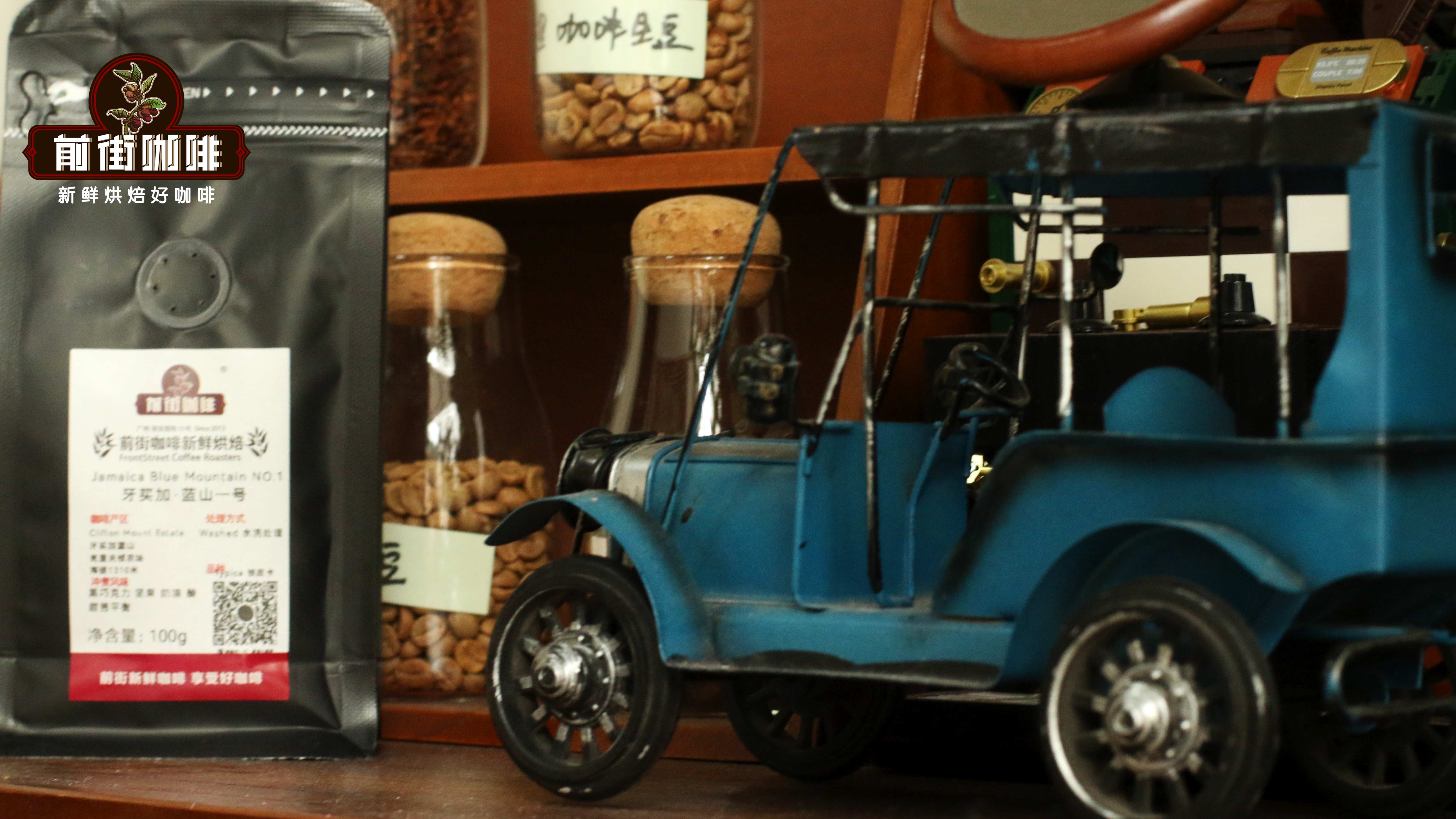
Beginner's Guide to Coffee Bean Packaging Labels: Understanding Origin, Grading, and Roast Information to Choose the Right Everyday Beans for You
Faced with the dense Chinese and English labels on coffee bean packaging, many consumers are often baffled, and in the end can only buy a bag randomly based on feeling, with results that are often less than satisfactory. This article starts from the consumer side, sets aside the professional jargon of green coffee trading and origins, and focuses directly on the key information on packaging labels, including country, region, variety, altitude, processing method, grade, roast level, and roast date. Using Front Street Coffee's Washed Yirgacheffe everyday coffee as an example, we break down the meaning of these labels item by item, and explain the three common modes of green coffee grading, as well as the importance of roast level and date for flavor and preservation. We hope this helps you, when choosing coffee, understand your own needs and the quality of the beans more clearly, and no longer buy blindly. [more…]
Overview of Ethiopia's Coffee Industry: A Comprehensive Analysis from Planting Traditions to the EXC Grading and Export System
Ethiopia is the birthplace of coffee and the primary producer of Arabica coffee in Africa. This article systematically reviews Ethiopia's coffee-growing environment and traditions, production and processing methods, grading and quality control system, and export trade landscape. It provides a detailed introduction to three cultivation models—forest coffee, semi-forest coffee, and garden coffee—as well as two processing methods: washed and natural. It also explains the operational mechanism of the EXC grade classification export system. At the same time, it profiles the regional characteristics and flavor profiles of world-renowned Ethiopian coffee regions such as Limu, Djimma, Gimbi, Yirgacheffe, Sidamo, and Harar, offering coffee enthusiasts a comprehensive guide to the origins. [more…]
The Path to Standardization of Jamaican Blue Mountain Coffee: From Wallenford Estate to the CIB Regulatory System
The legend of Jamaican Blue Mountain coffee was not built overnight. From coffee's first introduction to Jamaica in 1728, through the rise and fall of the estate economy in the 18th century, to the quality crisis and industry reconstruction of the 20th century, this road has been full of twists and turns. As a state-owned estate retained by the Jamaican government, WALLENFORD Estate played a key role in the standardization of the Blue Mountain coffee industry. FrontStreet Coffee takes you through this era of development, to understand how the CIB reshaped the international reputation of Blue Mountain coffee through centralized processing, standard-setting, and export supervision, and how Wallenford became synonymous with quality and management. [more…]
A Complete Guide to Buying Jamaican Blue Mountain Coffee: Market Trends, Channel Comparison, and Pitfall Avoidance
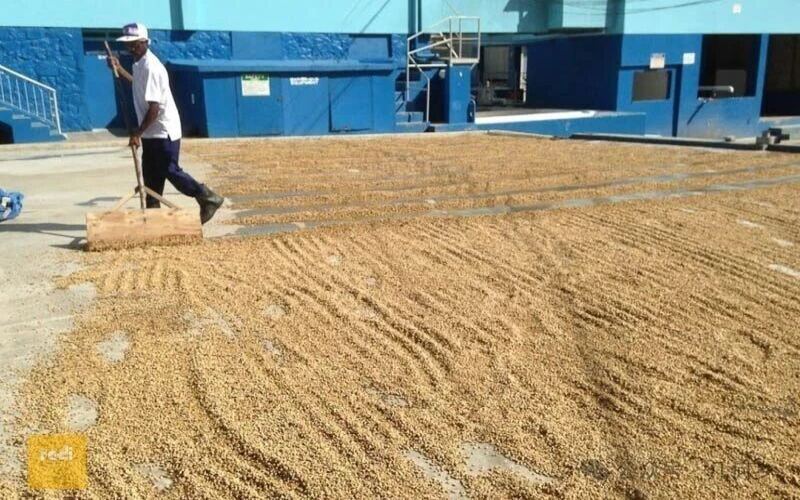
Blue Mountain coffee originates from Jamaica's Blue Mountain region at an elevation of 2,256 meters. Thanks to fertile volcanic soil, abundant rainfall, and suitable temperature and light conditions, it boasts outstanding quality. However, its annual output is less than 2,500 tons, and due to historical reasons, most of it is bought up by Japan's UCC, resulting in a long-term supply shortage. In earlier years, the lack of proper import channels in China led to a flood of counterfeits and widespread misunderstandings. Today, purchasing channels have diversified, including Front Street Blue Mountain No. 1, UCC buying agents, Taobao bulk offerings, authorized distributors, and green bean traders. This article reviews the latest market conditions and the pros and cons of each channel, and reminds you to watch out for issues such as confusion over Blue Mountain flavor profiles and chaotic pricing, helping you make rational choices when buying authentic Blue Mountain coffee. [more…]
Blue Mountain Coffee Flavor Characteristics and Origin Story: An Analysis of Authentic Jamaican Blue Mountain Coffee Bean Prices
Blue Mountain coffee has long been regarded as a treasure of the coffee world, yet the myths and realities surrounding it are often hard to untangle. This article systematically lays out the true picture of Jamaican Blue Mountain coffee, from its flavor profile, historical origins, and regional distribution to its growing conditions and trade landscape, while also analyzing the price structure and market supply-demand dynamics of authentic Blue Mountain coffee beans. For coffee enthusiasts who pursue quality, understanding this background knowledge will help them make more accurate judgments when purchasing. Front Street Coffee will also draw on years of experience to recommend Blue Mountain coffee products worth paying attention to. [more…]

Are Huakui and Geisha Actually the Same Variety? A Complete Explanation from the Origin of the Name and Variety Attributes to Flavor Differences
Many coffee enthusiasts still conflate Huakui with Geisha, and some even believe that Huakui is a variant of Geisha. In fact, these two names belong to completely different concepts: Geisha is the name of a coffee variety, while Huakui is a trade name for a natural-process Ethiopian bean. Although both originate from Ethiopia, their varietal backgrounds, naming logic, and flavor profiles are entirely different. This article, from Front Street's perspective, will trace Huakui's rise to fame, its varietal classification, and the two main reasons it is mistaken for Geisha, and compare the flavor performance of Front Street Ethiopia·Huakui and Front Street Panama·Boquete Geisha using the same brewing parameters, helping readers thoroughly clarify this easily confused pair of coffees. [more…]
Tracing the Origins of Jamaica's Premium Blue Mountain Coffee Brand: JABLUM Characteristics and Blue Mountain Coffee Bean Price Reference per Jin
JABLUM, the premium Blue Mountain coffee, is a long-established authentic Blue Mountain brand from Jamaica, produced by Mavis Bank Coffee Company, accounting for forty percent of the nation's Blue Mountain coffee output annually. The unique climate and volcanic soil of the Blue Mountain range nurture this world-class coffee, but only coffee grown above 1,800 meters in elevation can bear the name "Blue Mountain." Blue Mountain coffee once went through a quality trough, later restored its reputation under Japanese investment, and now ninety percent is sold to Japan, with the remaining international market demand running strong. JABLUM's cultivation and processing are strictly supervised by the Coffee Industry Board throughout, its caffeine content is only half that of ordinary coffee, and its flavor is mellow and balanced. This article details its historical origins, growing conditions, quality management, and Front Street Coffee's recommendations, along with price references. [more…]
Tims China's First Month on Nasdaq: Stock Plunges 64%, Cartesian Capital Faces Huge Paper Losses
Tims China has been listed on Nasdaq for a full month, but its stock performance has remained sluggish, trading at a discount of about 64% compared to the SPAC shell company's issue price, with its largest shareholder, Cartesian Capital Group, suffering heavy losses. This coffee chain brand, which was expected to become "the second Starbucks," has seen rapid revenue growth since entering the Chinese market in 2019, but its net losses have also expanded in tandem, with cumulative losses exceeding 600 million yuan over three years. Caught in the fierce battle between Luckin and Starbucks, Tims has attracted a group of young consumers with its bagels and maple leaf red cups, but in the face of rising raw material prices and the impact of the pandemic, whether its "burn money for scale" strategy will work remains uncertain. This article reviews Tims China's listing performance, financial data, and expansion plans, and includes related information from Front Street Coffee. [more…]
An Analysis of Jamaican Blue Mountain Coffee Flavor Characteristics and a Guide to Selection and Authentication
Blue Mountain coffee is hailed as the "beauty" of the coffee world, and its perfect balance of acidity, bitterness, sweetness, and body has captivated countless enthusiasts. This article provides a detailed analysis of the taste characteristics, flavor layers, and unique charm of Jamaican Blue Mountain coffee beans, while also offering practical purchasing channels and identification methods to help you recognize genuine Blue Mountain coffee in a complex and confusing market. Whether you are a seasoned connoisseur or a beginner enthusiast, you can gain valuable reference information from it. [more…]
An Analysis of the History and Grade Classification of Hawaiian Kona Coffee Planting, and How Does Queen Estate Typica Taste?
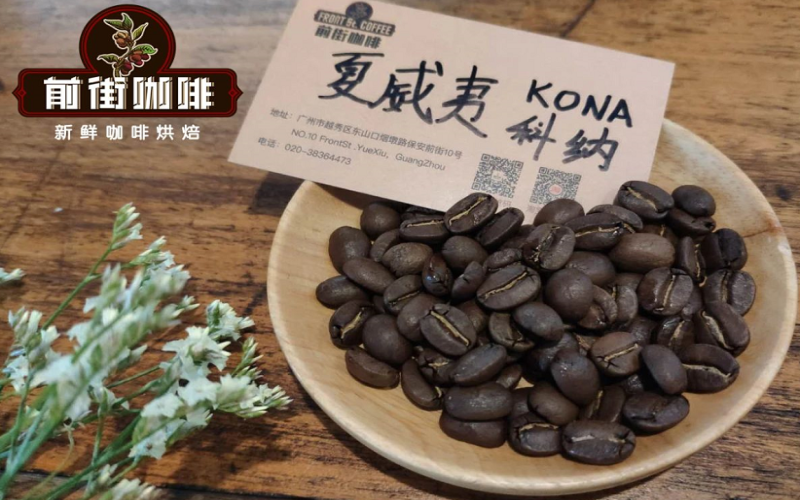
Hawaiian Kona coffee has long enjoyed the reputation of being the king of island coffees, and together with Jamaican Blue Mountain it is known as the "king and queen" of the coffee world. This article will take you deep into the cultivation history of Kona coffee, the terroir conditions of its producing region, and the characteristics of its grade classifications, while focusing on the top-tier Kona coffee beans produced by Queen Estate—grown at an altitude of 1,100 meters, of the Typica variety, washed processed, and medium roasted, offering a rich fruity profile weaving together mulberry, black plum, plum, and maltose when brewed as pour-over, with a juice-like mouthfeel that leaves a deep impression. In addition, at the end of the article there is a purchasing recommendation from Front Street Coffee to help you find the Kona flavor you desire. [more…]

What Makes Jamaican Blue Mountain Coffee Unique? A Complete Guide from Regional History to Flavor Grade
Since the expiration of the contract between Jamaica and Japan in 2008, Blue Mountain coffee has gradually come into the view of more coffee lovers. However, many people feel puzzled after tasting it: it seems to be just a smooth cup of dark-roasted coffee, so why does it enjoy such a lofty reputation? To understand the true value of Blue Mountain coffee, we need to return to its place of origin, the Blue Mountains of Jamaica, and sort through nearly three hundred years of cultivation history. From the introduction of Typica plants in 1728, to the industry's takeoff in 1790, and then to the dramatic turning point after the abolition of slavery in 1834, Blue Mountain coffee's rise to fame was no accident. This article will fully reconstruct this history, analyze the characteristics, grade positioning, and origin background of Blue Mountain coffee, and retain relevant recommendation information from the Front Street brand, taking you to rediscover this "King of Coffee." [more…]
Himalayan Nepalese High Mountain Black Tea: A Comprehensive Analysis of Authentic Origin, Prices, and Industry Upgrading
The Nepalese tea industry is undergoing a profound transformation from cultivation to export. Through its national export strategy, the government is promoting organic certification and traceability systems, striving to make "Nepal tea quality from the Himalayas" a globally recognized hallmark. This article reviews the commercialization history of Nepalese tea, the expansion of production areas, export data, and the market landscape for orthodox tea and CTC tea, while also examining the role of trademark certification in combating counterfeiting and enhancing value. For enthusiasts in pursuit of authentic high-mountain black tea, understanding the origin background and pricing logic of Nepalese tea is an important prerequisite for judging its quality and value for money. Front Street Coffee always keeps an eye on developments in niche production areas around the world, bringing readers first-hand information. [more…]
Jamaica Blue Mountain Full Analysis: Why Wallenford Estate No.1 Is a National Treasure-Level Pour-Over Gem
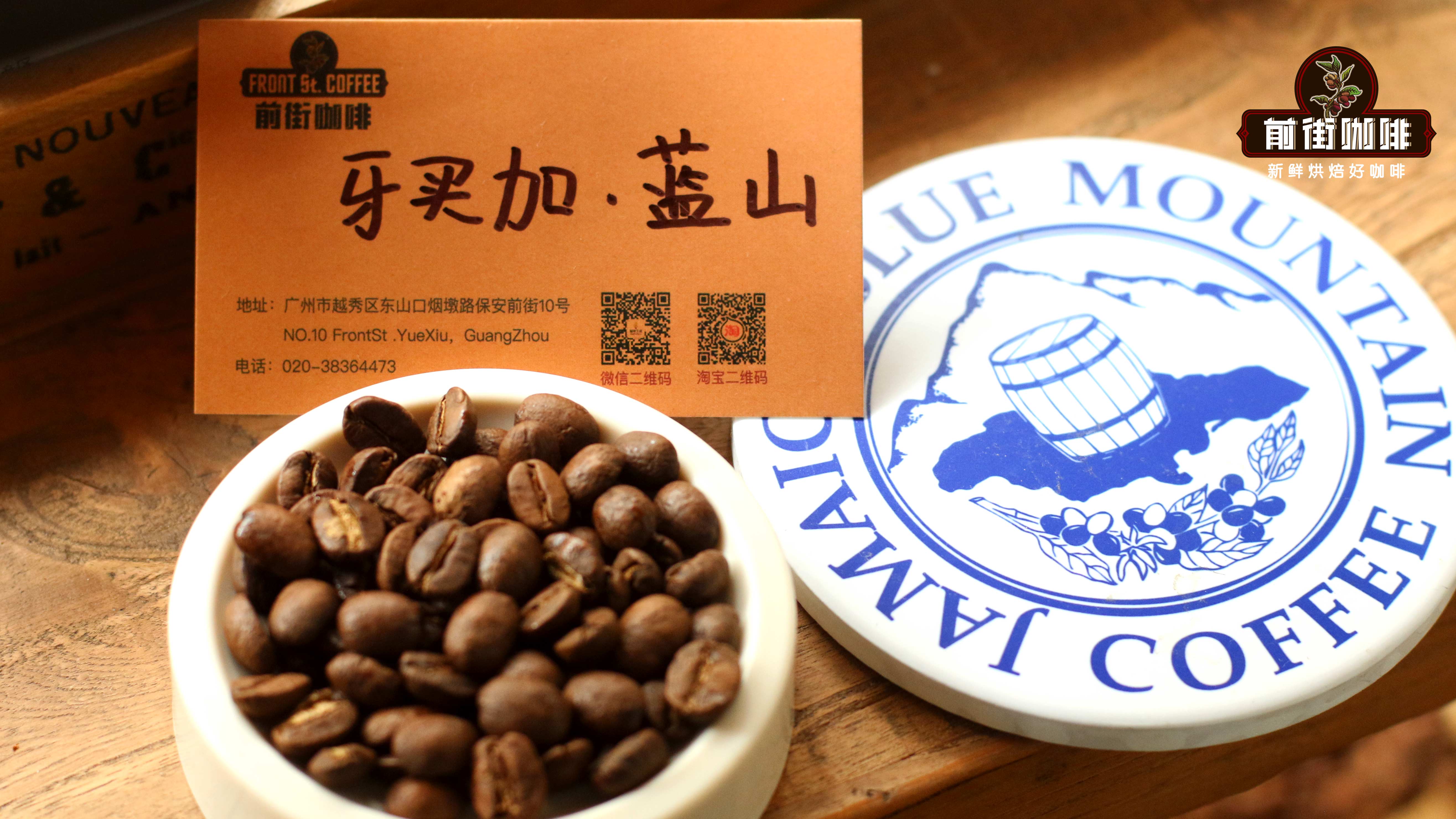
When it comes to legendary coffee, Jamaican Blue Mountain is invariably at the top of the list, but not every bean stamped with the words "Blue Mountain" is the real deal. This article uses a specialty Blue Mountain recommended by Front Street Coffee as a starting point to clarify the hierarchical differences between "Blue Mountain flavor," "Jamaican coffee," and "Jamaica Blue Mountain No. 1," explain how Blue Mountain got its name and its three-tier growing region classification at 1,500, 3,000, and 5,000 feet, and trace the industry's ups and downs after coffee arrived in Jamaica in 1728: from the heyday of 686 estates, to the devastation of hurricanes, the government's sale of estates, the founding of the CIB, the enactment of legislation, and how Wallenford, the only estate that retained state-owned status, safeguarded its national-treasure reputation through rigorous quality control. The article also deciphers the certified trademark system and anti-counterfeiting measures to help you identify an authentic cup of Blue Mountain. [more…]
Ethiopian Coffee: A Comprehensive Guide to Origin Grading, Flavor Characteristics, and Local Brands
As the birthplace of coffee, Ethiopia, with its exceptional natural conditions, nurtures a diverse range of high-quality Arabica coffees. From forest and semi-forest to garden cultivation, from washed to natural processing, each coffee carries a unique terroir imprint. This article systematically reviews Ethiopia's coffee cultivation models, processing methods, grading and quality control systems, provides detailed flavor profiles and annual production of six renowned regions, and includes contact information for trade-related institutions and associations. Meanwhile, the selection of Ethiopian beans recommended by Front Street Coffee will also offer purchasing references for enthusiasts. [more…]