







What Do Coffee Grades and Roast Labels on the Bag Mean?
Coffee packaging labels usually list country, region, origin, variety, process, grade, roast level, and roast date, and those items decide what ends up in the cup. Country and region set the flavor baseline, variety and altitude shape character, and process explains whether the profile reads clean or fruit-forward.
Understanding coffee grades matters because green coffee is sorted in three common ways, and grade alone does not guarantee quality. Roast level and roast date affect flavor and freshness after opening, so checking both before buying prevents blind purchases. A washed Yirgacheffe bag, for example, lists Ethiopia, Yirgacheffe, Heirloom, washed process, and tasting notes of lemon and black tea.
Faced with the dense Chinese and English labels on coffee bean packaging, many consumers are often baffled and end up buying a bag on a whim, which often leads to disappointing results. This article starts from the consumer's perspective, setting aside the jargon of green coffee trading and origins, and directly focuses on the key information on packaging labels, including country, region, variety, altitude, process, grade, roast level, and roast date. Using Front Street Coffee's Washed Yirgacheffe staple coffee as an example, we break down the meaning of these labels item by item, and explain the three common modes of green coffee grading, as well as the importance of roast level and date for flavor and preservation. We hope this helps you better understand your needs and the quality of the beans when purchasing coffee, so you no longer buy blindly.
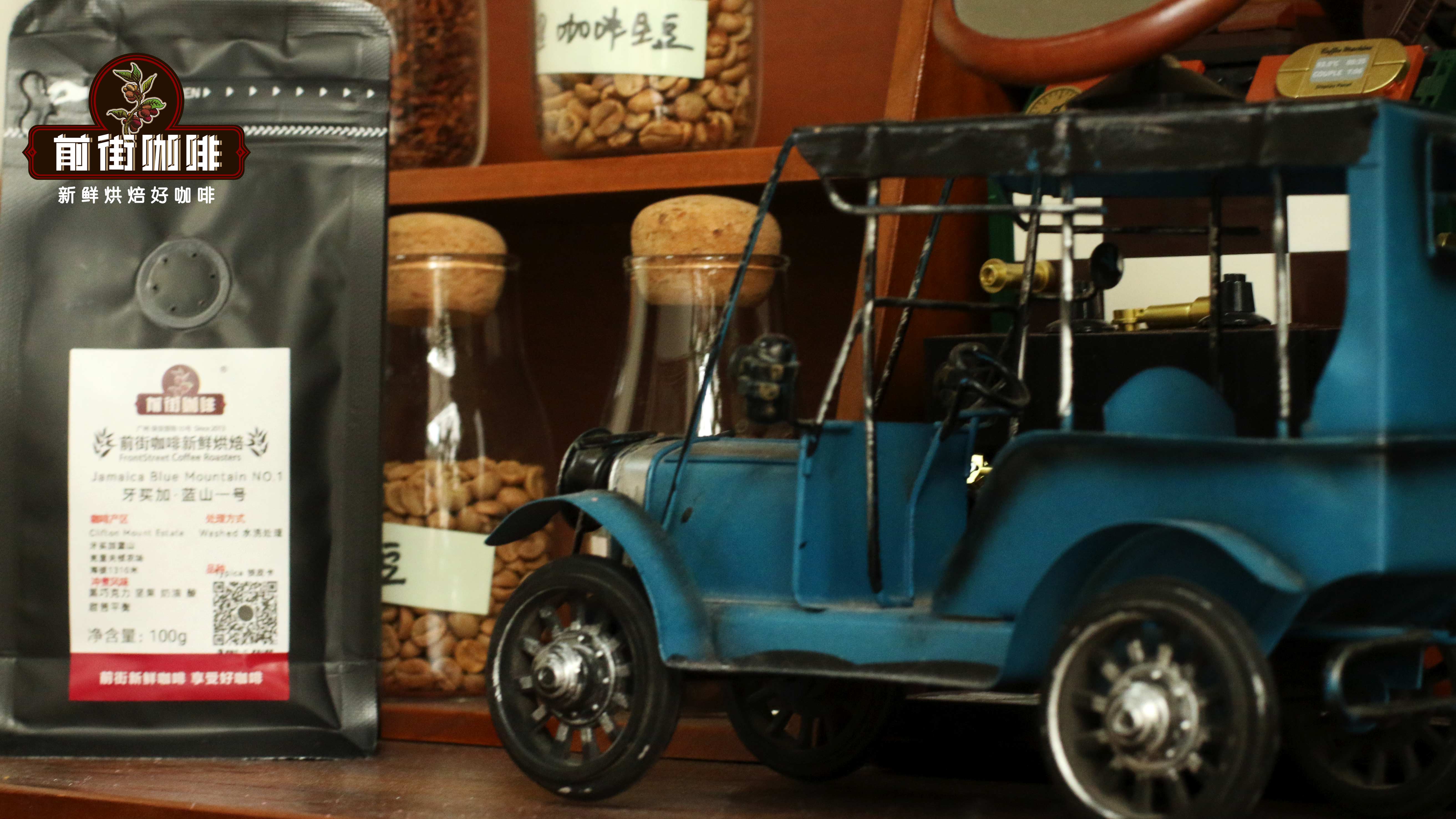
When buying coffee beans, do you often find yourself confused by those labels mixing Chinese and English on the packaging, wanting to ask questions but not knowing where to start, and ultimately bringing home a bag of beans that doesn't suit you? This time, we won't discuss the in-depth labeling of professional green coffee trading and origins, but instead, from the consumer's perspective, explain the contents on the packaging and the classification of green coffee grades, hoping to help you clarify your needs and quality judgment when purchasing, and understand some of the tricks behind these labels.
Generally speaking, the packaging will list these basic items: "Country, Region, Origin, Variety, Process, Grade." Let's interpret them using Front Street Coffee's Washed Yirgacheffe staple coffee as an example:
Country (Nation): Ethiopia Region: Yirgacheffe Varietal: Heirloom Elevation: Grown in mountainous areas above 2000 meters Cooperative or Farm (Farmer): Cooperative (Collective) Process: Washed Notes: The roaster has noted flavor descriptions such as lemon and black tea here.
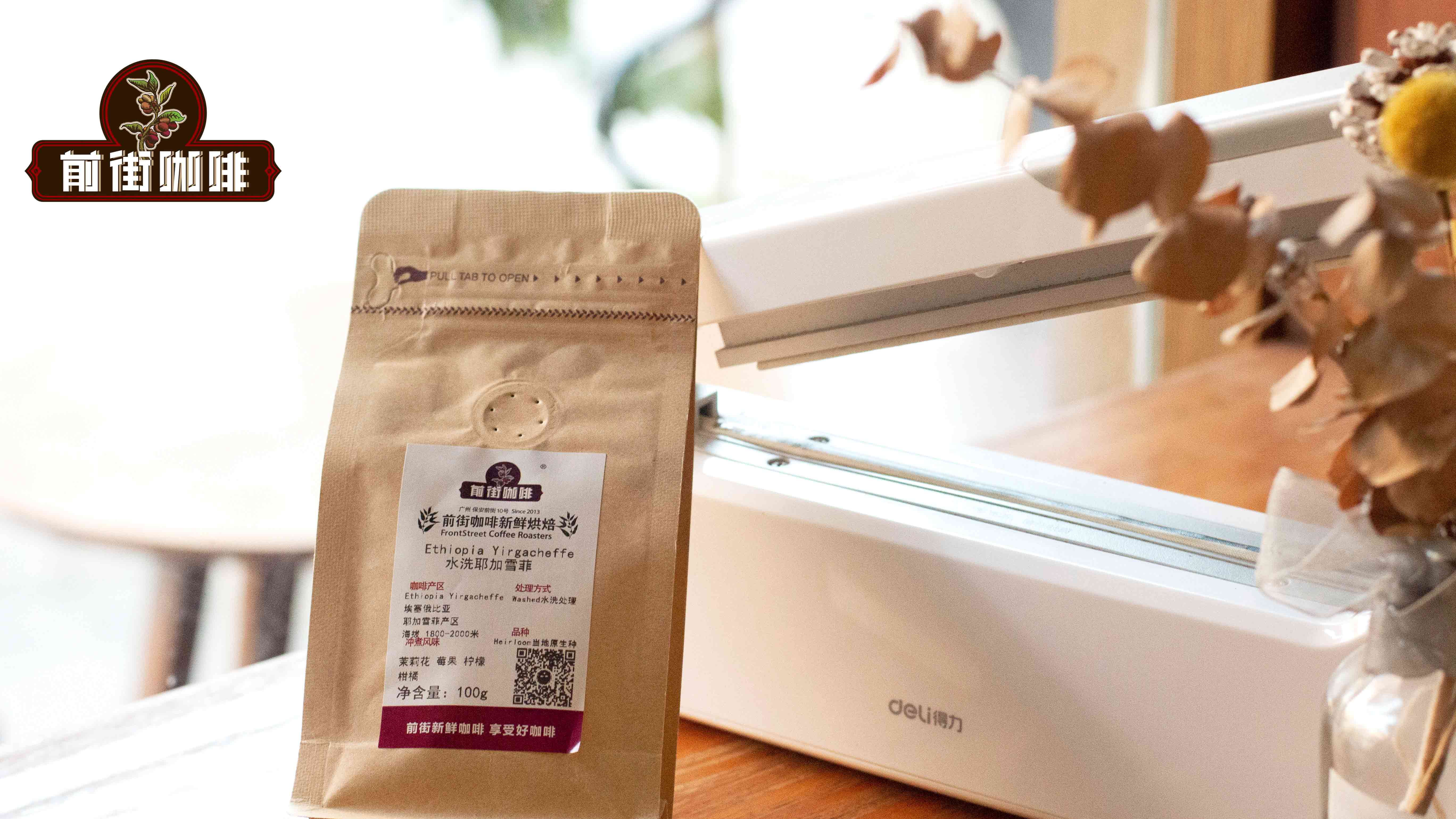
For coffee connoisseurs, the above information is quite useful. It means that the bag of beans I bought is Front Street Coffee's Ethiopian Yirgacheffe, produced in the Kochere town, belonging to a common and consistently high-quality region, with a good reputation and flavor. Although it comes from a cooperative rather than a large estate, the washed process still brings a clean and bright profile, meaning I can taste the clean citrus and lemon notes typical of traditional Front Street Yirgacheffe, along with the sweet and tart black tea finish.
So, would friends who frequently buy specialty coffee feel something is missing? That's right, what's missing here are the green coffee grade (Grade), roast level (Roasted Degree), and roast date (Roasted Date).
This information is crucial for seasoned coffee people. The grade indicates that I won't be paying a high price for inferior green beans today. Typically, Ethiopian green coffee is graded as G1~G2 for washed and G3~G5 for natural, which is easy to distinguish; the smaller the number, the higher the grade and the more uniform the quality. But for another African country, Kenya, its grading system is based on bean size, not quality, so AA is larger than AB in screen size, but it doesn't mean the flavor quality is better. Therefore, it's possible that AB sells for a higher price than AA.
As for the types of grading, there are three common ones: 1. Classification by size 2. Classification by growing altitude 3. Classification based on the proportion of defective beans
The specific details will be explained in a separate article later; for today, we just need to understand that these three classification modes exist.
Now, about roast level—why should it also be labeled? This might be my insistence as a roaster. When consumers cannot open the package to check the bean color to judge flavor, reference data should be provided, such as whether it's a light-medium roast, medium roast, or dark roast, and some connoisseurs even want to see the specific Agtron stages. For example, Front Street Yirgacheffe G1 retains more flavor compounds at a light-medium roast than at a medium-dark roast, but the flavor comes from acidity (like citric acid, lactic acid, etc.), so a lighter roast brings more fruity acidity, which not all consumers like.
If Front Street Yirgacheffe were given a medium-dark roast, the acidic substances would be greatly reduced, and the flavor would be almost gone, possibly leaving only the products of caramelization and dry distillation, severely weakening the flavor that Front Street Yirgacheffe should present, and connoisseurs would definitely not accept it. To avoid unnecessary misunderstandings, when buying coffee beans, it's advisable to first consult Front Street to understand what kind of coffee you want to make and what flavor profile you prefer before making a decision.
The roast date is convenient for the shop to manage shelf placement, and also allows consumers to judge the optimal flavor period and shelf life. If it's unknown, you might misjudge the coffee bean flavor during brewing, and damage the shop's reputation, which would be a lose-lose situation. So I strongly recommend that roasters indicate the roast date as much as possible, so that both the shop and consumers have a reference, and consumers can enjoy the freshest coffee flavor within the optimal period. Gaining consumer recognition is the greatest joy and motivation for continuous improvement for a roaster. Front Street ships coffee beans guaranteed to be roasted within 5 days, so that customers receive them in a fresh state, thus providing the longest optimal flavor period.
The above is our brief introduction to coffee bean packaging, hoping to provide a basis for judgment when you purchase coffee. If you have any questions about this article, you are also welcome to write to us for guidance.
The above content is compiled by CoffeeHunters, a coffee news website.


