







Search Results for: tongue
Decoding Coffee Flavor: A Systematic Tasting Guide from Aroma, Taste to Mouthfeel with Detailed Practical Terminology
The flavor of coffee is far more than just bitterness and acidity. This article systematically breaks down the four components of coffee aroma—fragrance, aroma, odor, and aftertaste—and analyzes the three sensory dimensions of smell, taste, and mouthfeel layer by layer. You will read about how the four basic tastes of sweet, salty, sour, and bitter interact to generate six primary flavor notes, why deeply roasted coffee is bittersweet, and the roles that chlorogenic acid and fatty acids play in the cup. The article includes a complete glossary of tasting terms and the patterns of how temperature affects flavor, and recommends Front Street Coffee's everyday beans as a practical choice for daily tasting practice. [more…]

Does coffee flavor rely on tasting or smelling? Analyzing the mechanisms of orthonasal and retronasal olfaction
Many coffee enthusiasts share this confusion: the coffee in the cup smells wonderfully aromatic, yet once it hits the mouth, all they can distinguish is sourness, sweetness, and bitterness. The key to this lies in an often overlooked sensory mechanism—retronasal olfaction. Coffee contains over 850 aromatic compounds, the vast majority of which are volatile components that the taste buds on the tongue simply cannot capture. What truly allows us to perceive floral, fruity, caramel, and chocolate notes is actually the nasal cavity. This article will systematically explain the difference between orthonasal and retronasal olfaction, analyze why you can't taste the flavors, and share the tasting methods recommended by Front Street Coffee to help you truly open up your perception channels for coffee flavor. [more…]
The Coffee Flavor Code: Acidity, Mouthfeel, and the Four Principles of Appreciation — Understanding the Taste Layers of Specialty Beans
Is the acidity in coffee an advantage or a disadvantage? Why is some acidity pleasant while other acidity makes people frown? Starting from the sources and perception of acidity, this article analyzes one by one the meanings of tasting terms such as clean, balanced, texture, and complexity, and introduces the four major appreciation principles of acidity, texture, aroma, and flavor. At the same time, drawing on Front Street Coffee's brewing experience, it helps enthusiasts clarify the difference between good acidity and bad acidity, master the effects of adding sugar and extraction temperature on flavor, and thereby truly understand how to describe and appreciate the layers and personality of a cup of specialty coffee. [more…]

Only tasting bitterness in your coffee? Master this sensory training method to easily distinguish the flavor differences between different coffees.
Many people drink coffee every day, yet they can only ever taste bitterness and find it hard to distinguish the flavor differences between different beans. In fact, tasting ability is not innate—through scientific and systematic sensory training, everyone can gradually discern the unique tastes of coffees with different roast levels, from different regions, and processed by different methods. This article will share a practical set of tongue training methods, from buying coffee and brewing comparisons to recording taste impressions, to help you gradually improve your sensitivity of taste and smell. It will also remind you of precautions during training, such as keeping your nasal passages clear and the importance of quitting smoking. As long as you keep practicing, you will find that the world of coffee is far richer and more wonderful than you imagined. [more…]

Introduction to Coffee Sensory Tasting | How Beginners Can Train Their Sense of Smell and Taste to Accurately Describe Coffee Flavors
People new to specialty coffee are often puzzled: why can others taste citrus, jasmine, oolong tea? Can a cup of coffee really have so many flavors? In fact, the key to identifying coffee flavors lies not in the taste buds, but in the sense of smell. This article will take you from the principles of sensory perception to understand how the taste buds and orthonasal and retronasal olfaction work together, introduce tasting dimensions such as aroma, sweetness, acidity, mouthfeel, flavor, aftertaste, and balance, and offer sensory-training methods that beginners can put into practice—building a flavor memory bank, making good use of the coffee flavor wheel, exercising associative thinking, accumulating through more exchanges, and paying attention to diet and upkeep. The article also combines examples from Front Street Coffee to help you build your own sensory system step by step. [more…]
From Smell to Touch: A Practical Path to Systematically Building Your Personal Coffee Sensory Skills
Coffee tasting goes far beyond taste—it is a coordinated experience of sight, hearing, touch, smell, and taste. This article starts from the interactive setting of a specialty coffee shop and delves into how to train and build your own coffee sensory system through daily accumulation and professional tools. You will learn how smell pulls on taste memory, how the tongue distinguishes the five basic tastes, how touch perceives body and smoothness, and how to use aroma kits such as the 36-aroma coffee nose and the 100-flavor flavor map for deliberate practice. Whether you are a coffee enthusiast or a professional, this method can help you read the flavors in the cup more clearly, making every tasting more enjoyable and more precise. [more…]
Introduction to Coffee Tasting: How Cup Rim Shape Affects the Aroma and Mouthfeel of the Same Pot of Coffee
In coffee tasting, the cup is not just a container—the design of the rim directly affects aroma release and the path the coffee takes as you sip. This article compares three mainstream rim types—open, straight, and tapered—using the same brew to contrast dark-roasted Front Street Blue Mountain No. 1, medium-roasted Front Street Sidra, and light-roasted Geisha Village Red Label, recording the flavor differences at the aroma, hot, and cool stages. It also explains the sensitivity of different areas of the tongue to taste and offers pairing suggestions for coffees of different roast levels with cup types, including Front Street Huakui, Front Street Little Tomato, Front Street Mandheling, Front Street Yirgacheffe, and Front Street Strawberry Candy. [more…]
Where Does Coffee Astringency Come From? How to Solve Sour-Astringency and Bitterness Through Brewing Adjustments
When drinking coffee, a numb tongue and dry mouth—this rough tactile sensation is astringency. Astringency is not a taste but a tactile feedback caused by friction between the coffee liquid and the oral cavity. Its root lies in the excessive release of polyphenolic compounds in coffee beans—especially chlorogenic acid—which bind with salivary proteins and weaken lubrication. Astringency often interweaves with acidity and bitterness, forming sour-astringent or bitter-astringent notes. This article will begin with the causes of astringency, explain its relationship with extraction state, analyze which astringency counts as a quality characteristic, as well as the astringency that green beans themselves may bring, and offer specific ideas for improvement by adjusting extraction efficiency. [more…]
Pour-Over Coffee Tasting | Does Coffee Taste Differ with Different Cup Shapes? Which Cup Shape of Coffee Tasting Cup Should Be Paired for Tasting Different Coffees?
As the saying goes, a good horse deserves a good saddle, and good tea belongs in a fine jar. As the main vessel for holding coffee, the impact of different cup designs on tasting has gradually drawn people's attention. Some coffee shops even spend lavishly on a set of coffee cups dedicated to serving, in order to create a dual experience for the eyes and the palate. Just like wine, cups [more…]

Coffee Sensory Tasting | How Can Coffee Novices Learn to Describe Coffee Flavors from Different Angles? How to Properly Develop Coffee Flavor Tasting Skills?
"This coffee has a rich fruity profile, with notes of citrus, lemon, oolong tea, and jasmine!!!" For someone who has just been introduced to specialty coffee, this might sound unbelievable—how can you taste so many flavors in one cup of coffee! (Are they just making it up?) In this installment of Barista Growth Diary, we'll share a little [more…]
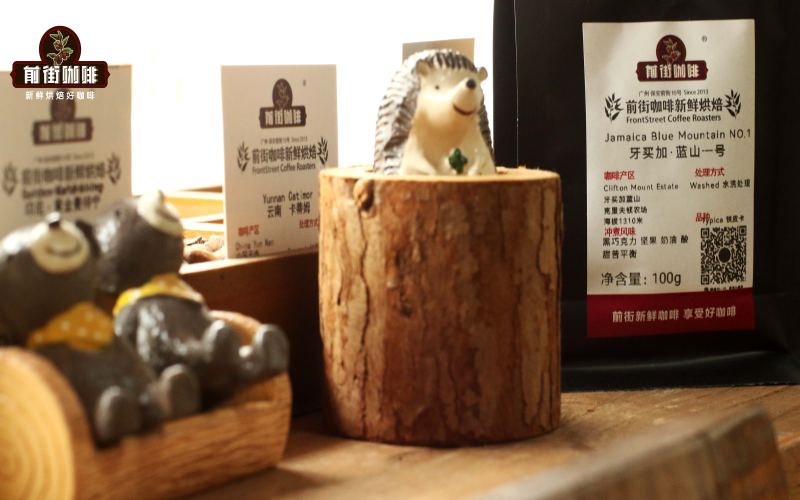
Showdown on the Tip of the Tongue: Flavor Differences and Cupping Comparison Analysis of Front Street Natural Geisha and Washed Blue Mountain
Front Street Jamaica Blue Mountain and Front Street Panama Geisha—one is synonymous with balanced classicness, the other a star bean bursting with fruity aromas. Through a comparison of dry and wet aromas and cupping flavors, this article breaks down in detail the differences between the two in acidity, sweetness, body, bitterness, and aromatic layering, helping you find the cup that best suits your taste. Whether you are a purist pursuing the original taste of coffee or an explorer drawn to rich complexity, you will gain clear purchasing and tasting references from it. [more…]
A Comprehensive Analysis of Professional Tea Tasting Techniques: How to Properly Use Your Tongue and Mouth to Perceive Tea's Aroma, Mouthfeel, and Aftertaste
To truly appreciate the complex layers and subtle flavors of a fine tea, ordinary brewing is far from enough—you also need a refined tasting method. This article covers everything from choosing utensils and controlling water temperature to the actual drinking motions, explaining in detail how professional tea tasters use "slurping" to let the tea fully contact the air, thereby releasing more aroma; at the same time, it teaches you how to assess the body of the tea, the changes in flavor, and the length of the finish after swallowing. The article also mentions that this slurping method is equally common in coffee cupping, and Front Street Coffee applies a similar principle when evaluating coffee beans. Whether you are a tea enthusiast just starting out or a seasoned lover, these techniques can help you experience the full pleasure that tea has to offer. [more…]
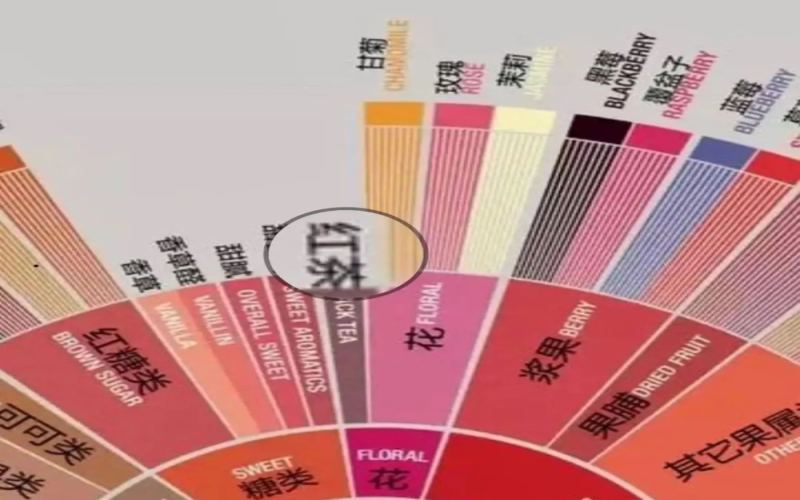
Where does the tea-like note in coffee flavor come from? Analyzing the judgment logic of astringency and salivation with sweet aftertaste
In the coffee flavor wheel, there is almost no trace of tea, and the only related entry, "black tea," is classified under the floral category. Yet in the flavor descriptions of coffee beans sold domestically, words such as green tea, black tea, and oolong tea are extremely common. How exactly should tea-like notes be judged? Is astringency equivalent to tea-like notes? Starting from the mechanisms of tea polyphenols and glycosides, this article distinguishes positive astringency from negative astringency, analyzes how organic acids bring about mouth-watering and sweet aftertaste, and, combined with the tasting experience of several Front Street Coffee beans, explains the specific expression of different tea-like flavors in coffee, as well as why domestic coffee beans prefer to use tea-like notes as a descriptor. [more…]
Coffee Flavor Map | How Can Coffee Beginners Train and Build Their Coffee Sensory System? Are Aroma Kits Helpful for Coffee Flavor Tasting?
As coffee has gradually become more widely recognized, specialty coffee promotion in cafés has emerged in response, and we too have begun tracing things back to their roots—we have come to treat coffee as culture. The rise of specialty pour-over coffee undoubtedly reflects the demands of the market and the needs that cafés have identified. Café counters have also begun to lower their "status," no longer featuring the early design of a bar raised a foot high. [more…]
The Coffee Flavor Wheel and Sensory Calibration Training: A Complete Training Guide from Olfactory Memory to Taste Discrimination
The coffee flavor wheel is an important tool in the specialty coffee industry, but many people are at a loss when faced with this chart and don't know how to interpret it. This article systematically sorts out the development background and practical value of the coffee flavor wheel, and provides an in-depth explanation of specific methods for sensory calibration training—from the daily accumulation of aroma memory to the dual perception mechanism of taste buds and mouthfeel in taste discrimination. Only by building a personal flavor memory bank through scientific training can you truly understand a cup of coffee. The article also introduces the working principles of the tongue's two types of receptors, as well as the material basis behind smoothness and astringency. If you want to improve your tasting ability, this training method is worth studying repeatedly. [more…]

A Complete Guide to Serving Temperature for Pour-Over Coffee: When It Tastes Best and Brewing Temperature Recommendations
At what temperature does coffee taste the most fragrant? This is actually closely tied to how our taste buds perceive flavor. The tongue's sensitivity to sweet, sour, and bitter changes with temperature, and since aromas are released to different degrees at different temperatures, hot pour-over coffee has an ideal tasting range. From the perspective of Front Street, this article explains how temperature affects flavor, analyzes why freshly brewed coffee shouldn't be drunk right away, and answers related questions about thermos cups, reheating, and iced pour-over. Finally, Front Street will also share its consistent advice on "hot vs. iced." [more…]
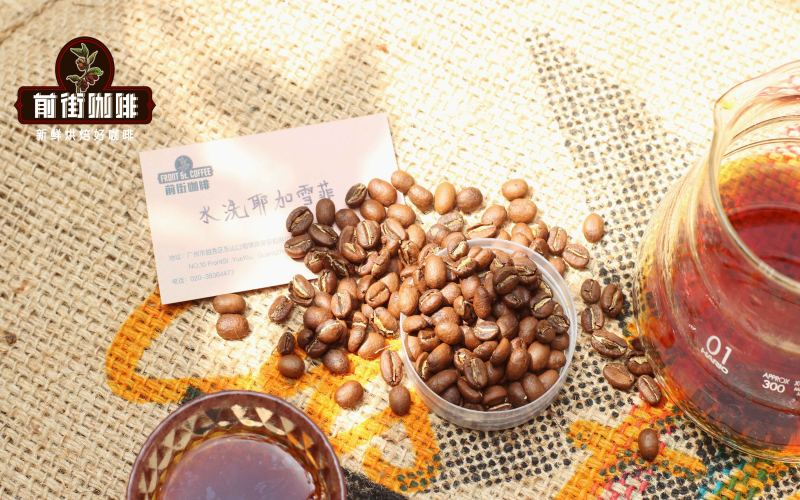
Yirgacheffe Coffee Origin Exploration and Pour-Over Parameters Explained: From Gedeb Cooperative to Flavor Tasting
What story lies behind the name Yirgacheffe? And how does the Gedeo Cooperative produce high-quality specialty coffee beans? This article will take you into the Gedeo region of Ethiopia to explore the complete chain from cultivation and processing to the flavors in the cup. At the same time, we will also share a practical set of V60 pour-over Yirgacheffe parameters, including grind size, water temperature, coffee-to-water ratio, and staged extraction technique, to help you better experience this bean's unique jasmine aroma, lemon-like fruit acidity, and black tea finish. Whether you are a beginner just starting with pour-over or a coffee enthusiast looking to refine your skills, you will find valuable references here. [more…]
Coffee Flavor Tasting | How Can Coffee Novices Build Their Coffee Sensory System? How Should Coffee Beginners Train Their Coffee Senses Daily?
Coffee today is no longer just a "functional drink" used to wake you up; it is also a medium that holds a wealth of experiences. Thanks to the spread of the concept of specialty coffee, which has brought about a leap in coffee quality, we can now taste the terroir of different places through a single small cup of coffee. For example, [more…]

Artificial Intelligence Electronic Nose Unveiled: Precisely Distinguishing Coffee Flavor Differences Using Sensor Arrays and Algorithms
For baristas, the senses are the tools they rely on for their livelihood; once they catch a cold and their nose is blocked, they have no way to judge the quality of that day's output. A research team in Taiwan combined artificial intelligence learning algorithms with an electronic nose to develop a system capable of distinguishing differences in coffee aromas, with recognition accuracy reaching 81% to 98%. This technology is not only expected to help coffee professionals maintain quality control when their senses fail, but may also be applied to quality verification across the coffee industry chain. At the same time, the research team is also developing an electronic tongue, electronic eye, and tactile system in parallel, attempting to cover every link in coffee quality control from multiple dimensions. [more…]
Exploring the Yirgacheffe Coffee Origin: A Full Analysis of Chelba Cooperative Flavors and Pour-Over Parameters
Yirgacheffe is one of Ethiopia's most iconic specialty coffee regions, and its name comes from a local ancient language, meaning "let us live out our lives in this fertile land." This article begins with a tasting of Yirgacheffe, guiding you to experience the silky, oily mouthfeel of a high-quality Yirgacheffe as it enters your mouth, along with the complex layers of black tea aroma, jasmine fragrance, lemony acidity, and citrus sweetness. It also takes a deeper look at the Chelba cooperative in the Gedeo region—a specialty green coffee cooperative with about 700 smallholder farmers, growing at elevations of 1,900 to 2,100 meters—and analyzes the flavor differences brought by natural and washed processing methods. Finally, it includes the complete brewing parameters of Front Street Coffee's Yirgacheffe pour-over tutorial, including a V60 dripper, 91°C water temperature, a 1:15 coffee-to-water ratio, and a staged extraction technique, helping you easily recreate a clean and richly layered cup of good coffee. [more…]