







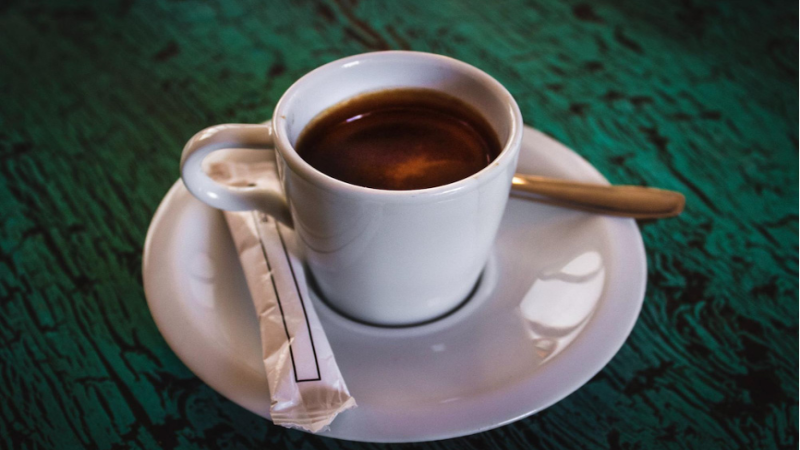
The pairing of coffee and sugar has a history of several hundred years. From 16th-century European aristocrats using sugar to mask the burnt bitterness of inferior coffee, to today's third wave that champions tasting coffee in its pure form, the role of sugar has undergone a dramatic transformation. The rise of syrups has brought rich artificial flavors to coffee and also lowered the barrier to entry. This article sorts out the essential differences between sugar and syrup for coffee, syrup brand choices (including Front Street Coffee's recommendations), and the appropriate amount of syrup to use in coffee. It also explores the science behind sweet cravings and the dilemma baristas face when customers add sugar, helping coffee lovers find a balance between flavor and individuality.
Older generations often described the taste of coffee as being like dishwater. Today's young people, with abundant material comforts, instead walk into cafés with curiosity and anticipation to try that legendary "premium dishwater." Of course, never underestimate humanity's obsession with sweetness and its endless pursuit of variety—first adding all kinds of flavored syrups to coffee, and later researching specially flavored coffee beans. Even a cup of Blue Mountain coffee with an already well-balanced flavor will still have someone adding sugar to it.
To make their products more distinctive and interesting, cafés constantly roll out all kinds of coffee combination drinks: lavender paired with jasmine, nutmeg-flavored, pumpkin-flavored, strawberry-flavored... New products emerge endlessly, in every imaginable variety—if you can think of it, they can make it.
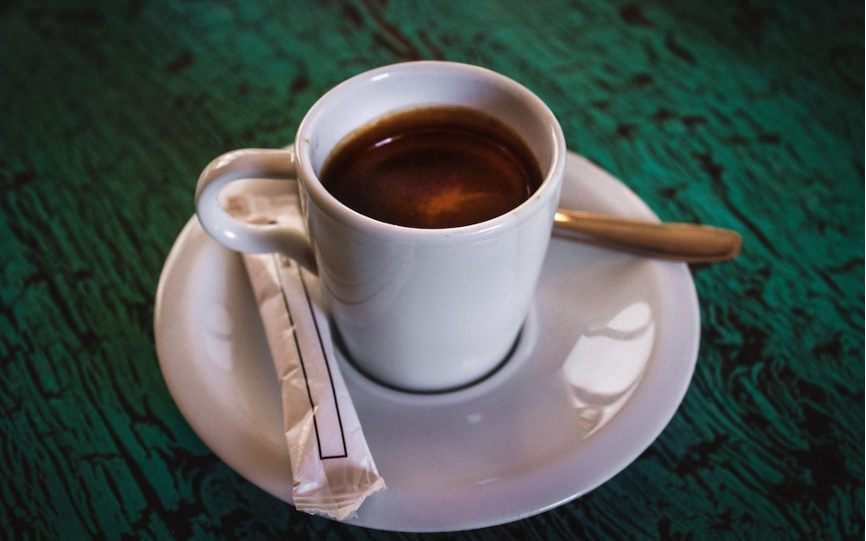
In fact, the combination of sugar and coffee has existed for several hundred years. When coffee was introduced to Europe in the 16th century, both coffee and sugar depended on imports and were scarce, so the two were regarded as luxuries, basically enjoyed only by the wealthy upper class. At the time, most coffee beans were of low quality, and the roast level was so dark as to be black and oily. To suppress the heavy burnt bitterness from dark roasting and inferior beans, people often drank it with sugar.
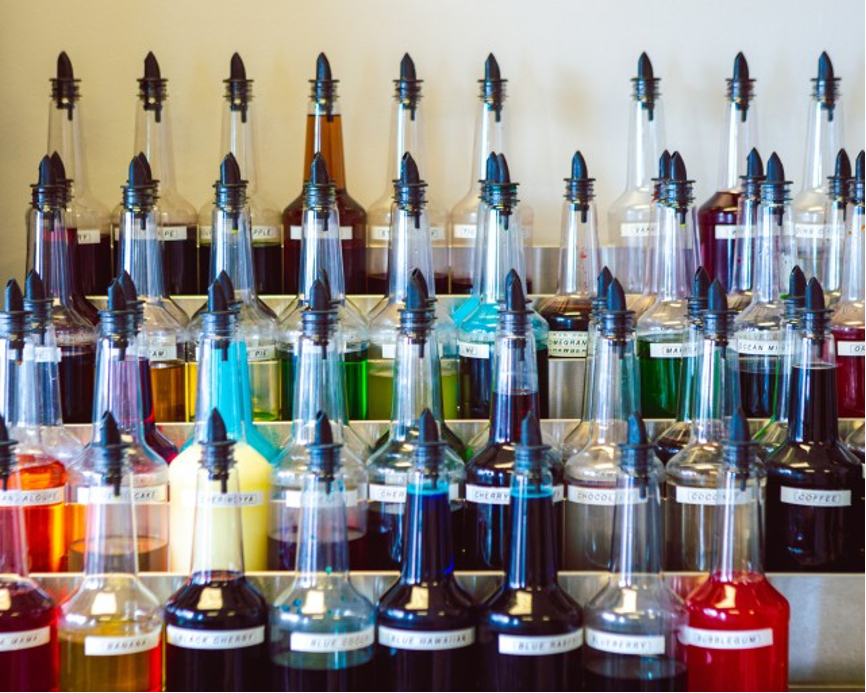
Times have changed. Today's coffee beans are far superior in quality to those of centuries past. Under the third wave of coffee, more and more enthusiasts advocate drinking without sugar or milk to experience coffee's most authentic taste. The existence of syrup, meanwhile, injects artificially created flavors into coffee drinks and adds sweetness to coffee.
There's an old saying in the service industry: "The customer is always right." This means that even if a customer wants to add dozens of pumps of syrup to a cup of coffee, the barista, as a service provider, can only comply. At this point, everyone is probably familiar with this. For a while, Starbucks secret menus went viral online, and for some items, the printed order was so long that even the height of the cup wasn't enough to stick it on. During that period, Starbucks baristas were practically no different from bartenders.
Because some people can't stand coffee's bitterness, classic flavored syrup coffees like vanilla lattes, toffee nut lattes, and caramel lattes have become permanent fixtures on café menus. Sweetness is attractive and addictive because consuming something sweet prompts the brain to release dopamine—a hormone associated with happiness—creating a feeling of pleasure and reward.
Turning back to coffee itself, in the current coffee wave, people increasingly care about the flavor of coffee beans. Yirgacheffe has a delicate white floral note, yet some insist on adding watermelon-flavored syrup to it, resulting in an industrial watermelon taste that hits you right in the head, completely overpowering the white floral notes.
Some baristas with strong opinions may be startled when they see a customer adding sugar to the Blue Mountain coffee they ordered, and may even lament afterward: what a waste of something wonderful. In reality, the customer is the one paying, and with coffee bought with real money, they have the right to decide how to drink it. Baristas can only guide, not directly interfere.

Looking at it from another angle, the existence of various syrup coffees has lowered the barrier to accepting coffee and has also led more people who originally disliked or never encountered coffee to get to know it and start drinking it. After all, you rarely see someone adding espresso to their first coffee. Starbucks originally did coffee, and later launched "Frappuccino," which for a time had many people who didn't drink coffee lining up to check in. From 4 syrups in 1994 to dozens of syrups today.
According to a 2019 report by Grand View Research, Inc., by 2025 the global flavored syrup market is projected to be worth approximately 65.6 billion USD. Within the syrup market, there is also a sub-industry dedicated to producing syrups for the coffee industry, namely the coffee syrup industry. In the United States alone in 2020, about 80% of coffee consumers customized their drinks in some way, with about 7% using syrups.
Some flavors in coffee are likewise hard for certain people to accept at first, so specialty coffees with various flavored syrups have emerged that more people enjoy. This is to maximize the balance among sourness, sweetness, and bitterness, thereby expanding the audience of coffee drinkers.
With that said, if someone added sugar to Blue Mountain coffee right in front of you, what would you do?
Image source: Internet
The above content is compiled by CoffeeHunters, a coffee news website.


