







Search Results for: three-temperature brewing
Advanced Guide to Pour-Over Coffee: A Full Analysis of the One-Pour Method, Three-Stage Method, 4-6 Method, Three-Temperature Method, Volcano Pour, and Stirring Method
The charm of pour-over coffee lies in the diversity of brewing methods. Besides the common three-stage pour, there are also single-pour, 4-6 method, three-temperature brewing, volcano pour, agitation method, and many other techniques. Each method has its own characteristics: single-pour is simple and stable, three-stage offers rich layers, the 4-6 method is formulaic in operation, three-temperature brewing highlights flavors through variable-temperature extraction, volcano pour is highly visually appealing and suitable for dark roasts, while the agitation method demands a high level of skill. This article will analyze the principles, parameters, and suitable scenarios of these brewing methods one by one, and share Front Street Coffee's practical experience, helping coffee enthusiasts understand the logic of flavor release and find a brewing approach that suits them. [more…]

Three-Temperature Pour-Over Method Explained: A Complete Guide to Variable-Temperature Staged Extraction Workflow and Parameters
Among the many variables in pour-over coffee, water temperature is often seen as the most conservative one—once a value is chosen, it is no longer changed. However, Wu Tzelo, the 2016 WBC champion, turned water temperature into a powerful tool for regulating flavor in stages. His invented "sauna pour-over method" extracts sequentially through three temperature ranges—94°C, 90°C, and 80°C—allowing acidity, sweetness, bitterness, and umami to each find their proper place. In this article, Front Street will fully replicate this technique, breaking down the extraction logic and practical parameters behind variable-temperature brewing one by one, from equipment preparation and staged pouring rhythm to the final flavor presentation, helping you understand why water temperature can become the key lever for adjusting coffee balance. [more…]
A Detailed Guide to Six Pour-Over Coffee Brewing Methods: Flavor Comparison of One-Pour, Three-Pour, 4:6 Method, Three-Temperature, Volcano Pour, and Stirring Method
The charm of pour-over coffee lies in the diversity of brewing methods; different pouring techniques directly affect the flavor expression and mouthfeel layers of the coffee. This article systematically sorts out six common pour-over techniques: the one-pour method, the three-stage method, the 4:6 method, the three-temperature brewing method, the volcano pour, and the stirring method. From the number of pouring stages, coffee-to-water ratio, extraction time, to grind adjustment, it analyzes one by one the principles and applicable scenarios behind each method, helping coffee enthusiasts understand the release order of sour, sweet, and bitter substances, and choose the most suitable brewing strategy according to the characteristics of the beans, so as to consistently brew a good cup of coffee that suits their own taste. [more…]
Why Extract Coffee at Different Temperatures? Analyzing Three-Temperature Variable-Temperature Brewing and Pour-Over Water Temperature Selection
In pour-over coffee, when extraction parameters are too high, it is usually possible to dial them back, but if over-extraction is caused by too many fines from the grinder, adjusting parameters alone is often not enough to solve the problem. In this case, sifting out the fines or adopting variable-temperature brewing are both response options recognized by Front Street Coffee. This article will focus on variable-temperature brewing: it is not a minor adjustment of 2~3°C, but rather segmented extraction with a larger temperature differential, controlling the dissolution rhythm of flavor compounds through high-temperature fast extraction and low-temperature slow release. The article will trace the origins of this method, analyze the championship cases of Wu Zelin and Emi, explain how to use cold water to regulate temperature and achieve a variable-temperature operation that starts high and ends low, and share in detail the practical process of the "Devil Brewing Method" by Tetsu Kasuya, which Front Street Coffee favors. [more…]
Costa Rica Mozart Coffee Beans: A Three-Temperature Pour-Over Experiment—A Full Analysis of the Raisin Honey Process Flavor from Canet Estate
Costa Rican coffee is famous for its honey processing method, and Hacienda Cannet's Musician Series is among the best of the best, especially a raisin honey-processed Mozart coffee bean whose dry and wet aromas are both impressive. To investigate the effect of water temperature on the flavor expression of this bean, Front Street Coffee conducted comparative pour-over experiments at 93°C, 90°C, and 87°C, recording everything from aroma, acidity, and sweetness to the finish. This article will begin with the background of Hacienda Cannet, the origin of the Musician Series names, the green bean information, and the processing characteristics of the raisin honey method, then present in detail the brewing parameters and flavor differences of the three water temperatures, and finally offer brewing recommendations suitable for this Mozart coffee bean. [more…]
How to Choose the Water Temperature for Pour-Over Coffee? From Extraction Principles to Variable-Temperature Brewing, Understanding the Impact of Temperature on Flavor in One Go
What role does water temperature actually play when brewing coffee? Front Street Coffee believes that while it is crucial, it is not the only factor determining flavor. The higher the temperature, the faster the extraction of soluble substances, but excessively high water temperatures quickly bring out bitterness, so adjustments need to be made within a safe range. Most coffee beans are suitable for brewing at water temperatures of 86–93°C, though the specific setting should be flexibly adjusted based on the growing region, roast level, and flavor goals. This article will move from the basic range and common misconceptions to the variable-temperature brewing methods that have become popular in recent competitions, and analyze Wu Tsung-Lin's three-temperature brewing method to help you accurately grasp temperature as a variable. [more…]
Analysis of Six Classic Pour-Over Coffee Brewing Methods: Techniques and Flavor Differences from One-Pour to Stirring
The charm of pour-over coffee lies in its rich and varied brewing methods, with different techniques bringing out completely different flavor expressions. This article systematically sorts out six common pour-over techniques—one-pour flow, three-stage, four-six method, three-temperature brewing method, volcano pour, and stirring method—explaining in detail the operational key points, applicable scenarios, and flavor characteristics of each technique. From the logic of dividing pouring stages to extraction strategies based on water temperature changes, from adjusting grind size to the influence of stirring intensity on fine particle migration, the content balances theoretical principles with practical details. The article also specifically shares the three-stage brewing parameters used daily at Front Street Coffee, as well as the grinding solutions offered to address the easy over-extraction problem of the four-six method, making it suitable for coffee enthusiasts who wish to refine their brewing skills. [more…]
Analysis of Six Major Pour-Over Coffee Extraction Methods: Comparing the Characteristics of One-Pour, Three-Stage, 4:6 Method, Santai Warm, Volcano Pour, and Stirring Method
The charm of pour-over coffee lies in its ever-changing brewing methods, where different techniques bring out completely different flavor expressions. This article will systematically break down six common pour-over techniques—one-pour, three-stage, 4:6 method, three-temperature brewing, volcano pour, and agitation method—analyzing each one from water-pouring logic and parameter settings to flavor direction. Whether you're a beginner just getting into pour-over or an advanced player looking for a breakthrough, you'll find a key that suits you. At the same time, Front Street Coffee will also share its most commonly used three-stage brewing experience, helping you understand the underlying principles of flavor release, so you can draw inferences and apply them flexibly. [more…]
A Detailed Guide to Six Pour-Over Coffee Brewing Techniques: One-Pour, Three-Stage, 4:6 Method, Variable Temperature, Volcano Pour, and Stirring Method
The charm of pour-over coffee lies in the diversity of brewing methods, as different pouring techniques bring out entirely different flavor expressions. This article systematically sorts through six common pour-over techniques—single-pour, three-stage, 4:6 method, Santuario variable-temperature brewing, volcano pour, and stirring method—analyzing each one by one from the logic of pouring, parameter ratios to flavor characteristics, and explaining their respective applicable scenarios and operational difficulties. Using specific parameters such as 15g coffee to 225ml water and 20g coffee to 300ml water as examples, the article helps readers understand the extraction principles behind each technique. At the same time, it retains Front Street Coffee's practical experience with the three-stage method and grind adjustment for coffee enthusiasts to refer to and compare. [more…]
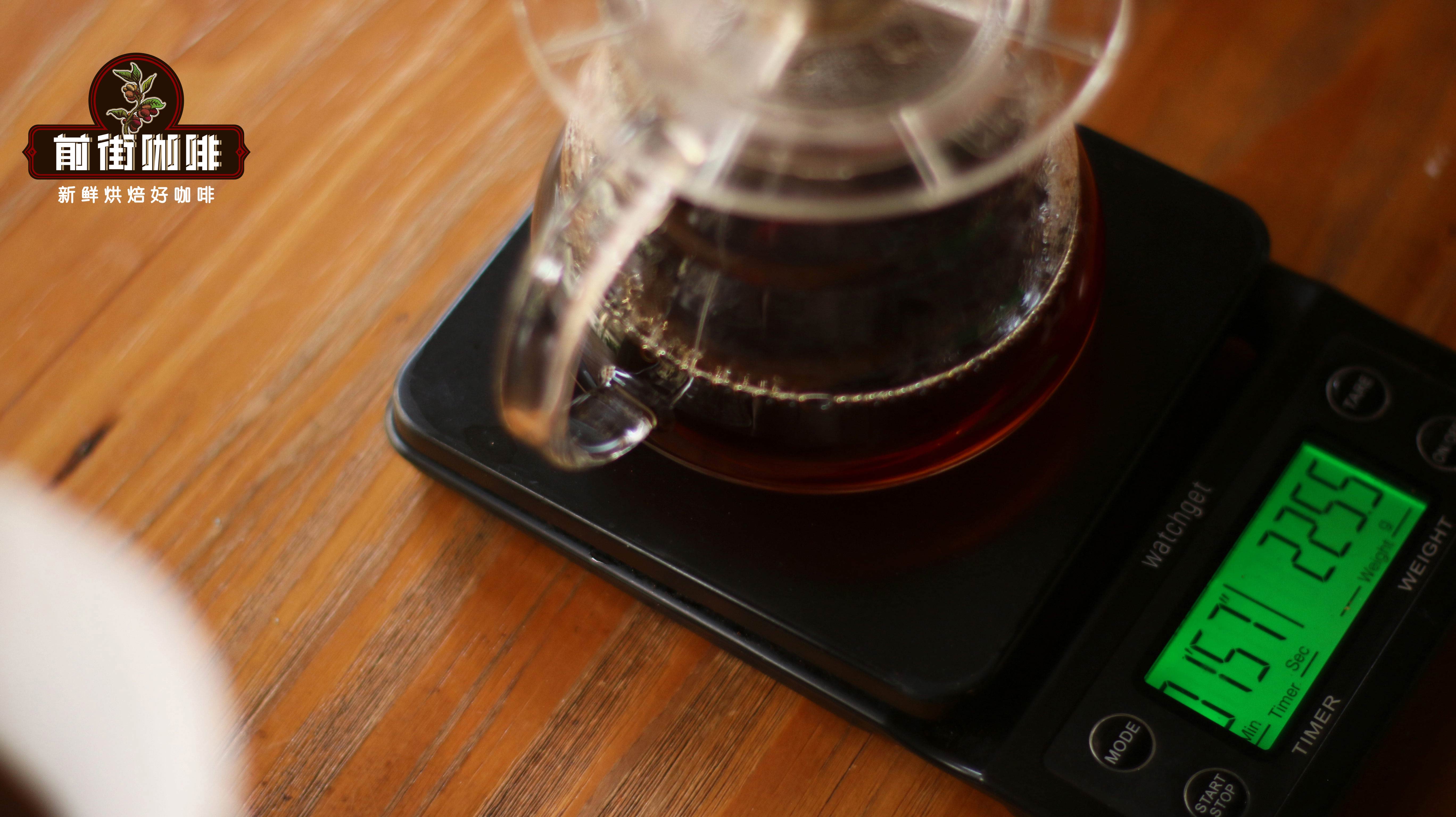
Sharing the Five Major Pour-Over Coffee Techniques | Does the Pouring Technique Affect Coffee Extraction? Flavor Comparison and Differences of Pour-Over Coffee Using the Three-Stage Volcano Pour Stirring Method
Compared to other single-origin coffees, pour-over coffee has a great many brewing methods. For example: one-pour, three-stage, volcano pour, variable-temperature brewing, stirring, and so on. Today let's get to know some of the brewing methods that commonly appear in pour-over coffee~ 1. One-pour The one-pour method and the single-pour method are still [more…]
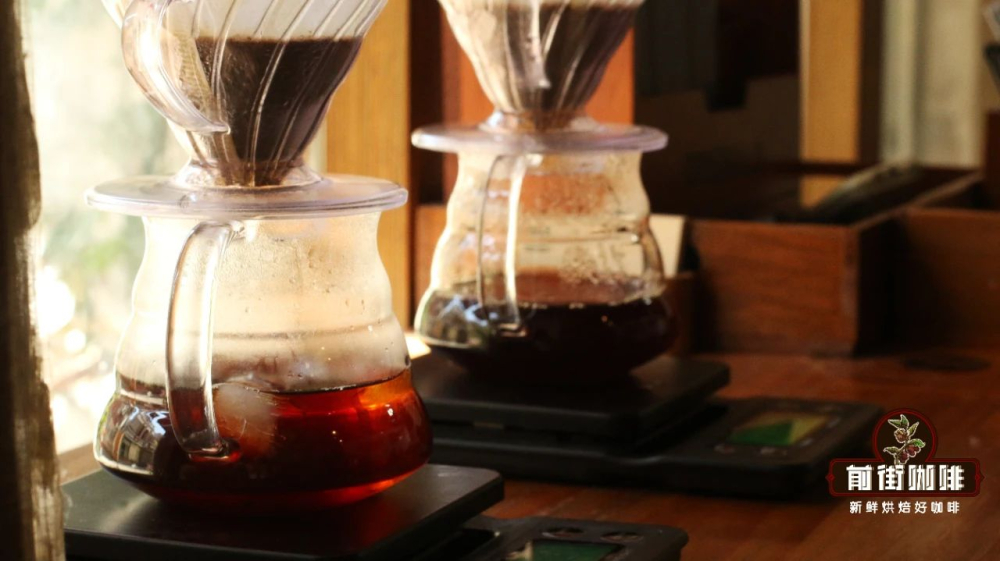
Pour-over Coffee Brewing Tips | What Is the Ideal Water Temperature for Pour-over Coffee? How Does Brewing Water Temperature Affect the Flavor and Mouthfeel of Pour-over Coffee?
If you ask whether water temperature is important for extraction, Front Street Coffee believes it is important, but not that important. As a tool for adjusting the extraction rate, the higher the temperature, the easier it is to extract soluble substances, but because too high a water temperature will cause coffee to quickly release bitterness, a conservative range should be chosen. Generally speaking, the vast majority on the market [more…]
Cold brew coffee grounds-to-water ratio | What are the flavor characteristics of cold brew coffee? What kind of water should be used to brew cold brew coffee grounds? What grind size is suitable for making cold brew coffee?
When summer arrives, the internet-famous iced coffee comes to mind. Indeed, in this scorching summer, a glass of iced coffee instantly makes you feel refreshed. Today, Front Street Coffee is going to talk about one such iced coffee: cold brew coffee. Cold brew coffee has become a favorite among office workers. Why is that? Front Street Coffee believes that cold brew coffee [more…]
Cold Brew Coffee Grind Size | What's the difference between ice drip, cold brew, and cold brew iced coffee? What are the steps to make cold brew coffee? How do you choose cold brew coffee beans?
For more specialty coffee knowledge, please follow our WeChat public account: FrontStreet Coffee. Recently, many friends have been asking about cold brew coffee, so Front Street is taking this opportunity to talk about "cold brew coffee." Cold brew coffee is essentially different from the usual hot water brewing. It uses [more…]
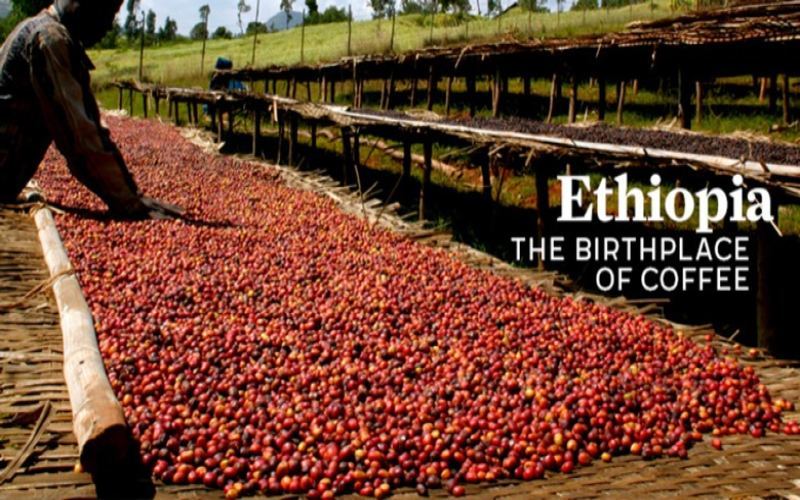
Cold Brew Origin Recommendations: Cold Brew Performance of Fruity and Full-Bodied Types
The choice of origin for cold brew coffee determines whether the cup leans toward fresh fruit juice or rich cocoa. The long-steep cold water extraction method makes origin flavors express themselves differently than in hot brewing, and some origins perform better in cold brew. For fruity cold brew, Ethiopian origins are a good choice. Huakui natural beans made as cold brew, hot [more…]
Cold Brew Coffee | What are the differences between hot-brewed and cold-brewed coffee? Why does iced coffee taste better? Which coffee beans are suitable for cold brew?
For more specialty coffee knowledge, please follow our WeChat official account: FrontStreet Coffee. Tea is part of Chinese culture, while coffee has also gradually come into people's view and become one of the three major beverages, becoming an indispensable part of people's lives. As for the love of coffee [more…]
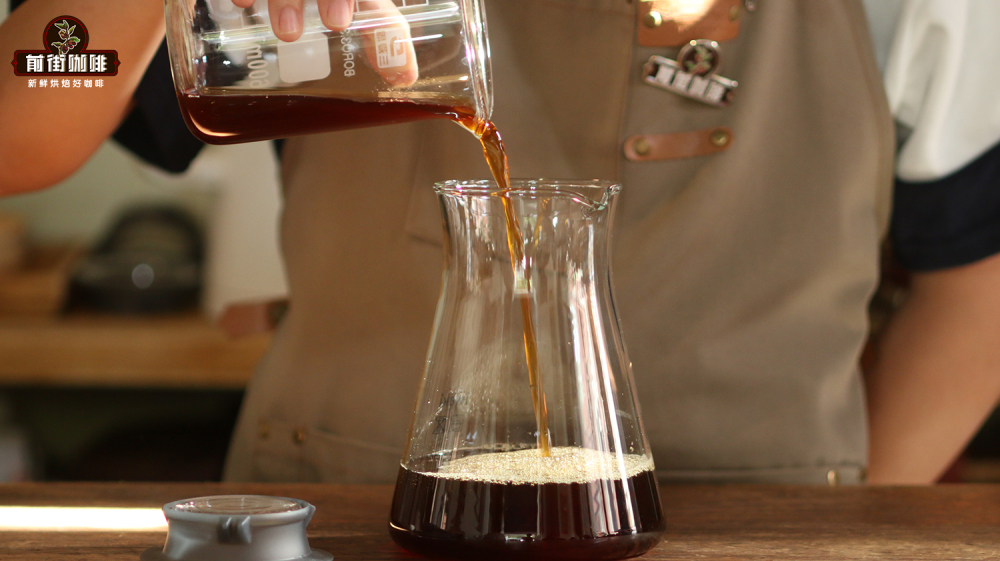
Cold Brew Coffee Bean Recommendations | What Is Cold Brew/Cold Brewed Coffee? What Is the Coffee-to-Water Ratio for Making Cold Brew at Home? An Introduction to the Flavor Characteristics and Mouthfeel of Cold Brew Coffee
For more specialty coffee knowledge, please follow the WeChat official account: Front Street Coffee (FrontStreet Coffee). As soon as summer arrives, cold brew coffee becomes the most frequently discussed topic among coffee enthusiasts, with everyone sharing their experiences in making cold brew coffee. Why has cold brew coffee become so popular in recent years? [more…]
What's the Difference Between Milk Brew and Cold Brew with Milk? A Detailed Guide to the Fresh Milk Cold Brew Coffee Grounds Method and Cold Brew Latte Preparation
Cold brew coffee methods are endlessly varied, and when milk is introduced into a low-temperature immersion system, two distinctly different paths emerge: one is to directly replace water with fresh milk to cold-brew coffee grounds, known as milk brew; the other is to first make cold brew coffee, then mix in fresh milk according to a ratio. The two differ noticeably in extraction mechanism, flavor direction, and mouthfeel thickness. This article focuses on the practical parameters of Front Street. Queen's Estate, providing respectively the ratios, grind size, refrigeration time, and filtration key points for milk brew coffee and cold brew with milk added, and explaining the choice of medium-dark roasted beans and fruity medium-roasted beans suitable for pairing with milk, to help coffee enthusiasts make a smooth, sweetly fragrant, and clearly flavored cold brew latte in summer. [more…]

Cold Brew Single-Origin Bean Recommendations | How Can Coffee Newbies Make Cold Brew Coffee at Home? What Are the Benefits of Cold Brew Coffee? Are Cold Brew Coffee Bags Easy to Use?
There are many ways to make delicious iced coffee (types of iced coffee). From the more elaborate cold drip and the quickest iced coffee pour-over, to the easy-to-make and mainstream cold brew method. Cold brew has many names, such as Cold Brew (the English term for cold brew coffee), cold brew coffee, cold extracted coffee, cold extraction coffee, and so on, referring to [more…]
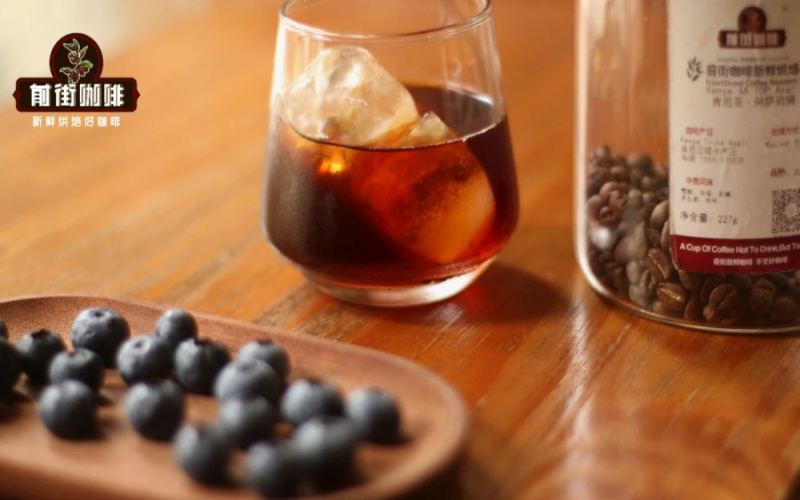
What exactly is cold brew coffee? Can it only be served iced? A comprehensive analysis of cold brew flavor and key brewing points
Cold brew coffee has gained great popularity among coffee lovers in recent years, but what exactly is it? Does all cold coffee count as cold brew? This article will comprehensively answer common questions about cold brew coffee, from its definition, extraction principles, and flavor characteristics to grinding recommendations and coffee bean suggestions. Cold brew uses cold water below 5°C to steep coffee grounds for a long time, undergoing 8 to 12 hours of fermentation before being filtered, resulting in enhanced sweetness and smoothness and reduced acidity. The article will also clarify that cold brew is not limited to being served cold, and will share a variety of suitable bean lists from Front Street Coffee to help you easily make a full-bodied, delicious cold brew at home. [more…]

Cold Brew Coffee Grounds-to-Water Ratio | How Can Coffee Beginners Make Cold Brew Coffee at Home? Which Single-Origin Coffee Beans Are Suitable for Cold Brew? How Long Is Cold Brew's Shelf Life?
In such hot weather, in such a hot Guangzhou, taking a sip of iced coffee is simply one of life's great pleasures. Everyone may have had plenty of iced coffee, so what exactly is cold brew coffee? Why isn't it available in every coffee shop? Today Front Street is here to give everyone a little primer on the category of cold brew coffee. The production process of cold brew and Americano [more…]